Specification checklist every PAM dosing skid RFQ should include
A precise Request for Quotation (RFQ) prevents vendors from substituting inferior components and forces compliance with your plant’s critical operating parameters. The following table provides a checklist of non-negotiable technical specifications to include in your tender documents for a 1,500 m³/d industrial wastewater treatment plant.
| Parameter | Minimum Specification | Rationale |
|---|---|---|
| Flow Accuracy | ±0.5% of set-point (per ISO 8316) | Achievable with stepper-driven diaphragm metering pumps; ensures consistent floc quality and prevents polymer overdosing. |
| Turn-down Ratio | 1,000:1 | Required to handle paper-mill batch drainage peaks or shift changes in food & beverage production without manual intervention. |
| Viscosity Ceiling | 3,000 cP | Helical rotor wetting units from top-tier suppliers must handle high-viscosity emulsion polymers without clogging. |
| IP Rating (Control Panel) | IP65 (NEMA 4X) | Essential for washdown environments in food processing or high-humidity areas to prevent electrical failure. |
| Wetted Materials | SS316L or PVDF | Stainless steel 316L offers superior corrosion resistance against chloride attack common in industrial wastewater. |
| Control System | PLC with 7-inch HMI, 4-20mA input | Allows for integration with existing SCADA and future AI tuning of polymer dosing ratios. |
Beyond these core specifications, your RFQ should also demand detailed documentation. Require suppliers to provide a complete P&ID (Piping and Instrumentation Diagram), a bill of materials listing all major component brands and models, and certified material test reports for all wetted parts. This prevents last-minute substitutions with cheaper, non-compliant alternatives. Specify the required communication protocols, such as Modbus TCP/IP or Profinet, to ensure seamless data exchange with your plant's distributed control system (DCS) for real-time monitoring and historical data logging.
Hidden cost drivers that double the 10-year cost
The purchase price of a polymer make-up unit is only 30–40% of its total lifecycle cost. Operational inefficiencies in water consumption, polymer waste, and energy use can erode the ROI of a low-CAPEX system within 24 months.
Water-to-Polymer Dilution Ratio: Older or basic systems often operate at a 3:1 water-to-polymer ratio. A modern, high-shear wetting hopper achieves a 1:1 ratio. For a 2 m³/h make-up system running 16 hours/day, this difference saves over 1.2 million liters of process water annually. This not only reduces water bills but also lowers the load on downstream equipment and reduces the volume of sludge produced.
Batch Turnover and Polymer Ageing: Prepared polymer solution loses efficacy after 24–48 hours due to hydrolytic degradation, which breaks the long polymer chains and drastically reduces flocculation efficiency. A system with a small preparation tank that creates 6 batches per day minimizes ageing waste compared to a large-tank system producing 2 batches. Data from full-scale plants shows this can reduce polymer consumption by up to 14%. This is a direct saving on your highest operational cost—the polymer itself.
Motor Efficiency: An IE4 premium efficiency motor on the mixer and preparation tank agitator consumes significantly less power than a standard IE2 motor. For a 1.5 kW mixer, the annual savings exceed 1,100 kWh at €0.10/kWh. Over a decade, this alone can cover the cost premium for a higher-tier skid. Also consider the maintenance costs associated with lower-quality motors, which have higher failure rates and require more frequent bearing replacements or rewinding.
Another often-overlooked OPEX factor is labor. A fully automated skid with integrated cleaning cycles (CIP) requires minimal operator intervention, perhaps only 15 minutes per shift for visual inspection. A manual or semi-automatic system can require hours of labor for mixing, transfer, and cleanup, adding significant and recurring personnel costs to the overall lifecycle expense.
Comparison of 5 leading PAM dosing system manufacturers
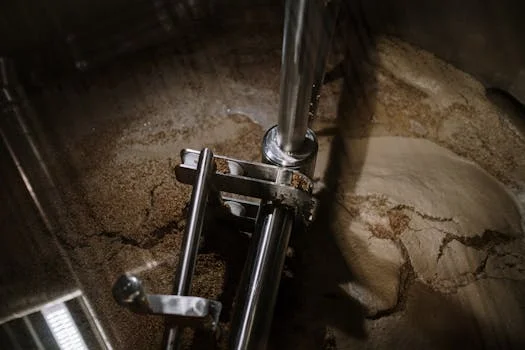
The table below benchmarks five global manufacturers on critical parameters for industrial applications, allowing for rapid shortlisting.
| Manufacturer | Dosing Accuracy | Standard Materials | Capacity Range (L/hr) | Key Features & Compliance |
|---|---|---|---|---|
| Manufacturer A | ±1.0% | SS304 | 100–3,000 | Basic PLC, common in municipal applications; no ATEX certification offered. |
| Manufacturer B | ±0.5% | PP (SS316 optional) | 200–2,500 | Low MOQ; PP hoppers reduce cost by ~40% but limit chemical compatibility. |
| Manufacturer C | ±0.75% | SS316 | 50–5,000 | Integrated inverter for pump control, Profibus support; noise level rated at 60 dB. |
| Manufacturer D | ±0.5% | SS316L / PVDF | 100–4,000 | Dual-hopper for PAC/PAM switching, 7-inch HMI, cloud remote monitoring included. |
| HydropureWater | ±0.5% | SS316L (full skid) | 100–5,000 | Siemens PLC, ATEX Zone 2 certification for hopper and panel, 24-month warranty. |
When evaluating manufacturers, look beyond the datasheet. The quality of after-sales support, including the availability of spare parts and the responsiveness of technical service, is a critical differentiator. A manufacturer with a global network of service engineers can drastically reduce downtime in the event of a malfunction. Inquire about the availability of performance guarantees; top-tier suppliers often provide a written guarantee on key performance indicators like dosing accuracy and final solution concentration under defined operating conditions.
CAPEX vs OPEX cost bands (2024–2025 bid reference)
The figures below are FOB main China ports for a standard 500 L/hr capacity skid, based on 2024 project data.
| Cost Component | Low-End Specification | High-End Specification |
|---|---|---|
| CAPEX: Skid Unit | 18–24 k USD (PP hopper, basic control, no ATEX) | 28–35 k USD (SS316L, Siemens PLC, ATEX Zone 2) |
| OPEX: Annual Polymer Savings* | 800 USD/yr (vs. manual mixing) | 1,200 USD/yr (vs. manual mixing) |
| OPEX: Annual Power Consumption | ~1,900 kWh (IE2 motors) | ~1,500 kWh (IE4 motors) |
| Warranty | 12 months (standard) | 24 months (extended, parts & labor) |
*Assumes annual polymer usage of 2 tonnes at $5.50/kg, with a 7–12% reduction in consumption from automated, precise dosing.
The initial CAPEX should be analyzed through the lens of Total Cost of Ownership (TCO). A higher initial investment in a robust, efficient system is quickly justified. For example, the ~$10,000 premium for a high-end skid can be offset in under two years by the combined savings from reduced polymer usage (up to $1,200/yr), lower water consumption (saving hundreds of dollars annually), and reduced energy costs. After this payback period, the savings translate directly into improved operational profit. Always model these OPEX variables against your specific utility rates and polymer costs to build a compelling financial business case.
Frequently Asked Questions
What is the typical payback period for an automatic PAM dosing system?
For a 1,500 m³/d plant, the payback period is typically 18–30 months, based primarily on reduced polymer consumption and eliminated labor for manual mixing. This calculation factors in the consistent, optimal dosing that eliminates the guesswork and inherent waste of manual preparation, ensuring every gram of expensive polymer is used effectively.
Is ATEX certification necessary for a polymer dosing skid?
ATEX certification is mandatory if the skid is installed in a Zone 2 hazardous area where flammable vapors or dust may be present, such as in petrochemical or pharmaceutical wastewater plants. Even if not strictly mandated by local regulations in a specific area of your plant, specifying ATEX-rated components provides an additional layer of safety and future-proofs the equipment should processes or plant layouts change.
What is the maximum concentration a PAM make-up unit can achieve?
High-shear preparation units can typically achieve a maximum concentration of 0.5–1.0% active polymer. Higher concentrations risk creating fisheyes and incomplete hydration, leading to injector clogging and pump cavitation. It is a critical mistake to believe a higher concentration saves money; an improperly mixed, high-concentration solution can actually increase consumption and compromise the entire clarification process.
How often does a polymer dosing system require maintenance?
Daily visual checks are recommended, including inspecting for leaks, ensuring hopper levels are adequate, and verifying that the mature tank agitator is functioning. Professional maintenance, including diaphragm replacement on metering pumps (typically every 6-12 months depending on operation), calibration of load cells and flow meters, and lubrication of moving parts, should be performed quarterly for optimal performance. A well-maintained system can operate reliably for over a decade.
Can one skid handle multiple different polymers?
While a single skid is designed for a specific polymer type, dual-hopper systems are available that allow for switching between two different chemicals, such as switching from a cationic PAM for organic sludge to an anionic PAM for mineral-laden water. However, a comprehensive flushing procedure is required between changes to prevent cross-contamination and unwanted chemical reactions within the piping and pumps.
Related Equipment
- pre-packaged PLC-controlled PAM make-up skids — view specifications, capacity range, and technical data
Need a customized solution? Request a free quote with your specific flow rate and pollutant parameters.