Why Sourcing a WWTP Supplier in Bolivia Is Different
A wastewater treatment plant supplier in Bolivia has to solve three problems that a coastal-LATAM vendor never sees: landlocked freight, 3,600–4,000 m altitude, and a fragile national grid. Containerized MBR or WSZ skids from Asia land at Arica (Chile) or Matarani (Peru) and then travel 450–880 km overland by truck, which adds 18–25% to landed cost compared with a coastal discharge at Callao or Valparaíso. The most common shipping form factor is the 20-ft or 40-ft ISO container because no Bolivian operator wants to pay for a flat-rack or break-bulk escort inland. If you are evaluating a containerized MBR membrane bioreactor for 10–2,000 m³/day from an overseas OEM, your Incoterms conversation must end at CIP Arica plus a separate land haul — FOB Shenzhen quotes are useless for budgeting.
High altitude is the second design driver. La Paz/El Alto sit at 3,640 m and Oruro at 3,706 m, where ambient pressure drops to roughly 0.65 atm. Standard oxygen transfer efficiency in fine-bubble diffusers falls 25–35% at that pressure, so the blower airflow for the same BOD load has to be oversized by 20–30% to hold dissolved oxygen at 1.5–2.0 mg/L. A sea-level datasheet applied to an Altiplano site will under-aerate the basin and trip TSS excursions during the first week of operation.
Grid instability is the third factor. Bolivia's SEN (Sistema Eléctrico Nacional) records 6–12 unplanned outages per month in industrial zones around El Alto, Oruro and the outskirts of Santa Cruz. A WWTP sized at 0.4–0.8 kWh/m³ cannot ride through a 4-hour grid fault on residual head alone, so the spec should include either a 30–60 kVA diesel rotary UPS or a process selection biased toward low-power components — submerged mixers (0.05–0.10 kWh/m³) over surface aerators (0.20–0.30 kWh/m³). Payments are nominally in BOB, but most industrial contracts are USD-pegged at a 2026 reference of 6.9 BOB/USD with a 2–4% spreads; lock the FX clause before signing.
Bolivia's Regulatory Framework: What Every WWTP Must Meet
The compliance ceiling for any industrial or municipal discharge in Bolivia is set by the Reglamento en Materia de Contaminación Hídrica under Ley 1333 (MMAyA, 1992, still in force 2026), with monitoring enforced by the Ministerio de Medio Ambiente y Agua. The numeric limits that drive equipment selection are pH 6.0–9.0, TSS ≤60 mg/L, BOD₅ ≤80 mg/L, oil and grease ≤20 mg/L, and fecal coliforms <1,000 NMP/100 mL for surface discharge. For potable reuse or aquifer recharge, Norma Boliviana NB 512 (Resolución Ministerial 1176) layers additional turbidity, residual chlorine, and heavy-metal caps on top of the Ley 1333 envelope.
Mining discharges are governed by an additional instrument — the Ministerio de Minería's TAC (Tasa Acumulativa de Contaminación) framework — which sets per-metal limits for lead (Pb ≤0.2 mg/L), arsenic (As ≤0.1 mg/L), cadmium (Cd ≤0.05 mg/L), and total dissolved solids (TDS ≤1,000 mg/L for direct surface discharge, ≤3,000 mg/L for irrigation reuse). These limits are tight enough that no biological step alone will meet them; AMD (acid mine drainage) streams with influent TDS of 3,000–15,000 mg/L need pre-neutralization (lime or NaOH to pH 7–8.5) plus a dedicated metal precipitation stage before the biological reactor. For the food and beverage cluster in Cochabamba and Santa Cruz, the same Ley 1333 envelope applies, but raw BOD of 3,000–8,000 mg/L from dairy, brewery, and soybean processing means a single-stage MBR is the lowest-risk compliance path.
| Parameter | Bolivia discharge limit (Ley 1333 / RA-1176) | Typical raw influent — mining | Typical raw influent — food & beverage | Typical MBR effluent |
|---|---|---|---|---|
| pH | 6.0–9.0 | 2.5–4.5 (AMD) | 5.5–8.5 | 6.5–8.0 |
| TSS (mg/L) | ≤60 | 200–1,500 | 400–2,500 | ≤10 |
| BOD₅ (mg/L) | ≤80 | 50–500 | 1,500–8,000 | ≤10 |
| Oil & grease (mg/L) | ≤20 | — | 200–800 | ≤5 |
| Pb / As / Cd (mg/L) | 0.2 / 0.1 / 0.05 | 1–20 / 0.5–5 / 0.1–2 | — | Precipitation stage required |
| Fecal coliforms (NMP/100 mL) | <1,000 | — | 10⁶–10⁸ | <1,000 with UV |
Where Wastewater Treatment Plants Are Most Needed in Bolivia
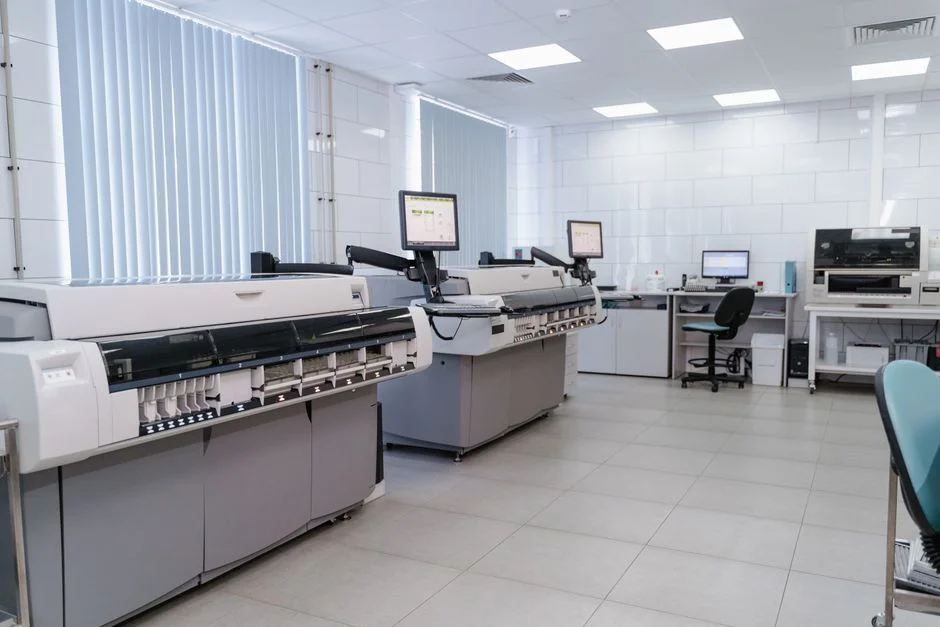
Four verticals drive 80% of WWTP procurement in Bolivia, and each one has a different feedwater signature that points to a different process train. Mining around Potosí, Huanuni, Colquiri and San Cristóbal produces acid mine drainage with TDS in the 3,000–15,000 mg/L range and pH below 4, which means a lime neutralization stage and a high-density sludge clarifier must precede any biological step. Standard MBR alone will not handle raw AMD — but MBR with proper pre-treatment does well on the post-neutralization stream, and a plate and frame filter press for sludge dewatering is needed to bring the metal-rich sludge to >30% DS for safe disposal in a lined tailings facility.
Agro-industry in Santa Cruz — soybean crushing, sunflower refining, sugar mills — generates 200–1,500 m³/day of high-COD effluent (5,000–25,000 mg/L COD) loaded with emulsified oils. The right front-end is dissolved air flotation, and a dissolved air flotation unit for pre-treatment typically removes 60–85% of the oils and TSS before the biological reactor, which protects the MBR membranes from fouling. Breweries (Cervecería Boliviana Nacional) and dairy (PIL Andina, Delicia) in La Paz, El Alto and Cochabamba generate 50–800 m³/day at 1,500–4,000 mg/L BOD, with a balanced C:N:P ratio that is the textbook sweet spot for an MBR at 8–12 kg BOD/m³·d. For smaller resorts, schools, and dispersed municipal clusters, a WSZ buried package plant for 1–80 m³/h avoids the cost of a concrete basin and ships in two 40-ft containers.
Large municipal tenders from El Alto, Cochabamba and Santa Cruz secondary districts target 5,000–30,000 m³/day capacity, which exceeds the practical ceiling of containerized OEM equipment (roughly 2,000 m³/day per single train). Those projects require an EPC consortium — typically a local civil contractor plus an international process licensor — and lead times of 18–30 months. Do not expect a turnkey Chinese OEM container plant to win a 20,000 m³/day municipal bid; the container format simply does not scale economically above ~2,000 m³/day.
Three Supplier Archetypes: Local Integrator vs LATAM Distributor vs Chinese OEM
Bolivian buyers typically choose between three sourcing channels, and the right one depends on project size, timeline and in-house process expertise. Local integrators (independent Bolivian engineering firms handling import, installation and commissioning) are the fastest path to a working plant and the only channel that will deploy Spanish- and Quechua-speaking technicians on a 24-hour notice. Their weakness is process technology: most rebadge European or Chinese skids without altitude-corrected engineering, and the markup on imported equipment runs 25–40%. For a 100 m³/day plant you should expect a turnkey price of $95,000–$150,000 from this channel.
LATAM distributors (Chilean or Peruvian trading houses with a Santa Cruz or La Paz agent) offer mid-tier technology and reasonable documentation in Spanish. Lead times run 4–6 months, and they rarely carry altitude-specific blower curves, but they provide financing through Banco BISA or BISA Leasing and have the paperwork fluency to clear Aduana Nacional without demurrage. For the same 100 m³/day plant, expect $110,000–$170,000 turnkey.
Chinese OEM direct (factory-to-project) gives the strongest process technology — altitude-corrected blower sizing, MBR cassette design, and PLC pre-programmed in Spanish — at the lowest FOB cost. The trade-offs are 60–90 day sea freight, the need for a Spanish-speaking project manager on the OEM side, and the requirement to bring a local installer for civils and electrical. A 100 m³/day containerized MBR from a Chinese OEM lands CIF Arica at $70,000–$110,000 turnkey if you structure the contract correctly, which is roughly 30–45% below the local-integrator price for equivalent scope. Four commercial tiers are common: FOB factory, CIF Arica, CIP site (Bolivian border or job site), and full turnkey EPC with a 12-month performance warranty. The CIP site or turnkey tier is where the Bolivian buyer's risk drops the most.
| Archetype | Lead time | Spanish/Quechua technical support | Altitude-corrected engineering | CAPEX 100 m³/day (USD, 2026) | Best fit |
|---|---|---|---|---|---|
| Local integrator | 3–5 months | Strong | Weak | $95,000–$150,000 | <200 m³/day, fast deployment |
| LATAM distributor | 4–6 months | Medium | Medium | $110,000–$170,000 | 200–1,000 m³/day, financed |
| Chinese OEM direct (turnkey) | 5–7 months | Via local installer | Strong | $70,000–$110,000 | 50–2,000 m³/day, cost-driven |
CAPEX and OPEX Worksheet for a Bolivian WWTP Project
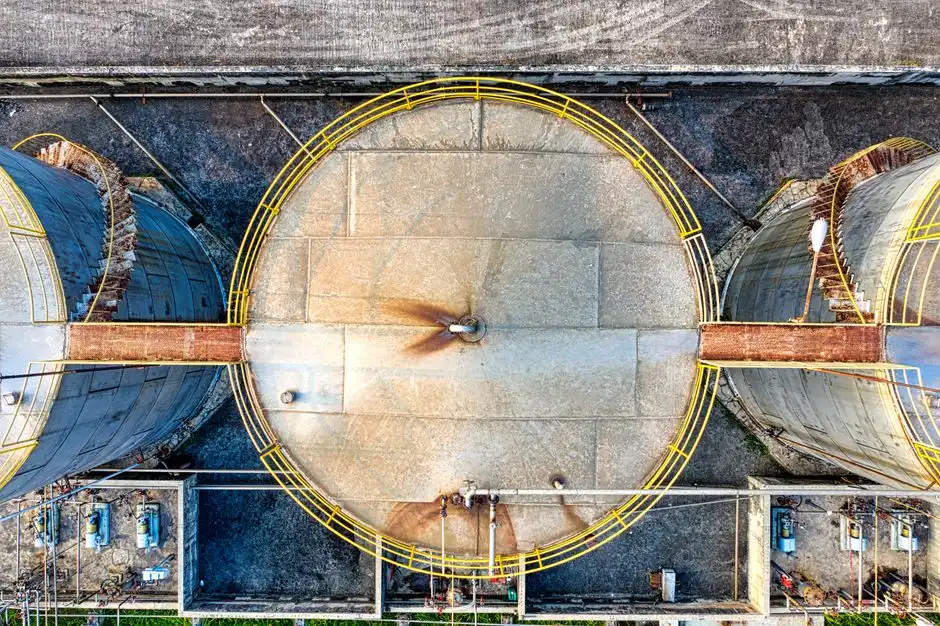
A defensible CAPEX budget for a 200 m³/day containerized MBR in 2026 lands in the $140,000–$220,000 band, broken down across equipment, freight, civil works, electrical, and commissioning. The equipment skid itself (bioreactor cassette, membrane module, blowers, control panel) typically costs $55,000–$85,000 FOB China; CIF Arica adds $8,000–$14,000 in sea freight; overland trucking from Arica or Matarani to the job site adds another $4,000–$9,000 depending on the route (La Paz vs Santa Cruz). Civil works in Bolivia run $25,000–$60,000 because reinforced concrete is expensive in landlocked markets, and electrical works (MV transformer, cabling, backup generator) add $20,000–$35,000. Commissioning and operator training close at $8,000–$15,000 if the OEM sends a commissioning engineer for 10–14 days.
OPEX is dominated by power. A well-designed MBR at 3,600 m draws 0.45–0.80 kWh/m³ versus 0.40–0.65 kWh/m³ at sea level — the 12–18% altitude penalty is real and should be modeled, not estimated. At Bolivia's industrial tariff of roughly 0.08 USD/kWh (ENDE/Valle Hermoso 2026 reference), annual power cost is $2,600–$4,700 for a 200 m³/day plant. Chemicals (NaOCl for membrane CIP, coagulant, nutrient dosing) run $0.012–$0.025/m³; budget $900–$1,800/year. Labor is typically 0.5 FTE per 1,000 m³/day, so a 200 m³/day plant needs one part-time operator plus a part-time electrician at $8,000–$12,000/year fully loaded. Membrane replacement comes every 4–5 years at $18–$28/m², so a 200 m³/day MBR with ~120 m² of membrane area should set aside $7,000–$11,000 annually in a sinking fund. Add a 12% contingency for Bolivian import duties (GA 0–10% under HS 8421/8481, plus IVA 13% recoverable for capital goods under Ley 843) and you have a budget a CFO can defend.
| Line item | Unit / basis | 200 m³/day MBR (USD, 2026) |
|---|---|---|
| MBR equipment skid (FOB China) | Lump | $55,000–$85,000 |
| Sea freight CIF Arica | Lump | $8,000–$14,000 |
| Trucking Arica/Matarani → site | 450–880 km | $4,000–$9,000 |
| Civil works (basin, slab, piping) | Lump | $25,000–$60,000 |
| Electrical + 50 kVA backup | Lump | $20,000–$35,000 |
| Commissioning & training | 10–14 days | $8,000–$15,000 |
| Duties, IVA, contingency (12%) | % of above | $14,000–$26,000 |
| Total CAPEX | $140,000–$220,000 | |
| Power OPEX | 0.45–0.80 kWh/m³ × 0.08 USD/kWh | $2,600–$4,700/yr |
| Chemicals | $0.012–$0.025/m³ | $900–$1,800/yr |
| Labor | 0.5 FTE / 1,000 m³/day | $8,000–$12,000/yr |
| Membrane replacement reserve | 4–5 yr cycle, $18–$28/m² | $7,000–$11,000/yr |
For the dosing skid, a packaged automatic chemical dosing system sized to the MBR flow will keep coagulant and NaOCl consumption inside the OPEX band above. Sludge handling downstream of the MBR typically pairs with a small plate and frame filter press for sludge dewatering to bring cake dryness to 30–35% DS.
7-Step Checklist to Vet a Wastewater Treatment Plant Supplier in Bolivia
- Confirm ISO 9001 and Bolivian or Andean reference plants. Ask for a signed water quality test report from a similar altitude site; sea-level references do not validate compliance.
- Demand altitude-corrected blower sizing curves. The supplier must show airflow (Nm³/h) corrected to local atmospheric pressure, not a generic sea-level curve.
- Verify a Spanish-speaking project manager and a regional commissioning agent. A factory engineer who only speaks Mandarin is a risk multiplier once the skid is in El Alto.
- Check spare parts inventory in South America. Diffusers, membrane cassettes, and pump seals should be deliverable in ≤14 days; if the answer is "we air-freight from Shenzhen," budget $4,000–$8,000 per downtime event.
- Insist on containerized or skid-mounted form factor. Container or skid packaging minimizes on-site civil works in Bolivia where concrete, rebar, and skilled labor are all expensive. Pre-engineered rotary mechanical bar screens sized to the MBR feed reduce headworks civil scope further.
- Confirm a 12-month performance warranty with liquidated effluent damages. The contract should bind the supplier to specific TSS/BOD numbers, not just "the plant works."
- Validate the freight route and Incoterms. Demand a CIP Arica + overland haul quote, not just FOB Shenzhen; the Arica/Paranaguá routing decision alone moves total landed cost by 8–15%.
Frequently Asked Questions
What are the maximum discharge limits for industrial wastewater in Bolivia? Bolivia's Reglamento en Materia de Contaminación Hídrica (Ley 1333) caps pH at 6.0–9.0, TSS at 60 mg/L, BOD₅ at 80 mg/L, oil and grease at 20 mg/L, and fecal coliforms at 1,000 NMP/100 mL. A properly designed MBR comfortably meets all five parameters, which is why it is the default specification for 50–2,000 m³/day industrial projects in La Paz, Oruro and Santa Cruz.
How much does altitude affect WWTP design in Bolivia? At La Paz/El Alto (3,640 m, 0.65 atm), fine-bubble diffuser oxygen transfer efficiency drops 25–35%, so blower airflow must be oversized by 20–30% to hold the same dissolved oxygen setpoint. Expect a 12–18% OPEX penalty in kWh/m³ versus a sea-level plant of the same capacity.
What does a 200 m³/day containerized WWTP cost in Bolivia in 2026? Turnkey CAPEX lands at $140,000–$220,000 delivered and commissioned, depending on civil scope and freight route. OPEX runs $11,000–$18,000/year for a well-operated plant, dominated by power at the 0.08 USD/kWh industrial tariff.
How long does it take to import a containerized WWTP from China to Bolivia? Sea freight from Shenzhen or Shanghai to Arica takes 35–45 days; customs clearance and overland trucking to the job site adds another 15–25 days. Plan for a 60–90 day logistics window after the OEM finishes FAT (factory acceptance test).