What an EGSB Reactor Actually Consumes
EGSB reactor spare parts and consumables run $0.008–$0.025 per cubic meter of treated wastewater in 2026, with annual OPEX typically $18,000–$65,000 for a 500–2,000 m³/d plant. The largest cost drivers are three-phase separator internals, effluent recycle pumps, and biogas handling valves, replaced on 18–36 month cycles.
Every EGSB (Expanded Granular Sludge Bed) reactor has four distinct consumable categories that show up on a maintenance ledger. The first is mechanical wear parts on rotating equipment — pump impellers, mechanical seals, bearing sets, and valve seats on the biogas line. The second is internal reactor components that foul, scale, or fatigue under hydraulic and biological loading: the three-phase separator cartridge, influent distribution nozzles, packing supports, and the EPDM/FKM gaskets sealing every manway. The third is instrumentation that drifts and ages — pH probes, DO probes, hydrostatic level transmitters, and pressure transmitters on the gas dome. The fourth is true consumables, used up every shift: anti-foam, nutrient blends for COD:N:P balancing, caustic for pH trim, and pump lubricants.
Equipment manufacturers treat this as a defined, recurring budget line rather than a contingency. Paques, for example, lists spare and replacement parts for existing EGSB designs as a standalone service category, which confirms the inventory above is standard across the industry. On the CAPEX side, an EGSB reactor unit (skid or field-erected) lists at USD 1,000–50,000 per set on Alibaba-sourced supplier data, giving an installed-base anchor so OPEX percentages can be sized against known capital. For chemical dosing, an automatic chemical dosing system handles the nutrient, anti-foam, and caustic feed lines on a typical 500–2,000 m³/d food or brewery plant.
Spare Parts Inventory and Unit Prices (2026)
The table below is the single most useful artifact in this article — a copy-paste bill of materials with 2026 USD unit prices and replacement intervals tied to upflow velocity, which is the dominant variable driving wear in an EGSB. Upflow velocity in EGSB designs runs 4–10 m/h versus 0.5–1.5 m/h in a conventional UASB, and that 6–8× difference is what compresses part life on every wetted component.
| Spare Part | 2026 USD Unit Price | Quantity per Reactor | Replacement Interval (4–6 m/h upflow) | Replacement Interval (8–10 m/h upflow) |
|---|---|---|---|---|
| Three-phase separator cartridge / gas-liquid-solid element | $2,800–$5,200 per set | 1 set | 24–36 months | 12–18 months |
| Effluent recycle pump mechanical seal kit | $180–$420 | 1 | 12 months | 9 months |
| Effluent recycle pump impeller (15–45 kW) | $650–$1,400 | 1 | 30 months | 22 months |
| Effluent recycle pump bearing set | $220–$380 | 1 | 24 months | 18 months |
| Influent distribution nozzle (PP or PVDF) | $40–$90 each | 20–60 | 36 months | 24 months |
| Biogas condensate trap / flame arrestor / PSV assembly | $300–$900 | 2–4 | 5 years (annual inspection) | 4 years (annual inspection) |
| pH probe (gel-filled, double junction) | $450–$900 | 1–2 | 12–18 months | 12 months |
| DO probe (optical or membrane) | $700–$1,400 | 1 | 24 months | 18 months |
| Level transmitter (hydrostatic or ultrasonic) | $1,100–$2,200 | 1–2 | 5–7 years | 5–7 years |
| EPDM / FKM gaskets on manways and inspection ports | $15–$45 each | 30–50 sites | 18–24 months | 18–24 months |
For a 1,000 m³/d brewery or food plant running 4–6 m/h upflow, the rolling 12-month spare parts spend lands at $4,200–$8,500, exclusive of energy and chemicals. The separator cartridge is the single largest line item and the one that drives the 18–36 month major service window.
Consumables Beyond Spare Parts: Chemicals and Utilities
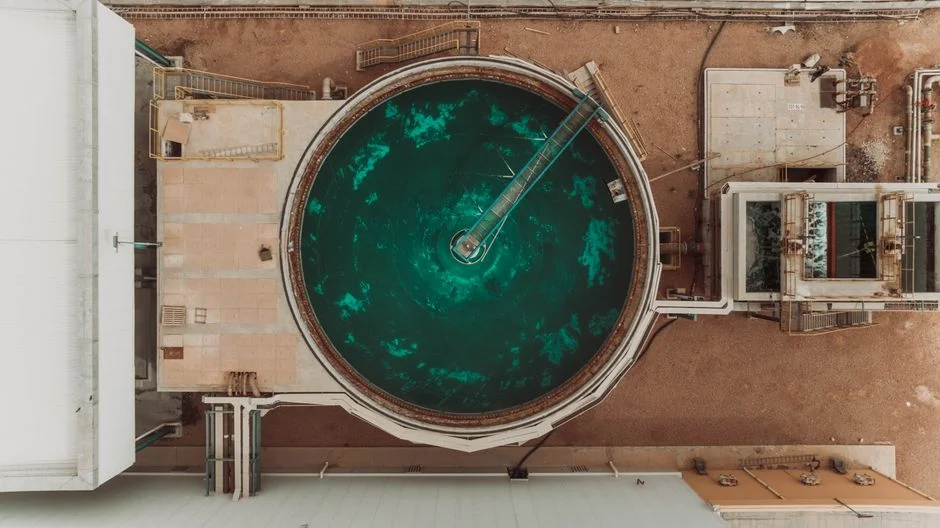
True consumables are used up each shift and must be budgeted separately from wear parts so the OPEX line item does not double-count. Anti-foam is the most variable of the four. Silicone or polyalcohol-based defoamer doses at 2–8 mg/L of influent, and at $1.80–$3.50 per kg the monthly bill runs $120–$480 for a 1,000 m³/d plant. Breweries and potato-starch lines sit at the high end of that range; pulp & paper condensate sits at the low end.
Nutrient supplementation is the second line. When industrial wastewater has a COD:N:P ratio above 250:5:1 — common in food processing and brewery effluent — operators dose urea plus diammonium phosphate (DAP) to keep the methanogens healthy. The blend prices at $0.40–$0.90 per kg and consumes $80–$260 per month at 1,000 m³/d, depending on the COD concentration and target residual nitrogen. Caustic (30% NaOH) for pH trim above 7.2 costs $0.25–$0.45 per kg and runs $60–$220 per month. All three feed streams are best handled by a dedicated automatic chemical dosing system with flow-paced control, which keeps the dose within ±5% of setpoint and prevents the kind of overdosing that drives reagent cost up by 20–30%.
Lubricants for the recycle pump and any gas-side blowers round out the consumables ledger. ISO VG 46 hydraulic or food-grade gear oil at $35–$75 per liter, with a 4 L annual changeout, adds $140–$300 to the year. None of these numbers is large on its own, but together they add $4,800–$15,200 per year to OPEX on a mid-sized EGSB — comparable to the spare parts line, and easy to miss if the budget is built around hardware alone.
Replacement Schedules Mapped to Operating Hours
A static price list is only useful if the buyer can convert it into a calendar. The maintenance schedule for an EGSB should be triggered on three signals: elapsed calendar time, cumulative operating hours on rotating equipment, and observed performance drift on instruments and hydraulics. Calendar-only schedules leave money on the table; hours-only schedules miss corrosion and biofouling that progress whether the pump is running or not.
The annual service window is 24–48 hours of planned shutdown. Inside that window, the maintenance crew replaces the recycle pump mechanical seal, calibrates pH and DO probes against buffer solutions, pulls a sample of distribution nozzles for visual inspection of biofilm and CaCO₃ scaling, and laps the biogas valve seats. The biennial major service runs 60–120 hours and is where the three-phase separator cartridge is pulled, pressure-washed, and reinstalled — or replaced if the fiberglass element shows blistering or the demister pads are blinded. All gaskets on manways and inspection ports are replaced at this service. Instruments that have drifted outside manufacturer tolerance (typically ±0.1 pH units or ±5% of full scale on DO) are also swapped.
The 5–7 year overhaul is the line item that justifies a capital reserve. The recycle pump is rebuilt or replaced, the biogas line receives a full visual and ultrasonic thickness inspection, and the separator cartridge is replaced outright rather than cleaned. Observed-drift triggers sit alongside the calendar: if the recycle pump motor current rises more than 8% from its commissioned baseline, the impeller is likely partially blinded with grit and should be pulled within 30 days regardless of where it sits in the cycle. Operators who log amp draw, pH drift, and biogas flow weekly can extend probe life by 25–30% over a calendar-driven program without any compliance risk.
5-Year Lifecycle Cost: EGSB vs UASB vs IC
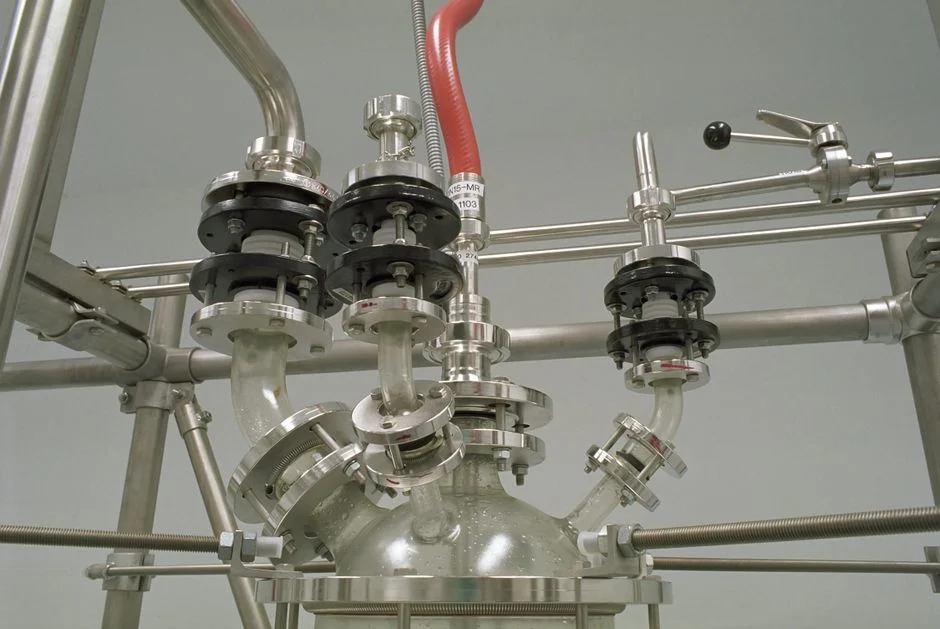
The 5-year TCO comparison is what a procurement engineer actually needs to defend a technology choice in a CAPEX review. All three reactors — EGSB, UASB, and IC (Internal Circulation) — achieve 60–85% COD removal on food, brewery, and pulp & paper effluent, but they spend very differently over the lifecycle.
| Cost Element (500 m³/d, 5 years) | EGSB | UASB | IC |
|---|---|---|---|
| Spare parts (separator, pumps, nozzles, gaskets) | $58,000–$92,000 | $32,000–$58,000 | $48,000–$78,000 |
| Consumables (chemicals + lubricants) | $28,000–$48,000 | $28,000–$48,000 | $26,000–$44,000 |
| Recycle pump energy (5 yr) | $42,000–$68,000 | N/A (no recycle) | N/A (internal circulation) |
| Forced sludge replacement events | $0–$15,000 | $45,000–$90,000 (1–2 events) | $0–$12,000 |
| Civil works height premium | Baseline (15–20 m) | Baseline (8–12 m) | +8–12% CAPEX (20–25 m) |
| 5-year cumulative OPEX | $185,000–$310,000 | $240,000–$385,000 | $155,000–$260,000 |
EGSB lands 20–35% below UASB on 5-year OPEX because UASB's lower upflow velocity invites channeling and dead zones, which forces full-reactor sludge replacement every 3–4 years at $45,000–$90,000 per event — that line item alone exceeds the entire EGSB spare parts budget for the same period. IC comes in 10–15% below EGSB because its internal circulation design eliminates the external recycle pump, saving $42,000–$68,000 in energy and seal wear over five years, but the taller civil structure (20–25 m vs EGSB 15–20 m) adds 8–12% to CAPEX. For loads above 1,000 m³/d the 5-year TCO of all three reactors usually lands within 5%, so the deciding factors become footprint, effluent quality tolerance, and operator skill level rather than pure cost.
Cutting EGSB OPEX by 20–30% Without Risking Compliance
Four moves consistently deliver 20–30% OPEX reduction on an EGSB without putting effluent quality at risk. The first is stocking a 4–6 item critical spares kit on site — one separator cartridge, one pump seal kit, one set of gaskets, one pH probe, one DO probe, and one set of distribution nozzles. Plants that hold this kit cut unplanned downtime from roughly 72 hours per year to under 8 hours per year, which saves $15,000–$40,000 per year in lost treatment capacity and avoided emergency freight surcharges on expedited spares.
The second is running the recycle pump on a VFD at 60–75% of nominal speed during off-peak hydraulic load. EGSB reactors are designed for peak flow, but most food and brewery plants run at 40–60% of design flow for 12–18 hours per day. Slowing the pump during those windows cuts energy consumption and seal wear by 25–35% with no measurable impact on upflow velocity or COD removal. The third is moving from time-based to condition-based probe replacement using calibration drift logs — operators who track slope and offset weekly can extend probe life by approximately 30% and avoid both premature replacement and the compliance risk of a probe that has been reading false-steady for months.
The fourth is locking 2026 pricing on separator cartridges and seal kits through a 3-year framework agreement with the OEM. EGSB spare parts prices have moved 4–7% per year over the last three cycles, and a multi-year agreement freezes the line item against 2027–2028 inflation while guaranteeing allocation when other plants in the region are scrambling. A useful cross-check on these numbers is the CASS process maintenance cost benchmark, which gives a comparable aerobic-system reference point for the same year. For plants also tracking aerobic polishing, the food processing wastewater OPEX breakdown ties EGSB anaerobic OPEX to total plant OPEX.
Frequently Asked Questions
What is the average annual maintenance cost of an EGSB reactor?
For a 500–2,000 m³/d food, brewery, or pulp & paper plant, EGSB annual maintenance runs $18,000–$65,000 in 2026 USD, or $0.008–$0.025 per cubic meter treated. The range spans plants with light spare parts holding (low end) and plants running at 8–10 m/h upflow with full OEM service contracts (high end).
Which EGSB spare part fails most often?
The recycle pump mechanical seal is the highest-frequency wear item, replaced every 9–12 months. The three-phase separator cartridge is the highest-cost wear item, replaced every 12–36 months depending on upflow velocity and influent scaling tendency.
Can EGSB consumables OPEX be compared directly to UASB or IC?
Only after normalizing for sludge replacement events and recycle pump energy. UASB OPEX is 20–35% higher over a 5-year window because of forced sludge pulls; IC OPEX is 10–15% lower because the recycle pump is eliminated. The same comparison framework is used in the electrodialysis spare parts cost benchmark for downstream polishing steps.
How long does a three-phase separator cartridge last?
24–36 months at 4–6 m/h upflow and 12–18 months at 8–10 m/h upflow. Plants with high Ca²⁺ or fat-oil-grease loading may see the low end of the range even at moderate upflow velocity.
What is the minimum spare parts kit to keep on site?
Six items: one separator cartridge, one recycle pump seal kit, one set of manway gaskets, one pH probe, one DO probe, and one full set of influent distribution nozzles. This kit is the difference between an 8-hour recovery and a 72-hour recovery after an unplanned failure, and pays for itself in under 18 months on most 1,000 m³/d plants.
Related Equipment
- DAF pre-treatment unit — specifications, capacity range, and technical data