How Much Does a Thai Industrial ETP Cost in 2026?
Industrial wastewater treatment cost in Thailand in 2026 ranges from ฿2.8M to ฿45M CAPEX for a 50–500 m³/day plant, with OPEX of ฿8–25/m³. Food and palm oil plants sit at ฿2.8–8M; electronics and electroplating trains with MBR + RO reach ฿25–45M. BOI A2 waste-treatment activities can receive up to 8 years of CIT exemption when legal effluent limits are met.
The ฿10M question every Rayong factory manager asks is the same: "Why does the Thai fabricator quote ฿15M when the Chinese OEM says ฿9M for the same flow?" The sticker number conceals five cost drivers. Until you decompose the bid against those drivers, you cannot tell whether the cheap quote is value engineering or a corner cut that will fail the PCD performance test at commissioning.
What Drives Wastewater Treatment Cost in Thailand
Five variables explain roughly 80% of the variance between competing ETPs of identical flow: daily influent volume (m³/day), influent organic strength (COD/BOD in mg/L), target effluent quality, available land footprint, and automation level. Earlier industry guidance often cited Ministry of Industry Notification B.E. 2543 floors of BOD ≤20 mg/L, COD ≤120 mg/L, and TSS ≤50 mg/L. According to the Pollution Control Department briefing compiled by WEPA (2025), the Ministry of Natural Resources and Environment industrial effluent notification effective 6 June 2017 keeps those same BOD ≤20 mg/L, COD ≤120 mg/L, TSS ≤50 mg/L, and pH 5.5–9.0 limits for general industrial discharge — any plant that misses these numbers at the discharge manhole fails the permit test.
Influent strength is the single largest cost driver and the easiest to mis-quote. A seafood processor in Samut Sakhon generating 1,800 mg/L BOD with high FOG is a different project from a hard-disk drive assembly plant in Sriracha running 400 mg/L COD with trace copper. The food plant typically needs DAF equipment for FOG and suspended solids removal plus a biological step, while the electronics plant can often move directly into an MBR membrane bioreactor system for reuse-quality effluent. Once influent COD crosses 5,000 mg/L — typical for palm oil mills, distilleries, and concentrated food lines — anaerobic pre-treatment (UASB or IC) becomes mandatory, and CAPEX roughly doubles versus a <1,000 mg/L low-strength influent at the same flow.
Most plants we size for mid-tier EEC factories run at the lower end of each CAPEX band when sludge dewatering is left out of Phase 1 — then pay the gap at year two. The Aksaray industrial WWTP modeling study (Nature Scientific Reports, 2024) makes the same point from the operator side: in developing industrial economies, plant owners invest in performance-modeling tools because OPEX over 5–10 years is 2–4× the CAPEX. A buyer who evaluates bids only on sticker price is buying a problem when the electricity bill arrives at year three.
OPEX benchmarks for 2026 in Thailand cluster at ฿8–25/m³ across flow tiers, broken down approximately as: energy 35% (dominated by aeration blowers at 0.8–1.2 kWh/m³), chemicals 25%, labor 20% (typically 1.5–2.0 FTE per shift per 200 m³/day), sludge handling 15%, and consumables/membrane replacement 5%.
| Cost Driver | Low-Cost Configuration | High-Cost Configuration | CAPEX Impact |
|---|---|---|---|
| Influent COD | <1,000 mg/L (electronics, pharma rinse) | >5,000 mg/L (food, palm oil, distillery) | +80–120% |
| Flow rate | 50 m³/day (single skid) | 500 m³/day (multi-train, civil works) | +700–900% |
| Effluent target | PCD BOD ≤20 mg/L (discharge) | Reuse-quality (TDS <50 mg/L for UPW make-up) | +60–100% |
| Land footprint | Spare land, civil lagoon OK | EEC estate at ฿3,500–6,000/m², vertical integration | +15–25% (forces MBR) |
| Automation level | Manual valves, basic PLC | Full Siemens/Mitsubishi SCADA, remote monitoring | +10–20% |
CAPEX Benchmarks by Flow Rate in 2026
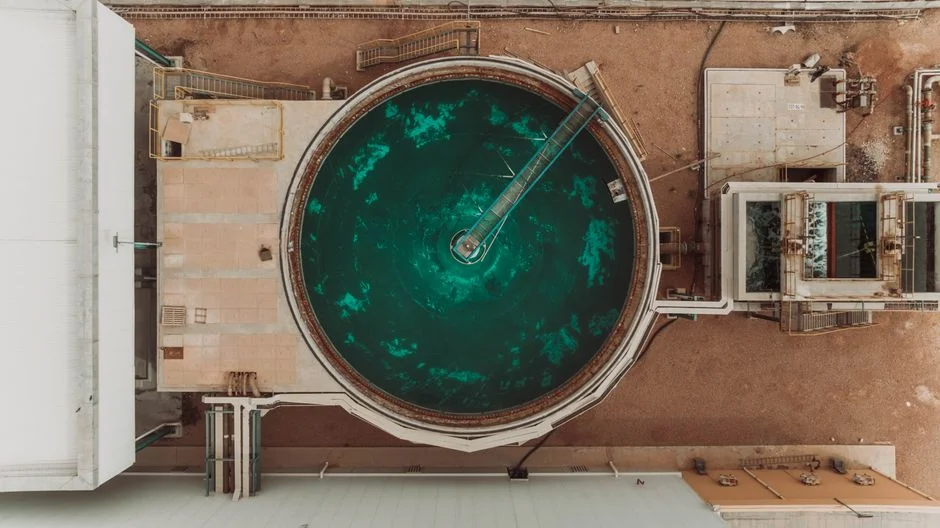
The 2026 CAPEX envelope for a complete turnkey ETP in Thailand — civil works, process skids, instrumentation, and one year of commissioning spares — clusters into four flow tiers. A 50 m³/day plant suitable for a small food processor or metal-finishing job shop lands at ฿2.8–6M. A 100 m³/day plant, the most common size in EEC mid-tier factories, runs ฿5–12M. A 200 m³/day plant, the typical Rayong automotive parts or electronics line, sits at ฿10–22M. A 500 m³/day plant, the scale seen in textile mills and large food conglomerates, reaches ฿22–45M.
Inside each tier a ±40% spread is normal and is driven by three decisions: tankage material (SS304 vs SS316 vs epoxy-coated carbon steel), PLC brand (Siemens or Mitsubishi vs a domestic Thai PLC), and whether sludge dewatering is included. A ฿10M quote for 200 m³/day that does not include a plate and frame filter press for sludge dewatering is functionally a ฿12–13M plant with a hidden ฿2–3M Phase 2 add-on. Always ask for the sludge line priced explicitly.
The "too cheap" red flag in 2026 Thailand is any quote below ฿2.5M for 50 m³/day. At that price, the vendor has typically omitted tertiary chlorination, the chemical dosing skids, backup power for the blowers, or the PCD performance-test documentation package. The factory pays the gap at commissioning when PCD rejects the discharge permit application. A 15–25% CAPEX advantage versus Thai local fabricators is realistic for skid-mounted pre-engineered units shipped as complete modules from Chinese OEMs, but anything beyond that should trigger a scope audit, not a celebration.
| Flow Tier | CAPEX Range (THB, 2026) | Typical Industry Fit | Process Train |
|---|---|---|---|
| 50 m³/day | ฿2.8–6M | Small food, electroplating job shop | DAF + SBR / MBBR |
| 100 m³/day | ฿5–12M | Mid-tier EEC factory, textile dye house | UASB + SBR or MBR |
| 200 m³/day | ฿10–22M | Electronics, automotive parts, seafood | MBR (optionally +RO) |
| 500 m³/day | ฿22–45M | Textile mill, large food conglomerate, palm oil | Multi-train MBR + RO + sludge dewatering |
What Does a Chonburi Industrial ETP Project Cost?
Chonburi industrial ETP projects in the EEC corridor typically land in the ฿5–22M CAPEX band for 100–200 m³/day mid-tier factories, with OPEX of ฿9–22/m³ depending on whether the train stops at biological discharge or adds MBR+RO for reuse. Chonburi estates often price land high enough that footprint pressure alone pushes buyers from ASP toward MBR even when influent COD is modest.
A 100 m³/day food or textile dye house on a Chonburi estate usually quotes ฿5–12M for UASB + SBR or MBR when sludge dewatering is in scope. A 200 m³/day electronics or automotive-parts line in the same province more often sits at ฿10–22M, or ฿20–28M if RO polishing is required for closed-loop rinse water. Build PCD discharge-permit lead time of 4–8 months into the Chonburi schedule from day one; most plants we commission there lose calendar months when documentation packages arrive late.
How should a Chonburi buyer compare local vs imported bids?
Chonburi buyers should compare bids on five line items first: tankage material, PLC brand, sludge dewatering, chemical dosing skids, and the PCD performance-test documentation package. A 15–25% CAPEX gap versus a Thai fabricator is common for Chinese skid-mounted modules at identical flow. Gaps larger than that usually mean missing tertiary chlorination, backup blower power, or sludge handling — costs that reappear at commissioning.
OPEX Breakdown: Where Every Baht Per Cubic Meter Goes
For a typical 200 m³/day Thai industrial ETP, OPEX in 2026 runs ฿9–13/m³ for ASP/SBR and ฿15–22/m³ for MBR+RO trains. The per-line breakdown matters because it tells the EHS director which levers they can actually pull in front of the CFO.
Energy (35% of OPEX). Aeration blowers dominate the electricity line at 0.8–1.2 kWh per m³ treated, with peak demand hitting during the high-load morning shift of a food plant. At the MEA industrial tariff of approximately ฿4.0–4.5/kWh in 2026, this single line item is ฿3.2–5.4/m³ before any optimization. VFD-controlled blowers with dissolved-oxygen cascade loops typically cut this by 20–30%, and the methodology is detailed in our aeration energy cost optimization strategies guide.
Chemicals (25% of OPEX). PAC coagulant, polyacrylamide flocculant, pH adjuster (typically NaOH or H₂SO₄), and CIP chemicals for membrane trains. A well-designed DAF + lamella clarification step reduces polymer dose by 30% versus conventional settling because the micro-bubbles carry floc out before it settles and re-suspends. Annual chemical cost for a 200 m³/day food plant runs ฿600K–1.2M in 2026.
Labor (20% of OPEX). A typical Thai plant of 200 m³/day runs 1.5–2.0 FTE per 8-hour shift, so 4.5–6.0 FTE total across three shifts at an all-in cost of ฿25,000–35,000/month per operator in 2026 (THB ฿1.5–4/m³ treated). Cross-reference the 2026 labor benchmark methodology for the per-m³ derivation.
Sludge handling (15% of OPEX). Filter press cake disposal to a licensed industrial landfill runs ฿1,200–1,800/tonne in 2026, and a 200 m³/day food plant at 1.5% solids concentration in the waste activated sludge generates 3–6 tonnes of cake per day. Filter press cloth replacement cycles and unit costs are covered in the 2026 filter press cloth replacement cost data.
Membrane and consumables (5% of OPEX). MBR membranes typically require replacement every 5–7 years at ฿1,800–2,500/m² installed. For a 200 m³/day MBR plant, a single replacement cycle is ฿2.5–4M amortized over the membrane life, which works out to roughly ฿0.5–1.0/m³ on average.
Cost by Industry: Food, Electronics, Textile, Palm Oil, Electroplating
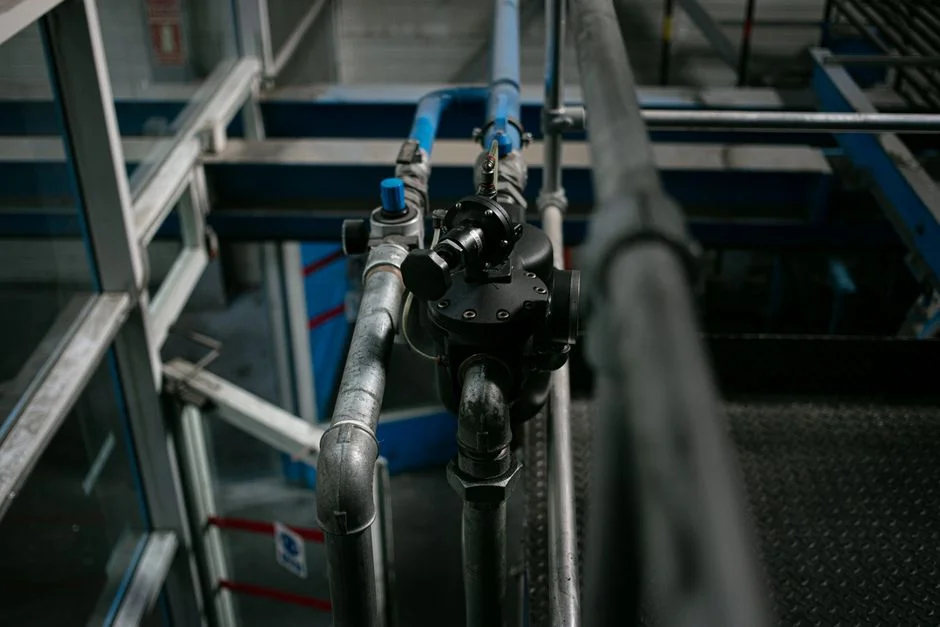
Two factories on the same EEC industrial estate with the same flow rate can have CAPEX numbers that differ by 3–4× once the influent character is factored in. The industry-segmented table below is the real procurement reference for Thai ETP buyers.
Food processing (BOD 800–2,500 mg/L, FOG 200–600 mg/L) is the highest-volume segment in Thailand — seafood, dairy, starch, and ready-meal plants dominate. A DAF + SBR train handles this profile well, and CAPEX for 50–100 m³/day runs ฿3–7M with OPEX at ฿8–12/m³. DAF is the workhorse for FOG and suspended solids removal upstream of the biological step.
Electronics and semiconductor (COD 200–800 mg/L, trace heavy metals) requires reuse-quality effluent because the fabs feed the treated water back into ultrapure water make-up. A complete train of MBR + RO + chemical dosing and reclaim costs ฿25–45M for 200–500 m³/day, with OPEX at ฿18–25/m³ driven by membrane replacement and RO concentrate disposal.
Textile dyeing (COD 1,500–5,000 mg/L, high color, high salinity) needs anaerobic UASB + aerobic polishing + decolorization, with CAPEX at ฿8–18M for 200 m³/day. UASB OPEX benchmarks sit at $0.04–$0.18/m³ for the anaerobic stage alone.
Palm oil mill effluent (POME) is the extreme case at COD 15,000–25,000 mg/L and very high BOD — typically handled by covered lagoon or UASB with aerobic polishing. CAPEX for 100–300 m³/day runs ฿6–14M, but OPEX is high because sludge pumping and biogas handling dominate the operating cost. POME is also the strongest candidate for biogas-to-energy offset, which can reduce net OPEX by 20–35%.
Electroplating (heavy metals, pH extremes, cyanide traces) requires chemical precipitation + ion exchange or RO. CAPEX is ฿15–30M for 100 m³/day because chromium reduction, cyanide destruction, and multi-stage metal recovery drive equipment count. This is the highest-stakes segment from a PCD permitting perspective — heavy-metal discharge violations are the single most common cause of factory shutdown orders in Thailand.
| Industry | Influent Profile | Process Train | CAPEX (50–200 m³/day) | OPEX (฿/m³) |
|---|---|---|---|---|
| Food processing | BOD 800–2,500 mg/L, FOG 200–600 mg/L | DAF + SBR | ฿3–7M (50–100 m³/d) | 8–12 |
| Electronics / semiconductor | COD 200–800 mg/L, trace metals | MBR + RO + dosing | ฿25–45M (200–500 m³/d) | 18–25 |
| Textile dyeing | COD 1,500–5,000 mg/L, high color | UASB + aerobic + decolor | ฿8–18M (200 m³/d) | 10–14 |
| Palm oil mill | COD 15,000–25,000 mg/L | UASB / covered lagoon + polish | ฿6–14M (100–300 m³/d) | 9–13 (before biogas offset) |
| Electroplating | Heavy metals, Cr, CN, pH extremes | Chem precip + IX or RO | ฿15–30M (100 m³/d) | 20–30 |
Process Train Comparison: Why MBR Costs More (and When It Pays Back)
The choice between ASP, SBR, MBR, and MBR+RO for a 200 m³/day Thai plant is not a technology preference — it is a payback calculation tied to land cost, water tariff, and reuse revenue. The four trains break down as follows.
Conventional activated sludge with clarifier is the cheapest baseline at ฿10–13M CAPEX and ฿9–12/m³ OPEX, but it requires 2,000–3,000 m² of footprint. SBR (sequencing batch reactor) runs ฿11–14M and ฿8–11/m³ with similar footprint to ASP. MBR membrane bioreactor systems for reuse-quality effluent cost ฿13–17M and ฿10–13/m³, but the footprint is 60% smaller — which matters in Rayong where industrial land runs ฿3,500–6,000/m², translating to ฿7–18M of land saving at the ETP scale. Adding RO polishing pushes the package to ฿20–28M CAPEX and ฿15–22/m³ OPEX, but it enables 60–80% water recovery suitable for closed-loop rinsing or cooling-tower make-up.
MBR adoption in Thailand is accelerating in electronics and pharmaceutical sub-sectors as the reuse value case strengthens, and broader MBR market dynamics in Southeast Asia are tracked in our MBR market growth data and adoption drivers in Southeast Asia brief. For comparison with similar industrializing markets, the 2026 industrial wastewater treatment cost benchmarks in other developing industrial markets give useful regional context.
The payback math at 2026 Thai industrial water tariffs of ฿25–45/m³ from Provincial Waterworks Authority is straightforward: RO polishing adds ฿7–11M to CAPEX but allows 60–80% water recovery on a 200 m³/day plant, which is 110–160 m³/day of avoided purchase at ฿25–45/m³ — that's ฿1.0–2.6M/year in saved water cost alone, giving a 2.5–4-year payback on the RO premium before counting discharge fee savings and risk reduction.
| Process Train (200 m³/day) | CAPEX | OPEX (฿/m³) | Footprint (m²) | Reuse Potential | Payback Driver |
|---|---|---|---|---|---|
| ASP + Clarifier | ฿10–13M | 9–12 | 2,000–3,000 | None | Lowest CAPEX |
| SBR | ฿11–14M | 8–11 | 1,800–2,500 | Limited | Flexible operation |
| MBR | ฿13–17M | 10–13 | 700–1,200 | Yes (rinsing / cooling) | Land saving + reuse |
| MBR + RO | ฿20–28M | 15–22 | 900–1,400 | 60–80% recovery (UPW make-up) | 2.5–4 yr at 2026 water tariff |
Thailand 2026 Regulatory and Tax Context
PCD industrial discharge standards under the MoNRE notification effective 6 June 2017 (still the operative floor in 2026) require BOD ≤20 mg/L, COD ≤120 mg/L, TSS ≤50 mg/L, and pH 5.5–9.0 for general industrial discharge, matching the long-cited Ministry of Industry B.E. 2543 numerical floors. Plants discharging directly to a natural water body face tighter limits — BOD ≤15 mg/L, COD ≤100 mg/L — and need tertiary polishing. The PCD wastewater discharge permit typically takes 4–8 months to issue; the factory permit under มอก. runs 6–12 months. Build both into the project schedule from day one, not at commissioning.
Earlier buyer guides often framed BOI Activity Group 3.2 environmental machinery as an 8-year CIT exemption that can offset 30–60% of net CAPEX for ETP skids, MBR modules, DAF units, and filter presses if pre-approved and installed before end-2027. According to Thailand Board of Investment water-management materials, Activity 7.1.12 / 7.1.1.2 waste treatment or disposal is classified A2 with 8 years of CIT exemption when the project uses modern technology, meets legal effluent standards, and generates revenue through treatment service fees (BOI). Eastern Seaboard (EEC) factories can layer BOI incentives with EEC privileges. For a ฿20M MBR+RO train, that net relief can still reach ฿6–12M on eligible promoted activity income — larger than the entire civil works budget for a 200 m³/day plant. Procurement managers who fail to confirm the applicable activity code before signing the PO leave that money on the table.
Who This Is For / Next Step
This guide is for EHS directors, plant engineers, and procurement managers sizing a 50–500 m³/day industrial ETP in Thailand, especially in Rayong, Chonburi, and other EEC estates. Buyers who only need a municipal package plant or a laboratory-scale pilot should look elsewhere. Before you lock a vendor, run this checklist: confirm influent COD/BOD and FOG with 7-day composite samples; price sludge dewatering as a separate line; demand the PCD performance-test documentation package in the bid; verify BOI activity code eligibility; and compare energy at 0.8–1.2 kWh/m³ aeration against the quoted OPEX. If you need a scoped CAPEX/OPEX band for your flow and influent, request a Thailand ETP quote with your m³/day and COD profile.
Frequently Asked Questions
What is the cheapest industrial wastewater treatment system for a small Thai factory?
A 50 m³/day packaged DAF + biofilm contact oxidation unit for a small food or metal-finishing plant runs ฿2.8–4M CAPEX in 2026, with OPEX at ฿8–10/m³. This configuration handles BOD up to about 1,500 mg/L and FOG to 400 mg/L. It cannot meet reuse-grade effluent without adding MBR or RO polishing downstream.
How much does a 200 m³/day ETP cost in Thailand?
A 200 m³/day plant in 2026 anchors at ฿10–22M CAPEX and ฿9–13/m³ OPEX for a conventional biological train. With MBR+RO for water reuse, expect ฿20–28M CAPEX and ฿15–22/m³ OPEX. The wide CAPEX band reflects scope choices on tankage material, PLC brand, and whether sludge dewatering is in the bid.
Is foreign Chinese ETP equipment accepted by Thai PCD?
Yes. PCD accepts imported equipment when the supplier delivers English-language operating manuals, ISO 9001 certification, a factory acceptance test certificate, and a performance warranty matching the discharge limits. Thai-fabricated origin is not required. Incomplete documentation is what stalls the permit review.
What is the BOI tax break for wastewater treatment equipment in 2026?
BOI classifies qualifying waste treatment or disposal activities as A2 with up to 8 years of CIT exemption when modern technology is used and legal effluent standards are met. Earlier guidance also cited environmental-machinery promotion with install-by end-2027 windows. Confirm the exact activity code and filing sequence with BOI before the purchase order, because on-site factory ETPs and central treatment-service projects do not always share the same incentive path.
How long does an industrial ETP installation take in Thailand?
A 200 m³/day ETP typically takes 6–10 months from PO to PCD performance test acceptance, including civil works (2–3 months), equipment erection (1–2 months), commissioning (1–2 months), and the PCD performance verification test (1–2 months). Permit lead times run in parallel: factory permit 6–12 months and PCD discharge permit 4–8 months. A realistic timeline from board approval to discharge permit in hand is 12–18 months.