When an Anaerobic Digester Makes Sense in 2026
An anaerobic digester (AD) is an oxygen-free biological reactor that converts dissolved organics in industrial wastewater into biogas (60–70% methane), treated effluent, and a stabilized biosolid called digestate. In a 2026 industrial setting the reactors you will actually be quoted on are the UASB (Upflow Anaerobic Sludge Blanket), EGSB (Expanded Granular Sludge Bed), IC (Internal Circulation), and CSTR (Continuously Stirred Tank Reactor) — each optimized for a different OLR band and influent profile. The technology is mature but not universal: roughly 30% of industrial AD projects underperform design because the influent envelope was screened incorrectly (HydropureWater field data, 2026).
Use this pre-screen before talking to vendors. AD is a fit when influent COD exceeds 2,000 mg/L, BOD/COD ratio is above 0.4, temperature sits in the 20–55°C mesophilic-to-thermophilic window, sulfate is below 200 mg/L, and toxicants (heavy metals, cyanides, solvents) are negligible. This is the same envelope referenced in the 2026 UASB operating cost benchmark. Self-screen with the two numbers that matter most: 60–90% COD removal across UASB/IC/EGSB designs, and a methane yield of 0.30–0.50 m³ CH₄ per kg COD removed.
AD is the wrong primary treatment when the stream is high-sulfate — food and beverage plants that use H₂SO₄ for cleaning will see sulfate-reducing bacteria outcompete methanogens and produce H₂S instead of CH₄, corroding CHP engines and fouling gas piping above 50 mg/L H₂S. High-nitrogen streams (livestock, landfill leachate) trip free ammonia toxicity above ~1,700 mg/L NH₃-N. In both cases the influent needs pretreatment or a different biology altogether.
Core Advantages of Anaerobic Digestion
Anaerobic digestion wins on energy, sludge, greenhouse-gas capture, and pathogen reduction. Quantify each before procurement so the value is sized against the plant, not asserted in vendor slides.
Energy recovery. A working digester yields 0.30–0.50 m³ CH₄ per kg COD removed, and 1 m³ of methane carries 35.8 MJ of thermal energy — equivalent to 9.9 kWh. For a 5,000 mg/L COD brewery stream flowing at 1,000 m³/d that is 7,500–12,500 m³ CH₄ per day, which sizes a 2–3 MW combined-heat-and-power (CHP) unit. At Chinese industrial electricity tariffs in 2026, that biogas offsets $1,500–$2,800/day on the energy line.
Sludge reduction. AD achieves 70–90% volatile-solids destruction versus aerobic activated sludge, which leaves biosolids stabilized rather than just thickened. The downstream dewatering step is where the savings show up: a plate and frame filter press for digestate dewatering handling AD biosolids runs lighter cycles than one fed waste-activated sludge, because the volatile fraction has already been mineralized. Net biosolids off-site for disposal typically drop by a factor of 5–10 against an equivalent aerobic plant.
Greenhouse-gas capture. Open anaerobic lagoons release methane uncontrolled. A covered digester combusts the same carbon to CO₂, cutting GHG intensity by 4–6 kg CO₂e per kg CH₄ captured (GWP₁₀₀ = 28, per IPCC AR6). For a 2 MW CHP displacing grid power at 0.5 kg CO₂e/kWh, the avoided emissions are 8,760 t CO₂e/yr — material for any Scope 1+2 reduction plan.
Pathogen reduction. Mesophilic AD at 35°C with a 15–20 day hydraulic retention time achieves 1–2 log reduction of fecal coliforms, meeting US EPA 503 Class B and EU 1069/2009 biosolids reuse criteria for many applications. Thermophilic operation (55°C) pushes the log reduction toward 3–4 and is the route to Class A.
Nutrient recovery. The liquor pressed from digestate carries 800–2,500 mg/L NH₄-N and is amenable to struvite precipitation or ammonia stripping — a circular-economy add-on that turns a disposal line into a fertilizer revenue stream when local agronomic demand exists.
The Real Disadvantages: Where Anaerobic Digestion Loses
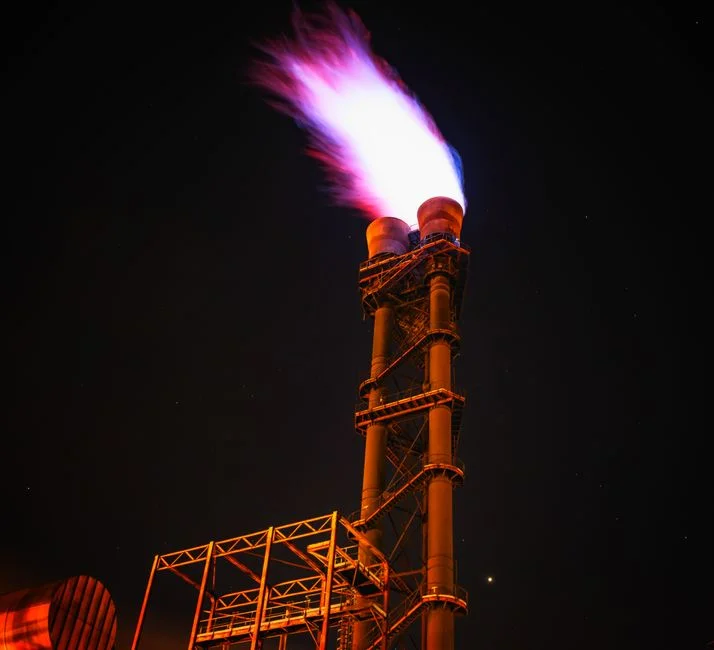
The failure modes are not theoretical — they are why roughly one in three industrial AD projects misses design COD removal (HydropureWater field data, 2026). Name them before signing the PO.
Capital expenditure. Industrial UASB/IC/EGSB reactors in 2026 run $200–$800 per m³ of reactor volume, driven by reactor type (UASB at the low end, IC and EGSB at the high end) and material selection (concrete versus coated carbon steel). That is the bare vessel. Add the gas holder, H₂S scrubber, CHP or boiler, control panel, and civil works, and the total installed plant CAPEX lands at 1.5–2× the reactor quote.
Operational sensitivity. Methanogenic archaea are the most fragile population in the food chain. Free ammonia above ~1,700 mg/L NH₃-N is inhibitory; sulfate above 200 mg/L drives sulfate-reducing bacteria that outcompete the methanogens and emit H₂S. Above 50 mg/L gas-phase H₂S the CHP engine warranty is at risk, and a biological or iron-sponge scrubber needs to be in the gas train from day one.
Temperature. Mesophilic operation at 30–38°C is the engineering default; thermophilic (50–55°C) is feasible but operationally tighter. Anything below 20°C is still pilot-scale in 2026 and demands HRT above 40 days and a reactor volume that erodes the project economics.
Startup. Plan on 8–12 weeks of phased biomass acclimation. Operators must hold COD loading below 30% of design for the first 30 days, and an external inoculum (typically 10–20% v/v digested sludge from a working plant) is non-negotiable for fast-reactor types like IC and EGSB. There is no shortcut that does not show up as foaming or washout in month four.
Residual digestate. AD cuts sludge mass; it does not eliminate the handling line. Digestate leaves the reactor at 2–5% dry solids and still requires thickening and dewatering — a plate and frame filter press for digestate dewatering is the workhorse, typically pushing cake to 20–25% DS. Budget for that equipment and its polymer consumption.
Effluent polishing. Anaerobic effluent still carries 200–800 mg/L residual COD and elevated NH₄-N. An MBR polishing system for anaerobic effluent is the 2026 norm for discharge compliance — AD is a primary treatment, not a complete one.
Anaerobic vs Aerobic Treatment: Parameter Comparison
The right primary biology is rarely a religion — it is a parameter match. Aerobic activated sludge wins on effluent quality; anaerobic digestion wins on net energy and sludge mass. Most 2026 industrial plants run anaerobic as the primary stage and a membrane or activated-sludge polisher downstream. The table below uses the operating bands the design team will actually be working with.
| Parameter | Aerobic (Activated Sludge / MBR) | Anaerobic (UASB / IC / EGSB) |
|---|---|---|
| COD removal efficiency | 85–95% | 60–90% |
| BOD removal | >95% | 70–90% |
| Sludge yield (kg DS / kg COD removed) | 0.30–0.50 | 0.02–0.10 |
| Net energy balance (kWh / m³ treated) | −0.30 to −0.60 (consumer) | +0.10 to +0.40 (net producer) |
| Footprint (m² / (m³·d) treated) | 0.05–0.15 | 0.02–0.06 |
| Reactor CAPEX ($ / m³ volume) | $80–$250 | $200–$800 |
| Suitable influent COD (mg/L) | 500–5,000 | 2,000–50,000 |
| Methane yield (m³ CH₄ / kg COD removed) | 0 | 0.30–0.50 |
The crossover point where anaerobic beats aerobic on lifecycle cost is roughly 2,500–3,000 mg/L influent COD at >20°C and <200 mg/L sulfate (HydropureWater field data, 2026). Below that band, an aeration energy cost optimization guide review on the existing aerobic plant usually beats new anaerobic CAPEX.
2026 CAPEX and OPEX Reality Check
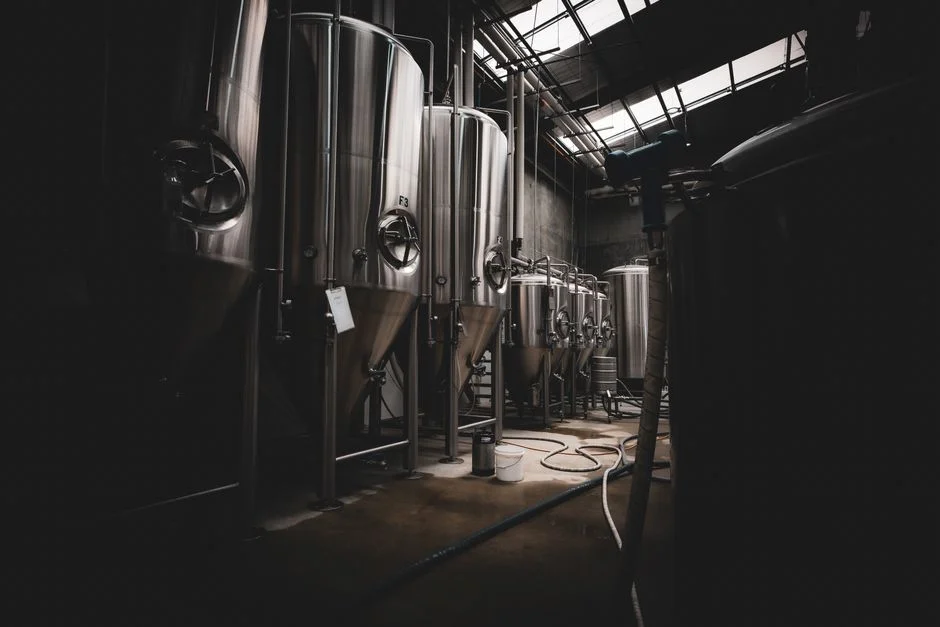
The 2026 industrial cost band for anaerobic systems is wide because the scope is wide. Use the table below to set a defensible internal budget before approaching suppliers — anything materially under these numbers is either a stripped scope or an unrealistic performance guarantee.
| Cost line | 2026 industrial range (UASB / IC / EGSB) | Notes |
|---|---|---|
| Reactor CAPEX ($/m³ volume) | $200–$800 | UASB low end; IC and EGSB high end; concrete vs coated carbon steel drives the spread |
| Total installed plant CAPEX | 1.5–2× bare reactor | Includes civil, gas holder, CHP/boiler, scrubber, controls |
| OPEX ($/m³ treated) | $0.04–$0.18 | Per the 2026 UASB operating cost benchmark |
| Biogas energy offset | 40–70% of energy OPEX | Food, brewery, and pulp streams with CHP utilization |
| Payback (COD >5,000 mg/L, CHP used) | 3–6 years | High-strength streams with on-site heat demand |
| Payback (COD 2,000–3,000 mg/L) | 8–12 years | Borderline economics; check aerobic retrofit first |
| Payback (COD <2,000 mg/L) | Rarely <10 years | Aerobic typically wins on lifecycle cost |
The cost driver most often missed is civil work — reactor foundations, gas-holder base slab, and control-room buildout can add 25–40% to the bare reactor quote on a green-field site. Get it itemized in the vendor proposal, not lumped into a "site works" line.
Choosing a 2026 Anaerobic Digester Supplier: Five Non-Negotiables
The cheapest bid is almost never the lowest-risk bid. Industrial AD is a process guarantee sale, not a vessel sale. The five non-negotiables below separate vendors who can deliver a working plant from vendors who can deliver a working reactor.
- Process guarantee in writing. COD removal at design OLR and design temperature — not at lab conditions, not at "typical" influent. Tie liquidated damages to the 12-week performance test.
- Reactor material matched to the gas. Glass-fused-to-steel or epoxy coating for any stream with >50 mg/L H₂S in the biogas. SS304 is not acceptable in sulfidic service — pitting shows up inside 24 months.
- Biogas utilization design as a complete package. CHP or boiler sizing, H₂S scrubber, condensate trap, flame arrester, and grid-sync instrumentation all quoted together. A reactor vendor who subcontracts the gas train is a coordination risk you do not need.
- Instrumentation that feeds the plant DCS. Online pH, ORP, gas flow, and temperature on the reactor, with PLC trending and SCADA integration to the existing control room. Vendor data sheets without a P&ID and instrument list are incomplete.
- Commissioning plan, inoculum, and after-sales. Phased OLR ramp protocol, an inoculum source identified by volume and origin (typically 10–20% v/v digested sludge from a working plant), 24/7 remote support, a spare-parts kit for CHP and gas system, and a minimum 40 hours of on-site operator training.
Cross-check the shortlist against operating references of the same influent type — a brewery AD reference is not transferable to a pulp mill design, and a municipal sludge reference is not transferable to either.
Frequently Asked Questions
What influent COD makes anaerobic digestion worthwhile? Industrial AD pays back inside 3–6 years above 5,000 mg/L COD with CHP utilization; 8–12 years in the 2,000–3,000 mg/L band; and rarely inside 10 years below 2,000 mg/L, where aerobic typically wins on lifecycle cost (HydropureWater field data, 2026).
Can anaerobic digestion work below 20°C? No — stable mesophilic operation requires 30–38°C; thermophilic runs at 50–55°C. Sub-20°C AD remains pilot-scale in 2026 and needs HRT above 40 days, which erodes the project economics.
What is the free ammonia toxicity threshold? Free ammonia above ~1,700 mg/L NH₃-N is inhibitory to methanogens. High-nitrogen streams (livestock, landfill leachate) often need pH/temperature control or co-digestion to stay below the threshold.
Does an anaerobic digester eliminate sludge hauling? No. AD reduces volatile solids by 70–90% but digestate still leaves the reactor at 2–5% DS and requires thickening and dewatering, typically a plate-and-frame press to 20–25% DS. See the 2026 suspended-solids removal guide for the upstream side of the same problem.
How much methane does an anaerobic digester produce per kg COD removed? A working mesophilic digester yields 0.30–0.50 m³ CH₄ per kg COD removed; IC and EGSB reactors sit at the upper end, CSTRs at the lower end. At 35.8 MJ per m³ CH₄, the energy content is 10.7–17.9 MJ per kg COD removed.
Is post-treatment required after an anaerobic digester? Yes. Anaerobic effluent typically retains 200–800 mg/L COD and elevated NH₄-N. An MBR or activated-sludge polisher is the 2026 norm for discharge compliance — see the OPEX data in the 2026 UASB operating cost benchmark for combined train economics.
Related Equipment
- DAF pre-treatment upstream of the digester — specifications, capacity range, and technical data