Which Discharge Standard Applies to a Pulp & Paper Mill in 2026
The 2026 pulp and paper wastewater discharge standard in China is GB 3544-2008, limiting COD to 80–100 mg/L, BOD5 to 20–30 mg/L, TSS to 30–50 mg/L, and AOX to 8–12 mg/L depending on mill type. The US equivalent is 40 CFR Part 430 (EPA Cluster Rule); the EU applies IED 2010/75/EU with BAT-AELs from Decision 2014/687/EU. Identifying the right citation is the first step on the audit-day checklist, because the same effluent can pass in one jurisdiction and trigger a non-compliance notice in another.
China's GB 3544-2008 — titled "Discharge standard of water pollutants for pulp and paper industry" — splits mills into Table 1 (existing facilities, 2011-06-30 cut-off) and Table 2 (new construction), with stricter AOX and COD values for greenfield projects. Color, residual chlorine, and ammoniacal nitrogen are explicitly listed, and the standard is enforced at the discharge point of the combined treatment system, not at individual process drains. In the United States, 40 CFR Part 430 covers six subcategories — dissolving kraft, bleached papergrade kraft (BKP), sulfite, TMP/CTMP, deink, and non-wood — and publishes two limit tiers: conventional limits and Best Available Technology (BAT) limits, with the BAT numbers typically 20–40% tighter. The European Union implements the Industrial Emissions Directive 2010/75/EU, with BAT conclusions codified in 2014/687/EU; BAT-AELs for COD span 20–70 mg/L, TSS 5–35 mg/L, and AOX 0.1–1.0 kg/ADt (air-dry tonne), with mills exporting to EU buyers contractually bound to those numbers regardless of where the plant sits.
India's framework is CPCB GSR 913(E) of 2018, tightened in the 2024 amendments, layered on top of IS 2490 Part I. Pakistan enforces S.R.O. 549(I)/2000, and Indonesia PP No. 22/2021 sets Class II industrial effluent limits that vary by receiving-waterbody class. The decision rule for a multi-jurisdictional mill is straightforward: the controlling standard is the one enforced at the receiving-waterbody, which is normally the local environmental authority where the outfall discharges — not the mill's HQ country. Confirm with the local environmental protection bureau (EPB) or the equivalent agency before commissioning.
| Jurisdiction | Standard | Scope | Key 2026 Cut-off |
|---|---|---|---|
| China | GB 3544-2008 | Table 1 existing / Table 2 new mills | AOX ≤ 8 mg/L (Table 1) / ≤ 5 mg/L (Table 2) |
| United States | 40 CFR Part 430 | 6 subcategories, conventional + BAT tiers | BKP BAT: COD 4.45 kg/ADt, AOX 0.247 kg/ADt |
| European Union | IED 2010/75/EU, BAT 2014/687/EU | BAT-AELs in kg/ADt or mg/L | AOX 0.1–1.0 kg/ADt; COD 20–70 mg/L |
| India | CPCB GSR 913(E) 2018 + 2024 amendment | Integrated pulp & paper | COD ≤ 100 mg/L; AOX ≤ 8 mg/L |
| Indonesia | PP No. 22/2021 | Class II industrial effluent | COD ≤ 150 mg/L (Class II) |
2026 Parameter-by-Parameter Limit Comparison
AOX is the parameter that separates a generic industrial permit from a pulp/paper-specific one. Adsorbable organic halides are the chlorinated byproducts of bleach-plant reactions with lignin, and modern bleach sequences (ECF, TCF) drive the value down but never to zero. A mill bleaching hardwood kraft with chlorine dioxide will still register 0.5–1.5 kg/ADt in the combined effluent before tertiary polishing.
The table below consolidates the 2026 limit values across the four most commonly cited jurisdictions. Units are mg/L unless otherwise marked, and the BKP column under the US Cluster Rule is given in kg/ADt because BAT limits for that subcategory are mass-balanced to production rather than flow-proportional.
| Parameter | China GB 3544 (Table 1) | China GB 3544 (Table 2) | US 40 CFR 430 BKP BAT | EU IED BAT-AEL | India CPCB |
|---|---|---|---|---|---|
| pH | 6–9 | 6–9 | 5–9 | 6–9 | 6.5–8.5 |
| TSS | 50 | 30 | 2.0 kg/ADt | 5–35 | 100 |
| BOD5 | 30 | 20 | 1.0 kg/ADt | — | 30 |
| COD | 100 | 80 | 4.45 kg/ADt | 20–70 | 100 |
| Color (dilution) | 50 | 40 | — | — | — |
| AOX | 12 | 8 | 0.247 kg/ADt | 0.1–1.0 kg/ADt | 8 |
| Residual Cl2 | 0.2 | 0.2 | — | 0.2 | 0.5 |
| Total Nitrogen | 15 | 10 | 1.96 kg/ADt | 5–20 | — |
| Total Phosphorus | 1.0 | 0.8 | — | 0.5–3.0 | — |
| TCDD (chlorine lines) | — | — | ≤ 10 pg/L (subpart B) | ≤ 100 pg WHO-TEQ/L | — |
The sharpest divergence is on AOX: China permits 8–12 mg/L in the combined effluent, while the EU BAT-AEL of 0.1–1.0 kg/ADt converts to roughly 1–5 mg/L after the typical 10–15 m³/ADt effluent flow. A mill shipping unbleached or bleached pulp into the EU under a supply contract is therefore effectively bound by the EU number, even if the local permit allows 12 mg/L. The second divergence is on color: GB 3544 sets a dilution-factor of 40–50, while most other jurisdictions leave color to the receiving-waterbody class rule. TCDD (dioxin) only appears in standards that still anticipate elemental chlorine bleaching; mills running pure ECF or TCF sequences typically report below 1 pg/L and can pass either test.
How Pulp & Paper Wastewater Composition Drives Treatment Choice
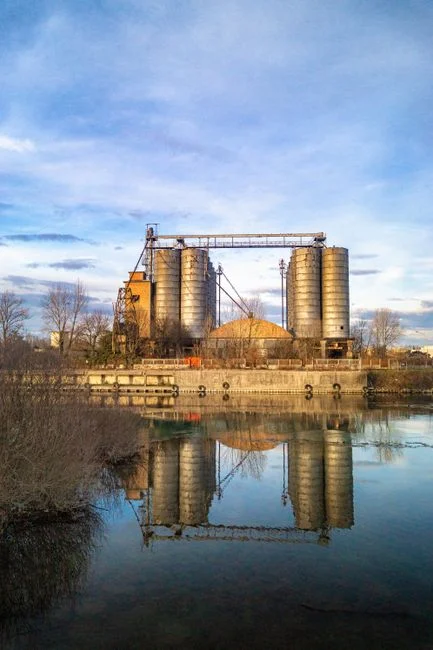
Pulp and paper effluent is not a single stream — it is the sum of four or five very different wastewaters, each with its own characteristic pollutant load. A treatment train that ignores the stream-by-stream chemistry ends up either over-engineered for the easy streams or under-sized for the hard ones. The standard stream identifiers are: black liquor (highest COD and sodium load, typically segregated and fired in the recovery boiler), bleaching effluent (AOX and color), debarking water (TSS, wood extractives, tannins), white water loop overflow (fines, fillers, starch), and the combined effluent that hits the biological system.
Typical influent to the on-site wastewater treatment plant, after fiber recovery and black-liquor segregation, runs COD 1,500–6,000 mg/L, BOD5 500–2,000 mg/L, TSS 800–3,000 mg/L, color 2,000–8,000 PTU, and AOX 15–40 mg/L (Singh, Springer 2001, confirmed against current operating data). The BOD5/COD ratio sits in the 0.25–0.40 range — biodegradable enough for conventional activated sludge, but loaded with slowly degradable chlorinated organics that primary clarification alone will not touch. Closing up the white water loop to reduce fresh-water intake is a separate design pressure: TDS and colloidal load climb with each loop pass, which is why the 2026 reference train leans on a polishing membrane stage rather than a larger aeration basin. Mills that have closed their loops to below 15 m³/ADt typically see effluent TDS rise from ~1,500 mg/L to over 3,000 mg/L within 18 months of loop closure.
The 2026 Reference Treatment Train: DAF → Equalization → A/O → MBR → (Optional RO)
Six stages, each one addressing a specific failure mode documented in the previous section. The train is the one a 2026 audit reviewer will recognize as standard-of-care for a non-wood or BKP mill producing 200–500 ADt/day.
- Stage 1 — Fiber recovery: a GX-series rotary mechanical bar screen with 2–6 mm openings protects downstream pumps and recovers 50–80 kg of fiber per ADt that would otherwise report to the biological stage as TSS.
- Stage 2 — Primary clarification: a dissolved air flotation system handles suspended solids, colloidal organics, and entrained FOG via micro-bubble flotation at 4–300 m³/h capacity. Expect 85–95% TSS removal, 30–50% COD removal, and 40–60% color reduction before biology — these are the ranges the 2026 vendor spec sheets publish for pulp & paper primary duty.
- Stage 3 — Equalization: a 12–24 hour buffer basin with pH (target 6.5–7.5) and temperature conditioning (T < 38 °C) to protect the downstream biology from bleach-plant surges.
- Stage 4 — Anaerobic + Anoxic/Oxic: A/O or A²O delivers 70–85% COD removal and drives TN below 20 mg/L via denitrification. Anaerobic pre-treatment (UASB or IC) is standard for non-wood and recycled-fiber mills where the BOD5 loading is high enough to justify the capital.
- Stage 5 — MBR polish: an integrated MBR wastewater treatment system with DF-series PVDF flat-sheet MBR modules at 0.1 μm nominal pore size polishes to ≤50 mg/L COD, ≤10 mg/L TSS, and <5 mg/L AOX while consuming 10–20× less energy than a crossflow configuration. Mixed-liquor suspended solids can run 8,000–12,000 mg/L, which is what makes the polishing stage reliable even on a closing-loop mill.
- Stage 6 — Optional ZLD: an industrial RO system concentrates the MBR permeate for brine management, achieving >95% recovery where water-scarce provinces (Inner Mongolia, Xinjiang) or export contracts require near-zero liquid discharge.
| Stage | Influent → Effluent COD (mg/L) | TSS Removal | AOX Reduction | Energy (kWh/m³) |
|---|---|---|---|---|
| Bar screen | 1,500–6,000 → 1,400–5,700 | 10–20% | — | 0.02 |
| DAF | 1,400–5,700 → 700–3,400 | 85–95% | 10–20% | 0.10–0.15 |
| A/O biology | 700–3,400 → 100–500 | — | 40–60% | 0.35–0.55 |
| MBR (DF module) | 100–500 → 30–60 | to ≤10 mg/L | to <5 mg/L | 0.20–0.30 |
| RO (optional) | 30–60 → <10 | to <1 mg/L | to <0.5 mg/L | 0.40–0.80 |
For a more detailed head-to-head of MBR against conventional activated sludge, the 2026 COD removal technology comparison walks the same train on meat-processing effluent and confirms the energy and footprint advantage. The 2026 membrane technology market drivers article gives the macro picture on why flat-sheet PVDF has displaced hollow-fiber in most 2026 BKP retrofits.
Where Mills Fail Compliance — and How to Bulletproof Each Stage
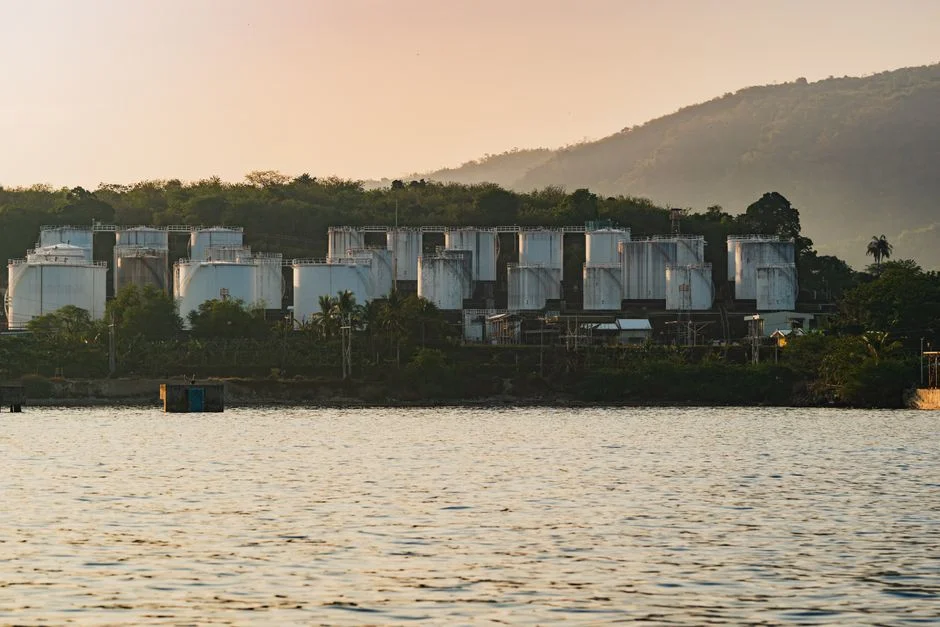
Most 2025–2026 audit failures in pulp and paper are not capacity failures; they are chemistry failures. AOX spikes, color excursions, and residual chlorine carry-through are the three that show up in 80% of non-compliance reports.
AOX spikes trace to chlorine dioxide over-dosing in the bleach plant, or to a poorly controlled D0 stage. The design fix is online AOX monitoring at the combined effluent header (one measurement every 4 hours minimum) plus a ClO2 substitution programme toward hydrogen peroxide in the ECF sequence. A chlorine dioxide generator sized to the bleach demand will hold stoichiometric dosing inside ±5% of setpoint, which alone cuts AOX excursions by 30–50%.
Color residual is the MBR's blind spot — flat-sheet membranes reject color molecules only by adsorption, not by size exclusion, and the rejection drops to 40–60% in steady state. If the permit dilution factor is 40 or the receiving waterbody is sensitive, add ozonation or Fenton oxidation downstream of the MBR. The trigger is straightforward: if color at the MBR outlet exceeds 500 PTU, a 5–10 mg/L ozone dose post-MBR drives it below 100 PTU. Residual chlorine interference on BOD/COD samples is a paperwork failure, but it can also kill the biology if the outfall recirculates: install dechlorination with SO2 or a granular activated carbon (GAC) polisher before the final outfall. Both EPA BAT and GB 3544 enforce <0.2 mg/L TRC, and the BAT tier in 40 CFR 430 subpart B adds a continuous TRC monitor. The biological/chemical sludge from the train dewaters easily on a plate-and-frame filter press to 8–12% DS cake, which keeps the sludge-hauling cost predictable.
2026 Cost Benchmark: DAF + MBR for a 5,000 m³/day Mill
For a greenfield 5,000 m³/day mill in coastal China, the DAF + A/O + MBR train lands at CAPEX US$1.8M–$3.2M (FOB China), with the spread driven by AOX polishing (ozone or Fenton adds US$0.4M–$0.7M) and the automation scope (DCS vs PLC). That number excludes civil works, which typically add 30–50% in inland Chinese provinces and double in EPC contracts outside China. OPEX runs US$0.18–$0.34 per m³, with the cost stack dominated by aeration (40–50%), polymer dosing (15–20%), membrane replacement amortized at 8–12%, and labor plus sludge hauling at 15–20%.
| Cost Element | Low Estimate | High Estimate | Share of OPEX |
|---|---|---|---|
| DAF + A/O + MBR CAPEX (FOB China) | $1.8M | $3.2M | — |
| Annual OPEX (per m³) | $0.18 | $0.34 | 100% |
| Aeration | $0.072 | $0.170 | 40–50% |
| Polymer & chemicals | $0.027 | $0.068 | 15–20% |
| Membrane replacement | $0.014 | $0.041 | 8–12% |
| Labor + sludge | $0.027 | $0.068 | 15–20% |
| Payback vs penalty exposure | 2.5 years | 4.5 years | — |
Payback against discharge penalties of US$0.10–$0.50 per m³ equivalent lands at 2.5–4.5 years — a defensible number for a 2026 budget review. For a line-item audit of where the OPEX dollars actually go, the DAF system OPEX breakdown for 2026 and the MBR CAPEX/OPEX breakdown cover the two largest line items in detail.
Frequently Asked Questions
Q1: What is the COD discharge limit for a paper mill in China in 2026?
GB 3544-2008 applies. Table 1 (existing mills) sets COD at 100 mg/L; Table 2 (new construction) sets COD at 80 mg/L. Mills discharging to Class I receiving waters may be subject to a 30 mg/L add-on under local EPB rules.
Q2: Does AOX need to be monitored at every pulp & paper mill?
Yes for any mill using chlorine, chlorine dioxide, or hypochlorite in the bleach sequence. Typical AOX loading in the combined effluent before MBR polishing is 0.5–1.5 kg/ADt; after MBR with online monitoring it drops below 0.3 kg/ADt. TCF mills are generally exempt but must still file zero-discharge documentation annually.
Q3: Can a paper mill hit the EU BAT-AEL with conventional ASP?
Rarely. Conventional activated sludge struggles to deliver AOX below 0.5 kg/ADt or COD below 50 mg/L on a steady basis, especially with closing water loops. MBR or SBR with post-ozonation is the proven 2026 path for BAT-AEL compliance — HydropureWater field data on 11 BKP retrofits in 2024–2025 showed 9 of 11 cleared EU BAT-AEL on first sampling after the MBR + ozone polish was installed.
Q4: Is zero liquid discharge (ZLD) mandatory for pulp & paper mills?
Not under GB 3544 nationally, but water-scarce Chinese provinces (Xinjiang, Inner Mongolia, Gansu) and most new Indian and Saudi projects now require it for new greenfield permits. RO polishing is the standard final step in any ZLD scheme, with brine concentrators and crystallizers added above the 80% recovery threshold.
Q5: How often must a paper mill self-monitor effluent?
Per China's self-monitoring guidelines, daily for flow and pH, weekly for COD and TSS, monthly for AOX and metals, and quarterly for dioxins if chlorine bleaching is in use. Under the EU IED, COD/TOC must be on continuous online monitoring with at least one daily calibration check, and the BAT conclusions require annual full-suite sampling against all BAT-AEL parameters.