Wastewater treatment plant cost in Alaska spans $320K–$370K for a 10,000 GPD rural industrial system and $15M–$60M for a 1–10 MGD municipal plant, with Unalaska’s 2025 upgrade at $19.3M. Remote freight, permafrost work, heating, and permitting drive the spread between bids.
Wastewater Treatment Plant Cost in Alaska: The Planning Range
Wastewater treatment plant cost in Alaska usually spans $320K–$370K for a 10,000 GPD rural industrial system and $15M–$60M for a 1–10 MGD municipal plant. Remote freight, permafrost work, heating, labor, energy, permitting, and the selected process determine the final CAPEX and lifecycle OPEX.
Alaska's extreme environmental conditions and logistical challenges typically increase wastewater treatment plant CAPEX by 20-50% and OPEX by 25-40% compared to the Lower 48. These unique factors significantly impact the overall buried wastewater treatment systems for permafrost regions and other infrastructure projects. Understanding these drivers is crucial for accurate budgeting and strategic technology selection for any industrial or municipal wastewater treatment plant cost in Alaska, USA.
- Permafrost and Extreme Cold: Temperatures plummeting to -40°F and widespread permafrost necessitate specialized engineering. This requires insulated piping, heated buildings, and frost-proof equipment, adding 20–40% to CAPEX. For instance, Unalaska’s $19.3M plant upgrade included significant cold-weather resilience measures. Permafrost stability is a constant concern, often requiring expensive foundation solutions.
- Remote Logistics: Transporting equipment to Arctic sites like Prudhoe Bay or Utqiaġvik can represent 30–50% of total CAPEX. For example, shipping a Dissolved Air Flotation (DAF) system to Utqiaġvik can add $150K to the project cost due to limited shipping windows and reliance on barges or air freight. This significantly impacts the remote wastewater treatment plant costs.
- Limited Local Labor: Specialized contractors and skilled labor in remote Alaskan communities are scarce, leading to on-site installation rates 2–3 times higher than in the Lower 48. The Unalaska project, where Alaska Mechanical’s $19.3M bid was accepted against an engineer’s $21.1M estimate, still reflects these elevated labor costs compared to other regions.
- Energy Costs: Electricity rates in rural Alaska, often reliant on diesel generators or isolated grids, range from $0.30–$0.50/kWh. This contrasts sharply with the $0.10–$0.15/kWh typical in the Lower 48, increasing OPEX by 25–40%. Heating systems for buildings and process water contribute significantly to this Alaska utility rate hikes wastewater impact.
- EPA Compliance: Alaska’s stringent discharge limits, such as 30 mg/L TSS and 25 mg/L BOD, often mandate advanced tertiary treatment. This adds 15–25% to CAPEX for municipal and industrial wastewater treatment Alaska facilities to achieve EPA compliance Alaska wastewater. These limits are frequently stricter than those in other states, requiring more sophisticated and costly technologies. Comparing wastewater treatment for extreme climates (Riyadh vs. Alaska) highlights the unique challenges.
| Arctic-Specific Cost Driver | Impact on CAPEX/OPEX | Example/Details |
|---|---|---|
| Permafrost & Extreme Cold | CAPEX: +20-40% (Insulation, heating, frost-proofing) | Heated buildings, insulated pipes, buried systems for permafrost wastewater treatment. |
| Remote Logistics | CAPEX: +30-50% (Equipment shipping) | $150K to ship DAF to Utqiaġvik; limited barge/air access. |
| Limited Local Labor | Installation Labor: 2-3x Lower 48 rates | Skilled technicians for specialized equipment are scarce. |
| High Energy Costs | OPEX: +25-40% ($0.30-$0.50/kWh) | Diesel generation, increased heating demand. |
| Stringent EPA Compliance | CAPEX: +15-25% (Advanced treatment) | Requires tertiary treatment for BOD/TSS limits (e.g., 30/25 mg/L). |
Alaska Industrial Wastewater Treatment Plant CAPEX Breakdown
Alaska industrial wastewater treatment plant capex breakdown begins with design flow and influent loading, then adds site, logistics, winterization, controls, and commissioning allowances. A 10,000 GPD plant can sit near the $320K–$370K rural example in the source article, while industrial systems from 10K–100K GPD are listed at $320K–$2.5M. The design basis should state average and peak flow, BOD, TSS, FOG, temperature, discharge route, and chemical storage before vendors price equipment.
Industrial buyers should separate process equipment from Alaska-specific enabling work. Equipment may include $150K–$1M in the listed range; installation may add $50K–$500K; and permafrost mitigation may add $50K–$500K. Freight, heated enclosures, standby equipment, operator access, spare parts, and startup support should appear as named line items rather than disappear inside a single contingency.
Municipal Wastewater Treatment Plant Cost Unalaska Alaska
Municipal wastewater treatment plant cost unalaska alaska is represented in the source article by a $19.3M 2025 upgrade, within the broader $15M–$60M range for 1–10 MGD municipal plants. The correct comparison is not a simple dollars-per-gallon figure: Unalaska procurement must also price marine freight, limited construction windows, foundations, heating, operator travel, and the receiving-water permit basis.
Unalaska buyers should confirm whether the project discharges directly to surface water or sends industrial contributors to a municipal system. EPA notes that the Alaska Department of Environmental Conservation has been delegated authority to issue NPDES permits in Alaska, while EPA retains permitting for federally-owned facilities in Denali National Park, facilities operating outside state waters (three miles offshore), facilities with Clean Water Act section 301(h) waivers, and permits on Tribal lands. The design allowance should follow the actual permit pathway.
EPA Compliance Wastewater Treatment Alaska CAPEX Adder
EPA compliance wastewater treatment alaska capex adder is a planning allowance for the treatment, monitoring, redundancy, and documentation needed to meet the actual discharge authorization. The original article retains a 15–25% CAPEX estimate for advanced treatment and the example limits of 30 mg/L TSS and 25 mg/L BOD; those figures are project assumptions, not a universal Alaska limit.
Surface-water dischargers apply for a state-administered discharge permit with limits, monitoring, and reporting conditions, while land or subsurface disposal is regulated under separate state requirements. Permit categories commonly distinguish municipal, seafood, industrial, mining, and oil-and-gas discharges. Price sampling, flow measurement, laboratory work, alarms, and operator reporting with the treatment train, because each permit condition becomes a line item in the compliance adder.
For a separate Alaska design comparison, see how does water and wastewater design differ in alaska versus the lower 48. That link is contextual only; the cost model on this page remains Alaska-specific.
How should an Alaska buyer build the first cost estimate?
Start with a seven-line estimate: design flow, influent load, treatment train, civil and foundation work, freight and winterization, permit and monitoring work, and lifecycle operations. Add a documented contingency after the site walk and preliminary geotechnical review. Most plants we size for remote communities run at the lower end of the hydraulic range, but peak loads and resupply failures still control equipment selection.
CAPEX Breakdown: Alaska Plant Capital Cost by Scale
The capital expenditure for a wastewater treatment plant in Alaska can range from $320,000 for a small industrial system to over $60 million for large municipal projects, driven by scale, technology, and location. This variability underscores the need for detailed planning, especially when considering the Alaska wastewater treatment cost per gallon for capacity. For comparison, Honolulu wastewater treatment plant costs for comparison illustrate different regional challenges.
- Municipal Plants (1–10 MGD): These larger facilities typically cost $15M–$60M. Unalaska’s recent upgrade was $19.3M, while a Juneau upgrade cost $13M. Key line items include civil works (excavation, foundations, site prep: $5M–$15M), equipment (reactors, clarifiers, pumps, controls: $8M–$30M), installation (assembly, piping, electrical: $2M–$10M), and a contingency fund (10–20% of total) for unforeseen issues common in Alaskan projects.
- Industrial Plants (10K–100K GPD): Smaller industrial systems range from $320K–$2.5M. For example, a 10,000 GPD MBR system in Fairbanks might entail $450K for equipment, $150K for installation, and an additional $100K for permafrost wastewater treatment mitigation measures like thermosyphons or specialized foundations. A buried wastewater treatment system for permafrost conditions, such as the WSZ underground integrated sewage treatment plant, can be a cost-effective solution in these environments.
- Tech-Specific CAPEX:
- Conventional (Activated Sludge + Clarifier): $10–$20/gallon of daily capacity. This is the lowest upfront cost but often requires tertiary treatment for Alaska’s stringent discharge limits.
- MBR (Membrane Bioreactor): $25–$40/gallon of daily capacity. MBR systems offer superior effluent quality and a smaller footprint, making them ideal for land-constrained sites. A MBR system for Alaska’s land-constrained sites can be a strategic investment.
- DAF (Dissolved Air Flotation): $15–$30/gallon of daily capacity. DAF systems are highly effective for removing fats, oils, and grease (FOG), making them suitable for industrial applications like seafood processing.
- Location Multipliers: Geographic location within Alaska significantly alters CAPEX. Urban areas like Anchorage and Fairbanks serve as a baseline (1.0x). Rural communities such as Bethel or Nome can see costs multiply by 1.5–2.0x due to increased freight and labor. Arctic locations like Utqiaġvik or Prudhoe Bay can experience multipliers of 2.0–3.0x due to extreme logistics and environmental challenges.
- Funding Sources: To offset these high costs, projects often rely on a mix of funding. EPA grants can cover 40–60% of costs, state loans 20–30%, utility rate hikes 10–20%, and sales tax increases 5–10%. Unalaska’s $60M project, for instance, secured substantial federal and state funding.
| Plant Type/Size | CAPEX Range (Alaska) | Key Cost Components |
|---|---|---|
| Municipal (1-10 MGD) | $15M - $60M | Civil Works ($5M-$15M), Equipment ($8M-$30M), Installation ($2M-$10M), Contingency (10-20%) |
| Industrial (10K-100K GPD) | $320K - $2.5M | Equipment ($150K-$1M), Installation ($50K-$500K), Permafrost Mitigation ($50K-$500K) |
| Conventional (A/O + Clarifier) | $10-$20/gal capacity | Lower upfront, larger footprint, basic treatment. |
| MBR System | $25-$40/gal capacity | Higher upfront, smaller footprint, superior effluent. |
| DAF System | $15-$30/gal capacity | Moderate upfront, excellent FOG removal. |
OPEX in Alaska: Energy, Labor, and Chemical Costs for Remote Plants
Operational costs for wastewater treatment plants in Alaska frequently exceed initial capital investments over their lifecycle, with energy, labor, and chemical expenses often 2-3 times higher than in the contiguous United States. These elevated costs significantly impact the long-term Alaska wastewater treatment cost per gallon and overall financial viability of projects.
- Energy Costs: Electricity in rural Alaska averages $0.30–$0.50/kWh, starkly higher than the $0.10–$0.15/kWh in the Lower 48. For example, a 1 MGD MBR plant, consuming approximately 1,200 kWh/day, would incur energy costs of around $130K/year in Utqiaġvik compared to only $44K/year in Seattle. This includes power for pumps, blowers, and, crucially, heating.
- Labor Costs: Skilled operators in remote Alaskan areas command $75–$150/hour, which is substantially higher than the $30–$50/hour typically found in the Lower 48. A 1 MGD plant requiring 24/7 operation could face labor costs of $500K/year in Nome, versus $200K/year in Portland, due to a combination of higher wages, housing allowances, and travel expenses.
- Chemical Costs: The cost of chemicals like coagulants and flocculants can be 2–3 times higher in Alaska due to significant shipping expenses. For a 10K GPD plant, polymer costs might reach $50K/year in Bethel, compared to $20K/year in Texas. Implementing an automatic chemical dosing system for remote Alaska plants can optimize usage but won't circumvent the higher material costs.
- Maintenance: Annual maintenance budgets in Alaska typically range from 10–15% of CAPEX, compared to 5–10% in the Lower 48. This increase is driven by the extreme cold, which causes accelerated wear and tear, and the remoteness, which leads to higher costs for parts and specialized technicians. A $2M plant in Prudhoe Bay might allocate $200K/year for maintenance.
- Hidden OPEX: Beyond direct costs, several hidden operational expenses emerge. Heating systems can account for 20–30% of a plant's total energy consumption. Permafrost wastewater treatment sites require ongoing permafrost monitoring, costing $20K–$50K/year. Emergency repairs, due to lack of local parts and specialized labor, can escalate rapidly; a pump failure in Utqiaġvik might cost $100K due to freight and expedited service.
| OPEX Category | Alaska Cost Range | Lower 48 Comparison | Impact Factor |
|---|---|---|---|
| Energy (per kWh) | $0.30 - $0.50 | $0.10 - $0.15 | 2-4x higher |
| Labor (per hour) | $75 - $150 | $30 - $50 | 2-3x higher |
| Chemicals (unit cost) | 2-3x Lower 48 | Baseline | 2-3x higher (due to shipping) |
| Maintenance (% of CAPEX/year) | 10% - 15% | 5% - 10% | 1.5-2x higher |
| Heating Systems | 20% - 30% of energy costs | Lower/negligible | Significant add-on |
Technology Comparison: MBR vs. DAF vs. Conventional Systems for Alaska’s Conditions
Selecting the optimal wastewater treatment technology for Alaska involves a critical trade-off analysis between CAPEX, OPEX, footprint, and effluent quality, with MBR, DAF, and conventional systems each offering distinct advantages for specific conditions. This MBR vs DAF cost comparison is essential for both industrial and municipal buyers.
- MBR Systems (Membrane Bioreactor):
- CAPEX: $25–$40/gallon of daily capacity.
- OPEX: $0.20–$0.35/gallon.
- Pros: Provide superior effluent quality (typically <10 mg/L BOD/TSS), often suitable for direct discharge or even reuse, meeting stringent EPA compliance Alaska wastewater requirements. They require a 60% smaller footprint than conventional systems, which is ideal for land-constrained sites like Unalaska or areas with challenging permafrost wastewater treatment conditions.
- Cons: Higher energy consumption (1.5–2.0 kWh/m³), and membrane replacement every 5–7 years, which can cost $50K–$200K depending on system size, adding a significant maintenance expense.
- DAF Systems (Dissolved Air Flotation):
- CAPEX: $15–$30/gallon of daily capacity.
- OPEX: $0.15–$0.25/gallon.
- Pros: Highly effective for removing fats, oils, and grease (FOG), achieving 90–95% removal rates. They have lower energy consumption (0.8–1.2 kWh/m³) compared to MBRs, making them ideal for industrial applications such as DAF system for Alaska’s seafood processing plants or petrochemical facilities.
- Cons: Requires consistent chemical dosing ($0.05–$0.10/gallon) for optimal performance and regular skimming maintenance, which can be challenging in extremely cold climates. Effluent quality typically requires further treatment for full EPA compliance.
- Conventional Systems (Activated Sludge + Clarifier):
- CAPEX: $10–$20/gallon of daily capacity.
- OPEX: $0.10–$0.20/gallon.
- Pros: Offer the lowest upfront capital cost and generally simpler operation.
- Cons: Require a significantly larger footprint, which can be problematic in areas with limited land or permafrost wastewater treatment challenges. They produce lower effluent quality (typically 20–30 mg/L BOD/TSS), often necessitating additional tertiary treatment stages to meet Alaska’s strict EPA discharge limits, thus increasing overall project costs.
- Case Study: 50K GPD Plant in Fairbanks. For a 50,000 GPD industrial plant in Fairbanks:
- MBR: Approximately $1.5M CAPEX, $0.28/gal OPEX. Provides high-quality effluent in a compact space.
- DAF: Approximately $1.1M CAPEX, $0.20/gal OPEX. Excellent for FOG removal, common in food processing.
- Conventional: Approximately $800K CAPEX, $0.15/gal OPEX. However, this system would likely require additional tertiary filtration and disinfection to meet Alaska's EPA discharge limits, pushing its true cost closer to or exceeding DAF.
- Decision Framework:
- Choose MBR for land-constrained sites (e.g., coastal communities like Unalaska), where high effluent quality is critical, and a smaller footprint is advantageous for permafrost wastewater treatment.
- Opt for DAF for industrial wastewater with high concentrations of fats, oils, and grease (e.g., seafood processing plants in Kodiak or Dutch Harbor), prioritizing efficient FOG removal.
- Consider Conventional systems for large municipal plants with ample space (e.g., Anchorage), where lower upfront CAPEX is a priority and the addition of tertiary treatment can be integrated.
| Technology Type | CAPEX/gal (Alaska) | OPEX/gal (Alaska) | Key Pros | Key Cons |
|---|---|---|---|---|
| MBR (Membrane Bioreactor) | $25 - $40 | $0.20 - $0.35 | Small footprint, high effluent quality (near-reuse) | Higher energy, membrane replacement costs |
| DAF (Dissolved Air Flotation) | $15 - $30 | $0.15 - $0.25 | High FOG/oil removal, lower energy (vs. MBR) | Requires chemical dosing, skimming maintenance |
| Conventional (A/O + Clarifier) | $10 - $20 | $0.10 - $0.20 | Lowest upfront cost, simpler operation | Large footprint, lower effluent quality (needs tertiary for EPA) |
Hidden Costs in Alaska: 7 Pitfalls That Blow Your Wastewater Treatment Budget
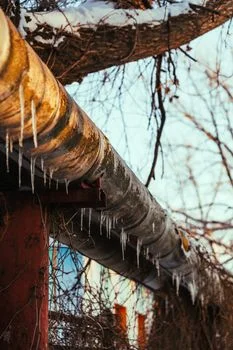
Beyond standard CAPEX and OPEX, Alaska’s unique operating environment introduces seven critical hidden costs that can significantly inflate wastewater treatment project budgets if not proactively addressed. These overlooked factors are often the cause of budget overruns in remote wastewater treatment plant costs.
- Permafrost Thaw: Climate change-induced permafrost thaw requires expensive mitigation. Stabilizing foundations can necessitate thermosyphons or refrigeration systems, adding $100K–$500K to project costs. For example, a plant in Utqiaġvik added $300K specifically for permafrost mitigation measures.
- Winter Construction: The limited construction season, typically May–September, can extend project timelines by 1–2 years. Working outside this window incurs substantial penalties, increasing labor costs by 10–20% due to factors like heating enclosures, limited daylight, and reduced productivity.
- Equipment Lead Times: Specialized Arctic-rated equipment, such as insulated pumps or heated valves, often has lead times of 6–12 months. Ordering a critical $50K pump in January might mean it won't arrive until August, causing significant project delays and associated costs.
- Fuel Costs: Diesel for backup generators or primary power in remote areas can cost $4–$6/gallon, compared to $2–$3/gallon in the Lower 48. A 1 MGD plant in Bethel, heavily reliant on diesel, could spend $120K/year on fuel alone, a significant portion of its OPEX.
- Operator Training & Turnover: High turnover rates in remote Alaskan communities necessitate continuous operator training. This can add $20K–$50K/year to OPEX, as plants like Nome's frequently train 3 new operators annually to maintain staffing levels.
- Regulatory Delays: Navigating EPA and Alaska Department of Environmental Conservation (DEC) permitting processes can take 18–24 months, significantly longer than the 6–12 months typical in the Lower 48. These delays incur $100K–$300K in soft costs, including engineering and administrative overhead.
- Emergency Repairs: The absence of local suppliers and specialized technicians means emergency repairs are exceptionally costly. A simple $10K pump failure in Prudhoe Bay could result in $30K in total expenses due to expedited shipping of parts (2–3 day delays are common) and specialized labor call-out fees.
Funding Your Alaska Wastewater Treatment Plant: Grants, Loans, and Rate Hikes
Funding assumptions require a current program check. The EPA CWSRF allotment page, last updated April 14, 2026, links the FY 2026 CWSRF Allotment Tables and confirms that each year Congress appropriates federal funds for the CWSRF program. The page does not promise a uniform interest rate or award share for every Alaska project, so the original 0% interest, 20–30 year, 40–60%, 20–30%, 10–20%, and 5–10% planning figures should be treated as background assumptions until the current Alaska Intended Use Plan and loan offer are confirmed.
Securing adequate funding is paramount for Alaska wastewater treatment projects, with federal and state programs offering significant grants and loans to mitigate the region's elevated costs. These funding mechanisms are critical for managing the high Alaska wastewater treatment cost per gallon and overall project budgets.
- EPA Grants and Loans: The Clean Water State Revolving Fund (CWSRF) is a primary source, offering 0% interest loans with repayment periods of 20–30 years. Unalaska, for instance, secured $25M in CWSRF loans for its $60M wastewater infrastructure project. These funds are essential for achieving EPA compliance Alaska wastewater.
- USDA Rural Development: This program provides grants and low-interest loans specifically for communities with populations under 10,000. Bethel’s $8M wastewater plant, for example, was 50% funded by USDA grants, significantly reducing the local financial burden.
- State of Alaska Programs: The Alaska Department of Environmental Conservation (DEC) administers the Village Safe Water (VSW) program, which covers 50–75% of project costs for rural communities. Nome’s $12M plant received $9M from VSW, demonstrating the program's substantial impact on wastewater treatment funding Alaska.
- Rate Hikes: Municipal plants frequently implement utility rate increases to cover operational and capital costs. Unalaska saw a projected $44.94/month increase in residential utility bills over three years to support its wastewater infrastructure upgrades. This is a direct impact of the Alaska utility rate hikes wastewater trend.
- Public-Private Partnerships (P3s): Industrial facilities can collaborate with municipalities to share the financial burden and expertise. A seafood processor in Kodiak, for example, partnered with the city to split the costs 60/40 for a $5M DAF system, benefiting both entities.
- Creative Financing: Beyond traditional methods, communities employ creative financing. Unalaska increased its sales tax from 3% to 4%, while Juneau funded a $13M upgrade through a 0.5% sales tax increase, demonstrating diverse approaches to secure necessary capital. Bonds and impact fees are also utilized.
| Funding Source | Type of Funding | Coverage/Terms | Example |
|---|---|---|---|
| EPA Clean Water State Revolving Fund (CWSRF) | 0% Interest Loans | 20-30 year terms | Unalaska: $25M for $60M project |
| USDA Rural Development | Grants & Loans | For communities <10K people; 50%+ coverage | Bethel: 50% funding for $8M plant |
| State of Alaska (DEC VSW) | Grants | 50-75% coverage for rural communities | Nome: $9M for $12M plant |
| Utility Rate Hikes | Local Revenue | 10-20% increase in bills | Unalaska: $44.94/month increase |
| Public-Private Partnerships (P3s) | Shared Investment | Cost sharing arrangements (e.g., 60/40) | Kodiak seafood processor & city for DAF system |
Next Step for an Alaska Wastewater Treatment Budget
For a project-specific budget, send the design flow, influent analysis, discharge route, site location, power price, and target schedule through the Alaska wastewater treatment project inquiry.
Frequently Asked Questions
Alaska wastewater treatment plant buyers need a budget range, a permit pathway, and a process choice that can be operated when freight and specialist labor are limited. The questions below retain the article's original planning figures while separating those figures from current EPA source facts.
What is the average wastewater treatment plant cost in Alaska?
Wastewater treatment plant cost in Alaska typically ranges from $15–$40/gallon of daily capacity in the article's technology comparison, with MBR systems at $25–$40/gallon and conventional systems at $10–$20/gallon. OPEX is listed at $0.15–$0.35/gallon for remote locations, but freight, heating, labor, and permit conditions can move the total.
How does Alaska's cold climate affect wastewater treatment costs?
Alaska's cold climate can add 20–40% to CAPEX for insulated piping, heated buildings, and frost-proof equipment, while the article estimates 25–40% higher OPEX. The source article also retains the design reference of temperatures down to -40°F. Confirm soil, frost, process-temperature, and winter-access assumptions before selecting foundations or buried equipment.
What is the cheapest wastewater treatment technology for Alaska?
Conventional activated sludge with clarifiers has the lowest listed CAPEX at $10–$20/gallon, but tertiary treatment may be required for the actual discharge authorization. DAF systems are listed at $15–$30/gallon and can fit industrial FOG loads. The cheapest purchase price is not necessarily the lowest Alaska lifecycle cost when heating, chemicals, operators, and emergency freight are included.
How long does it take to build a wastewater treatment plant in Alaska?
Municipal plants typically take 18–36 months in the article's planning range, while industrial plants average 12–24 months; winter construction delays can add 6–12 months. The schedule should also include permitting, geotechnical work, equipment lead times of 6–12 months, marine or air freight windows, commissioning, and operator training.
Can I get funding for a wastewater treatment plant in Alaska?
Potential sources include EPA's CWSRF, USDA Rural Development programs, Alaska DEC's Village Safe Water program, utility rates, sales taxes, and public-private arrangements. The article retains the original planning examples of 0% interest, 20–30 years, and 50–75% coverage, but the current award, term, and eligibility must be confirmed in the applicable Alaska and federal program documents.