Package sewage treatment plant cost 2026 listings run about $8,000–$12,000 for a 5 m³/h A/O unit and $55,000–$65,000 for a 50 m³/h turnkey MBR. Delivered cost can sit 20–45% above FOB, and installation typically adds 20–40%.
What Drives Package Sewage Treatment Plant Cost in 2026?
Five variables set packaged wastewater treatment plant costs on most projects we size: flow capacity, process technology, tank material, automation level, and regional delivery. Flow capacity dominates because blowers, membranes, and tank volume scale with hydraulic load, while control panels and dosing skids do not scale linearly. Most plants we size near 5 m³/h share a blower frame with the next catalog step.
Flow Capacity (m³/h): A 5 m³/h A/O unit starts around $8,000, while a 50 m³/h MBR system can reach $65,000. Cost per cubic meter treated ($/m³/h) typically falls as capacity rises. Moving from 5 m³/h to 10 m³/h does not double the price, because panels and blower frames often cover a band of flows.
Treatment Technology: Conventional Anoxic/Oxic (A/O) systems cost 30–40% less than Membrane Bioreactor (MBR) technology for the same capacity, though MBR delivers tighter effluent and a smaller footprint. SBR and MBBR sit between those poles. MBBR is often the middle path when attached-growth media can raise stability without a full membrane train.
A sequencing batch reactor treats wastewater in batches through fill, react, settle and decant phases, with aeration times that vary by plant size and are typically 60 to 90 minutes. That batch logic is why SBR quotes often price two small tanks instead of one plus a clarifier, which matters when the pad is tight.
Construction Material: Carbon steel tanks cost 15–20% less than concrete or stainless-steel alternatives but last about 10–12 years and need durable anti-corrosion coatings. Concrete and composites offer 20+ year durability for a higher first cost. Stainless steel (grade 316) is the safer pick when chloride is high enough to risk pitting.
Automation Level: A basic manual panel is standard. A PLC-based package adds 10–15% to base equipment cost and can cut long-term OPEX by up to 25% through tighter energy use and less operator time. Typical upgrades include SCADA remote view, pH/ORP-driven dosing, and SMS or email fault alarms that stop short outages from becoming sludge events.
Regional Factors: Import duties, local labor, and logistics can raise delivered cost 20–45% above FOB in parts of Africa and Southeast Asia. Local certificates or panel language packs also add cost and schedule. For compact domestic-scale bids, compare this guide with package sewage treatment plant cost data before locking a budget band.
Cost by Capacity and Technology (2025 B2B Pricing)
Capacity, technology, and scope define the equipment band for a packaged unit. The table below synthesizes current B2B market listings and engineering estimates for standard capacities. Figures are equipment-centric; civil work and commissioning sit outside the ranges unless marked turnkey.
| Capacity (m³/h) | Technology | Price Range (USD) | Key Specifications | Cost per m³/h (USD) |
|---|---|---|---|---|
| 5 | A/O | $8,000 – $12,000 | BOD removal 90–95%, footprint ~2.5 m² | $1,600 |
| 10 | A/O | $14,000 – $18,000 | Effluent COD <50 mg/L, power use ~1.1 kW | $1,500 |
| 20 | MBR | $35,000 – $42,000 | Effluent TSS <5 mg/L, 60% smaller footprint than A/O | $1,850 |
| 50 | MBR (Turnkey) | $55,000 – $65,000 | Includes blower, PLC, dosing skid; BOD <10 mg/L | $1,300 |
Unit rate falls from about $1,600/m³/h at 5 m³/h to $1,300/m³/h at 50 m³/h. Where footprint or reuse quality drives the design, the premium for a compact MBR system for high-efficiency treatment is often justified. Screening, grit removal, UV, or chlorination add cost beyond the biological core.
Planning-level US references sit on a different basis. According to North Coast Resource Partnership guidance adjusted to January 2020 dollars, extended aeration package plants under 20,000 gpd (about 76 m³/d) typically cost $6–12 per gallon of daily capacity, while SBR packages at 10,000–50,000 gpd cost about $3–10 per gallon. Those figures describe installed US-scale plants, not Asia-origin FOB skids, so treat them as an upper planning envelope rather than a contradiction of the table above.
Commissioning schedules also carry a process floor that no expedite fee removes. The EPA package plant fact sheet notes that extended aeration plants are usually started up using seed sludge from another sewage plant and may take as many as two to four weeks to acclimate. Most plants we size still book that seeding window before any performance test.
How Much Does a 100 PE Package Treatment Plant Cost?
A 100 PE package treatment plant cost, at 150–200 L/PE·d, covers about 15–20 m³/d average flow and usually sits below the 5 m³/h equipment band in the pricing table. Most plants we size for camps, small estates, or private dwellings therefore start from the 5 m³/h A/O floor of $8,000–$12,000 for standard equipment, then add 20–40% for site work and commissioning.
Buyers searching “100 PE package treatment plant cost to hire per month” rarely find stable B2B hire tariffs for permanent plants. Monthly hire is mainly a temporary-camp product; permanent sites almost always purchase. When a hire quote appears, ask whether membranes, sludge disposal, chemicals, and operator time are inside the monthly figure—those items often exceed the rental line itself.
For a 40 PE dwelling cluster (~6–8 m³/d at the same per-capita flow), equipment still tends to land near the smallest catalog skid rather than a custom micro unit. Budget from the same 5 m³/h A/O band unless the supplier offers a verified smaller model with published power and effluent warranties. India-specific compliance and supplier checks are covered in the Package Wastewater Treatment Plants in India: 2026 Engineering Guide.
What Is the Package Sewage Plant Installation Cost Breakdown?
Package sewage plant installation cost breakdown starts with a 20–40% adder on equipment for site work and commissioning, before tank material moves the unit rate. On firm soil, that adder is mostly a level pad, crane time, power tie-in, and start-up. Rock, slope, or high groundwater shifts the money into shoring and dewatering. Most plants we size need the soil note before the equipment number is useful.
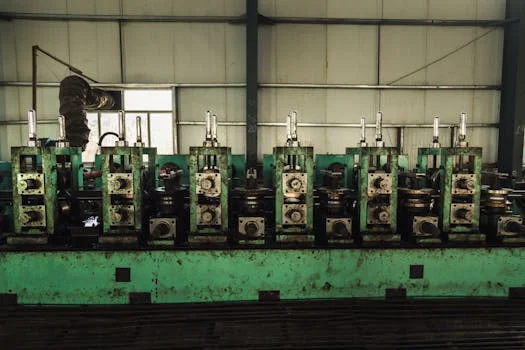
Tank material trades first cost against recoating cycles and replacement year. Installation method then moves the civil line item. The comparison below keeps the original unit rates used for equipment planning.
| Material/Installation Type | Avg. Cost per m³/h (USD) | Lifespan (Years) | Key Considerations |
|---|---|---|---|
| Carbon Steel (Epoxy Coated) | $1,200 | 10–12 | Lower CAPEX; requires regular inspection and recoating. |
| Stainless Steel (304/316) | $1,550 | 15–18 | Superior corrosion resistance; preferred for saline or chemical loads. |
| Reinforced Concrete | $1,600 | 20–25 | Highest durability and lowest maintenance; higher initial cost and longer installation time. |
| Fiberglass Reinforced Plastic (FRP) | $1,450 | 15–20 | Lightweight, corrosion-resistant; ideal for remote sites or chemical wastewater. |
| Skid-Mounted Installation | — | — | Reduces site labor cost by 30%; commissioning in ~7 days. Base price typically includes skid. |
| Underground Installation | +$3,000–$8,000 | — | Adds excavation and civil work cost; enables surface landscaping reuse. Explore our underground package sewage treatment plant with A/O process for details. |
What does package plant installation cost beyond the skid? A level pad with firm soil keeps civil work low. Slopes, high groundwater, or rock can erase the skid labor saving through shoring and dewatering. Always run a site survey before freezing CAPEX.
For buried layouts, the Underground Package Sewage Treatment Plant (WSZ Series) is the product reference most private-dwelling and resort bids use.
What Sets Skid Mounted Turnkey Wastewater Treatment Price?
Skid mounted turnkey wastewater treatment price for the 50 m³/h MBR line is $55,000–$65,000 when the blower, PLC, and dosing skid are in the scope, with BOD under 10 mg/L. The material table states that the base price typically includes the skid. Skid mounting cuts site labor cost by 30%, and commissioning runs about 7 days on a prepared pad.
Modular skid-mounted turnkey treatment solutions travel better than site-built concrete where logistics premiums reach 25–40%, which is common on African last-mile hauls. A level pad with firm soil keeps the 30% site-labor saving. Slopes, high groundwater, or rock erase it through shoring and dewatering.
Smaller A/O skids follow the equipment table, not a separate turnkey column. A 5 m³/h A/O unit is $8,000–$12,000 and a 10 m³/h A/O unit is $14,000–$18,000 before the 20–40% install adder. Ask the quote to mark equipment, freight, crane, power tie-in, and training as separate lines.
Operating Costs and ROI Analysis
CAPEX alone misleads; annual energy, sludge, and membrane events decide payback. For a standard 20 m³/h A/O system, annual OPEX averages $4,200. That splits into energy ($2,800 at $0.12/kWh) and routine maintenance plus sludge disposal ($1,400).
MBR trains use about 25% more energy for membrane scour air, yet can cut sludge mass by about 40%, which offsets some hauling cost. Plan membrane replacement every 5–8 years; for a 20 m³/h plant that event is often $5,000–$10,000. Fouling control sits inside that energy line: published MBR practice runs chemically enhanced backwash daily, with intensive chemical cleaning once or twice a year, usually on hypochlorite and citric acid.
Automation trims labor. A fully automated plant can remove up to 20 operator hours per week, saving an estimated $18,000 per year versus a manual board when local labor rates support that figure. Chemical dosing tied to sensors typically cuts reagent spend 10–15% by stopping overdosing. Most plants we size still keep a daily walk-down even when the PLC sends the alarms.
| Cost Component | 20 m³/h A/O System | 20 m³/h MBR System | Notes |
|---|---|---|---|
| Annual Energy Cost | $2,800 | $3,500 | Based on 24/7 operation, $0.12/kWh |
| Annual Maintenance & Sludge Disposal | $1,400 | $1,100 | MBR has lower sludge yield |
| Total Annual OPEX | $4,200 | $4,600 | |
| Estimated Payback Period | 4.2 years | 5.5 years | When replacing hauling or septic systems |
Lifecycle math must include tank life. A coated steel plant may need full replacement near year 12, while concrete amortizes over about 25 years. Our MBR vs CAS technical and cost comparison walks the process trade-offs in more depth. Reuse of treated water for irrigation or cooling can shorten payback when local tariffs and permits allow it.
Regional Price Adjustments and Market Trends
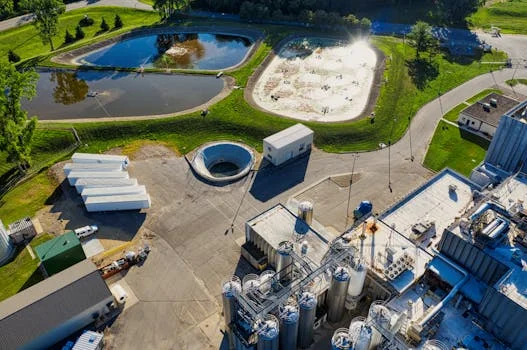
Delivered price tracks geography as closely as technology. A China-built unit typically costs 20–30% less than a European or North American equivalent with similar specs, which shapes global tender strategy. Middle East projects often face 12–18% import duty, pushing effective cost per m³/h into the $1,500–$1,900 band. African projects can see 25–40% premiums from logistics and last-mile handling, which is why modular skids travel better than site-built concrete. Local-content rules can also force a share of fabrication or installation to local firms and change the commercial structure.
According to the US EPA 2022 Clean Watersheds Needs Survey cost methods, national average wastewater capital estimates are stated in January 2022 dollars, with secondary mechanical curves split at 0.6 MGD so small-plant project data are not forced onto large-plant Capdet lines. That framework is for US needs surveys, not FOB skid quotes, but it confirms why small packaged plants show higher unit rates than large civil plants.
A mid-2025 quote should be rechecked before a 2026 purchase order rather than escalated with a blanket percentage. Most plants we size still hold the supplier's written validity date as the controlling number.
Market direction in 2025 still favors MBR where reuse or tight footprints matter, with adoption cited near 15% annual growth despite roughly 35% higher CAPEX versus conventional A/O. IoT and predictive maintenance continue to move from brochure feature to bid line item because avoided blower or membrane failures pay for the sensors quickly on remote sites.
Selection Checklist Before You Issue an RFQ
Use this short list before asking suppliers for firm prices:
- Design flow in m³/d and peak hourly factor, not only PE headcount.
- Influent BOD, COD, TSS, FOG, and any industrial toxics with sample dates.
- Effluent permit limits and whether reuse (irrigation, cooling) is required.
- Preferred tank material and design life (10–12 years steel vs 20+ years concrete/FRP).
- Power tariff ($/kWh) and whether unmanned night operation is allowed.
- Site access, soil, groundwater, and above-grade vs underground preference.
- Scope boundary: equipment only, skid install, or full turnkey with training.
Who this is for: plant engineers, EPC estimators, and procurement managers comparing A/O, MBBR, and MBR package options in the 5–50 m³/h band.
Who should look elsewhere: cities building >1 MGD civil plants, or buyers who only need a septic tank without secondary treatment.
Next step: send design flow, influent data, and discharge limits for a scoped equipment budget via our request a package plant quote form. Include whether the unit must be skid-mounted or underground so civil allowances stay honest.
Frequently Asked Questions
How much does a 10 m³/h package sewage treatment plant cost?
For an A/O system, expect $14,000–$18,000 for equipment. An MBR package at the same capacity typically runs $22,000–$28,000 because of membrane modules and tighter controls. Site preparation, installation, and commissioning usually add 20–40% on top of those equipment figures. Panels and blower frames often cover a band of flows, so the step up from 5 m³/h does not double the invoice.
What is included in a turnkey package plant?
A true turnkey scope usually covers the primary tank, aeration zone, clarifier or membrane tank, disinfection, PLC panel, blowers, and dosing skids as a pre-assembled package. The 50 m³/h MBR line at $55,000–$65,000 already names the blower, PLC, and dosing skid, with BOD under 10 mg/L. Delivery, installation, commissioning, and initial operator training should be listed explicitly so turnkey is not only a tank on a truck.
How long does a package sewage plant last?
Lifespan tracks construction material. Carbon steel units last about 10–12 years, stainless steel and FRP about 15–20 years, and reinforced concrete plants can run 20+ years with routine care. Membranes, blowers, and pumps wear faster and need their own replacement budget: plan membrane replacement every 5–8 years, often $5,000–$10,000 on a 20 m³/h plant.
Can package plants handle industrial wastewater?
Yes, when pretreatment matches the load. High FOG, TSS, or toxic spikes need upstream separators or equalization before the biological package. Inlet works equipment cost pricing data matters on those projects because screens sit outside the biological price. A full wastewater characterization is required before any industrial price is firm.
Are underground sewage plants more expensive?
Yes. Underground installation typically adds $3,000–$8,000 for excavation and civil work compared with an at-grade skid, based on the material table above. The premium buys surface reuse for parking or landscaping and can ease odor or visual constraints on private dwellings and resorts. High groundwater or rock can push that civil adder past the listed band through shoring and dewatering.
What size package plant do I need for 100 PE?
A 100 PE domestic load at 150–200 L/PE·d works out to about 15–20 m³/d average flow, which sits below the 5 m³/h equipment band in the pricing table. Most camps, small estates, and dwelling clusters therefore start from the 5 m³/h A/O floor of $8,000–$12,000, then add 20–40% for site work. A 40 PE cluster at 6–8 m³/d usually lands on the same catalog skid.
How much do freight and import duty add to a package plant quote?
Import duties, local labor, and logistics can raise delivered cost 20–45% above FOB in parts of Africa and Southeast Asia. Middle East projects often face 12–18% import duty, pushing effective cost per m³/h into the $1,500–$1,900 band, and African routes can add 25–40% for last-mile handling. A China-built unit typically costs 20–30% less than a European equivalent, which partly offsets those adders.