In Abu Dhabi, wastewater treatment plant costs vary by technology and scale. For a 10,000 m³/day tertiary treatment plant, CAPEX ranges from AED 12M (conventional activated sludge) to AED 22M (MBR), with OPEX at AED 0.85–1.20/m³. Salinity levels (3,000–4,000 ppm in Al Wathbah) add 15–25% to pretreatment costs, while energy-efficient systems (e.g., DAF with micro-bubble flotation) can reduce OPEX by 12%. This guide provides 2025 cost benchmarks, technology trade-offs, and a decision framework for industrial and municipal projects.
Why Abu Dhabi’s Wastewater Treatment Costs Are Unique: Salinity, Energy, and Reuse Demands
Abu Dhabi's raw wastewater salinity often ranges from 3,000–4,000 ppm, significantly higher than the global average of 500–1,000 ppm (per Top 2 PDF). This elevated salinity is primarily due to seawater intrusion into aging collection networks and groundwater infiltration, directly impacting treatment complexity and costs. Such high salt concentrations necessitate more robust pretreatment stages, often involving additional chemical dosing for coagulation and flocculation to prevent scaling and membrane fouling in advanced systems. These salinity adjustments can increase overall pretreatment costs by 15–25% compared to regions with lower salinity wastewater.
Energy costs in Abu Dhabi, at approximately AED 0.28/kWh, are about 20% higher than many global averages. This makes energy consumption a critical driver of operational expenditure (OPEX) for wastewater treatment plants. Consequently, technologies prioritizing energy efficiency, such as advanced Dissolved Air Flotation (DAF) systems with optimized air dissolution or Membrane Bioreactor (MBR) systems with low-pressure membranes, become more economically viable in the long term despite potentially higher initial capital expenditures (CAPEX).
Regulatory mandates in Abu Dhabi require 100% reuse of treated wastewater for various applications, including irrigation, aquifer recharge, and industrial cooling (per Top 1 PDF). This stringent requirement means that secondary treatment alone is insufficient; plants must incorporate tertiary or even quaternary treatment processes to meet the high effluent quality standards. Such advanced treatment stages, while crucial for sustainable water management in an arid region, inherently add to both CAPEX and OPEX. the future demand for treated wastewater is projected to rise substantially, from 910,299 m³/day in 2025 to 1,435,000 m³/day by 2030 (per Top 1 PDF), necessitating significant ongoing CAPEX investments in infrastructure expansion and upgrades.
Wastewater Treatment Plant Cost in Abu Dhabi: CAPEX and OPEX Benchmarks for 2025
The capital expenditure (CAPEX) and operational expenditure (OPEX) for wastewater treatment plants in Abu Dhabi vary significantly based on technology and plant capacity. For 2025, specific benchmarks provide a clear financial outlook for procurement managers and engineers.
| Technology | CAPEX (AED/m³/day) | OPEX (AED/m³) | Notes |
|---|---|---|---|
| Conventional Activated Sludge | 1,200–1,500 | 0.85–1.00 | Lowest CAPEX, highest footprint |
| DAF System | 1,800–2,200 | 0.90–1.10 | Best for high FOG/salinity |
| MBR System | 2,000–2,500 | 1.00–1.20 | Smallest footprint, reuse-ready |
Operational expenditure (OPEX) in Abu Dhabi is primarily driven by four key factors: energy (40%), labor (25%), chemicals (20%), and maintenance (15%). Abu Dhabi's higher labor costs, typically ranging from AED 120–150/hour for skilled operators and technicians, elevate the overall OPEX by 10–15% compared to global averages. Energy consumption, as discussed, is also a substantial factor due to the local tariff rates.
Salinity adjustment costs are a specific consideration for Abu Dhabi's unique raw wastewater characteristics. An additional AED 0.15–0.25/m³ is often required for chemical dosing, such as lime or ferric chloride, which helps mitigate membrane fouling and scaling in advanced MBR and Reverse Osmosis (RO) systems. These costs are critical for maintaining system efficiency and longevity in high-salinity environments.
Biosolids management also contributes significantly to OPEX. For instance, the Al Wathbah-2 WWTP alone generates approximately 13,859 tons of biosolids annually (per Top 2 PDF). The processes of dewatering, stabilization, and composting or land application typically incur costs ranging from AED 200–300/ton, depending on the final disposal method and transport distances.
Technology Comparison: MBR vs. DAF vs. Conventional Systems for Abu Dhabi’s Wastewater
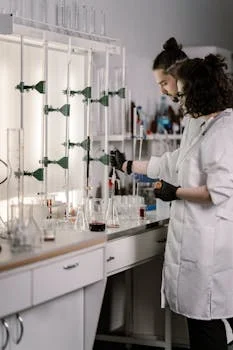
Selecting the optimal wastewater treatment technology in Abu Dhabi requires a detailed understanding of each system's performance, cost implications, and suitability for local conditions, particularly high salinity and stringent reuse mandates. Below is a comparative overview:
| Metric | Conventional Activated Sludge | DAF System | MBR System |
|---|---|---|---|
| TSS Removal (%) | 85–90 | 92–97 | 99+ |
| COD Removal (%) | 80–85 | 85–90 | 95+ |
| Footprint (m²/1,000 m³/day) | 1,200–1,500 | 800–1,000 | 400–600 |
| Energy Use (kWh/m³) | 0.4–0.6 | 0.5–0.7 | 0.8–1.2 |
| Salinity Tolerance (ppm) | 1,500 | 3,500 | 2,500 |
MBR systems, or Membrane Bioreactors, offer near-reuse-quality effluent, consistently achieving turbidity levels below 1 NTU and superior removal rates for TSS and COD. They boast a significantly smaller footprint, up to 60% less than conventional systems, making them ideal for urban areas like Abu Dhabi City where space is at a premium. However, MBR systems typically have a 30% higher CAPEX and consume more energy (0.8–1.2 kWh/m³) due to the membrane filtration process. Explore MBR systems for compact, reuse-ready wastewater treatment and compare MBR and conventional systems with Abu Dhabi-specific cost data.
DAF systems, or Dissolved Air Flotation, excel in treating high-salinity wastewater, often tolerating up to 3,500–4,000 ppm, and are highly effective for industrial wastewater with high fats, oils, and grease (FOG) content, such as from food processing or petrochemical facilities. In Abu Dhabi, DAF systems can achieve 15% lower OPEX than MBR due to their comparatively lower energy consumption and robust performance in challenging inlet conditions. DAF systems for high-salinity wastewater in Abu Dhabi are a strong consideration, and you can discover how DAF systems handle high-salinity wastewater like Abu Dhabi’s.
Conventional activated sludge systems represent the lowest CAPEX option but require the largest physical footprint and offer limited potential for direct wastewater reuse without extensive tertiary upgrades. These systems are generally more suitable for rural areas, such as Abu Dhabi’s Western Region, where land availability is less restrictive and raw wastewater salinity levels might be comparatively lower. A notable example is the Al Wathbah-2 WWTP, which uses conventional activated sludge but faces challenges with high salinity (per Top 2 PDF). An upgrade to a DAF system could potentially reduce OPEX by 12% and significantly improve effluent quality for irrigation purposes, addressing these salinity-related operational difficulties.
Abu Dhabi’s Regulatory and Compliance Costs: Permits, Reuse Standards, and Tariffs
Navigating Abu Dhabi's regulatory landscape is crucial for any wastewater treatment plant investment, as compliance often incurs substantial hidden costs that impact total project budgets. Procurement managers must account for these expenses to avoid unexpected overruns.
Permitting costs for new or upgraded wastewater treatment facilities range from AED 50,000–150,000. These fees primarily cover approvals from the Environment Agency – Abu Dhabi (EAD), which often includes mandatory Environmental Impact Assessments (EIAs) for plants exceeding 5,000 m³/day capacity. The EIA process involves detailed studies of potential environmental effects and mitigation strategies, adding both time and financial resources to the project timeline.
Reuse standards are particularly stringent in Abu Dhabi, reflecting the emirate's commitment to water conservation. Tertiary treatment is the minimum requirement for treated wastewater designated for irrigation, demanding effluent quality with TSS less than 10 mg/L, BOD less than 10 mg/L, and fecal coliform counts below 2.2 MPN/100 mL. For more sensitive applications such as aquifer recharge or industrial cooling, quaternary treatment, often involving advanced processes like Reverse Osmosis (RO), is mandated by EAD regulations (per Top 1 PDF). Learn how RO systems enable quaternary treatment for aquifer recharge. Effective disinfection, often achieved through technologies like chlorine dioxide generators for tertiary wastewater disinfection, is also essential for meeting these reuse standards.
Ongoing monitoring costs typically fall between AED 200,000–500,000 per year. This includes continuous online monitoring for key parameters like pH, TSS, COD, and ammonia, as well as quarterly laboratory testing for heavy metals, pathogens, and other specific contaminants. These monitoring requirements ensure continuous compliance with EAD discharge and reuse permits.
Wastewater tariffs imposed by the Abu Dhabi Sewerage Services Company (ADSSC) range from AED 0.50–0.70/m³ for collection and treatment services. Industrial users discharging high-strength wastewater (e.g., COD >1,000 mg/L) can face surcharges of 20–30% on these base tariffs, further increasing operational costs if not managed by an on-site treatment plant.
Biosolids disposal is also subject to EAD mandates, requiring composting or land application for the substantial volumes produced, such as the 13,859 tons/year at Al Wathbah-2. The associated costs for dewatering, transport, and processing can range from AED 200–300/ton, depending on the chosen method and location.
ROI Calculator: How to Justify Your Wastewater Treatment Plant Investment in Abu Dhabi
Justifying a significant wastewater treatment plant investment in Abu Dhabi requires a clear return on investment (ROI) framework that considers both cost savings and potential revenue streams. A robust ROI calculation can demonstrate the long-term financial benefits to stakeholders.
The fundamental ROI formula is: (Annual Savings + Revenue from Reuse) / (CAPEX + Annual OPEX). Consider an example for a 10,000 m³/day MBR plant, demonstrating how these metrics interact:
| Metric | Value (AED) |
|---|---|
| CAPEX | 20,000,000 |
| Annual OPEX | 3,100,000 |
| Annual Savings (tariff avoidance) | 1,825,000 |
| Revenue from Reuse (irrigation) | 1,200,000 |
| ROI | 12% |
Key savings drivers for an on-site wastewater treatment plant include avoiding ADSSC tariffs, which typically range from AED 0.50–0.70/m³. For a 10,000 m³/day plant operating 365 days a year, this equates to significant annual savings. Additionally, reducing the purchase of fresh, desalinated water—which costs AED 2.50–3.50/m³—by reusing treated wastewater can lead to substantial financial benefits.
Revenue drivers involve selling treated wastewater for various applications. For irrigation, treated wastewater can fetch AED 0.30–0.50/m³, while higher-grade effluent for industrial cooling could command AED 0.80–1.20/m³. These revenue streams directly offset the plant's operational costs, enhancing the overall financial viability.
Typical payback periods for wastewater treatment investments in Abu Dhabi range from 6–8 years for conventional systems due to their lower CAPEX. More advanced technologies like MBR or DAF systems, with their higher initial investment, generally have payback periods of 8–10 years, though their superior effluent quality and operational efficiencies can offer greater long-term value and compliance assurance.
To help procurement managers and planners make informed decisions, we offer a downloadable ROI calculator. This Excel template includes Abu Dhabi-specific inputs for salinity adjustments, energy costs, and ADSSC tariffs, allowing for a precise financial projection tailored to your project.
Supplier Selection Checklist: How to Choose a Wastewater Treatment Equipment Vendor in Abu Dhabi
Selecting the right wastewater treatment equipment vendor in Abu Dhabi is critical to project success, requiring a systematic evaluation beyond initial cost to mitigate procurement risk. A comprehensive checklist ensures all crucial aspects are considered.
Technical Criteria: The vendor must demonstrate extensive experience with high-salinity wastewater, specifically in the 3,000–4,000 ppm range common in Abu Dhabi. Their designs should emphasize energy efficiency to counteract high local energy costs (AED 0.28/kWh) and reliably produce reuse-ready effluent, meeting tertiary or quaternary treatment standards. Prior project experience with advanced technologies like MBR or DAF in similar challenging environments is a strong indicator of capability.
Local Support: A vendor with a robust local presence in Abu Dhabi, including dedicated service centers and a readily available spare parts inventory, is invaluable. This ensures rapid response times for maintenance and operational issues. 24/7 technical support and the availability of Arabic-speaking engineers are essential for effective communication and seamless operations.
Compliance: The chosen supplier must possess in-depth familiarity with Environment Agency – Abu Dhabi (EAD) and Abu Dhabi Sewerage Services Company (ADSSC) regulations. Their ability to assist with or provide documentation for Environmental Impact Assessments (EIAs) and ongoing monitoring reports is crucial for navigating the local regulatory framework efficiently.
Cost Transparency: Demand fixed-price CAPEX quotes that detail all components and installation costs. Request comprehensive OPEX breakdowns covering energy consumption, labor requirements, chemical usage, and maintenance schedules. Clear warranty terms, typically 2–5 years for major equipment, should also be explicitly provided.
Case Studies and References: Always request references and detailed case studies from similar wastewater treatment projects successfully completed in Abu Dhabi or the broader UAE. For instance, inquire about their experience with projects that have faced challenges akin to the Al Wathbah-2 WWTP upgrade, particularly concerning salinity and reuse mandates.
Frequently Asked Questions
Addressing common inquiries regarding wastewater treatment plant costs in Abu Dhabi can significantly streamline project planning and decision-making for procurement managers and municipal engineers.
What is the typical CAPEX for a 5,000 m³/day wastewater treatment plant in Abu Dhabi?
A: For a 5,000 m³/day plant, CAPEX typically ranges from AED 6M–9M for conventional activated sludge, AED 9M–12M for DAF systems, and AED 10M–14M for MBR systems. Salinity adjustments due to Abu Dhabi's raw wastewater characteristics can add an additional 15–25% to these initial capital expenditures.
How does salinity affect wastewater treatment costs in Abu Dhabi?
A: Abu Dhabi’s high raw wastewater salinity (3,000–4,000 ppm) significantly increases costs. It adds an estimated AED 0.15–0.25/m³ to OPEX for additional chemical dosing required for coagulation and flocculation, as well as for membrane fouling mitigation in advanced systems. DAF systems generally demonstrate higher cost-effectiveness than MBR for treating high-salinity wastewater due to their robust design against scaling and fouling.
What are the OPEX drivers for wastewater treatment plants in Abu Dhabi?
A: The primary operational expenditure (OPEX) drivers in Abu Dhabi are energy (40%), labor (25%), chemicals (20%), and maintenance (15%). High electricity tariffs (AED 0.28/kWh) and elevated labor costs (AED 120–150/hour for skilled operators) contribute to OPEX being 10–15% higher compared to global averages.
What are the reuse standards for treated wastewater in Abu Dhabi?
A: The Environment Agency – Abu Dhabi (EAD) mandates tertiary treatment for wastewater designated for irrigation, requiring effluent quality with TSS <10 mg/L, BOD <10 mg/L, and fecal coliform <2.2 MPN/100 mL. For more sensitive applications like aquifer recharge or industrial cooling, quaternary treatment, often involving advanced processes like Reverse Osmosis, is required.
How can I reduce wastewater treatment costs in Abu Dhabi?
A: To reduce costs, consider implementing energy-efficient technologies, such as DAF systems with optimized micro-bubble flotation, and continuously optimize chemical dosing to minimize consumption. exploring opportunities to sell treated wastewater for irrigation or industrial cooling can generate revenue to offset significant portions of the operational expenditure.