Wastewater Treatment Plant Cost in Curitiba 2025: CAPEX, OPEX & ROI Breakdown for Industrial & Municipal Projects
In 2025, wastewater treatment plant costs in Curitiba vary dramatically by scale and technology. Small-scale plants (≤30 L/s, serving ≤15,000 inhabitants) require CAPEX of R$ 2.5–5 million, with OPEX of R$ 0.80–1.50/m³ treated (NPV analysis, Paraná 2024). Large-scale plants (e.g., 2,100 L/s) demand R$ 300+ million upfront but achieve economies of scale (OPEX: R$ 0.30–0.60/m³). Key cost drivers include Paraná’s strict effluent standards (CONAMA 430/2011), energy-intensive aeration, and sludge disposal fees (R$ 120–200/ton in Curitiba). This guide provides granular cost breakdowns, technology comparisons, and an ROI calculator template for industrial and municipal projects.
Why Wastewater Treatment Costs in Curitiba Are Unique
Wastewater treatment plant costs in Curitiba and the broader Paraná state are significantly influenced by a unique combination of stringent environmental regulations, specific geographic conditions, and local economic factors. Paraná's effluent standards, particularly those derived from CONAMA 430/2011, impose stricter COD/BOD limits (e.g., 125 mg/L COD vs. 180 mg/L nationally) which can increase chemical dosing costs by 15–25% for compliance (Paraná Sanitation Agency 2024). This heightened requirement often necessitates more advanced treatment processes or higher chemical consumption compared to facilities operating under less restrictive national guidelines.
Curitiba's urban density and prevalent high water table also introduce distinct capital expenditure challenges. Constructing underground package systems for small-scale projects, such as WSZ underground integrated sewage treatment plants, can cost 30% more than surface installations due to the increased complexity of excavation, dewatering, and waterproofing (Top 1 scraped data). These civil works can significantly inflate initial project budgets, especially in densely populated areas where land is scarce and expensive.
Operational costs are also heavily impacted by local tariffs and fees. Sludge disposal fees in Curitiba are notably higher, ranging from R$ 120–200/ton, compared to a national average of R$ 80–150/ton. This disparity directly affects the OPEX for plants that do not implement efficient on-site dewatering solutions like plate-frame filter presses. Paraná’s industrial electricity tariffs, which typically fall between R$ 0.65–0.85/kWh, make energy-intensive aeration systems, such as those found in MBR plants, approximately 20% more expensive to operate than in regions like São Paulo (ANEEL 2025). This local energy pricing incentivizes the adoption of energy-efficient technologies or energy recovery systems like anaerobic digestion. For instance, a 50 m³/h food processing plant in São José dos Pinhais reduced OPEX by 18% by switching from activated sludge to DAF + anaerobic digestion, showcasing the value of tailored technology selection (HydropureWater 2024 client data).
CAPEX Breakdown: How Plant Size and Technology Impact Upfront Costs
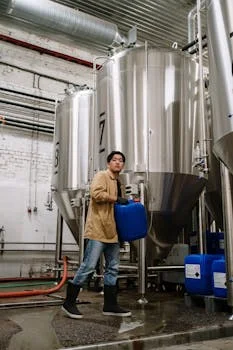
Capital expenditures for wastewater treatment plants in Curitiba are primarily dictated by the plant’s treatment capacity and the chosen technology, with significant variations across different scales. Small-scale plants, typically designed for flows of 1–30 m³/h and serving communities up to 15,000 inhabitants, generally incur CAPEX between R$ 2.5–5 million. Within this range, compact solutions like WSZ underground integrated sewage treatment plants cost R$ 3,500–5,000/m³/h, while more advanced Membrane Bioreactor (MBR) systems can range from R$ 6,000–8,000/m³/h due to membrane costs and intricate process controls (Top 4 NPV analysis).
For medium-scale plants, handling 30–200 m³/h, the CAPEX typically falls between R$ 15–50 million. The breakdown of these costs reveals that civil works, including basins and structures, account for approximately 40% of the budget. Equipment, such as DAF systems for industrial pretreatment and clarifiers, constitutes about 30%. Automation and control systems add another 20%, with the remaining 10% allocated to permitting and engineering fees (Paraná Sanitation Agency 2024). This scale often serves industrial parks or mid-sized municipalities, balancing cost with efficiency.
Large-scale plants, exceeding 200 m³/h, demand substantial investments, ranging from R$ 100–300+ million. A recent project for a 2,100 L/s (7,560 m³/h) plant in Curitiba, for instance, required an investment of R$ 300 million (Top 3), with approximately 60% of this budget allocated to biological treatment components like activated sludge systems and secondary clarifiers. These large facilities benefit from significant economies of scale in terms of cost per cubic meter treated, but their upfront capital is considerable.
Technology choices introduce significant cost multipliers. Implementing anaerobic digestion can add 25–35% to the CAPEX due to specialized reactors and gas handling systems, but it can also reduce OPEX by up to 40% through biogas energy offsets. Similarly, an MBR system for water reuse and strict compliance can increase CAPEX by 50% compared to conventional activated sludge, but its ability to produce high-quality effluent for water reuse becomes critical for industrial projects aiming to reduce fresh water consumption. Hidden CAPEX costs, often overlooked, include land acquisition (R$ 50–150/m² in Curitiba’s industrial zones), comprehensive environmental impact assessments (R$ 200–500K), and grid connection fees (R$ 10–30K) for electrical infrastructure.
| Plant Scale (Flow Rate) | Typical CAPEX Range (R$) | Primary Technologies | Key Cost Drivers |
|---|---|---|---|
| Small-scale (1–30 m³/h) | 2.5 – 5 million | WSZ Underground, Compact MBR | Excavation, specialized equipment, land cost |
| Medium-scale (30–200 m³/h) | 15 – 50 million | DAF, Activated Sludge, SBR, MBR | Civil works, equipment, automation, permitting |
| Large-scale (>200 m³/h) | 100 – 300+ million | Conventional Activated Sludge, MBR, Anaerobic Digestion | Biological treatment, civil infrastructure, land acquisition |
OPEX Deep Dive: Energy, Chemicals, and Sludge Disposal Costs in Curitiba
Operational expenditures (OPEX) represent a substantial portion of the total cost of ownership for wastewater treatment plants, with specific cost drivers in Curitiba significantly influencing annual budgets. Energy consumption is often the largest component, particularly for aeration-intensive biological treatment systems. In activated sludge plants, aeration can account for 50–70% of the total OPEX, translating to R$ 0.15–0.30/m³ treated. While MBR systems for water reuse offer superior effluent quality and enable water reuse, they typically consume about 30% more energy than conventional activated sludge, resulting in energy costs of R$ 0.25–0.40/m³ due to membrane filtration requirements.
Chemical costs are another significant factor, especially given Paraná’s strict effluent standards. Coagulants (R$ 8–12/kg) and flocculants (R$ 15–25/kg), essential for solids removal and phosphorus precipitation, can add R$ 0.10–0.30/m³ to OPEX. Paraná’s more stringent Chemical Oxygen Demand (COD) limits often necessitate higher dosing rates, increasing chemical consumption by 20–30% compared to national averages. Automated chemical dosing systems, like the HydropureWater automatic chemical dosing system, can optimize usage but the baseline cost remains high.
Sludge disposal fees in Curitiba are a notable cost burden, ranging from R$ 120–200/ton. This expense can be significantly mitigated by implementing on-site sludge dewatering to reduce disposal costs. Systems such as plate-frame filter presses can reduce sludge volume by up to 60%, lowering disposal costs to R$ 50–80/ton for the dewatered cake. The upfront investment in dewatering equipment often yields a rapid return through reduced transportation and landfill fees.
Labor costs, while often lower than other OPEX categories, can vary widely. Fully automated plants, including the WSZ underground integrated sewage treatment plant series, may require only 0.5 Full-Time Equivalent (FTE) for monitoring and occasional maintenance. In contrast, more manual systems can demand 2–3 FTEs, leading to annual labor savings of R$ 150–300K for automated facilities. Maintenance, typically 2–5% of CAPEX per year, includes routine checks, parts replacement, and specialized servicing. MBR membranes, for example, require replacement every 5–7 years, incurring a significant cost of R$ 500–800/m² of membrane area. A case study from a 100 m³/h textile plant in Araucária demonstrated a 22% reduction in OPEX by integrating anaerobic digestion with DAF for pretreatment, highlighting the potential for significant savings through optimized process design (HydropureWater 2024).
| OPEX Category | Typical Cost Range (R$/m³) | Paraná-Specific Impact | Mitigation Strategy |
|---|---|---|---|
| Energy (Aeration) | 0.15 – 0.40 | R$ 0.65–0.85/kWh (20% higher than São Paulo) | Energy-efficient blowers, anaerobic digestion for biogas |
| Chemicals | 0.10 – 0.30 | 20–30% higher dosing due to strict CONAMA 430 limits | Optimized dosing systems, biological phosphorus removal |
| Sludge Disposal | 0.05 – 0.20 (post-dewatering) | R$ 120–200/ton in Curitiba (vs. R$ 80–150 nationally) | On-site dewatering (e.g., filter presses), co-digestion |
| Labor | 0.03 – 0.15 | Varies by automation level (0.5 FTE vs. 2–3 FTE) | Automated control systems, remote monitoring |
| Maintenance | 0.05 – 0.15 | MBR membrane replacement (R$ 500–800/m² every 5-7 years) | Preventative maintenance, robust equipment selection |
ROI Calculator: How to Justify Your Wastewater Treatment Investment
Calculating the Return on Investment (ROI) for a wastewater treatment plant is essential for justifying capital expenditures and securing project budgets, particularly in the competitive Curitiba market. The fundamental ROI formula is: (Annual Savings + Revenue - Annual OPEX) / CAPEX. Key inputs for this calculation include avoided regulatory fines, savings from water reuse, and potential revenue generated from biogas. Understanding these factors with Curitiba-specific benchmarks provides a robust financial model for any project.
Avoided fines represent a significant financial incentive for compliance. Paraná’s environmental agency (IAP) can levy fines ranging from R$ 5,000 to R$ 50,000 for non-compliance with CONAMA 430/2011 effluent standards. For example, a 50 m³/h plant that consistently avoids R$ 30,000/year in potential fines can see its ROI improve by approximately 12% over the project lifecycle. This direct financial protection often forms the primary justification for initial investment in compliant treatment systems.
Water reuse savings offer another compelling economic benefit, particularly for industrial operations. In Curitiba, industrial facilities can save R$ 2.50–4.00/m³ by reusing treated wastewater for non-potable applications like cooling towers, compared to the cost of municipal water (R$ 5–7/m³). Advanced systems, such as MBR systems for water reuse and strict compliance, can enable up to 80% water recovery, potentially reducing a facility's fresh water costs by 60%. This substantial saving significantly boosts the long-term financial viability of a project.
Biogas revenue, generated through anaerobic digestion, provides an additional income stream. A typical anaerobic digestion system can produce 0.3–0.5 m³ of biogas per kilogram of Chemical Oxygen Demand (COD) removed. With Paraná's 2025 biogas tariff estimated at R$ 0.40/m³, a 100 m³/h industrial plant could generate R$ 50–100K per year by converting its organic waste into energy. This revenue not only offsets operational costs but can also contribute to a faster payback period. To assist in these complex calculations, a downloadable spreadsheet template is available, pre-populated with Paraná benchmarks for CAPEX, OPEX, and potential savings (link to gated asset). As an illustrative example, a 200 m³/h food processing plant implementing MBR with anaerobic digestion might achieve an 18% ROI within 5 years, based on a CAPEX of R$ 35M, annual OPEX of R$ 1.2M, and combined annual savings and revenue of R$ 2.1M.
| ROI Component | Typical Annual Impact (R$) | Notes for Curitiba/Paraná |
|---|---|---|
| Avoided Fines | 5,000 – 50,000 | IAP fines for CONAMA 430/2011 non-compliance |
| Water Reuse Savings | 2.50 – 4.00/m³ (reused) | Savings vs. R$ 5–7/m³ municipal water tariff |
| Biogas Revenue | 0.40/m³ (biogas) | Based on Paraná 2025 biogas tariff |
| Reduced Sludge Disposal | Up to 60% reduction in volume | Savings from on-site dewatering vs. R$ 120–200/ton fees |
| Energy Self-Sufficiency | Offset R$ 0.65–0.85/kWh | Biogas-to-energy reduces grid dependency |
Small-Scale vs. Large-Scale Plants: Which Is Right for Your Project?
The choice between small-scale and large-scale wastewater treatment plants in Paraná hinges on a project's specific flow rate, budget, regulatory compliance needs, and future growth projections. Each scale presents a distinct set of advantages and disadvantages that must be carefully evaluated. Small-scale plants, typically handling flows less than 30 m³/h, are characterized by lower CAPEX (R$ 2.5–5 million) and faster permitting processes, often taking 6–12 months. Their modular design, exemplified by WSZ underground integrated sewage treatment plants, allows for incremental expansion, making them suitable for rural communities or small industrial facilities. However, they generally incur higher OPEX per cubic meter treated (R$ 0.80–1.50) and offer limited potential for water reuse due to economic factors.
Medium-scale plants, designed for 30–200 m³/h, strike a balance, achieving better economies of scale with OPEX ranging from R$ 0.50–0.80/m³. These systems, often incorporating DAF systems or activated sludge, provide more robust treatment and better options for water reuse, making them ideal for industrial parks or growing municipalities. However, their CAPEX is substantially higher (R$ 15–50 million), and permitting can take longer, typically 12–18 months. This scale often requires more complex civil works and equipment integration.
Large-scale plants, processing over 200 m³/h, offer the lowest OPEX per cubic meter (R$ 0.30–0.60) due to significant economies of scale, making them the preferred choice for major municipal sanitation projects. Their high CAPEX (R$ 100–300M+) is a major barrier, and complex permitting processes can extend beyond 24 months. These facilities are designed for long-term, high-volume treatment and often incorporate advanced technologies like MBR or extensive anaerobic digestion for energy recovery. Matching the use case to the plant scale is crucial: small-scale solutions are best for remote communities or individual industrial sites, medium-scale for clustered industrial operations, and large-scale for urban centers. Scalability is also a key differentiator; while WSZ underground systems can expand in 10 m³/h increments, MBR systems typically require full membrane replacement for significant capacity upgrades, impacting future investment.
| Plant Scale | Pros | Cons | Ideal Use Case |
|---|---|---|---|
| Small-scale (<30 m³/h) | Lower CAPEX (R$ 2.5–5M), faster permitting (6–12 months), modular expansion | Higher OPEX/m³ (R$ 0.80–1.50), limited reuse potential | Rural communities, small industries, remote sites |
| Medium-scale (30–200 m³/h) | Economies of scale (OPEX: R$ 0.50–0.80/m³), better reuse options | Higher CAPEX (R$ 15–50M), longer permitting (12–18 months) | Industrial parks, mid-sized municipalities, large commercial facilities |
| Large-scale (>200 m³/h) | Lowest OPEX/m³ (R$ 0.30–0.60), ideal for municipalities | High CAPEX (R$ 100–300M+), complex permitting (24+ months) | Major urban centers, regional treatment hubs |
Frequently Asked Questions
Understanding the common questions surrounding wastewater treatment plant costs helps stakeholders make informed decisions for projects in Curitiba.
What are the biggest cost drivers for wastewater treatment plants in Curitiba?
The top three biggest cost drivers for wastewater treatment plants in Curitiba are: (1) Paraná’s strict effluent standards (requiring 20–30% higher chemical costs for compliance with CONAMA 430/2011), (2) energy-intensive aeration (accounting for 50–70% of total OPEX due to high electricity tariffs of R$ 0.65–0.85/kWh), and (3) sludge disposal fees (R$ 120–200/ton in Curitiba, significantly higher than national averages).
How much does a 50 m³/h wastewater treatment plant cost in Curitiba?
For a 50 m³/h wastewater treatment plant in Curitiba, the estimated CAPEX ranges from R$ 8–12 million for a conventional system like a WSZ underground integrated sewage treatment plant, or R$ 12–18 million for an advanced MBR system. Operational costs (OPEX) typically fall between R$ 0.70–1.20/m³, varying based on the chosen technology and sludge disposal method.
What’s the ROI for a small-scale plant in Paraná?
For a 30 m³/h small-scale plant serving a rural community in Paraná, the Return on Investment (ROI) typically ranges from 8–12% over a 10-year period. This ROI is primarily driven by avoided regulatory fines (estimated at R$ 20–50K/year for non-compliance with IAP standards) and reduced reliance on municipal water supply, leading to water cost savings of R$ 15–30K/year.
Are there financing options for wastewater treatment projects in Curitiba?
Yes, several financing options are available for wastewater treatment projects in Curitiba. The Paraná Sanitation Agency (SANEPAR) offers low-interest loans, typically at 6–8% Annual Percentage Rate (APR), specifically for municipal sanitation projects. Additionally, the Brazilian Development Bank (BNDES) provides financing lines for industrial wastewater treatment plants, with competitive interest rates ranging from 5–7% APR, to support sustainable industrial practices.
What permits are required for a wastewater treatment plant in Curitiba?
Key permits required for a wastewater treatment plant in Curitiba include: (1) an Environmental License from the Paraná Environmental Institute (IAP), which typically costs R$ 5–20K and takes 6–12 months to obtain; (2) a Water Abstraction License, costing R$ 2–5K; and (3) a Discharge Permit, an annual fee ranging from R$ 1–3K, authorizing the discharge of treated effluent into receiving waters in compliance with CONAMA 430/2011.