Eldoret Sewage Treatment Equipment Suppliers 2025: NEMA-Compliant Systems, Costs & Local Expert Guide
Eldoret’s industrial wastewater treatment requires systems capable of handling BOD levels up to 1,400 mg/L while meeting NEMA’s strict effluent standards (BOD ≤30 mg/L, TSS ≤30 mg/L). In 2025, factories in Eldoret’s industrial zones face average compliance costs of $120,000–$450,000 for turnkey systems, with ROI achieved in 3–5 years through avoided fines and water reuse savings. This guide compares local suppliers, technical specifications, and cost benchmarks to help buyers select NEMA-compliant equipment tailored to Eldoret’s textile, food processing, and agro-industry sectors.Why Eldoret’s Factories Are Failing NEMA Wastewater Audits in 2025
NEMA's 2024 compliance reports indicate that 68% of industrial discharges in Eldoret routinely exceed BOD and TSS limits, leading to significant environmental and regulatory challenges for local factories. This widespread non-compliance, as detailed in a University of Eldoret 2023 study, stems from the unique characteristics of Eldoret’s industrial wastewater and often inadequate existing treatment infrastructure. Textile factories located in Eldoret’s Kapsoya and Langas zones, for instance, are major contributors, generating wastewater with biochemical oxygen demand (BOD) levels reaching up to 1,396 mg/L and chemical oxygen demand (COD) up to 2,654 mg/L (University of Eldoret 2023). These high organic loads overwhelm conventional systems. Similarly, food processing plants prevalent in the Huruma and Pioneer zones contribute substantial concentrations of fats, oils, and grease (FOG), which are notorious for clogging treatment systems and hindering efficient biological processes. Common audit failures experienced by Eldoret factories include inadequate sludge handling capabilities, a lack of real-time monitoring to detect and respond to effluent excursions, and undersized systems that cannot cope with peak industrial loads. NEMA’s stringent enforcement actions for non-compliance typically involve hefty fines, which can range from KES 500,000 to KES 10M per violation, alongside public notices, and in severe cases, operational shutdowns. Addressing these challenges requires a strategic investment in robust, NEMA-compliant sewage treatment equipment supplier in Eldoret.NEMA-Compliant Sewage Treatment Systems for Eldoret: How They Work and What They Cost
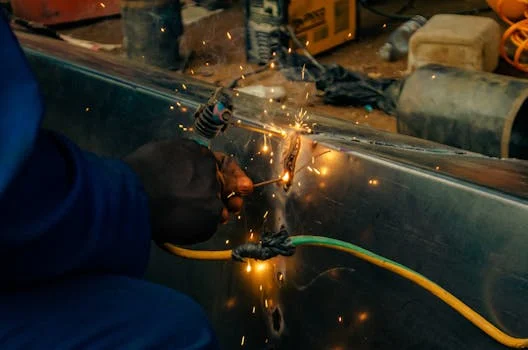
Dissolved Air Flotation (DAF) systems are highly effective for removing suspended solids and FOG, achieving upwards of 95% removal efficiency. This makes a high-efficiency DAF system for Eldoret’s FOG-heavy wastewater ideal for food processing plants and textile factories. DAF technology works by saturating wastewater with air under pressure, then releasing the pressure, causing microscopic bubbles to attach to contaminants and float them to the surface for skimming. Typical turnkey installation costs for DAF systems in Eldoret range from $80–$250 per cubic meter of capacity.
Membrane Bioreactor (MBR) systems combine conventional activated sludge treatment with advanced membrane filtration, typically using PVDF membranes with a 0.1 μm pore size. This integration delivers exceptionally high-quality effluent, often suitable for direct reuse, and boasts a footprint up to 60% smaller than traditional systems. A compact MBR system for NEMA-compliant water reuse in Eldoret is particularly beneficial for sites with limited space or those prioritizing water conservation. MBR systems usually cost between $120–$350 per cubic meter of capacity for a turnkey solution.
Chemical dosing systems are crucial for meeting NEMA’s strict pH standards (6.5–8.5) and for enhancing the removal of pollutants through coagulation and flocculation. PLC-controlled chemical dosing for NEMA pH compliance ensures precise injection of coagulants, flocculants, or pH adjusters, which is critical for agro-industry wastewater often characterized by high ammonia loads and fluctuating pH. These systems typically represent an investment of $15–$50 per cubic meter of capacity.
Maintenance costs are a significant operational expenditure (OPEX) factor. DAF systems generally incur annual maintenance costs of 5–10% of their CAPEX, primarily for pump maintenance and sludge disposal. MBR systems, while offering superior effluent quality, have higher maintenance costs, typically 8–12% of CAPEX annually, largely due to the periodic replacement of membranes every 5–7 years. Understanding these cost benchmarks is vital for a comprehensive evaluation of industrial wastewater treatment costs in Eldoret.
| System Type | Primary Function | Ideal Application (Eldoret) | Key Benefit | Turnkey Cost ($/m³ capacity) | Annual Maintenance (% of CAPEX) |
|---|---|---|---|---|---|
| Dissolved Air Flotation (DAF) | Suspended Solids, FOG Removal | Food Processing, Textile | High SS/FOG removal (95%+) | $80 – $250 | 5% – 10% |
| Membrane Bioreactor (MBR) | BOD, TSS, Nutrient Removal, Water Reuse | General Industrial, Water Scarcity | High effluent quality, small footprint (60% less) | $120 – $350 | 8% – 12% (membrane replacement) |
| Chemical Dosing System | pH Adjustment, Coagulation/Flocculation | Agro-industry, pH Imbalance | NEMA pH compliance (6.5–8.5), enhanced pollutant removal | $15 – $50 | 2% – 5% |
Eldoret Sewage Treatment Equipment Suppliers: 2025 Comparison Matrix
Identifying a reliable sewage treatment equipment supplier in Eldoret requires a detailed evaluation of their technical capabilities, NEMA compliance record, cost structures, and after-sales support, particularly given the unique demands of the region's industrial wastewater. Buyers must look beyond initial quotes to assess long-term operational viability and regulatory adherence.When selecting a sewage treatment equipment supplier in Eldoret, key criteria include the types of systems offered (DAF, MBR, chemical dosing), their capacity range, demonstrated NEMA certification for their installed systems, the transparency of turnkey costs, realistic lead times, and the robustness of after-sales support (warranty, training, spare parts availability). Performance benchmarks such as TSS removal (%), BOD removal (%), FOG removal (%), and system footprint (m²/m³ capacity) are critical for comparing technical efficacy. Suppliers without NEMA certification or a proven local service team, and those unable to provide Eldoret references, should be considered red flags.
For instance, a textile factory in Kapsoya successfully implemented a DAF system, achieving over 98% TSS and 90% FOG removal, significantly reducing their NEMA compliance risk and avoiding fines. Similarly, a food processing plant in Pioneer utilized an MBR system, not only meeting NEMA's stringent BOD ≤30 mg/L standard but also recovering 70% of their treated water for non-potable uses. These real-world performance data points are crucial for informed decision-making.
| Supplier (Example) | System Types Offered | Capacity Range (m³/h) | NEMA Compliance Track Record | Estimated Turnkey Cost ($/m³ avg) | Lead Time (weeks) | After-Sales Support | Key Performance (e.g., BOD Removal) |
|---|---|---|---|---|---|---|---|
| HydropureWater | DAF, MBR, Chemical Dosing, Containerized Systems | 5 – 500+ | Excellent (NEMA-certified designs) | $150 – $300 | 8 – 16 | Comprehensive (warranty, local tech team, spares) | MBR: 98%+ |
| AquaTech Solutions (Local) | DAF, Activated Sludge | 10 – 150 | Good (some NEMA-certified) | $100 – $250 | 10 – 18 | Standard (warranty, basic training) | DAF: 95%+ TSS |
| GreenFlow Water (Regional) | MBR, SBR | 20 – 300 | Very Good (strong NEMA focus) | $180 – $350 | 12 – 20 | Advanced (remote monitoring, annual service) | MBR: 97%+ |
| Eldoret Environmental Eng. | Septic Tanks, Basic Package Plants | 2 – 50 | Variable (depends on scale) | $70 – $180 | 6 – 12 | Limited (installation support) | Basic: 80% BOD |
Step-by-Step Decision Framework: Choosing the Right System for Your Eldoret Factory
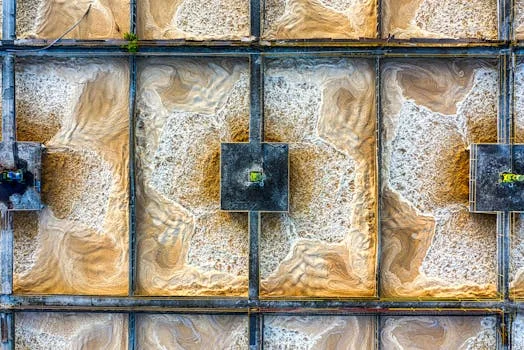
- Step 1: Assess Wastewater Characteristics. Begin by conducting detailed lab testing of your factory’s wastewater to determine key parameters such as BOD (Biochemical Oxygen Demand), COD (Chemical Oxygen Demand), TSS (Total Suspended Solids), FOG (Fats, Oils, and Grease), and pH. Recommend engaging local labs like ELDOWAS or reputable private providers for accurate analysis. Understanding how COD/BOD ratios affect system selection for Eldoret’s industrial wastewater is also crucial.
- Step 2: Determine NEMA Compliance Requirements. Clearly define the specific NEMA effluent standards applicable to your discharge point (e.g., BOD ≤30 mg/L, TSS ≤30 mg/L, pH 6.5–8.5). Additionally, research any supplementary Eldoret County regulations or local bylaws that may impact your treatment requirements. This forms your NEMA compliance checklist.
- Step 3: Calculate Required Capacity. Based on your factory’s average and peak daily wastewater flow rates (m³/h), calculate the necessary treatment capacity. Factor in any planned future expansion to ensure the system can accommodate increased loads without requiring costly upgrades later. Consider containerized wastewater treatment options for Eldoret’s remote sites or for modular expansion.
- Step 4: Evaluate System Types and Suppliers. Utilize the comparison matrix from the previous section to evaluate which system types (e.g., DAF for FOG-heavy, MBR for water reuse, chemical dosing for pH adjustment) best align with your wastewater profile and compliance goals. Shortlist 3–5 potential sewage treatment equipment supplier in Eldoret based on their experience, technology, and local presence.
- Step 5: Request Quotes and Conduct Due Diligence. Solicit detailed proposals from your shortlisted suppliers. Insist on site visits to existing installations and, if feasible, request pilot testing at your facility. A pilot test should demonstrate the system's ability to treat your specific wastewater to NEMA standards under varying load conditions.
- Step 6: Negotiate Turnkey Contracts. Once a preferred supplier and system are identified, negotiate a comprehensive turnkey contract. Ensure the Service Level Agreements (SLAs) clearly define responsibilities for installation, commissioning, operator training, NEMA compliance verification, and ongoing after-sales support, including spare parts availability and emergency response.
ROI Calculator: How Much Can Your Factory Save with NEMA-Compliant Equipment?
Investing in NEMA-compliant sewage treatment equipment for Eldoret factories typically yields a return on investment within 3-5 years, primarily driven by avoided regulatory fines, significant water reuse savings, and enhanced operational efficiencies. This financial benefit often outweighs the initial capital expenditure.Avoided Fines: NEMA penalties for effluent non-compliance are substantial, ranging from KES 500,000 to KES 10M per violation, according to NEMA’s 2024 fee schedule. A single major violation can quickly erode a factory's profits, making compliance a critical risk management strategy.
Water Reuse Savings: Advanced systems like MBR wastewater treatment ROI is particularly strong due to their ability to recover 60–80% of treated water. This reclaimed water can be safely used for non-potable applications such as cooling towers, irrigation, equipment cleaning, and process water, significantly reducing reliance on expensive municipal or borehole water sources.
Operational Savings: Modern wastewater treatment technologies offer various operational efficiencies. For instance, a high-efficiency DAF system can reduce chemical usage by up to 30% compared to conventional sedimentation tanks, thanks to better solids separation. energy-efficient MBR systems typically operate within 0.8–1.2 kWh/m³ of treated water, optimizing power consumption. These savings contribute directly to a lower overall industrial wastewater treatment costs in Eldoret.
The Return on Investment (ROI) can be calculated using the formula:
ROI = (Annual savings from avoided fines + water reuse + operational efficiencies) / (CAPEX + annual OPEX)
Consider an example calculation for an Eldoret textile factory:
| Parameter | Value |
|---|---|
| Wastewater Flow | 50 m³/h |
| Capital Expenditure (CAPEX) for NEMA-compliant system | $250,000 |
| Annual Operational Expenditure (OPEX) | $25,000 |
| Annual Savings from Avoided Fines (estimated) | $40,000 |
| Annual Savings from Water Reuse (estimated) | $30,000 |
| Annual Operational Efficiencies (estimated) | $10,000 |
| Total Annual Savings | $80,000 |
| ROI Period | 3.125 years ($250,000 / ($80,000 - $25,000)) |
In this scenario, the factory achieves an ROI in approximately 3.125 years, demonstrating the clear financial incentive for investing in NEMA-compliant sewage treatment equipment.
Frequently Asked Questions
Q: What are the primary NEMA effluent standards for Eldoret industrial discharge?
A: For industrial discharge in Eldoret, NEMA generally mandates effluent standards of BOD ≤30 mg/L, TSS ≤30 mg/L, and a pH range of 6.5–8.5. Specific industries may have additional parameters or tighter limits.
Q: How much does industrial wastewater treatment equipment cost in Eldoret?
A: Turnkey industrial wastewater treatment costs in Eldoret typically range from $120,000 to $450,000, depending on capacity, technology (e.g., DAF, MBR), and complexity. Granular costs for DAF are $80–$250/m³ capacity, MBR $120–$350/m³, and chemical dosing $15–$50/m³.
Q: What is the typical lead time for installing a new sewage treatment plant in Eldoret?
A: The lead time for design, fabrication, delivery, and installation of a new industrial sewage treatment plant in Eldoret typically ranges from 8 to 20 weeks, depending on the system's complexity and supplier's inventory.
Q: Can treated wastewater be reused in Eldoret factories?
A: Yes, advanced systems like MBR can treat wastewater to near-potable quality, allowing 60–80% of treated water to be reused for non-potable applications such as cooling, irrigation, or cleaning, significantly reducing operational costs and improving sustainability.
Q: What are the risks of NEMA non-compliance in Eldoret?
A: Risks include substantial fines (KES 500,000 to KES 10M per violation), public notices, damaged corporate reputation, and potential factory shutdowns, all of which incur significant financial and operational losses.
Q: How do I find a reliable sewage treatment equipment supplier in Eldoret with good after-sales support?
A: Look for suppliers with a proven NEMA compliance track record, local installation and service teams, transparent warranty policies, readily available spare parts, and positive Eldoret-based client references. A detailed supplier comparison matrix can assist in this selection process.
Related Equipment
- high-efficiency DAF system for Eldoret’s FOG-heavy wastewater — view specifications, capacity range, and technical data
- compact MBR system for NEMA-compliant water reuse in Eldoret — view specifications, capacity range, and technical data
- PLC-controlled chemical dosing for NEMA pH compliance — view specifications, capacity range, and technical data
Need a customized solution? Request a free quote with your specific flow rate and pollutant parameters.