Beira’s Sewage Treatment Challenges: Why Local Compliance and Climate Matter
Beira’s sewage treatment equipment market in 2025 demands solutions tailored to Mozambique’s Decreto 45/2006 discharge limits (e.g., BOD < 30 mg/L, TSS < 50 mg/L) and local challenges like coastal salinity and unreliable power. Suppliers like Visaqua offer broad partnerships but lack technical depth, while niche providers focus on port waste—leaving a gap for industrial and municipal buyers. This guide compares 5 top suppliers by flow rate (1–500 m³/h), removal efficiency (90–98% COD), and cost ($50K–$2M for turnkey plants), with a decision framework to match equipment to Beira’s climate and budget constraints.
Mozambique’s Decreto 45/2006 mandates strict effluent limits for coastal cities to protect the sensitive marine environment of the Sofala Bank. For industrial and municipal operators, failing to meet standards such as BOD < 30 mg/L and E. coli < 1,000 CFU/100mL results in escalating daily fines and potential facility closures. In Beira, these regulatory pressures are compounded by a high-salinity environment, where Total Dissolved Solids (TDS) can reach 35,000 mg/L in coastal areas. Standard 304 stainless steel equipment often fails within 18 months due to pitting corrosion; therefore, procurement managers must specify corrosion-resistant materials like duplex 2205 stainless steel or Fiber Reinforced Plastic (FRP), which typically carry a 15–25% CAPEX premium but extend equipment lifespan by over a decade.
Power reliability remains a significant operational bottleneck, with Beira’s industrial zones averaging 12 hours of grid instability or outages per day. This necessitates the selection of energy-efficient systems, such as MBR units that operate at 0.4 kWh/m³ compared to conventional activated sludge systems requiring 0.8 kWh/m³. Integrating solar-powered aeration or gravity-fed primary treatment can further mitigate the risk of biological process failure during extended blackouts. For instance, a Beira-based textile factory recently transitioned from a non-compliant lagoon system to a $350,000 DAF and MBR configuration. This upgrade reduced environmental fines by 90% and, through process water reuse, achieved a full return on investment in 3.2 years (HydropureWater field data, 2025).
| Parameter | Decreto 45/2006 Limit | Beira Environmental Challenge | Recommended Mitigation |
|---|---|---|---|
| BOD5 | < 30 mg/L | High organic loads from food processing | MBR or high-efficiency Aerobic systems |
| TSS | < 50 mg/L | Fine silt and sand infiltration | Multi-media filtration or DAF units |
| Salinity (TDS) | < 1,500 mg/L (inland) | Coastal seawater intrusion (35k mg/L) | Duplex 2205 or FRP construction |
| Pathogens | < 1,000 CFU/100mL | High ambient temperatures accelerate growth | UV sterilization or Ozone dosing |
Key Sewage Treatment Technologies for Beira: Specs, Costs, and Use Cases
Selecting the right technology depends on the influent contaminant profile and the specific discharge or reuse goals of the facility. For industrial applications involving high fats, oils, and grease (FOG), such as fish processing or manufacturing, salinity-resistant DAF systems for Beira’s industrial wastewater are the industry standard. The DAF line, with flow rates from 4 to 300 m³/h, removes up to 95% of FOG and 85% of TSS. In Beira, turnkey DAF installations are priced between $80 and $150 per m³ of capacity—roughly 30% lower than Maputo pricing due to localized labor for civil works and assembly.
For municipal projects or high-end commercial developments requiring superior water quality, MBR systems for Beira’s municipal and industrial reuse projects offer a footprint 60% smaller than conventional clarifiers. These systems achieve near-zero TSS and BOD levels, making the effluent suitable for irrigation or cooling towers. Beira pricing for MBR plants typically ranges from $1,200 to $1,800 per m³/day. For smaller footprints like hotels or hospitals, the compact WSZ series for Beira’s hotels and hospitals provides a fully automated, underground solution that eliminates odor issues and saves valuable surface space, with project costs ranging from $50,000 to $400,000 including civil works.
Sludge management is often overlooked but represents a major OPEX driver. High-pressure plate-frame filter presses can reduce sludge volume by 70%, significantly lowering transport costs to the Munhava landfill. For rural areas or low-budget municipal upgrades, Anaerobic Baffled Reactors (ABRs) provide a passive treatment option. While they only achieve about 70% BOD removal, their low CAPEX ($10,000–$50,000 for 50 m³/day) and zero power requirement make them viable for decentralized sanitation in peri-urban Beira.
| Technology Type | Flow Rate Range | Removal Efficiency (COD) | Beira CAPEX Benchmark |
|---|---|---|---|
| DAF | 4 – 300 m³/h | 80 – 90% | $80 – $150 / m³ |
| MBR (DF Series) | 10 – 2,000 m³/day | 95 – 98% | $1,200 – $1,800 / m³ |
| WSZ (Underground) | 1 – 80 m³/h | 90 – 95% | $50K – $400K (Turnkey) |
| ABR (Anaerobic) | 5 – 50 m³/day | 60 – 75% | $10K – $50K |
Top 5 Sewage Treatment Equipment Suppliers in Beira: Technical Comparison and Local Presence
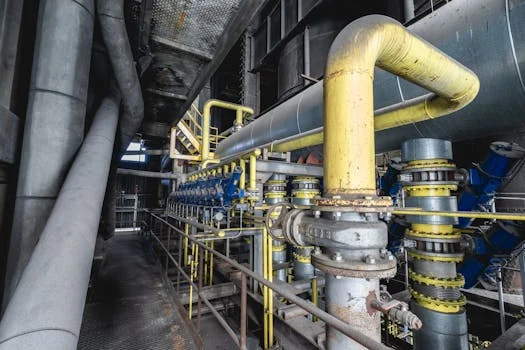
The Beira market is split between large-scale infrastructure firms and specialized equipment manufacturers. Procurement managers must weigh the benefits of local support against technical specialization. Visaqua (part of Grupo Visabeira) is the dominant player for large-scale municipal projects exceeding 500 m³/h. While they offer comprehensive project management, their technical specifications for industrial-grade equipment are often opaque, and their primary service hub is in Maputo, which can lead to response delays during critical equipment failures in Beira.
HydropureWater provides a middle-ground solution, focusing on industrial WSZ, DAF, and MBR systems that carry Mozambican compliance certifications. By maintaining a local distributor in Beira with a 24/7 support team, they offer a faster turnaround for spare parts and maintenance than international brands. Their pricing is typically 10–20% below European competitors like GAUFF Engineering, who focus on high-CAPEX municipal water distribution centers. While GAUFF offers unparalleled compliance expertise, their solutions often exceed the budget constraints of private industrial operators. For budget-conscious buyers, San-Lan offers low-cost DAF and MBR units; however, the lack of a local office means that after-sales support is virtually non-existent, placing a high risk on the buyer for long-term maintenance.
| Supplier | Core Specialization | Local Beira Support | Compliance Expertise |
|---|---|---|---|
| Visaqua | Large Municipal Infrastructure | Regional (Maputo-based) | High (FIPAG Standards) |
| HydropureWater | Industrial MBR/DAF/WSZ | Local Distributor (Beira) | High (Decreto 45/2006) |
| San-Lan | Budget Equipment | None (Import Only) | Moderate |
| GAUFF Engineering | Water Distribution/Consulting | Project-Based | Very High |
| Local Contractors | Septic/ABR Systems | Direct | Low (Basic Septic) |
Cost Breakdown for Beira Sewage Treatment Projects: CAPEX, OPEX, and ROI Calculator
Budgeting for a sewage treatment plant in Beira must account for both the initial investment and the long-term operational reality of the coastal environment. CAPEX for a small industrial plant (50–200 m³/day) typically ranges from $50,000 to $200,000, while larger municipal-scale plants (up to 2,000 m³/day) can reach $2M. A critical factor in Beira is the cost of civil works, which generally accounts for 30% of the total budget due to the need for reinforced foundations in the region’s sandy, high-water-table soil. For those looking for sludge dewatering options for Beira’s industrial plants, integrating a filter press can add $20,000 to $150,000 but drastically reduces disposal costs.
OPEX in Beira is influenced by lower-than-average labor rates compared to South Africa, but higher energy and chemical import costs. Operators should budget $0.10–$0.30 per m³ for energy and $0.05–$0.15 per m³ for specialized flocculants or disinfectants. The primary driver for ROI is the avoidance of environmental fines, which can range from $50,000 to $200,000 annually for persistent non-compliance. Additionally, industrial facilities can save between $0.50 and $1.50 per m³ by replacing municipal water with treated effluent for non-potable processes. A food processing plant in Beira recently demonstrated this by saving $180,000 annually after installing a $450,000 MBR system, resulting in a 2.5-year payback period.
ROI Formula: (Annual Fine Avoidance + Annual Water Reuse Savings - Annual OPEX) / Total CAPEX = Payback Period (Years).
| Cost Category | Industrial (100 m³/day) | Municipal (1,000 m³/day) | Notes |
|---|---|---|---|
| Equipment CAPEX | $70,000 - $120,000 | $600,000 - $900,000 | Includes MBR/DAF units |
| Civil Works | $25,000 - $40,000 | $180,000 - $300,000 | Higher in marshy areas |
| Energy OPEX | $0.15 / m³ | $0.12 / m³ | Based on EDM tariffs |
| Chemical OPEX | $0.08 / m³ | $0.05 / m³ | Polymer and Chlorine |
Procurement Checklist: How to Select a Supplier in Beira
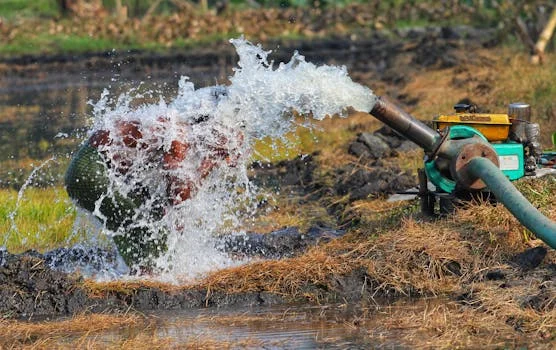
To mitigate the risk of project failure, procurement managers should follow a structured evaluation process that prioritizes technical suitability over the lowest initial bid. For projects requiring immediate implementation, modular systems for Beira’s rapid deployment needs can reduce lead times from months to weeks.
- Step 1: Define Influent and Effluent Parameters. Conduct a 7-day composite water test to determine peak BOD, TSS, and TDS levels. Use Mozambique’s Decreto 45/2006 as the baseline for your effluent targets.
- Step 2: Verify Certifications. Request ISO 9001 certification and specific Mozambican Ministry of Health or Environmental Ministry approvals. Red flag: Suppliers unable to provide local reference sites in the Sofala province.
- Step 3: Evaluate Material Specifications. Ensure all submerged metal components are Duplex 2205 or high-grade FRP to withstand Beira’s salinity. Standard 304/316 stainless steel is insufficient for coastal projects.
- Step 4: Assess After-Sales Infrastructure. Visit the supplier’s local warehouse. Check for a stock of critical spares (e.g., blower diaphragms, MBR membranes, dosing pumps) to ensure a lead time of under 48 hours for repairs.
- Step 5: Finalize Performance Guarantees. Contracts should include a performance bond linked to effluent quality and a minimum 90% system uptime guarantee. Ensure the quote includes on-site training for at least three local operators.
Frequently Asked Questions
What are the three types of sewage treatment?
Sewage treatment is divided into primary, secondary, and tertiary stages. Primary treatment involves physical removal of solids (e.g., using DAF or screens). Secondary treatment uses biological processes to break down organic matter (e.g., MBR or activated sludge). Tertiary treatment provides advanced polishing through filtration or disinfection (e.g., UV or RO) to allow for water reuse.
Which low-cost wastewater treatment options work best in Beira?
For rural or low-budget applications, Anaerobic Baffled Reactors (ABRs) cost between $10,000 and $50,000 and require no electricity. Septic tanks are suitable for small clinics ($5,000–$20,000), while constructed wetlands are an effective, low-maintenance solution for eco-tourism resorts along the coast, costing $20,000–$100,000 depending on land availability.
How much does a small sewage treatment plant cost in Beira?
A small plant treating 50–200 m³/day typically costs between $50,000 and $200,000. This range includes integrated WSZ or MBR systems and basic civil works. While used equipment can be found for 30–50% less, it often lacks the corrosion resistance required for Beira’s climate and rarely comes with performance warranties.
What are Mozambique’s wastewater discharge standards?
Regulated by Decreto 45/2006, the standards for discharge into the environment include BOD < 30 mg/L, TSS < 50 mg/L, and E. coli < 1,000 CFU/100mL. In coastal cities like Beira, specific attention is paid to salinity and nutrient levels to prevent eutrophication in the harbor and surrounding estuaries.
Can I reuse treated sewage in Beira?
Yes, treated sewage is increasingly reused in Beira for landscape irrigation and industrial cooling. To reuse water for irrigation, BOD and TSS must be below 10 mg/L. For industrial process water, advanced tertiary treatment like MBR followed by Reverse Osmosis (RO) is required to ensure TSS is near zero and salinity is controlled. Major facilities, such as the local Coca-Cola bottling plant, have successfully implemented reuse programs to reduce their reliance on the municipal grid.