Wastewater Treatment Plant Cost in Mecca 2026: Industrial CAPEX Breakdown, Tech-Specific ROI & Local Compliance Blueprint
In Mecca, industrial wastewater treatment plant costs in 2026 range from SAR 80 million to SAR 450 million (USD 21.3M–120M) for capacities of 5,000–20,000 m³/day, depending on technology and compliance requirements. For example, a 10,000 m³/day MBR system in Mecca’s 2nd Industrial City averages SAR 220 million (USD 58.7M) in CAPEX, including pretreatment, biological treatment, and disinfection—while a dissolved air flotation (DAF) system for the same capacity costs 30–40% less but requires additional tertiary treatment to meet SWPC’s reuse standards (TSS <10 mg/L, COD <50 mg/L).
Why Mecca’s Wastewater Treatment Costs Are Higher Than Riyadh or Jeddah
Mecca’s unique environmental and demographic profile significantly influences its wastewater treatment plant costs, often exceeding those in Riyadh or Jeddah. These elevated expenses stem from critical factors like extreme water scarcity, the immense logistical demands of religious tourism, and the specific characteristics of its industrial wastewater. Understanding these drivers is paramount for accurate budgeting and project planning.
Mecca faces acute water scarcity, with an annual per capita availability of only 120 m³, a stark contrast to Riyadh's 250 m³. This deficit mandates stringent wastewater reuse policies, pushing for advanced tertiary treatment stages like ultrafiltration or reverse osmosis. These sophisticated processes can add between 25% and 35% to the Capital Expenditure (CAPEX) of a treatment plant, as per SWPC guidelines (2024).
The city’s role as the holiest site in Islam brings surges of 3–4 million pilgrims during Hajj and Umrah seasons. These massive influxes cause significant, albeit temporary, spikes in wastewater flow – sometimes exceeding design capacity by up to 30%. To accommodate these fluctuations, infrastructure must be oversized, or flexible mobile treatment units must be integrated, a requirement outlined in MODON’s 2025 guidelines, thereby increasing initial investment.
Mecca's industrial landscape, which includes food processing, textiles, and pharmaceuticals, generates wastewater with a high organic load. Typical Chemical Oxygen Demand (COD) levels can range from 1,200–3,500 mg/L, considerably higher than the 500–800 mg/L often seen in Riyadh. This necessitates robust pretreatment stages, such as Dissolved Air Flotation (DAF) or equalization tanks, to manage these high-strength effluents. For a 10,000 m³/day plant, these pretreatment systems can add SAR 15–25 million to the CAPEX.
Mecca’s geological conditions present their own set of challenges. The prevalent soil composition, often characterized by high salinity and limestone bedrock, makes excavation more complex and costly—typically 10–15% higher than in Jeddah. Additionally, the corrosive nature of the local groundwater often demands the use of more expensive, corrosion-resistant materials like 316L stainless steel, compared to standard 304, for critical components, adding another 5–10% premium to material costs.
| Factor | Mecca Specifics | Riyadh/Jeddah Comparison | Estimated CAPEX Impact (SAR Millions) |
|---|---|---|---|
| Water Scarcity & Reuse Mandates | 120 m³/yr/capita; high tertiary treatment demand | 250 m³/yr/capita; lower reuse pressure | +25-35% for advanced tertiary (e.g., RO) |
| Religious Tourism Peaks | 30% flow surge capacity needed | More stable flow; less surge capacity required | +10-15% for oversized infrastructure/mobile units |
| Industrial Wastewater Strength | COD: 1,200-3,500 mg/L (food, textile) | COD: 500-800 mg/L | +15-25M for advanced pretreatment (DAF/Equalization) |
| Geology & Materials | Saline soil, limestone bedrock; requires 316L SS | Standard soil conditions; 304 SS often sufficient | +10-15% excavation; +5-10% materials |
Mecca Wastewater Treatment Plant Cost Breakdown: CAPEX, OPEX, and Technology-Specific Models
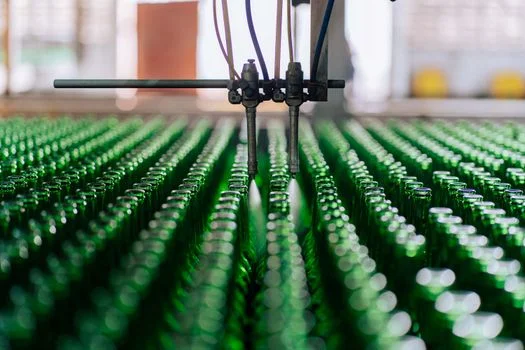
Accurate financial planning for industrial wastewater treatment plants in Mecca requires a granular breakdown of both Capital Expenditure (CAPEX) and Operational Expenditure (OPEX). This detailed approach allows project managers and procurement teams to justify budgets, compare technology options effectively, and understand the long-term financial implications of their investment.
For a typical 10,000 m³/day industrial wastewater treatment plant in Mecca, the CAPEX can be segmented as follows, based on MODON 2025 tender documents: Civil works (40–50% or SAR 32–50 million), mechanical equipment (60–80% or SAR 48–64 million), electrical and instrumentation (25–35% or SAR 20–28 million), commissioning (10–15% or SAR 8–12 million), and a contingency buffer (15–20% or SAR 12–16 million). It is important to note that these figures exclude land acquisition, which in Mecca’s industrial zones can range from SAR 5–10 million per hectare.
Technology selection profoundly impacts CAPEX. For a 10,000 m³/day capacity, Membrane Bioreactor (MBR) systems typically range from SAR 18,000–25,000 per m³/day (SAR 180–250 million total). Dissolved Air Flotation (DAF) systems, when combined with necessary tertiary treatment to meet reuse standards, fall within SAR 12,000–18,000 per m³/day (SAR 120–180 million total). Conventional Activated Sludge (A/O) processes are the most budget-friendly upfront, at SAR 10,000–15,000 per m³/day (SAR 100–150 million total).
Operational Expenditure (OPEX) is critical for long-term cost assessment, typically ranging from SAR 0.80 to SAR 1.50 per m³ treated. This includes energy costs (0.30–0.60 SAR/m³), chemicals (0.15–0.30 SAR/m³), labor (0.10–0.20 SAR/m³), maintenance (0.10–0.25 SAR/m³), and sludge disposal (0.15–0.30 SAR/m³). While MBR systems can achieve 20–30% lower chemical consumption due to efficient nutrient removal, they generally incur 40% higher energy costs compared to DAF systems (SWPC 2024 data).
Mecca’s industrial electricity tariffs, currently between SAR 0.18–0.24/kWh, significantly influence OPEX. Assuming a conservative 2–3% annual increase through 2030, energy costs will represent an increasingly substantial portion of the operational budget. Beyond these direct costs, industrial buyers must account for ‘hidden costs’: permitting delays (3–6 months in Mecca), Hajj-season labor shortages (potentially increasing labor costs by 10–15%), and the essential use of corrosion-resistant materials (adding 5–10% to equipment costs).
| Cost Category | Typical Range (SAR Millions) | Percentage of Total CAPEX |
|---|---|---|
| Civil Works | 32 - 50 | 40-50% |
| Mechanical Equipment | 48 - 64 | 60-80% |
| Electrical & Instrumentation | 20 - 28 | 25-35% |
| Commissioning | 8 - 12 | 10-15% |
| Contingency | 12 - 16 | 15-20% |
| Total Estimated CAPEX (Excluding Land) | 120 - 170 | 100% |
| Technology CAPEX per m³/day (Total) | MBR: SAR 18,000–25,000 | |
| DAF + Tertiary: SAR 12,000–18,000 | ||
| Conventional A/O: SAR 10,000–15,000 | ||
| Estimated OPEX per m³ | 0.80 - 1.50 |
For advanced MBR systems tailored to Mecca’s high-strength industrial wastewater, explore our MBR Integrated Wastewater Treatment System. For robust pretreatment solutions ideal for food processing and textile effluents, consider our Dissolved Air Flotation (DAF) System.
MBR vs. DAF vs. Conventional A/O: Which Technology Fits Mecca’s Industrial Needs?
Selecting the optimal wastewater treatment technology for an industrial facility in Mecca requires a thorough evaluation of effluent quality requirements, physical footprint, sludge management, and energy consumption. Each technology presents a distinct trade-off profile, and the best choice is highly dependent on specific operational goals and local conditions. This comparison focuses on Membrane Bioreactor (MBR), Dissolved Air Flotation (DAF) with tertiary treatment, and Conventional Activated Sludge (A/O) processes, benchmarked against Mecca’s stringent SWPC 2026 reuse standards.
In terms of effluent quality, MBR systems consistently deliver the highest performance, achieving Total Suspended Solids (TSS) below 5 mg/L and COD below 30 mg/L, often exceeding SWPC’s reuse standards (TSS <10 mg/L, COD <50 mg/L). DAF systems, when coupled with effective tertiary treatment, can meet these standards, but typically result in TSS below 10 mg/L and COD below 50 mg/L. Conventional A/O systems, while effective for primary and secondary treatment, usually struggle to meet reuse standards without significant additional polishing, often leaving TSS below 30 mg/L and COD below 120 mg/L.
Footprint is a critical consideration in Mecca’s land-constrained industrial zones. MBR systems are the most compact, requiring only 150–200 m² per 1,000 m³/day of capacity. DAF systems with tertiary treatment occupy a larger area, typically 250–350 m² per 1,000 m³/day. Conventional A/O processes are the least space-efficient, needing 400–500 m² per 1,000 m³/day. Given land costs in Mecca (SAR 5–10M/hectare), MBR’s smaller footprint offers a significant advantage.
Sludge production is another key differentiator. MBR systems generate the least amount of sludge, typically 0.1–0.2 kg TSS per kg COD removed. DAF systems produce moderate amounts (0.3–0.5 kg TSS/kg COD), while conventional A/O processes yield the most (0.4–0.6 kg TSS/kg COD). With Mecca’s sludge disposal costs ranging from SAR 800–1,200 per ton, MBR’s lower sludge yield can offset its higher initial CAPEX over the system’s lifecycle.
Energy consumption varies considerably. MBR systems typically require 0.8–1.2 kWh/m³ due to membrane aeration and pumping. DAF systems consume 0.4–0.6 kWh/m³, and conventional A/O systems are the most energy-efficient at 0.3–0.5 kWh/m³. A 10-year OPEX projection for a 10,000 m³/day plant highlights this: MBR systems might cost SAR 25–40 million, while DAF systems with tertiary treatment could range from SAR 18–28 million, primarily due to energy differences.
For water reuse applications in Mecca, MBR systems are ideal for high-quality requirements like industrial cooling, as they consistently meet stringent standards. DAF systems, when enhanced with Reverse Osmosis (RO), are suitable for irrigation and other non-potable uses. Conventional A/O systems are generally limited to non-reusable discharge or require extensive post-treatment.
| Parameter | MBR | DAF + Tertiary Treatment | Conventional A/O | SWPC 2026 Reuse Standards |
|---|---|---|---|---|
| Effluent Quality (TSS / COD) | <5 mg/L / <30 mg/L | <10 mg/L / <50 mg/L | <30 mg/L / <120 mg/L | <10 mg/L / <50 mg/L |
| Footprint (m²/1,000 m³/day) | 150–200 | 250–350 | 400–500 | N/A |
| Sludge Production (kg TSS/kg COD) | 0.1–0.2 | 0.3–0.5 | 0.4–0.6 | N/A |
| Energy Consumption (kWh/m³) | 0.8–1.2 | 0.4–0.6 | 0.3–0.5 | N/A |
| 10-Year OPEX Estimate (SAR Millions) | 25–40 | 18–28 | 15–25 | N/A |
| Primary Reuse Applications | Cooling, High-Grade Irrigation | Irrigation, Toilet Flushing | Non-potable Industrial Use (limited) | Industrial Cooling, Irrigation, Toilet Flushing |
For advanced treatment meeting the highest reuse standards, our MBR Integrated Wastewater Treatment System is recommended. For facilities requiring efficient primary solids removal, consider the Dissolved Air Flotation (DAF) System. For underground, compact solutions, explore the WSZ Underground Integrated Sewage Treatment.
Mecca’s Regulatory Compliance Blueprint: MODON, SWPC, and Municipal Requirements
Navigating the regulatory landscape for industrial wastewater treatment in Mecca is a critical step to avoid costly delays, fines, and operational disruptions. Compliance with standards set by the Saudi Authority for Industrial Cities and Technology Zones (MODON), the Saudi Water Partnership Company (SWPC), and the Mecca Municipality is non-negotiable. This blueprint outlines the key requirements and their implications for project planning.
MODON’s regulations for industrial cities in Mecca emphasize on-site wastewater treatment, mandating 100% treatment for all discharged water. For hazardous industrial streams, MODON requires a Zero Liquid Discharge (ZLD) approach. MODON tenders typically mandate detailed 20-year lifecycle cost evaluations, pushing for long-term operational efficiency and sustainability.
SWPC’s 2026 reuse standards are particularly stringent for treated wastewater intended for non-potable applications. Key parameters include TSS below 10 mg/L, COD below 50 mg/L, BOD below 10 mg/L, fecal coliform below 100 CFU/100mL, and a residual chlorine level of 0.5–1.0 mg/L (SWPC Circular 2024/12). Achieving these standards often necessitates advanced tertiary treatment stages.
The Mecca Municipality imposes additional requirements focused on public health and environmental impact within the city. These include stringent odor control measures (H₂S levels below 0.1 ppm), noise limits (below 60 dB at the property line), and specific contingency plans for the Hajj season, often requiring up to 30% spare treatment capacity to manage potential flow surges.
The permitting and approval process can be extensive. Expect 6–9 months for MODON approval, which includes environmental impact assessments (EIAs) and technical reviews. SWPC reuse certification typically takes 3–4 months, and municipal construction permits can require an additional 2–3 months. A well-structured Gantt chart for project timelines is essential.
Penalties for non-compliance are significant. SWPC violations can incur fines ranging from SAR 50,000 to SAR 200,000. For industrial tenants in MODON zones, failure to comply can lead to lease termination. The Mecca Municipality maintains a ‘blacklist’ for repeat offenders, severely impacting future project approvals.
For effective disinfection to meet SWPC standards, especially for reuse applications, consider our Chlorine Dioxide (ClO₂) Generator. For specialized medical wastewater treatment that requires advanced pathogen inactivation, our Medical Wastewater Treatment systems are designed to meet the most demanding regulations.
ROI Calculator: How to Justify Your Mecca Wastewater Treatment Plant Investment
Demonstrating a clear return on investment (ROI) is crucial for securing budget approval and stakeholder buy-in for any industrial wastewater treatment plant project in Mecca. By utilizing project-specific cost data and considering potential revenue streams from water reuse, a compelling financial case can be built. This section provides a framework for calculating payback periods, Net Present Value (NPV), and Internal Rate of Return (IRR) using Mecca-specific financial parameters.
The payback period, a fundamental ROI metric, can be calculated using the formula: Payback (years) = Total CAPEX / (Annual OPEX Savings + Annual Revenue from Reuse). For instance, a SAR 220 million MBR plant that yields SAR 12 million in annual OPEX savings (e.g., reduced water purchase costs, lower sludge disposal fees) and generates SAR 8 million annually from water reuse would have a payback period of 11 years.
A comprehensive NPV calculation template, best managed in spreadsheet software like Excel, should incorporate Mecca’s typical discount rate for industrial projects (5–7%), the plant’s projected 20-year lifespan, and SWPC’s 2026 water tariffs. For non-potable reuse, these tariffs range from SAR 2.50–4.00/m³.
Internal Rate of Return (IRR) benchmarks are critical for MODON compliance. MODON generally requires an IRR exceeding 12% for industrial projects. Based on typical cost structures, MBR systems typically achieve IRRs of 12–15%, DAF systems (with tertiary treatment) range from 10–13%, and conventional A/O systems fall between 8–11% (derived from MODON 2025 tender data).
Mecca’s water reuse revenue streams can be substantial. Industrial cooling applications can command tariffs of approximately SAR 3.50/m³, irrigation around SAR 2.00/m³, and toilet flushing SAR 1.50/m³. A sensitivity analysis should account for potential annual water tariff increases, typically ranging from 2–4%.
Consider a case study: A food processing plant in Mecca implemented a DAF + RO system, significantly reducing its reliance on municipal water. This resulted in annual water cost savings of SAR 6 million, achieving a payback period for its CAPEX in just 7 years.
| Metric | Formula / Component | Mecca-Specific Data Points (Examples) | Impact on ROI |
|---|---|---|---|
| Payback Period | Total CAPEX / (Annual OPEX Savings + Annual Reuse Revenue) | CAPEX: SAR 120M-250M; OPEX Savings: SAR 5M-15M/yr; Reuse Revenue: SAR 4M-10M/yr (based on tariff & volume) | Shorter payback = quicker capital recovery |
| Net Present Value (NPV) | Sum of Discounted Cash Flows - Initial Investment | Discount Rate: 5-7%; Project Life: 20 years; SWPC Tariffs: SAR 2.50-4.00/m³ | Positive NPV indicates profitable investment |
| Internal Rate of Return (IRR) | Discount rate at which NPV = 0 | MODON Benchmark: >12%; MBR: 12-15%; DAF+Tertiary: 10-13% | Higher IRR indicates greater profitability |
| Water Reuse Revenue Streams | Volume Treated x Tariff | Cooling: SAR 3.50/m³; Irrigation: SAR 2.00/m³; Toilet Flushing: SAR 1.50/m³ | Directly increases potential revenue |
| Sensitivity Analysis | Variations in tariffs, energy costs, flow rates | Annual Tariff Increase: 2-4%; Energy Cost Increase: 3-5% | Assesses robustness of ROI under changing conditions |
To achieve high-quality treated water for reuse and optimize your return, consider our Reverse Osmosis (RO) Water Purification System, a key component for advanced tertiary treatment.
Frequently Asked Questions
Q: What is the average cost per m³ for a wastewater treatment plant in Mecca?
A: For industrial plants with capacities between 5,000–20,000 m³/day, CAPEX averages SAR 15,000–25,000 per m³/day, with OPEX ranging from SAR 0.80–1.50 per m³ treated. MBR systems are typically 20–30% more expensive upfront but can be 15–20% cheaper to operate than DAF systems over their lifecycle, according to MODON 2025 data.
Q: Does Mecca require tertiary treatment for industrial wastewater?
A: Yes. SWPC’s 2026 reuse standards, which mandate TSS <10 mg/L and COD <50 mg/L, require tertiary treatment (e.g., ultrafiltration, RO, or advanced oxidation) for all industrial discharges, irrespective of whether the water is reused (SWPC Circular 2024/12).
Q: How long does it take to get MODON approval for a wastewater treatment plant in Mecca?
A: The approval process typically takes 6–9 months, encompassing the environmental impact assessment (EIA), technical review, and public consultation phases. MODON’s 2025 timeline templates suggest approximately 3 months for EIA, 2 months for technical review, and 1–4 months for public consultation, depending on project complexity.
Q: Can I use treated wastewater for industrial cooling in Mecca?
A: Yes, provided it meets SWPC’s reuse standards: TSS <10 mg/L, COD <50 mg/L, and residual chlorine between 0.5–1.0 mg/L. MBR systems often achieve these standards directly, while DAF systems typically require additional polishing such as RO or ultrafiltration (SWPC 2024 guidelines).
Q: What are the penalties for non-compliance with Mecca’s wastewater regulations?
A: Penalties vary. SWPC violations can result in fines from SAR 50,000 for minor infractions to SAR 200,000 for repeated offenses. MODON has the authority to terminate industrial leases for non-compliance, and the Mecca Municipality may place repeat offenders on a ‘blacklist’ for future projects (MODON 2025, SWPC 2024).