Ontario operates over 400 municipal sewage treatment plants, treating about 4.5 billion liters of wastewater per day—roughly 1,800 Olympic-sized swimming pools. Toronto’s Ashbridges Bay remains the largest unit, with a rated capacity of 818,000 m³/day (818 ML/day; City of Toronto, 2026), while small plants such as Grand Valley typically handle 200–500 m³/day. Conventional trains commonly deliver 90–98% BOD removal against MOECC 2023-style limits near 25 mg/L BOD and TSS, with energy use often 0.3–0.6 kWh/m³ on activated sludge. This guide covers capacity mix, compliance, capital and O&M costs, and equipment selection for engineers sizing wastewater treatment stages at a municipal sewage treatment plant in Ontario Canada.
Ontario Plant Mix, Capacity Bands, and Upgrade Pressure
Ontario runs more than 400 municipal sewage works treating about 4.5 billion liters per day. Ashbridges Bay is rated at 818 ML/day and serves nearly 1.4 million people (City of Toronto, 2026). About 60% of plants use activated sludge, 25% lagoons, and 15% MBR or SBR. Toronto alone lists more than $2 billion in linked upgrades, including UV disinfection.
Prior MOECC 2024 survey figures still place provincial throughput near 4.5 billion liters per day across 400-plus works. The Nova Scotia municipal sewage treatment plants guide shows a similar technology mix, though lagoons take a larger share there. Capacity is skewed to small works: about 50% treat less than 5,000 m³/day, 30% sit between 5,000 and 50,000 m³/day, and only 20% exceed 50,000 m³/day.
Age drives capital planning—about 40% of plants were built before 1990, 35% between 1990 and 2010, and 25% after 2010 (Ontario Clean Water Agency 2023 report). Southern Ontario holds about 60% of plants and 70% of provincial capacity; Northern Ontario holds about 30% of plants but only 15% of capacity; Eastern Ontario holds about 10% of plants and 15% of capacity. Most plants we size for mid-sized Ontario towns still run conventional aeration with chemical phosphorus polishing rather than full MBR.
Inspection pressure is real. About 30% of plants were rated “poor” or “very poor” in 2023 MOECC inspections. About 20% face flood risk, and about 50% still need enhanced phosphorus reduction by 2028 on sensitive receivers.
| Metric | Data Point | Source/Notes |
|---|---|---|
| Total Plants | >400 | MOECC 2024 |
| Total Volume Treated | 4.5 billion L/day | MOECC 2024 |
| Dominant Technology | 60% Activated Sludge | Ontario Clean Water Agency 2023 |
| Plant Age (<1990) | 40% | Ontario Clean Water Agency 2023 |
| Plants <5,000 m³/day | 50% | Ontario Clean Water Agency 2023 |
| Infrastructure Rating ('Poor'/'Very Poor') | 30% | MOECC 2023 Inspections |
Engineering Benchmarks: Removal Rates, Energy Use, and Sludge Production
Activated sludge trains in Ontario municipal plants typically remove 90–98% BOD and TSS. That performance aligns with effluent targets near 25 mg/L for both parameters under MOECC 2023-style permits. Lagoon systems usually deliver 70–85% removal with strong seasonality. Winter performance can fall near 60%, while summer runs can approach 90%. Those swings matter for northern communities with no tertiary polishing. They must still meet monthly averages through cold months.
Energy sets operating cost. Activated sludge plants generally use 0.3–0.6 kWh/m³, with aeration about 50%, pumping about 30%, and the balance in other unit processes. Lagoons need only 0.1–0.3 kWh/m³. Sludge yield on activated sludge is typically 0.2–0.4 kg dry solids/m³ treated; lagoons produce about 0.05–0.15 kg/m³ because of long retention and lower biomass. Ferric chloride for phosphorus removal is commonly dosed at 10–30 mg/L ($0.05–$0.15/m³), and polymer for sludge conditioning is usually 1–3 mg/L.
MBR systems push BOD removal above 99% and can support reuse. Energy often rises to 0.8–1.2 kWh/m³ because of membrane scour and higher dissolved oxygen setpoints. Dissolved air flotation units such as high-efficiency DAF systems for FOG and solids removal in Ontario plants remove about 90% of FOG. Typical energy use is roughly 0.4–0.7 kWh/m³. For constrained small communities, an Underground Package Sewage Treatment Plant (WSZ Series) can fit tight sites. Similar package MBR trains serve the same niche. Larger plants comparing footprint versus power often shortlist MBR integrated wastewater treatment plants. That choice fits only when effluent or land limits leave no cheaper path.
| Parameter | Activated Sludge | Lagoon Systems | MBR Systems |
|---|---|---|---|
| BOD Removal Rate | 90–98% | 70–85% (seasonal) | >99% |
| TSS Removal Rate | 90–98% | 70–85% (seasonal) | >99% |
| Energy Consumption (kWh/m³) | 0.3–0.6 | 0.1–0.3 | 0.8–1.2 |
| Sludge Production (kg dry solids/m³) | 0.2–0.4 | 0.05–0.15 | 0.3–0.5 |
| Typical Phosphorus Removal | Chemical (10-30 mg/L FeCl₃) | Limited, natural uptake | Enhanced Biological/Chemical |
What Does Ontario MOECC Compliance Require?
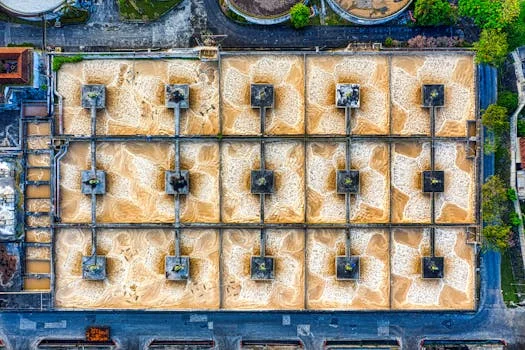
Ontario MOECC compliance for municipal sewage works rests on the Ontario Water Resources Act (OWRA) and the Environmental Protection Act (EPA). Those statutes frame discharge approvals, treatment standards, and enforcement. Ontario procedure F-5-3 still directs reviewers to set both effluent concentration and loading limits in Certificates of Approval. Those approvals are now issued as Environmental Compliance Approvals using receiver studies and Ministry effluent guidelines. Federal Fisheries Act rules also bar deleterious deposits to fish-bearing waters. Many assessments flag acute ammonia above about 19 mg/L and chlorine above about 0.02 mg/L.
Plant-specific ECA numbers vary. MOECC 2023-style provincial benchmarks commonly used in design briefs are BOD 25 mg/L, TSS 25 mg/L, and E. coli 200 CFU/100 mL. Phosphorus is tighter on sensitive watersheds such as Lake Simcoe, where 0.5 mg/L is a frequent planning target. Toronto bylaws can push phosphorus to 0.1 mg/L for plants above 50,000 m³/day. Niagara Region often requires tertiary filtration for Niagara River dischargers. Plants above 5,000 m³/day typically file monthly discharge monitoring reports. All plants file annual environmental compliance reports.
Pilot microplastics monitoring in 2025 and proposed PFAS limits near 70 ng/L for PFOA/PFOS by 2027 are already showing up in upgrade scopes. Hospitals and clinics that discharge to municipal sewers may need dedicated pretreatment. Dedicated medical wastewater treatment is often placed before the headworks. Where residual chlorine is limited, plants often specify on-site chlorine dioxide generators for residual-free disinfection or UV. Both paths help hold microbial limits without excess THMs.
What Do Wastewater Plant Construction Costs Look Like in Ontario?
Capital cost for Ontario municipal sewage works in 2025 USD typically runs $5–10M below 5,000 m³/day. Medium plants at 5,000–50,000 m³/day often need $20–50M, while works above 50,000 m³/day can reach $100–300M (Ontario Clean Water Agency 2024 ranges used in prior municipal estimates). Those bands cover land, civil works, equipment, and installation—not long wet-weather tunnels. City of Toronto’s Ashbridges Bay program alone shows how large-plant capital can exceed $2 billion. That total appears when stormwater, pumping, outfall, and disinfection packages are bundled.
O&M on activated sludge usually falls between $0.30–$0.80/m³, split roughly as labor 40%, energy 30%, chemicals 20%, and maintenance 10%. Lagoons often sit at $0.10–$0.30/m³. Sludge disposal adds $150–$300/tonne for landfill and $50–$100/tonne for land application (MOECC 2023 data). A clear sludge dewatering equipment selection guide for Canadian plants helps here. Cake dryness, not just CAPEX, often drives the disposal invoice.
Funding tools include the Canada Community-Building Fund (up to about 33% of eligible capital). Ontario Municipal Partnership Fund operating grants and Infrastructure Ontario loans are also common. Energy-efficient blowers can cut aeration power by about 30%. An automatic chemical dosing system can trim chemical use by about 20% when feedback control is tuned. MBR can shrink footprint by about 50% and sometimes cut O&M by about 20% through lower sludge yield. That benefit holds only if membrane replacement cost is modeled honestly.
| Plant Capacity (m³/day) | Typical Capital Cost (USD) | O&M Cost (Activated Sludge, $/m³) | Sludge Disposal Cost ($/tonne) |
|---|---|---|---|
| <5,000 | $5–10M | $0.50–$0.80 | $150–$300 (landfill) |
| 5,000–50,000 | $20–50M | $0.40–$0.60 | $150–$300 (landfill) |
| >50,000 | $100–300M | $0.30–$0.50 | $50–$100 (land application) |
What are typical disinfection costs for tanks and equipment?
Disinfection CAPEX and OPEX for piping, tanks, structures, and equipment depend on residual limits and contact time. Brand labels matter less than those process constraints. UV is common under 5,000 m³/day. It is now part of Ashbridges Bay’s capital package for a very large plant. Chlorine dioxide generators suit residual-sensitive receivers. UV suits plants that want chemical-free kill and low THM formation. Budget the contact tank, mixer, residual analyzer, and spare lamp or generator modules when comparing bids. Do not price only the reactor sticker.
Equipment Selection for a Municipal Sewage Treatment Plant in Ontario Canada
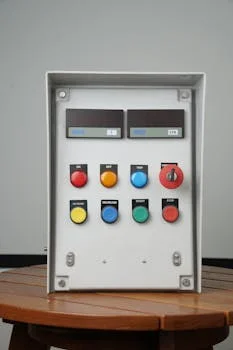
Aeration procurement for municipal wastewater plants should start from oxygen demand, turndown, and blower efficiency at the actual dissolved oxygen setpoint. Do not start from nameplate horsepower alone. Conventional activated sludge uses primary clarification, aeration tanks, and secondary clarifiers before disinfection. SBRs fold aeration, settle, and decant into one tank. MBR replaces secondary clarifiers with membranes. Lagoons rely on long hydraulic retention in shallow ponds. Most plants we size for Ontario towns still pick fine-bubble diffused air with VFD blowers. The O&M story is clearer than early MBR bids.
CAS keeps O&M moderate but needs land. MBR with MBR membrane bioreactor modules shrinks footprint and raises effluent quality. Energy use and membrane replacement cost are higher. SBRs handle variable flow well but need tighter controls. Lagoons remain the low-cost rural option when land is cheap and winter limits are acceptable.
Protect the biology with solid pretreatment. GX Series rotary mechanical bar screens remove rags before pumps. High-efficiency DAF systems for FOG and solids removal in Ontario plants hold about 90% FOG/solids removal at 0.4–0.7 kWh/m³. They matter when industrial grease loads arrive. Secondary options include MBR integrated wastewater treatment plants that can hold BOD below about 1 mg/L. Small communities also use compact underground sewage treatment systems for small Ontario municipalities (WSZ Series) are rated about 1–80 m³/h for small communities.
Finish with disinfection and solids. On-site chlorine dioxide generators for residual-free disinfection are EPA-approved paths to about 99.9% pathogen kill without THM formation. UV remains practical under 5,000 m³/day. Dewatering with sludge dewatering equipment for Ontario’s 400+ municipal plants (plate and frame presses, 1 m²–500 m²) can reach 20–30% dry solids. High-efficiency sedimentation tanks such as lamella clarifiers often run at 20–40 m/h surface loading when space is tight.
| Technology | Key Advantages | Key Disadvantages | Typical Application |
|---|---|---|---|
| Conventional Activated Sludge (CAS) | Proven, low O&M, robust | Large footprint, moderate effluent quality | Large to medium plants with space |
| Membrane Bioreactor (MBR) | High effluent quality (reuse), small footprint | High capital & energy costs, membrane fouling | Urban areas, stringent discharge, water reuse |
| Sequencing Batch Reactor (SBR) | Flexible operation, good nutrient removal | Complex controls, batch operation | Variable flow rates, smaller to medium plants |
| Lagoons | Low capital & O&M, simple | Large land requirement, seasonal performance | Small, rural communities with ample land |
How Should Plants Procure Aeration Equipment?
Aeration equipment procurement should lock design oxygen demand, diurnal turndown, and diffuser fouling allowances before requesting blower bids. High-efficiency blowers with VFDs remain the first lever for the 0.3–0.6 kWh/m³ energy band on activated sludge. Specifiers should require shop drawings that show airflow at the low DO setpoint used in winter nitrification. Do not accept nameplate peak figures alone.
MBR adoption in Ontario is rising where land is scarce and reuse is valued. These trains deliver about 99% BOD removal in roughly 60% less footprint than conventional activated sludge. Toronto’s Ashbridges Bay program now includes a UV disinfection capital package. City materials describe reuse and biosolids recovery as core plant functions. Package MBR integrated wastewater treatment plants remain practical for satellite or constrained sites. They fit where clarifiers cannot expand.
Chlorine dioxide retrofit cases still matter for residual control. On-site chlorine dioxide generators for residual-free disinfection support about 99.9% kill without THM formation. Niagara Falls reported about 40% lower chlorine use after a ClO₂ retrofit in earlier project summaries. Smart aeration control with online BOD, TSS, and ammonia sensors has cut energy about 15% at plants such as Timmins. The savings come from holding dissolved oxygen closer to the true process need.
Phosphorus recovery via struvite at Guelph has recovered about 80% of phosphorus as fertilizer. Reported plant summaries also show about 30% lower precipitation chemical cost. Flood resilience is now a design checkbox. Windsor’s Lou Romano plant raised critical equipment about 2 meters above the 100-year floodplain. Specifiers should treat climate freeboard as a hard civil requirement, not an optional add-on.
Who this is for: municipal engineers, EPC designers, and procurement leads comparing CAS, SBR, MBR, and lagoon options against Ontario ECA limits and capital bands. Look elsewhere for drinking-water treatment or industrial zero-liquid-discharge flowsheets.
Selection checklist: (1) confirm receiver-based ECA limits for CBOD5/TSS/TP/E. coli. (2) Fix design average and peak flows. (3) Decide phosphorus path—chemical, biological, or recovery. (4) Size aeration with VFD turndown. (5) Pick disinfection to match residual limits. (6) Model sludge cake percent solids and haul cost. (7) Stress-test flood and wet-weather bypass capacity. For package or underground trains serving small Ontario communities, request a scoped quote via our municipal equipment inquiry form.
Frequently Asked Questions
What is the largest wastewater treatment plant in Ontario?
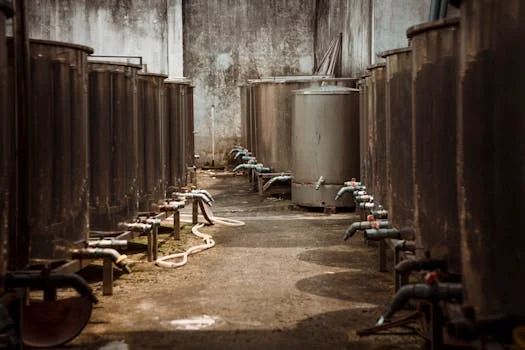
Toronto’s Ashbridges Bay Wastewater Treatment Plant is the largest in Ontario, with a rated capacity of 818,000 m³/day (818 ML/day; City of Toronto, 2026). The plant serves nearly 1.4 million people. Hamilton’s Woodward Avenue plant is commonly cited next at about 409,000 m³/day in municipal capacity summaries.
How many wastewater treatment plants are there in Toronto?
The City of Toronto operates four municipal wastewater treatment plants. Capacities commonly cited are Ashbridges Bay at 818,000 m³/day, Highland Creek at 341,000 m³/day, Humber at 473,000 m³/day, and North Toronto at 45,000 m³/day. Together they serve the city’s sewersheds discharging to Lake Ontario.
How much does a municipal sewage treatment plant cost in Ontario?
Capital cost typically ranges from about $5M below 5,000 m³/day to about $300M above 50,000 m³/day in 2025 USD planning bands. O&M on activated sludge usually averages $0.30–$0.80/m³ treated (MOECC 2024-style municipal ranges). Very large city programs can exceed those unit bands when tunnels, outfalls, and wet-weather works are included.
What are the discharge limits for Ontario sewage treatment plants?
Many Ontario ECAs still use monthly average CBOD5 and TSS near 25 mg/L as secondary-treatment compliance anchors, with E. coli often at 200 CFU/100 mL when disinfection is required. Phosphorus is frequently 1.0 mg/L or tighter; Lake Simcoe planning often uses 0.5 mg/L. Always read the plant-specific ECA—receiver studies can set stricter ammonia, chlorine, and phosphorus numbers.
How can Ontario plants reduce energy consumption?
High-efficiency blowers can cut aeration energy by about 30% when dissolved oxygen setpoints are realistic. Variable frequency drives on pumps and blowers often save about 20% under diurnal flow. AI or rule-based aeration control that trims air to online ammonia and DO signals has delivered about 15% energy reduction at plants such as Timmins in reported operating summaries.