Define the discharge or reuse objective
For Luxembourg industrial-effluent projects, the practical choice is between discharge-focused pretreatment and a reuse train using MBR or physicochemical treatment before reverse osmosis. A 2026 study found about 90–96% overall removal of EC, TDS, calcium and total hardness, although iron and color remained exceptions. It also found the highest overall removal at 60% recovery; energy and fouling rose with recovery, while MBR effluent showed lower fouling than physicochemical effluent. Final selection requires effluent analysis, flow data and permit confirmation.
Start by recording the required outcome: permit-compliant discharge, partial reuse for process or cooling, or high-quality reuse. These are not the same design problem. A discharge route may be justified by the applicable permit and receiving-system conditions, but the supplied research does not establish Luxembourg-specific industrial effluent limits. Ask the Luxembourg authority or receiving utility to confirm the discharge route, applicable limits, monitoring requirements and any reuse restrictions before fixing the equipment scope.
The intended reuse application then determines the acceptance criteria. Process-water recycling may impose conductivity, hardness, iron or color limits depending on the process. Cooling-water reuse may require a different balance between suspended solids, biological stability, conductivity and scaling control. Pharmaceutical or other tightly specified production uses require the relevant water-quality standard to be identified before treatment is selected.
ForeverPure’s Luxembourg market overview, published in 2026, identifies steel, pharmaceutical, technology and data-center activity as distinct industrial contexts with different process-water and wastewater-reuse requirements. That matters because a common treatment train should follow the wastewater chemistry and reuse specification, not simply the country or sector.
| Project objective | Primary decision | Information needed before equipment selection |
|---|---|---|
| Permit-compliant discharge | Confirm whether discharge alone is acceptable or partial reuse reduces discharge demand and cost. | Authority confirmation, permit conditions, receiving utility requirements, flow profile and effluent analysis. |
| Process or cooling reuse | Select the lowest-complexity train that meets the specified water quality and operating demand. | Reuse application, quality limits, demand profile, feed chemistry, scaling and fouling assessment. |
| High-quality reuse | Test whether biological or physicochemical pretreatment must precede RO polishing. | Full analytical suite, target permeate quality, recovery basis, pretreatment performance and membrane compatibility. |
The route-selection logic is similar to the decision used to compare blowdown reuse with sewer discharge: establish the required destination and quality before comparing equipment.
Characterize the effluent before choosing equipment
The design basis must describe the actual industrial stream because feed chemistry determines pretreatment selection, RO recovery and membrane fouling. Request average and peak flow, the batch-discharge pattern, operating hours and future expansion forecasts. Use the same flow dataset to screen MBR, DAF and RO capacity; a daily average alone can conceal the peak hydraulic load that governs equipment sizing.
- Record average and peak flow, discharge batches, operating hours and planned production changes.
- Collect pH, suspended solids, oil and grease, COD, BOD, conductivity or TDS, hardness, calcium, iron, color and temperature.
- Identify the industrial production schedule and any batch chemicals, cleaning agents or process upsets associated with the effluent.
- Define the reuse demand profile and the required treated-water quality.
- Attach representative analytical results to the equipment enquiry and identify sampling conditions.
The 2026 ScienceDirect study, Effects of feed wastewater characteristics and recovery rate on industrial wastewater reuse by reverse osmosis process, provides a specific design warning. Its lab-scale trials achieved approximately 90–96% overall removal of EC, TDS, calcium and total hardness, but total iron and color were exceptions. Removal therefore cannot be generalized across contaminants, and a supplier should explain how the proposed train addresses the parameters that the study found less readily removed.
Do not assume that one RO skid suits every industrial stream. The same study compared MBR effluent with physicochemical treatment effluent and found different energy and fouling behavior. For a Luxembourg project, the relevant comparison must use the actual project chemistry. Additional treatment components, valves and filter media may be required depending on those results, but their selection should follow the analysis rather than precede it.
Where the stream is not stable or fully characterized, require a sampling plan that covers production cycles and documented discharges. For batch streams, ask suppliers to state how equalization affects both hydraulic loading and water chemistry entering pretreatment.
Compare MBR, physicochemical treatment and RO
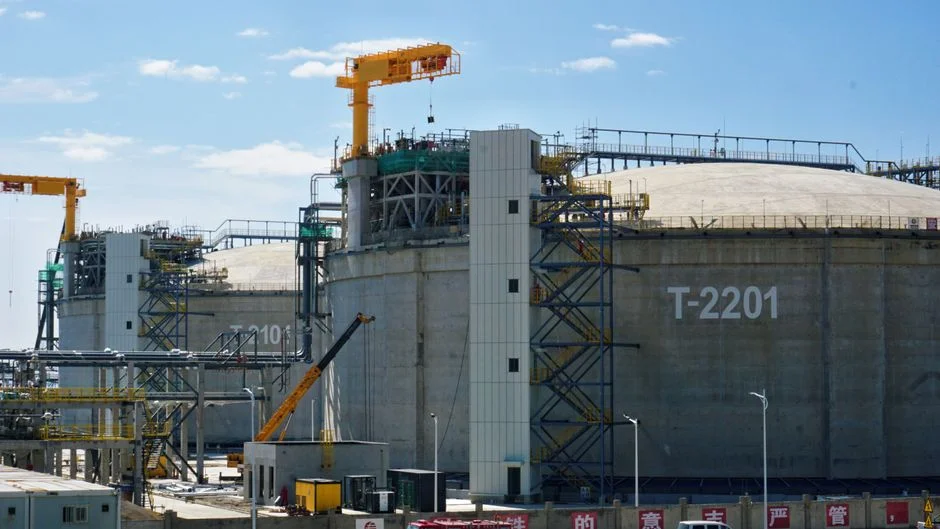
MBR, DAF and RO perform different functions and should not be compared as interchangeable treatment technologies. MBR combines biological treatment with membrane-based solids separation. Physicochemical treatment removes suspended, floating and colloidal material through coagulation, flocculation and separation. RO is the polishing and desalination step for demanding reuse applications.
| Route | Primary role | When it is justified | Key information to verify |
|---|---|---|---|
| MBR effluent treatment | Biological treatment and solids separation before further polishing or reuse. | When the wastewater requires biological treatment and solids separation, or when low suspended solids materially improve downstream RO performance. | Influent biodegradability, loading, filtration below 1 μm as specified by HydropureWater, aeration and sludge handling. |
| DAF or physicochemical pretreatment | Removal of suspended solids, oil and grease, and colloidal material before RO or discharge. | When suspended solids, FOG, oil and grease or colloidal matter are the principal pretreatment challenges. | Coagulant and flocculant dose, flotation performance, sludge characteristics and downstream compatibility. |
| RO polishing | Removal of dissolved salts and residual contaminants for high-quality reuse. | When the reuse target requires a quality that pretreatment alone cannot provide. | Feed-water basis, recovery, permeate quality, SEC, cleaning regime, scaling and fouling controls. |
| Discharge without RO | Permit-focused treatment for the permitted discharge route. | When the confirmed permit and receiving-system conditions can be met without RO and no internal reuse requires it. | Authority-confirmed limits, monitoring, discharge controls and future reuse obligations. |
HydropureWater specifies capacity from 10–2,000 m³/day for its MBR membrane bioreactor for industrial wastewater, with near-reuse-quality effluent and filtration below 1 μm. Those specifications can frame preliminary screening, but they are not a substitute for project loading calculations or a guaranteed permeate specification.
HydropureWater also specifies 4–300 m³/h across 13 models for its DAF equipment, which is relevant where oil, grease, FOG or colloidal material controls pretreatment design. The [industrial reverse osmosis plant](https://hydropurewater.com/product/6-reverse-osmosis-ro-water-purification.html) is the polishing option for high-quality reuse; its catalog states recovery rates up to 95%, but a project-specific recovery must be set from feed chemistry and operating conditions.
Do not convert the cited studies into Luxembourg design guarantees. The 2026 ScienceDirect work used lab-scale wastewater trials, while the 2021 Journal of Water Reuse and Desalination techno-economic analysis evaluated municipal wastewater treatment plant effluent under Dutch market conditions. That Dutch study found RO necessary for high-quality industrial and potable reuse, but its net-cost findings cannot be transferred directly to Luxembourg.
Set recovery, energy and fouling acceptance criteria
The 2026 ScienceDirect study’s 60% recovery result is a tested reference condition, not a universal design rule. The highest overall removal occurred at 60% recovery; as recovery increased from 40% to 80%, removal efficiencies decreased slightly by no more than 5%. The supplier should therefore demonstrate the proposed operating point against the actual feed chemistry rather than applying the reference condition without calculation.
| Acceptance item | Evidence available | Requirement for the Luxembourg design |
|---|---|---|
| System recovery | The 2026 ScienceDirect study tested recovery from 40% to 80% and recorded the highest overall removal at 60%. | State the feed-water basis, selected recovery and any operating range. Explain how feed chemistry supports the selected value. |
| Specific energy consumption | The study reported 0.96 kWh/m³ with MBR effluent, about 8% higher than with PC2 effluent; SEC decreased from 0.68 to 0.58 kWh/m³ as recovery increased from 40% to 80%. | Require SEC to be stated for the proposed equipment and feed, with the calculation boundary and electrical assumptions identified. |
| Membrane fouling | The fouling index increased with recovery; MBR effluent had a fouling index 1.1 times lower than PC2 effluent. | Compare pretreatment outputs using the same analytical basis and require a fouling-control and cleaning strategy. |
| Treated-water quality | The study reported approximately 90–96% overall removal of EC, TDS, calcium and total hardness, with total iron and color exceptions. | Guarantee the parameters required by the reuse application, including iron and color where relevant. |
Require the supplier to state the feed-water basis, system recovery, specific energy consumption, cleaning regime and guaranteed permeate or treated-water parameters. Also request the assumed fouling trend, membrane replacement interval, cleaning frequency and consumable costs. These entries allow quotations to be compared on comparable operating obligations rather than on nameplate flow alone.
Use the RO and UF membrane elements as the basis for a lifecycle comparison, not merely a price line. The buyer should identify which membrane or media changes are consumables, which are planned replacements and what cleaning regime is assumed. This separates a low membrane price from a lower expected operating burden.
Issue a Luxembourg-ready procurement package
A comparable quotation starts with a complete pre-engineering data sheet, not flow capacity alone. Attach the wastewater analysis, flow-duration information, reuse demand profile, utility costs, site footprint, connection point, operator skill level and target commissioning schedule. Include the current industrial process schedule, proposed future expansion and the permit or authority correspondence used to define the discharge route.
The industrial wastewater due-diligence checklist provides a useful structure for identifying unresolved technical and commercial issues before award. For each supplier, require the quotation to separate pretreatment, RO, pumping, controls, pretreatment media, membrane replacement, commissioning and long-term consumables.
- Identify the applicable documentation, conformity requirements and utility connections.
- State redundancy, operating philosophy and exclusions.
- List the electrical load, water demand, drainage requirements and space reserved for maintenance access.
- Define the feed-water basis and the treatment train’s treatment-capacity envelope.
- State testing, commissioning, training, warranty and performance-test obligations.
ForeverPure’s 2026 Luxembourg overview states that its equipment is manufactured to EU technical standards and CE-marking requirements. That is market information, not confirmation that a proposed plant satisfies the buyer’s project-specific requirements. Require the supplier to identify the applicable documentation and have project compliance confirmed with the relevant Luxembourg authority or other designated party.
Do not accept a price based only on flow. Feed chemistry, operating hours, recovery and reuse quality determine the treatment train and therefore the scope that must be priced.
Frequently Asked Questions
What data should a Luxembourg buyer provide before requesting an industrial effluent treatment and reverse osmosis plant quotation?
Provide average and peak flow, batch patterns, operating hours, a production schedule, expansion forecasts and representative wastewater analysis. Include pH, suspended solids, oil and grease, COD, BOD, conductivity or TDS, hardness, calcium, iron, color and temperature, together with the reuse demand profile and required water quality. Also provide utility costs, footprint, connection point and operator skill level.
How should a buyer select between MBR, physicochemical pretreatment and direct discharge without RO?
Use MBR where biological treatment and solids separation are required, and physicochemical pretreatment where suspended solids, oil and grease, FOG or colloidal material dominate. Select RO only when the confirmed reuse specification requires the additional desalination and polishing that pretreatment cannot provide. Confirm the discharge route with the Luxembourg authority or receiving utility before excluding RO.
How do I compare supplier quotations for plant size, recovery and operating cost?
Require every bidder to state the feed-water basis, selected recovery, specific energy consumption, treated-water guarantees, cleaning regime, membrane replacement assumptions and exclusions. A flow-only price is not comparable. Ask whether the price represents one line item or a complete train, and require the treatment-capacity basis to match the submitted flow-duration and wastewater data.
What should be checked when selecting an industrial effluent treatment supplier for a Luxembourg project?
Check that the supplier has defined the applicable Luxembourg permits, EU conformity documentation, engineering standards, utility requirements and commissioning responsibilities. Ask the supplier to identify project-specific items requiring confirmation rather than assuming that CE marking or general EU standards resolve every obligation. Require references for comparable treatment duties, a performance-test method and clear responsibility for guarantees.
Is there an established price or delivery date for an industrial wastewater reuse plant in Luxembourg?
No price or delivery date can be established from the supplied research. Request a quotation after obtaining the effluent analysis, flow profile, reuse specification, utility inputs and site constraints. Ask the supplier to state the pricing assumptions, freight scope, commissioning date and delivery schedule separately. A final price should not be requested from flow capacity alone.