Map the wastewater before selecting equipment
A Córdoba hotel or resort should choose wastewater treatment by first separating domestic sewage from kitchen, laundry, spa and other FOG-producing streams, then matching the final route to permit and reuse requirements. A packaged A/O plant is a practical option for conventional sanitary treatment; MBR suits sites requiring a compact train with sub-1 μm effluent filtration; DAF is primarily pretreatment where FOG or suspended solids could overload biological treatment. For facilities generating over 50 m³/day, online telemetry for COD, BOD and flow is increasingly becoming a permit requirement, while operators face monthly self-monitoring and quarterly third-party analysis. The final choice must use current site permits, influent testing and the equipment proposal.
The equipment decision starts with a wastewater-source inventory, not the number of guestrooms alone. Separate guestrooms, kitchens and restaurants, spas, laundries, pools, staff areas, potable-water demand, and irrigation or reuse demand into measurable streams. A hotel wastewater process train can change materially if laundry wastewater, kitchen grease, spa chemicals or pool water enter the sanitary sewer or require separate balancing and pretreatment.
The supplied research contains no Córdoba-specific wastewater loads. Average and peak flow, FOG, COD, BOD, TSS, nutrients, pH and alkalinity therefore need to come from site testing or defensible design data. A large-convention-hotel profile in the supplied HydropureWater guide is a screening reference, not a Córdoba permit: it identifies moderate-to-high FOG from spa or restaurant activity, moderate nutrient sensitivity and FOG below 10 mg/L in its “Zona Sensible” example, alongside a 50–70% TSS reduction. Those figures must be verified against the current permit and actual discharge route (HydropureWater, “What Wastewater Treatment System Does a Hotel or Resort in Córdoba,” 2026).
| Stream or input | Record for design and screening | Decision consequence |
|---|---|---|
| Guestrooms and staff areas | Average flow, peak-hour flow, COD, BOD, TSS, nitrogen, phosphorus | Defines the biological treatment basis and equalization requirement |
| Kitchens and restaurants | FOG concentration, flow variability, grease characteristics, cleaning chemicals | May require DAF pretreatment for hotel kitchen and spa FOG |
| Laundry | Detergent and bleach exposure, flow, COD, BOD, TSS | May need balancing, separate pretreatment or a defined route into the sanitary stream |
| Spa and pool facilities | FOG, disinfectants, chemicals, flow and discharge destination | Can change biological loading and require separate control |
| Reuse and irrigation | Demand profile, water-quality specification, storage and distribution constraints | Sets the required treatment objective before process selection |
Use the integrated wastewater-treatment package and the DAF pretreatment option as comparison points, not as substitutes for site investigation. The supplier needs the wastewater flow diagram, not just a total daily volume.
Choose the discharge or reuse route first
The final route determines whether the project needs a sewer connection, direct discharge treatment, property reuse or off-site transfer, and no route should be assumed to be legally available at a particular Córdoba property. Start with the actual receiving authority, discharge point and current permit conditions.
The supplied HydropureWater hotel guide uses the Los Molinos Dam and a “Zona Sensible” profile as a surface-water-discharge example. That is contextual information, not a universal Córdoba requirement (HydropureWater, “What Wastewater Treatment System Does a Hotel or Resort in Córdoba,” 2026). The guide says to verify BOD, TSS, total nitrogen, total phosphorus, FOG and disinfection conditions against site-specific permits; it does not establish one universal Córdoba limit.
For a sewer connection, confirm what the sewer authority accepts and whether pretreatment is required for FOG, solids or industrial-strength flows. For direct discharge, obtain the receiving-water sensitivity, discharge point, applicable limits, monitoring frequency and sampling requirements. For off-site transfer, determine tanker capacity, operating frequency and permitted receiving facility. For reuse, define the end use—toilet flushing, cooling, irrigation or process water—and obtain the required water-quality specification before selecting a biological process.
| Route | Questions to resolve before equipment selection | Technology implication |
|---|---|---|
| Permitted sewer connection | Authority approval, pretreatment requirements, permitted discharge parameters and monitoring duties | A/O may be suitable; MBR is justified if the required clarified-effluent quality or footprint cannot be met by the simpler train |
| Direct surface-water discharge | Discharge point, receiving-water sensitivity, current permit limits and sampling plan | Treatment train must be defined from the permit, including solids separation, disinfection and monitoring where required |
| Property reuse | End use, demand profile, storage, public-health requirements and reuse specification | MBR becomes more relevant when fine solids separation is required; downstream disinfection or polishing may still be necessary |
| Off-site transfer | Truck capacity, collection frequency, permitted facility and cost of recurring removals | On-site treatment may be compared against transfer only after operating and compliance risks are priced |
If reuse is the objective, an integrated MBR system for Córdoba hotel wastewater may fit the filtration requirement, but the reuse specification—not the technology name—must control the selection.
Compare A/O, MBR and DAF by function
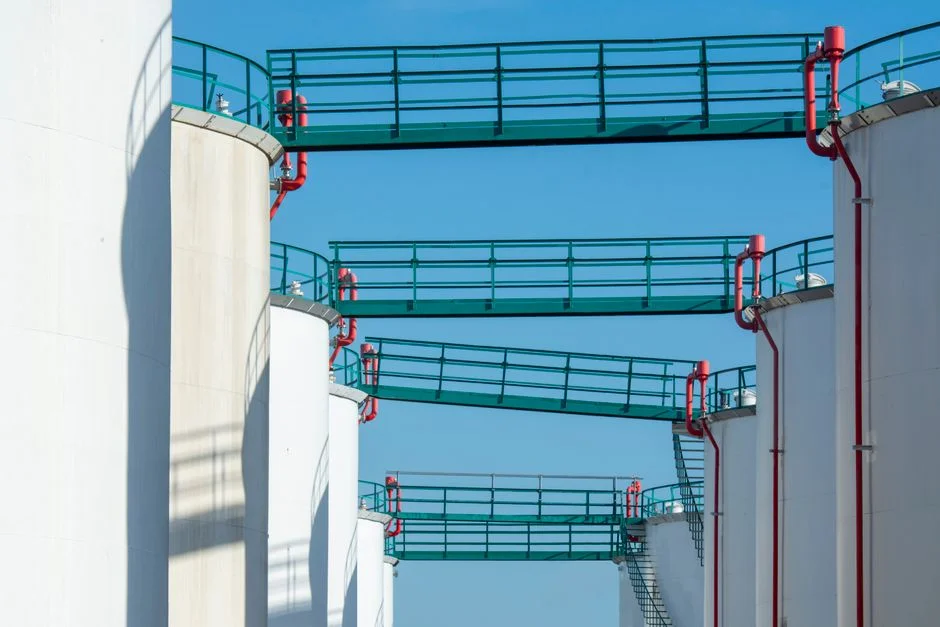
A/O, MBR and DAF perform different functions in a hotel wastewater process train, so treating them as interchangeable equipment creates avoidable design risk. A packaged A/O plant is the biological-treatment option; MBR adds membrane solids separation to activated sludge; DAF is primarily a solids-and-FOG pretreatment tool.
The supplied product information states that the WSZ A/O package combines anoxic and aerobic biological contact oxidation, sedimentation and disinfection in one buried unit. It handles 1–80 m³/h and is marketed for hotels and decentralized applications (HydropureWater, WSZ product information, 2026). The MBR combines activated sludge with submerged PVDF membrane filtration, provides effluent below 1 μm filtration and is available from 10–2,000 m³/day (HydropureWater, MBR product information, 2026). The DAF removes suspended solids, FOG, oil and grease and colloidal matter, with 4–300 m³/h capacity across 13 models (HydropureWater, DAF product information, 2026).
| Technology | Primary function | Best fit in the decision | Main limitation |
|---|---|---|---|
| A/O packaged sewage treatment plant | Anoxic and aerobic biological treatment, followed by sedimentation and disinfection | Conventional sanitary treatment where a buried package train and the permit objective align | Fine suspended-solids separation or reuse quality may be insufficient without additional treatment |
| MBR | Activated sludge combined with submerged PVDF membrane filtration below 1 μm | Compact sites or reuse routes where clarified-effluent quality is the controlling requirement | Requires a complete treatment train, trained operations and attention to membrane maintenance |
| DAF | Removal of suspended solids, FOG, oil and grease and colloidal matter | Pretreatment ahead of biological treatment when kitchen, spa or laundry FOG could compromise the downstream process | Does not replace biological treatment, disinfection or site-specific effluent compliance |
Apply the decision rule in sequence. If the discharge route is a permitted sewer and the permit requires conventional biological treatment with solids separation and disinfection, compare an A/O package plant with MBR. If fine filtration or reuse quality is required and the footprint supports membrane operation, examine the integrated MBR system. If FOG loading is the controlling risk, place DAF pretreatment ahead of the biological stage. Do not select MBR merely because it is more advanced; establish the required effluent quality, available footprint, operations capability, monitoring expectations and complete treatment train first.
The broader hotel wastewater A/O, MBR and DAF comparison is useful for process screening, but its examples are not Córdoba permit requirements.
Build the sizing and compliance brief
A procurement-ready brief should contain one process basis that bidders can price and compare. Request average and peak flow, wastewater temperature, FOG, COD, BOD, TSS, nitrogen, phosphorus, pH, alkalinity and the complete wastewater flow diagram from the hotel’s design team. The supplied research gives no Córdoba hotel flow or load values, so room count can support screening but cannot replace verified flow and load data.
Include the discharge point, receiving-water sensitivity, reuse demand, available footprint, soil conditions, power supply, access for maintenance and the sludge-disposal route. These inputs determine whether the proposed train is physically installable, maintainable and capable of handling the actual peak wastewater flow. For facilities generating over 50 m³/day, ask bidders to price a telemetry architecture for COD, BOD and flow where the current permit requires it (HydropureWater, “What Wastewater Treatment System Does a Hotel or Resort in Córdoba,” 2026).
The monitoring scope should also be written into the operator documentation, laboratory program and maintenance scope. The supplied guide states that operators must submit monthly self-monitoring reports and use a third-party laboratory for quarterly analysis (HydropureWater, “What Wastewater Treatment System Does a Hotel or Resort in Córdoba,” 2026). Confirm the actual frequency, parameters and reporting responsibility against the Córdoba permit before signing.
| Brief item | Minimum information to request | Acceptance basis |
|---|---|---|
| Flow and loads | Average flow, peak flow, FOG, COD, BOD, TSS, nutrients, pH, alkalinity and temperature | Site testing or defensible design data reconciled with the final equipment proposal |
| Route | Discharge point, receiving-water sensitivity, reuse specification, sewer or transfer route | Current permit and confirmed authority requirements |
| Site and utilities | Footprint, soil, power, access, storage and sludge route | Supplier states exclusions and design assumptions |
| Monitoring | COD, BOD and flow telemetry where required; monthly self-monitoring; quarterly third-party analysis | Named instruments, sampling methods, reporting responsibility and data handover |
| Cost basis | Equipment, civil works, installation, commissioning, monitoring, sludge handling and operating costs | Like-for-like commercial scope across bidders |
For a structured comparison, the A/O package plant versus MBR comparison can help identify missing assumptions, but the Córdoba brief must use Córdoba-specific flow, permit and reuse data.
Verify the proposal before ordering
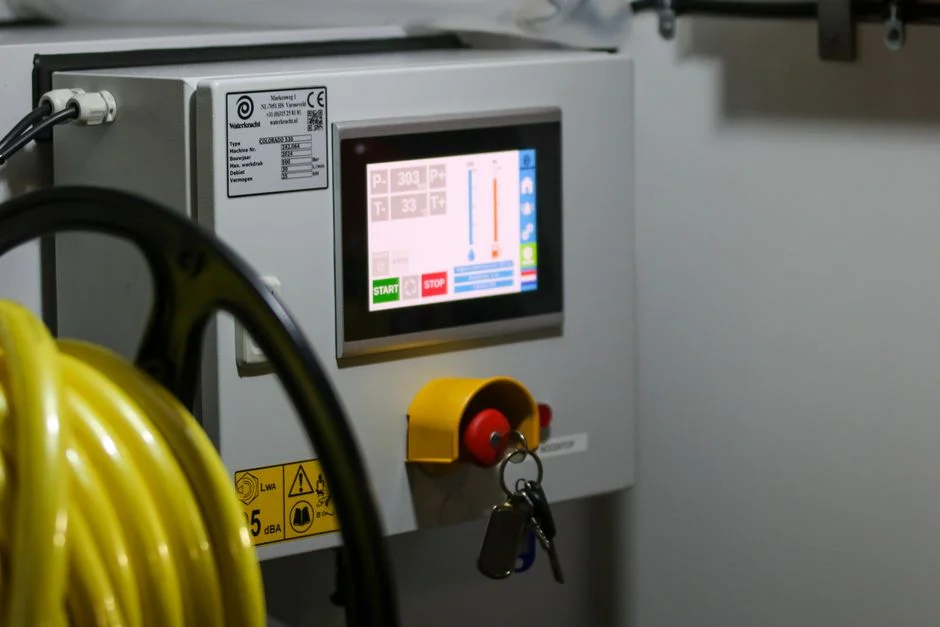
A permit-ready proposal should demonstrate a complete treatment train and measurable handover conditions, not simply list a package plant. Require each bidder to state its design basis, preliminary and peak flow assumptions, process stages, duty allocation, expected sludge production and treatment objectives. The hotel wastewater A/O, MBR and DAF comparison reinforces the need to compare each technology by function.
Verify that FOG control, equalization, biological treatment, solids separation, disinfection and telemetry are included where required by the identified wastewater route. If DAF is needed, state which stream it receives, its design loading and what happens to the recovered solids. If MBR is proposed, identify the membrane train, sludge handling, cleaning requirements, membrane replacement provisions and the effect of downtime on the permit obligation. If A/O is proposed, identify how equalization, clarification and disinfection are integrated.
Compare the bidder’s site-specific design values with current permits, influent testing and the final equipment proposal, as directed by the supplied hotel guide (HydropureWater, “What Wastewater Treatment System Does a Hotel or Resort in Córdoba,” 2026). Require commissioning tests, operator training, maintenance intervals, spare parts, remote monitoring options and a clear handover criterion tied to the permit and reuse specification.
Before accepting the final package, ask the bidder to provide the mechanical bar-screen specification and its intended role in the pre-treatment train. Confirm that headworks, access, solids removal and maintenance arrangements are compatible with the rest of the system; a bar screen is not a substitute for the biological or membrane treatment stages.
Frequently Asked Questions
How much does a wastewater treatment system cost for a hotel or resort in Córdoba?
No Córdoba hotel-system cost range appears in the supplied research. Require an itemized quotation covering equipment, civil works, installation, commissioning, monitoring, sludge handling, operator training, maintenance and operating costs. Also ask bidders to state exclusions and assumptions, so a lower equipment price is not compared with a higher total treatment scope. A cost comparison using the A/O package plant versus MBR procurement discussion is only a process reference, not a Córdoba price source.
Should sizing be based on guestroom count or peak wastewater flow?
Use room count for initial screening, then size from verified flow and load data. Average flow establishes the biological basis, while peak wastewater flow and FOG duty test equalization, pretreatment and hydraulic capacity. A bidder should identify every flow assumption, apply the project’s design flow conditions and explain how the treatment train handles the peak rather than relying on the packaged plant name alone.
Which compliance documents should be named in the request for proposal?
Name the actual authority, permit, discharge point and reuse approval route. Include applicable BOD, TSS, total nitrogen, total phosphorus, FOG and disinfection conditions only after they are confirmed for that site. Generic blog profiles and product descriptions do not constitute legal approval; the owner, consultant and supplier should work from the current permit and its monitoring schedule.
How should a supplier be selected for an onsite wastewater treatment package?
Require one process basis, a complete equipment list, design-flow and load assumptions, acceptance tests, monitoring scope, maintenance support, commissioning requirements and lifecycle cost assumptions. Verify that the proposed train covers the identified wastewater sources and includes FOG control where needed, solids separation, disinfection and telemetry where required. A supplier should also state who performs monthly self-monitoring and quarterly third-party laboratory analysis, and how handover will be demonstrated against the permit or reuse specification.