Screen the ethanol wastewater before selecting UASB
A UASB reactor can be a candidate for ethanol plant wastewater, but the decision should follow wastewater-specific screening and pilot review rather than a generic UASB description. The reactor uses an upflow granular sludge blanket to convert soluble organics into biogas, and a 2014 study specifically examined startup for cellulosic ethanol wastewater (Zhang Le, Contemporary Chemical Industry, 2014). Confirm COD, solids, sulfate, nutrients, temperature and process variability, then define pretreatment, startup and downstream treatment before approving the reactor.
The screening logic starts with the distinction between soluble biodegradable COD and particulate solids. A UASB retains granular solids in a sludge blanket, while dissolved sugars can be converted in the liquid phase before the treated liquid leaves the reactor; however, suspended material that enters in excess of the available separation capacity can accumulate or carry through (Wikipedia, Upflow anaerobic sludge blanket digestion). The 2014 cellulosic ethanol study identifies sulfate inhibition, sludge thickening, hydraulic retention time, reflux ratio and volumetric loading rate as startup issues or design variables. Those findings support pilot testing, but they do not establish universal limits for an ethanol plant.
Request current and historical characterization rather than relying on a single composite sample. Separate the wastewater by production area, batch, campaign and clean-in-place contribution where practical, because dilution and intermittent high-strength flows can conceal the load that determines biological loading and pretreatment needs. The table below distinguishes evidence that can be used directly from plant-specific inputs that must be verified.
| Screen item | Evidence available in the research | Plant-specific decision input |
|---|---|---|
| COD and soluble COD | The cellulosic ethanol startup study included COD removal and COD/sulfate ratio as research topics (Zhang Le, Contemporary Chemical Industry, 2014). | Determine total and soluble COD across representative operating periods, including batch peaks and clean-in-place discharges. |
| TSS and particle size | A general UASB source describes suitability for dilute wastewater with 3% TSS and particle size greater than 0.75 mm, but provides no ethanol-specific design basis (Wikipedia, Upflow anaerobic sludge blanket digestion). | Measure TSS, settleable solids and particle-size distribution. Treat the general values as screening observations, not acceptance limits. |
| Sulfate | Sulfate inhibition is explicitly identified for cellulosic ethanol wastewater startup (Zhang Le, Contemporary Chemical Industry, 2014). | Measure sulfate against the organic COD available for methanogenesis and verify the ratio with testing. |
| Nutrients and pH | The direct-feed domestic wastewater case did not remove nitrogen or phosphorus (Aiyuk et al., International Journal of Environmental Science and Development, 2010-12). | Establish nutrient balance, buffering capacity and pH control requirements; the domestic case is not an ethanol performance prediction. |
| Temperature and contaminants | The evidence does not establish ethanol-plant limits for temperature or process-derived contaminants. | Record temperature range and test for compounds associated with the plant’s production and cleaning activities. |
Use a no-go rule before reactor selection: do not advance to a UASB quotation if characterization shows that methanogenesis is inhibited, the organic load cannot be stabilized within the proposed hydraulic and volumetric loading basis, or pretreatment cannot remove the solids that would foul or destabilize the blanket. If the required flow and load variation cannot be buffered by the selected configuration, evaluate a different reactor route or further testing rather than embedding the uncertainty in reactor volume.
For comparison, IFAS process selection for high-organic industrial wastewater provides a useful adjacent method for evaluating the treatment train, but it does not replace ethanol-specific UASB suitability testing.
Match the UASB route to pretreatment and polishing
Direct feeding without solids control can make a UASB unstable because particulate COD accumulates in the reactor and creates a continuing sludge-disposal demand. In a domestic wastewater study, average total COD was 522 mg/L, organic-matter removal was 80%, and sludge production reached up to 70% of influent COD as suspended solids (Aiyuk et al., International Journal of Environmental Science and Development, 2010-12). This is not an ethanol-plant performance case, but it demonstrates why suspended-solids control must be included in the process basis rather than treated as a peripheral accessory.
For ethanol wastewater, specify solids control according to the characteristics of the particulate fraction. Where floatable oils, fines or other material would burden the blanket, evaluate industrial wastewater DAF pretreatment. Where settleable solids can be removed hydraulically, a lamella clarifier for sludge separation may form part of the train. Neither equipment is justified by the cited studies alone: the buyer must compare the measured solids, oil and grease, density, settling or flotation behavior, and the resulting pretreatment residual load with the reactor’s separation capability.
| Process decision | Trigger | Required evidence or design action |
|---|---|---|
| Add solids removal before UASB | Particulate COD, suspended solids or floatables could accumulate in the blanket or escape in the effluent. | Characterize settleable and floatable fractions; specify removal performance, residual solids and bypass provisions. |
| Use DAF | Floatable material is present or suspended solids require flotation-based separation. | Confirm influent characteristics and bench or pilot separation performance before selection. |
| Use sedimentation | Material is predominantly settleable and compatible with the selected solids-removal method. | Confirm settling behavior, sludge concentration and downstream handling requirements. |
| Add post-treatment | The UASB effluent does not meet the receiving sewer, discharge permit or reuse requirement. | Define the destination first, then select polishing steps against that target. |
| Plan reactor sludge withdrawal | Solids accumulation threatens blanket stability or exceeds handling capacity. | Specify withdrawal frequency, solids concentration, storage, dewatering and the operating effect of each withdrawal event. |
Keep downstream treatment in the process scope. The general UASB source states that effluent usually requires further treatment according to effluent-quality requirements (Wikipedia, Upflow anaerobic sludge blanket digestion). The required polishing train therefore cannot be selected from reactor performance data alone; it must follow the plant’s discharge, sewer or reuse specification, including residual COD, nutrients, solids and any other regulated parameters.
Sludge handling is part of reactor stability, not only a disposal issue. In the domestic wastewater study, sludge discharges occurred on average every 100 days, and reactor imbalance followed sludge extraction, with a decrease in performance (Aiyuk et al., International Journal of Environmental Science and Development, 2010-12). The project should therefore specify how accumulated solids will be removed, how frequently, and how operations will protect the methanogenic inventory during withdrawal.
Set startup and biological stabilization criteria
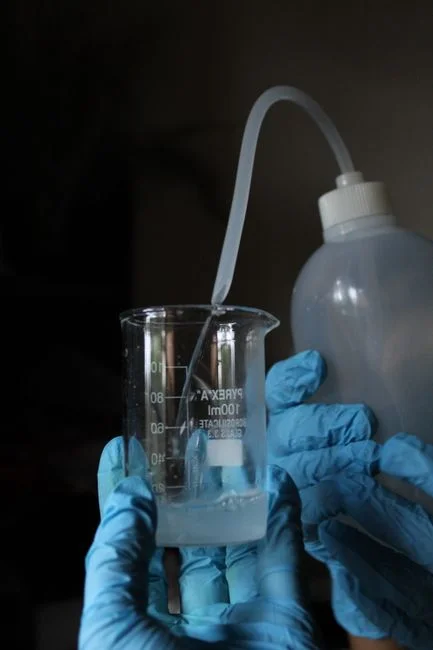
Startup should be treated as a controlled biological commissioning process with measurable gates, not as a timed guarantee to reach design load. The ethanol-specific basis is the 2014 study on UASB startup for cellulosic ethanol wastewater, whose scope includes sulfate inhibition, sludge thickening, hydraulic retention time, reflux ratio and volumetric loading rate (Zhang Le, Contemporary Chemical Industry, 2014). These parameters must be translated into project-specific operating limits through characterization and pilot work.
Begin with a controlled loading sequence and increase load only when the reactor demonstrates stable methanogenic activity. Monitor gas production and composition, alkalinity, pH, COD removal, volatile or total solids associated with the sludge blanket, sludge-bed condition and signs of washout or acidification. Sampling points should distinguish influent, reactor liquid, separated effluent and withdrawn sludge so that apparent removal can be reconciled with solids accumulation and biomass loss.
| Startup stage | Primary control | Evidence to proceed or hold |
|---|---|---|
| Wastewater qualification | Characterize the feed before biological loading. | COD, soluble COD, TSS, sulfate, pH, temperature, nutrients and contaminants have defined results and sampling procedures. |
| Initial loading | Apply the lowest agreed loading condition and establish sampling frequency. | No unexplained deterioration in alkalinity, COD removal or sludge condition; investigate exceptions before increasing load. |
| Load increase | Step loading using the agreed hydraulic retention time, volumetric loading rate and reflux arrangement. | Maintain the agreed biological and effluent indicators over the defined evaluation period. |
| Granule stabilization | Track blanket condition, sludge concentration and solids inventory. | Use approximately three months only as the general UASB maturation milestone reported by Wikipedia, not as a guaranteed ethanol commissioning duration. |
| Performance acceptance | Operate at the agreed evaluation condition. | Accept only against the analytical methods, sampling points and performance criteria written into the pilot or purchase agreement. |
The approximately three-month blanket maturation period in the general UASB source is a biological-stability milestone, not a promise for every ethanol plant (Wikipedia, Upflow anaerobic sludge blanket digestion). Temperature, feed characteristics, loading and system configuration may alter development, but the cited source does not quantify those effects for ethanol facilities.
Build a contingency for sludge loss or impaired methanogenic activity. Hydraulic retention alone cannot restore lost granules or correct inhibition. The operating plan should identify the trigger for reducing load, changing reflux, suspending feed, recovering pH or alkalinity, withdrawing excess solids, or reseeding, as supported by the pilot diagnosis. The MABR comparison in MABR suitability for amino-acid fermentation wastewater is relevant to reactor-route review when attachment or biomass retention is the unresolved question, but it is not evidence of ethanol-wastewater performance.
Build the procurement and pilot acceptance package
A supplier cannot quote defensible reactor volume or loading rates until the wastewater, flow envelope, destination and operating conditions are defined. Issue the characterization, current and historical flow, temperature range, pretreatment philosophy, discharge or reuse target, available footprint and required biogas-use assumptions as mandatory bid inputs. Where any item is absent, identify its owner rather than allowing the supplier to fill it with an assumption.
Require each bidder to state its sizing basis: design hydraulic retention time, volumetric loading rate, reflux arrangement, sludge-separation provision, gas handling and startup sequence. The 2014 cellulosic ethanol study identifies these as relevant parameters or decisions (Zhang Le, Contemporary Chemical Industry, 2014). A volume quoted without the associated load, solids inventory, hydraulic conditions and operating envelope is not comparable.
| Package item | Minimum content | Responsible party |
|---|---|---|
| Wastewater characterization | Representative sampling plan, analytical methods, COD split, TSS, sulfate, nutrients, pH, temperature and process contaminants. | Plant operations and laboratory |
| Design basis | Flow and load envelope, pretreatment performance, hydraulic retention time, volumetric loading rate, reflux and downstream target. | Process engineer |
| Equipment proposal | Reactor configuration, solids separation, gas handling, sludge withdrawal, instrumentation and utilities. | Supplier |
| Startup plan | Staged loading, sampling points, monitoring methods, hold points, contingencies and stabilization criteria. | Supplier with process engineer and plant operations |
| Acceptance protocol | Defined test period, analytical methods, sampling locations, performance limits and consequences of non-acceptance. | Buyer and supplier |
Pilot acceptance should depend on agreed analytical methods and sampling points, not an unsupported generic COD-removal promise. State whether acceptance applies to influent, reactor effluent or final treated effluent, how representative samples will be collected, and how batch variability will be addressed. Include gas production, solids stability, nutrient or residual solids requirements where they affect the project objective.
The buyer should retain the industrial effluent treatment plant selection method as a governance check, but the ethanol UASB decision still requires the stream-specific characterization and pilot acceptance protocol. Missing flow, load, sulfate, solids, temperature, pretreatment or destination data should remain visible as unresolved risks in the bid evaluation.
Frequently Asked Questions
When should a UASB be selected instead of another biological treatment route?
Select a UASB for a trial when the wastewater has a biodegradable soluble organic fraction, the particulate load can be managed by defined pretreatment, sulfate and other inhibitory conditions can be characterized, and the project can provide stable hydraulic and solids controls. The available ethanol-specific research is a startup study rather than proof of broad plant suitability (Zhang Le, Contemporary Chemical Industry, 2014). Route the project to another reactor or further testing when solids control, inhibition, load variability or biomass retention cannot be resolved. A comparison with IFAS process selection for high-organic industrial wastewater may help structure that route review.
Which wastewater data should a supplier receive before quoting reactor volume and loading rates?
Request representative total and soluble COD, BOD, TSS, sulfate, pH, temperature, nutrients, process-derived contaminants, flow history and production variability, together with the discharge or reuse target. Also provide pretreatment assumptions and the available footprint. Without those inputs, the supplier cannot establish a defensible hydraulic retention time, volumetric loading rate, solids inventory, reflux arrangement or reactor volume.
How do pretreatment and post-treatment affect cost, footprint and compliance risk?
Ask for separate equipment and operating-cost scopes for pretreatment, reactor auxiliaries, gas handling, sludge handling and post-treatment. Do not accept an equipment price without the required effluent route. The domestic UASB case demonstrates the operational consequence of direct feeding with suspended solids: sludge production reached up to 70% of influent COD, with repeated discharges and performance deterioration after extraction (Aiyuk et al., International Journal of Environmental Science and Development, 2010-12). Compliance risk remains if the UASB effluent is sent to sewer or reuse without meeting the applicable destination specification.
What should supplier startup monitoring and pilot acceptance criteria include?
Require a staged loading plan; influent, reactor, effluent and sludge sampling points; COD removal; gas production and composition; alkalinity and pH; sludge condition; solids inventory; washout indicators; and defined hold points for increasing load. Set the acceptance period, analytical methods and performance limits before the test. Use the reported approximately three-month blanket maturation period only as a general UASB milestone from Wikipedia, not as a guaranteed commissioning period, and require a contingency for inhibited methanogenic activity or sludge loss.
What missing evidence prevents a defensible UASB performance guarantee?
A guarantee is premature when the supplier lacks representative wastewater data, flow and load history, sulfate information, particulate-solids data, temperature range, pretreatment performance or the final effluent target. The cited domestic wastewater study and general UASB description do not establish ethanol-plant performance, and the 2014 ethanol startup study does not supply a universal design guarantee. Obtain missing characterization, perform a representative pilot, document analytical methods, and limit the guarantee to the tested conditions and agreed acceptance criteria.