Make the UASB Suitability Decision
An upflow anaerobic sludge blanket reactor is a candidate for enzyme-manufacturing wastewater only when the actual effluent is characterized and pretreatment requirements are defined. Published pilot evidence shows condition-dependent performance: Sains Malaysiana reported average COD removal of up to 87.17% for diluted paper-recycling effluent, but only 28.68% for the original wastewater. That contrast applies to enzyme-process wastewater as a warning about transferring generic claims, not as a performance prediction. Confirm flow, COD, BOD, TSS, pH, temperature, soluble versus particulate organic load and identifiable inhibitors before sizing. Record the applicable sewer or discharge limits separately because the supplied research establishes no enzyme-process permit limit.
Use a simple screening sequence:
- Reject default selection: Do not choose a UASB reactor for enzyme manufacturing wastewater solely because the stream has a high COD concentration or because anaerobic treatment is appropriate for other industrial effluents.
- Check the organic fraction: A UASB is more defensible where the treatment objective is conversion of biodegradable, predominantly soluble organics. High-solids streams require a solids-retention and sludge-management assessment before reactor selection.
- Verify inhibition and conditioning: Obtain production and laboratory information on detergents, solvents, cleaners, salts, process pH and temperature excursions. The supplied evidence does not define allowable concentrations for these compounds in enzyme-process effluent.
- Set the decision basis: Document the applicable discharge or reuse target, available footprint, gas-handling constraints and downstream treatment needs.
The industrial effluent treatment plant selection framework is useful at this stage because characterization and receiving requirements must precede reactor configuration. The result is a go/no-go decision: proceed to pilot testing if the wastewater appears biodegradable and the pretreatment train can control verified solids, oils and inhibitors; reject or redirect the stream if those conditions cannot be met.
Screen the Wastewater Before Sizing Equipment
Wastewater characterization must separate soluble biodegradable load from material that will accumulate in the sludge blanket. Map each production stream and combined effluent for flow rate, COD, BOD, TSS, pH, temperature, oils and identifiable compounds. The screening table below converts each characteristic into a UASB design question; it is a design-input checklist rather than a statement of guaranteed performance.
| Wastewater input | What to verify | UASB decision or design action |
|---|---|---|
| Flow and COD/BOD | Average, peak and batch-discharge conditions; soluble and particulate fractions | Proceed to loading and hydraulic testing; do not size from COD alone. |
| TSS and suspended solids | Concentration, settleability and expected accumulation rate | Assess solids removal, sludge extraction and rebalancing before confirming reactor dimensions. |
| pH and alkalinity | Production variation, alkalinity reserve and required correction | Define equalization and chemical-dose control from measured demand. |
| Temperature | Normal and minimum operating temperature | Test at site-relevant temperature; account for seasonal variation. |
| Oils, grease, colloids and floatables | Presence, variability and separability | Specify DAF or another verified pretreatment function where needed. |
| Surfactants, solvents, cleaners and salts | Specific compounds, concentrations and batch sources | Obtain production data and test inhibition before accepting the stream. |
| Discharge or reuse route | Confirmed permit, sewer agreement or reuse specification | Verify locally; do not infer a limit from the cited studies. |
The solids warning is concrete. Aiyuk et al. reported rapid sludge build-up and repeated sludge discharges when a UASB was applied directly to wastewater containing high suspended solids. Sludge production reached up to 70% of influent COD as suspended solid, and sludge extraction was needed on average every 100 days; the resulting perturbation of the anaerobic microbial balance reduced reactor performance (International Journal of Environmental Science and Development, December 2010). Although that study examined domestic sewage rather than enzyme effluent, the mechanism remains relevant: entrained solids must enter the design basis.
That study also found that nitrogen and phosphorus were not removed. If the intended discharge or reuse route requires nutrient control, plan downstream treatment rather than assigning nutrient removal to the UASB. Comparison with MABR suitability for fermentation wastewater should also preserve stream-specific evidence; the supplied UASB sources do not quantify enzyme-process inhibitors or establish treatment of this wastewater.
Protect the Reactor with Targeted Pretreatment
| Verified condition | Targeted pretreatment function | Design check before procurement |
|---|---|---|
| Variable flow, COD, pH or temperature | Equalization and controlled feed | Define working volume, mixing strategy and feed sequence from the measured duty envelope. |
| Oil, grease, colloids or floatables | DAF where testing confirms the need | Confirm hydraulic capacity, removable fraction and downstream solids handling. |
| Suspended solids that would accumulate in the reactor | Clarification, screening or another solids-removal step | Balance solids removal against soluble COD retained in the removed fraction. |
| pH correction or coagulation demand | automatic dosing for pH and coagulation control | Size from measured chemical demand; verify PLC control, containment and operator access. |
| Batch toxic or incompatible discharges | Segregation, equalization and controlled release | Identify affected production streams and define an interlock or diversion response. |
Targeted pretreatment prevents reactor upset and ensures consistent influent quality. Use automatic dosing only where testing establishes the required correction. A dosing system does not make an inhibitory stream biodegradable, and excessive chemical addition can change pH, alkalinity and reactor stability. Likewise, DAF is justified by oil, grease, colloids or floatable solids—not merely by a generic high-solids label.
Aiyuk et al. provide the relevant operating warning: direct treatment of high-suspended-solids wastewater produced sludge accumulation, repeated extraction and performance disturbance after extraction (International Journal of Environmental Science and Development, December 2010). For enzyme-process effluent, the pretreatment specification should therefore state the solids-removal objective, expected residual TSS, sludge-disposal route and response to extraction events. If that response cannot be defined, the UASB should not advance to full-scale procurement.
Validate UASB Performance in a Pilot Trial
A pilot must establish whether the actual enzyme-process effluent is anaerobically treatable and define the operating envelope. Begin with a sampling campaign and a soluble-biodegradability assessment. The supplied research contains no enzyme-specific COD concentration, biodegradability threshold or justified full-scale UASB loading rate, so these values cannot be transferred from unrelated wastewater studies.
For a study benchmark, the paper-recycling UASB operated continuously at 24-hour hydraulic retention time and 37 °C mesophilic conditions. The feed concentration was increased progressively as removal performance allowed. In that trial, maximum effluent COD was 150 mg/L after 18 days, while average COD removal across dilutions was up to 87.17%, compared with 28.68% for the original wastewater (Sains Malaysiana, 2023). These figures define a test method and a warning about undiluted feed; they are not acceptance criteria for enzyme wastewater.
| Pilot stage | Measure or action | Decision output |
|---|---|---|
| Baseline characterization | Composite and time-weighted samples for flow, COD, BOD, TSS, pH, temperature, oils and identified compounds | Confirmed feed envelope and list of pretreatment requirements. |
| Soluble-biodegradability assessment | Test the characterized soluble fraction under relevant anaerobic conditions | Proceed to reactor loading only if the result supports the intended treatment objective. |
| Start-up and loading progression | Increase organic loading only after removal and reactor condition support the step | Maximum demonstrated flow and organic loading, with no unresolved upset. |
| Steady-operation monitoring | COD and BOD removal, effluent COD, methane production, pH, alkalinity, sludge-bed condition and upstream loading | Stable operating band and correction actions for pH, feeding and sludge. |
| Acceptance review | Compare verified effluent against the client's permit or reuse target | Go, revise pretreatment or revise loading, or reject full-scale UASB selection. |
Test at representative temperature and include realistic batch-discharge and upset conditions. Define acceptance around the verified permit or reuse target, not a percentage copied from diluted effluent. Where solids removal is part of the objective, evaluate whether upstream separation and downstream polishing are required; a filter press can be considered for separated sludge, as described in the available plate-frame filter-press equipment guidance, but it does not replace reactor performance validation.
Turn the Pilot Result into Procurement Criteria
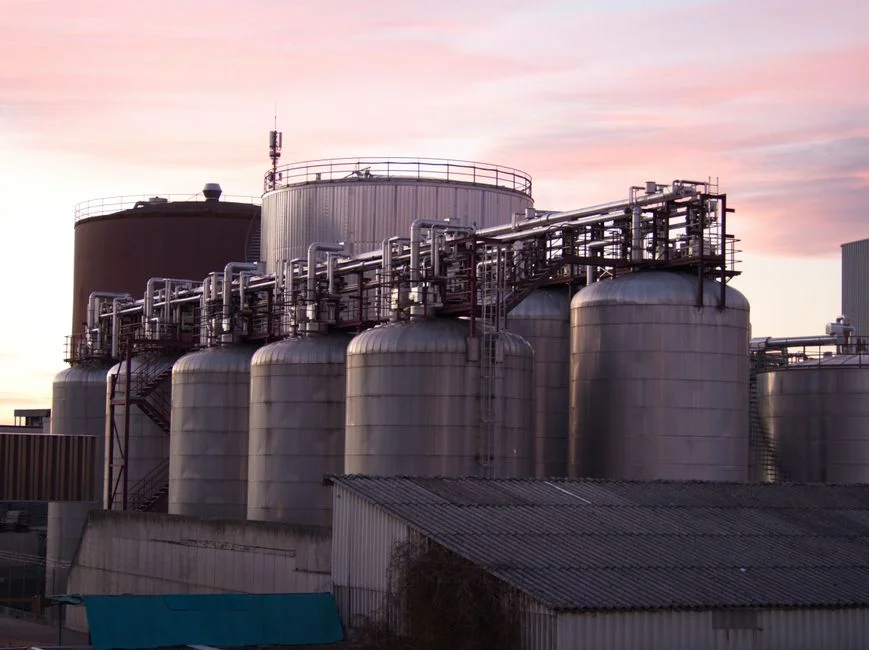
Full-scale reactor duty should come from pilot-validated wastewater characteristics, not catalogue assumptions. Specify average, peak and start-up flow; demonstrated organic loading; feed and effluent characteristics; temperature correction; pretreatment interfaces; and the response to batch or toxic discharges. The Aiyuk et al. study does not justify a universal enzyme-process loading rate or reactor volume.
| Procurement item | Required evidence or guarantee | Vendor response |
|---|---|---|
| Reactor and hydraulic duty | Duty derived from the characterized and pilot-tested wastewater | Confirm reactor dimensions, feed distribution, recirculation and peak-day operation. |
| Treatment performance | Guaranteed COD and BOD removal against the client's verified wastewater and target | State assumptions, test conditions, correction factors and remedy for shortfall. |
| Effluent solids | Required residual solids and downstream treatment boundary | Identify the separation duty and who owns the solids stream. |
| Gas and methane | Expected gas production, composition, collection, safety and utilization or disposal route | Provide gas-balance assumptions and a handling concept. |
| Sludge | Estimated sludge yield, extraction frequency and disposal route | Submit the reactor-balance and discharge method with the guarantee. |
| Materials and controls | Corrosion review and monitoring for pH, alkalinity, flow, loading and gas | List construction materials, alarms, interlocks and control philosophy. |
Use the solids operating history from Aiyuk et al. as a minimum documentation requirement: sludge production reached up to 70% of influent COD as suspended solid and repeated sludge extraction disrupted reactor balance (International Journal of Environmental Science and Development, December 2010). Require a documented sludge-discharge and reactor-rebalance plan, not merely a statement that the reactor will handle sludge.
Before award, require the bidder to review the wastewater characterization, mixing, recirculation, gas collection, temperature correction, corrosion materials and controls. Performance guarantees should be tied to the client’s actual wastewater data and identify what happens when that data changes. The industrial effluent treatment plant selection sequence should therefore end in a documented pilot-to-procurement basis, rather than begin with a reactor model.
Frequently Asked Questions
What inputs are needed for a defensible UASB reactor cost estimate?
Request a cost basis based on flow, COD, BOD, TSS, temperature, required pretreatment, reactor duty, gas handling, sludge disposal and the applicable discharge or reuse target. The supplied research contains no enzyme-manufacturing wastewater cost figures, so a price without those inputs would not be comparable.
How should the reactor be sized without a universal loading rate?
Use the characterized wastewater and the maximum organic loading and flow demonstrated during anaerobic reactor pilot testing. Ask bidders to state the loading basis, hydraulic retention time, feed concentration, temperature and pretreatment assumptions; the supplied sources establish no universal m³/day or kg COD/m³/day value for enzyme wastewater.
What should be checked when selecting a UASB supplier?
Ask for relevant industrial-effluent experience, guarantees tied to the client’s characterization, a startup procedure, monitoring obligations, and a sludge-management plan. Also require review of mixing, recirculation, gas collection, temperature correction, corrosion materials and controls.
Which compliance limits should be used for enzyme-process effluent?
Confirm the applicable local discharge agreement, permit or reuse specification with the receiving authority and reuse customer. None of the cited studies establishes an enzyme-process discharge limit, so no numerical acceptance limit should be inferred from those sources.