Confirm the Discharge Route and Applicable Limits
The governing requirements are determined by the receiving POTW, industrial-user classification, discharge point, and written permit terms rather than plant location alone. The City of Montrose industrial-user application illustrates the necessary permit review by distinguishing categorical from non-categorical users, identifying regulated processes, and requesting categorical standards, prohibited discharges, BMPs, local limits, and specific prohibitions. This form serves as a completeness checklist, not as evidence of any Jackson-area limit.
Under 40 CFR Part 403, federal pretreatment requirements, categorical standards, and POTW local limits operate together. Before ordering a pretreatment train, obtain the receiving authority’s written permit and supporting documents for any fabricator near Jackson. Confirm the permitted discharge point, regulated pollutants, local limits, prohibited discharges, monitoring frequency, sampling method and location, reporting requirements, slug controls, and compliance schedule. Do not copy terms from the Montrose form or another municipality’s application without confirmation from the actual receiving POTW. If the discharge route, industrial-user status, or applicable category remains unclear, the responsible engineer should obtain a written classification and permit basis before preparing a bid specification.
Characterize Every Wastewater Stream
A Jackson-area fabrication plant must map each wastewater source to its discharge point and characterize it against the actual permit to select a defensible treatment train. The Montrose application requires wastewater information for each source, including daily average and daily maximum flow, measured or estimated. It also asks whether discharge is continuous or batch, the number of batches per day, average and maximum gallons per batch, and whether production varies by more than 20%. These distinctions identify hydraulic peaks, slug potential, and the operating envelope for equalization and treatment equipment.
Build the source inventory before comparing treatment bids. Record raw materials, process chemicals, biocides, and descaling chemicals; identify where each enters wastewater; and document batch timing, production changes, and storm or floor-drain isolation. Request analytical results from the previous five years where available and not previously submitted. The acceptance dataset should follow the receiving permit, including only parameters applicable to the classified user. The Montrose form identifies metals, chromium (VI), aluminum, TSS, and HEM among possible parameters, but it does not establish which apply near Jackson.
| Source record | Required information | Design or compliance use |
|---|---|---|
| Process and source mapping | Origin, final destination, permitted discharge point and isolation controls | Separates each stream and identifies potential bypasses |
| Hydraulic basis | Daily average and maximum flow; continuous or batch discharge; batch frequency and volume | Establishes equalization and treatment loading |
| Materials and chemicals | Raw materials, process chemicals, biocides, descaling chemicals and process changes | Supports pollutant selection and chemical compatibility review |
| Existing analyses | Available monitoring results from the previous five years, including unreported results | Identifies regulated pollutants and concentration ranges |
| Acceptance analytes | Permit-regulated pollutants and local limits, with the required analytical method | Defines bid performance and compliance testing |
Match the Treatment Train to the Pollutant Load

Chemical precipitation, flocculation, and pH adjustment are necessary only when analysis identifies the specific contaminant or pH condition they address. The Montrose application lists these processes as options, but it does not establish that every Jackson-area fabricator needs them. If the selected treatment train produces solids requiring separation, evaluate sedimentation or filtration, which are also listed in the application. The catalogue identifies metal-fabrication clarifiers and collection equipment as relevant components. Include a rotary mechanical bar screen only where rags, plastics, or fibrous debris are documented at the inlet; its function is to protect downstream pumps, valves, and biological processes, not to remove dissolved metals.
| Verified wastewater condition | Unit operation | Bid and performance basis |
|---|---|---|
| Variable flow or concentration could overload downstream units | Equalization | Verified maximum flow, batch timing and operating controls |
| Suspended solids, oil and grease or colloidal material | DAF with skimming | Pollutant loading, verified flow, residual-solids outlet and skid arrangement |
| Identified contaminant requiring precipitation or flocculation | Chemical precipitation and flocculation | Target pollutant, chemical demand, mixing sequence and sludge generation |
| Permit or analysis identifies an unacceptable pH condition | pH adjustment | Required range, control response, probe arrangement and chemical handling |
| Selected treatment leaves solids requiring separation | Sedimentation or filtration | Residual solids characteristics, filtrate or supernatant quality and handling route |
| Documented fibrous or rag debris at the inlet | Rotary mechanical bar screen | Debris type, hydraulic basis and downstream protection function |
Design Monitoring, Controls and Residual Handling
A treatment bid is incomplete unless it identifies where compliance is measured and the response protocols when the system fails to meet permit limits. Specify the discharge monitoring point, sample-collection method, flow-proportional or grab-sampling strategy, instrumentation, alarms, and non-routine discharge response required by the receiving POTW. For categorical industrial users, the Montrose application states that at least one representative effluent sample must be collected before discharge and analyzed for all regulated pollutants using methods at 40 CFR Part 136. This federal framework does not replace the permit’s local monitoring and reporting conditions.
Operational readiness requires an upset plan to address system failures or non-routine discharge. The Montrose form asks whether pretreatment is fully operational, whether it generates solids, and whether upsets have occurred. Operator procedures should define confirmation steps, diversion or hold-up provisions, alarm responses, return-to-service criteria, and notification responsibilities. Evaluate accidental spills or non-customary batches against the receiving authority’s written slug-control plan.
Assign a destination to every process-water sludge and treatment residual. The Montrose application asks whether sludges from metal-containing process wastewater are hauled off site and requests hauler and disposal-site information. Bid documents should identify residual constituents, generation basis, storage, transport, and final disposition. If dewatering is necessary, evaluate a plate and frame sludge filter press using the selected sludge characteristics, available floor area, and required automation. Pump capacity alone does not establish press suitability. Use the fabricated-metals pretreatment guide for 40 CFR Part 433 as background only; Part 433 applies to metal finishing, so categorical classification must be confirmed before it is used as the project basis.
Turn the Design into a Procurement Acceptance Checklist
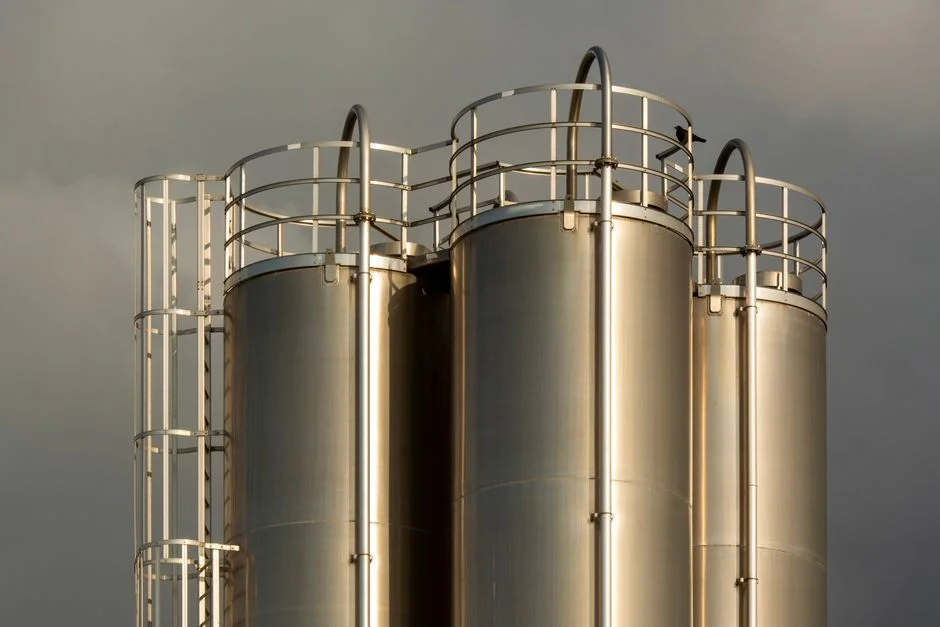
Equipment acceptance must be tied to the receiving permit and the characterized wastewater rather than a generic treatment package. Each bidder should state its guaranteed treatment objective, applicable pollutant list, design flow, operating mode, control philosophy, and included treatment and monitoring components. The bid should also identify utilities, electrical requirements, footprint, installation interfaces, startup tasks, operator training, and O&M documentation. Make the receiving POTW’s written permit, approved process description, flow basis, and required sampling point contractual attachments.
| Acceptance item | Required evidence from bidder | Release condition |
|---|---|---|
| Permit and classification basis | Receiving-authority permit, user classification and applicable requirements | Verified by the responsible engineer |
| Process performance | Guaranteed objectives, pollutant list, design flow and operating mode | Consistent with characterization and permit limits |
| Complete scope | Equalization, precipitation, flocculation, filtration, sedimentation, pH adjustment and other required operations as applicable | No treatment step omitted without written engineering justification |
| Monitoring and controls | Sample point, instruments, alarms, data outputs and upset response | Compatible with written POTW requirements |
| Residuals | Generation basis, storage, transport and disposal route | Named handler and documented destination |
| Delivery and implementation | Drawings, utility needs, installation interface, commissioning, training and O&M scope | Commercially and technically complete |
Use the Montrose treatment checklist as a prompt for required operations, not as the Jackson specification. Do not release final equipment selection until the responsible engineer confirms that the proposed train satisfies the receiving authority’s written requirements and that the performance basis reflects actual stream analyses. The industrial effluent treatment-plant selection method provides a procurement framework, while the DAF versus lamella pretreatment design comparison can support a process review; neither substitutes for Jackson-area permit terms or project-specific wastewater data.
Frequently Asked Questions
When is DAF preferred over chemical treatment for fabricated-metals wastewater?
Prefer DAF when analyses show suspended solids, oil and grease, or colloidal material within the treatment duty. Add precipitation, flocculation, or pH adjustment only for a demonstrated contaminant or pH condition.
What should a buyer request when comparing treatment-system prices?
Request a scope-aligned price separating equipment, ancillaries, controls, monitoring, foundations, utilities, startup, training, and residual handling. Also request the treatment guarantee and underlying flow, batch, and pollutant basis to ensure consistent comparisons.
How should pretreatment equipment be sized near Jackson?
Use verified peak flow, batch timing, pollutant loading, and the required operating margin. Because no Jackson-specific sizing factor is established in the supplied evidence, obtain the flow basis from monitoring and the receiving authority before selecting capacity.
What is the main supplier-selection and compliance risk?
Require documented guarantees, included ancillaries, controls, drawings, commissioning scope, O&M deliverables, and permit-supporting information. The primary compliance risk is treating another city’s permit as Jackson’s requirement; obtain local limits, sampling conditions, and slug controls in writing from the receiving POTW.