Define the property's sewage treatment route
The practical choice for a Sri Lankan hotel is usually between a decentralized A/O package plant and an MBR. An A/O package plant combines biological contact oxidation, sedimentation and disinfection in a compact buried unit. An MBR adds membrane filtration and becomes more relevant when tighter solids separation or reuse is a priority. Selection should follow sewer availability, peak occupancy-related wastewater demand, effluent destination, reuse objectives, available footprint and local approval requirements.
The first decision is not the equipment type. It is whether the treated wastewater can enter a permitted sewer or whether the property needs onsite treatment. Confirm the physical connection, available capacity and acceptance of the proposed discharge route with the relevant authority; the supplied research does not establish a universal sewer-access rule for Sri Lankan hotels.
Map the wastewater streams before defining the process train. Keep domestic sewage from guest rooms, showers and staff facilities separate from kitchen wastewater, laundry effluent and swimming-pool water. These streams can differ materially in hydraulic flow, pollutant load and required pretreatment. A plant selected for domestic sewage should not automatically be treated as suitable for combined hotel flows.
The Guide to on-site wastewater management for hotel and restaurant owners and managers in Kurunegala, Sri Lanka is a useful local starting point for planning onsite wastewater systems (S3). It was published through the Consultative Group for International Agricultural Research repository. However, it does not replace current project-specific confirmation with the relevant Sri Lankan authority.
Record the intended destination of the final effluent: sewer discharge, surface-water discharge, land disposal, irrigation or another non-potable reuse. The selected endpoint affects the clarification and filtration performance that must be requested and verified.
| Property decision | Evidence to record | Why it affects selection |
|---|---|---|
| Sewer route | Connection point, physical access, authority acceptance and available capacity | Determines whether a package plant is necessary |
| Wastewater streams | Domestic sewage, kitchen, laundry and pool-water flows | Establishes which streams enter the treatment train |
| Effluent destination | Discharge point or intended non-potable reuse | Sets the clarification, filtration and disinfection basis |
| Approval status | Authority contact, consultation records and required submissions | Identifies unresolved local conditions before procurement |
Build the hotel wastewater design basis
A defensible sewage treatment sizing basis requires measured and forecast wastewater flow, pollutant characteristics, peak demand and the intended effluent use. The supplier needs this data to provide an accurate quote rather than relying on occupancy figures alone.
- Obtain daily wastewater volume from metering records where available, together with monthly variation and the operational periods producing the highest flow.
- Record the peak-hour flow and the occupancy pattern associated with it. Identify seasonal changes and planned future capacity.
- Separate domestic sewage from showers, sinks, laundry, kitchen wastewater, swimming-pool discharges and other high-strength or high-volume streams.
- Survey available footprint, installation access, soil conditions and groundwater level. These constraints determine whether a buried package unit is feasible.
- Define the treated-water objective, including any required reuse application and the evidence needed to demonstrate compliance.
- Request the supplier’s hydraulic calculation, selected peak factor, influent assumptions, process stages and expected operating envelope.
Seasonal tourism is a material design issue. Hotels frequently encounter fluctuating wastewater demand, and peak tourist seasons can produce production spikes (S4). Seven Seas Water, in its hotel wastewater guidance published in 2026, recommends designing onsite systems for those peaks or using modular systems that can be expanded. The selected peak factor must be justified against the property’s flow record.
Include showers, sinks and laundry in the domestic wastewater flow basis, but determine whether kitchen or pool water requires a separate route. The supplier must then demonstrate that its treatment stages are appropriate for the actual mixture and hydraulic variation.
The hotel A/O package plant versus MBR comparison provides a useful architecture discussion, but its Brooklyn application context does not replace Sri Lankan site data. The WSZ technical description can be assessed against the same hotel public sewer versus package plant decision: access, treatment route, space and expansion must be assessed together.
| Design-basis input | Information requested from the hotel | Supplier evidence required |
|---|---|---|
| Flow history | Daily and monthly wastewater volumes | Design flow derivation and calculation |
| Peak demand | Peak-hour flow and occupancy correlation | Selected peak factor and hydraulic response |
| Influent | Separate flow and load data for included streams | Influent assumptions and treatment-stage sizing |
| Seasonality | Seasonal occupancy and planned capacity changes | Operating envelope and expansion plan |
| Site and reuse | Footprint, access, groundwater, soil and effluent use | Dimensions, installation method and treatment objective |
Compare A/O package plants and MBR systems
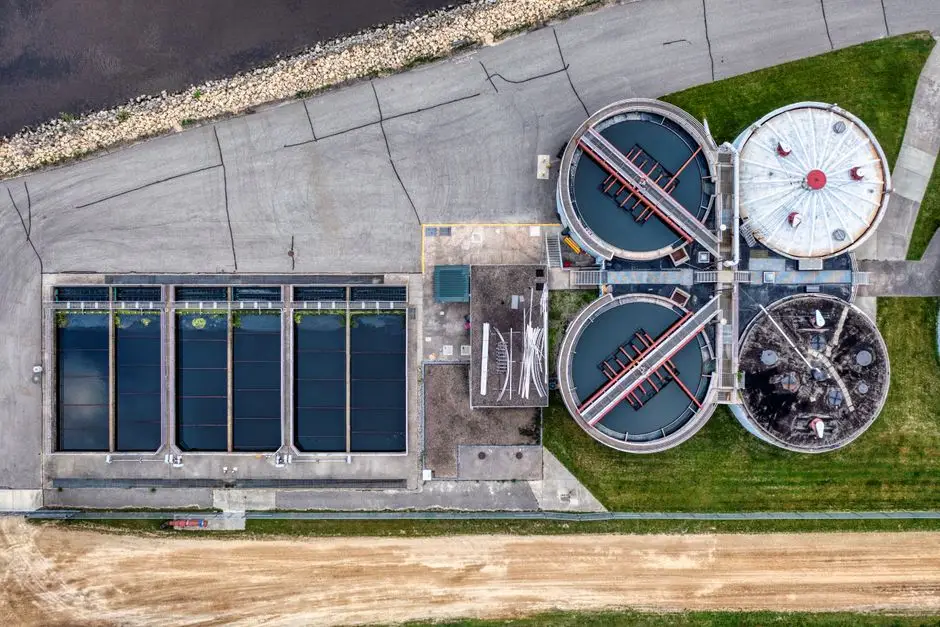
The A/O package route and MBR route should be compared against the same property constraints rather than by nominal capacity alone. A/O is the simpler compact biological package; MBR adds membrane separation and becomes more compelling when the reuse or solids-removal requirement justifies the additional process complexity.
The WSZ underground A/O package sewage treatment plant combines anoxic/aerobic biological contact oxidation, sedimentation and disinfection in a single buried package unit. The HydropureWater verified product catalog, accessed in 2026, states that it is fully automated, requires no operator and handles 1–80 m³/h for applications including hotels. It can be installed below grade with landscaping above or mounted on a trailer for mobile deployment. These are supplier-provided product characteristics that require verification against the selected duty and site conditions.
The integrated MBR wastewater treatment system combines activated sludge with submerged PVDF membrane filtration. The supplied Product Catalogue describes effluent as below 1 μm filtration and gives a capacity range of 10–2,000 m³/day. It also states that the system occupies 60% less footprint than conventional systems. Treat that figure as a product-catalogue claim within its stated comparison basis, not as a guarantee for every hotel layout.
Conventional onsite treatment commonly combines sedimentation, filtration, biological treatment and disinfection, while an MBR adds membrane separation (S4). That distinction affects process train complexity, operator involvement, maintenance and the evidence needed for reuse. MBR technology may be relevant for landscape irrigation or other non-potable applications, but the receiving authority and the proposed reuse specification must confirm the applicable standard.
| Decision factor | A/O package plant | MBR system |
|---|---|---|
| Treatment architecture | Anoxic/aerobic biological contact oxidation, sedimentation and disinfection | Activated sludge with submerged PVDF membrane filtration |
| Stated capacity | 1–80 m³/h in the WSZ catalogue | 10–2,000 m³/day in the Product Catalogue |
| Physical arrangement | Single buried package unit | Compact integrated system; catalogue states 60% smaller footprint than conventional systems |
| Main selection trigger | Compact integrated biological treatment and limited site space | Membrane separation, tighter solids removal or reuse requirements |
| Verification focus | Design peak flow, biological loading, sedimentation and disinfection | Membrane performance, filtrate quality, cleaning, replacement and reuse compliance |
Choose A/O when the property needs an integrated biological treatment route and the supplier demonstrates adequate peak-flow and load performance. Investigate MBR when membrane separation, high-quality reuse or the smaller conventional-system footprint changes the business case. Confirm both routes against sewer access, effluent destination, footprint, expansion needs and local approval conditions.
Prepare the supplier data request and acceptance checks
Procurement should compare each proposal against one controlled scope and one written design basis. Otherwise, quotations may appear different because they cover different flows, installation assumptions, testing obligations or operating services.
Request the following from every bidder:
- Design flow, peak factor, influent characteristics, hydraulic calculation and expected operating envelope.
- Process stages, equipment dimensions, utilities, installation requirements and site constraints.
- Equipment capacity range, operating logic and compliance with seasonal peak demand.
- Expansion provisions and the physical, hydraulic and control changes required for additional capacity.
- Proposed effluent use, sampling requirements, acceptance criteria and the permits expected to support the discharge or reuse route.
- Sludge handling arrangement, maintenance schedule, operator requirements, spare parts and support arrangements.
- Scope for design, supply, installation, commissioning, training, performance testing, sludge disposal and warranty support.
Ask each supplier to explain how the proposed equipment handles seasonal occupancy spikes and whether additional capacity can be added later, consistent with the capacity-management approach described by Seven Seas Water in 2026 (S4). A supplier that cannot identify its expansion limits or assumptions has not completed the design basis.
Request current discharge, reuse and construction approvals that the supplier expects to support, but label them as confirmation items. No current Sri Lankan permit schedule or verified regulatory limit was supplied in the research. The hotel team and its local consultants must confirm the applicable requirements with the relevant authority rather than relying on a general supplier statement.
| Acceptance item | Evidence to request | Procurement decision |
|---|---|---|
| Capacity | Approved process calculation tied to the property design basis | Accept only if peak flow and loads are covered |
| Effluent performance | Defined sampling point, method, frequency and acceptance criterion | Match criterion to the verified discharge or reuse route |
| Installation | Site-specific layout, civil works, utilities and access requirements | Reconcile with property constraints |
| Operations | O&M scope, maintenance intervals, spares, support and sludge route | Price the complete lifecycle responsibility |
| Approvals | Permit or authority-confirmation matrix | Keep unresolved approvals visible in the programme |
Frequently Asked Questions
How should a sewage treatment plant for a Sri Lankan hotel be sized?
Size it from verified flow and load data, the peak operating condition, the wastewater streams included, the intended effluent use and confirmed local approval conditions. Guest-room count alone does not establish the required treatment capacity. Ask each supplier to show its design flow, selected peak factor, hydraulic calculation and operating envelope against the same property data.
How should a hotel select between an A/O package plant and an MBR?
Select A/O where a compact, integrated biological treatment route fits the site and the supplier demonstrates adequate peak-flow and load performance. Investigate MBR where membrane separation, tighter solids removal or reuse requirements justify the added process. The decision should be based on effluent purpose, footprint, operating resources, sludge handling and expansion needs—not product range alone.
How should procurement compare the cost of A/O and MBR systems?
Compare total installed scope and lifecycle obligations, including design, supply, civil works, installation, commissioning, testing, training, utilities, biological media or membrane replacement, energy, maintenance, sludge handling and expansion provisions. No verified Sri Lankan price range was supplied, so request a property-specific quotation rather than using an unsupported budget figure.
Which supplier and compliance checks should a Sri Lankan hotel require?
Require a transparent design basis, site-specific drawings, stated capacity range, commissioning criteria, acceptance sampling method, O&M responsibilities and documented support. Before award, have the hotel team or local consultant confirm current discharge, reuse and construction approvals with the relevant authority. The supplied research does not establish current Sri Lankan regulatory limits, so an approval claim should not substitute for local confirmation.
Related Equipment
- WSZ underground A/O package sewage treatment plant — specifications, capacity range, and technical data