
Start with the wastewater and reuse objective
For Kokomo mining or metals wastewater, choose MBR when compact equipment, strong solids separation, or high-quality reuse are priorities and the wastewater can be characterized and pretreated to protect the biomass and membranes. Choose conventional activated sludge when land is available and the site favors a proven aeration-and-clarifier process with simpler equipment boundaries. MBR replaces gravity clarification with membrane separation; it does not automatically remove dissolved metals. Both options require site-specific flow, solids, pH, metals, organics, toxicity, variability, and final discharge or reuse data before a defensible comparison can be made.
The first procurement task is not to select a treatment acronym. It is to establish the design basis: average and peak flow, operating duration, future scenarios, suspended solids, pH, metals, hardness, salinity, organic load, toxicity, and temperature. Sampling periods and analytical methods matter because a short composite sample can conceal the pH excursions, solids slugs, or seasonal changes that control biological loading and membrane protection.
Define the controlling objective before comparing equipment. For discharge, the applicable permit and receiving-water constraints govern. For industrial wastewater reuse, the process-water specification governs, including any site-specific limits on solids, metals, hardness, salinity, pH, or biological stability. No Kokomo-specific permit, geology, reuse requirement, or mining-water dataset was supplied here, so no local route can be declared compliant without those documents.
Separate soluble inorganic contaminants from biodegradable organics and suspended solids. Biological treatment can reduce biodegradable material, but neither MBR nor conventional activated sludge automatically provides comprehensive metals removal. Soluble metals may require pH adjustment, precipitation, adsorption, or another dedicated process before or after biological treatment.
| Input to obtain before equipment selection | Why it changes the comparison | Evidence or basis to request |
|---|---|---|
| Flow, duration, and variability | Sets biological and hydraulic loading, equalization needs, redundancy, and treatment train size. | Flow record, peak and low-flow periods, sampling duration, and future operating scenario. |
| Suspended solids and particle characteristics | Influences clarifier settling, sludge loading, pretreatment, and membrane fouling risk. | TSS, settleability, colloids, grit, fibrous material, and metal-bearing solids. |
| pH, metals, hardness, and salinity | Influences biological inhibition, precipitation demand, chemical use, and membrane compatibility. | Parameter-specific analyses and the proposed pH and chemical-control envelope. |
| Organic load and toxicity | Determines biological treatability, equalization, aeration demand, and the need to identify inhibitory compounds. | Organic loading measure, toxicity assessment, and compound identification. |
| Temperature | Changes biological treatment performance and can affect the operating envelope. | Site temperature record and operating-temperature range. |
| Discharge or reuse objective | Defines the required solids separation and water-quality performance. | Permit, reuse specification, receiving constraints, and compliance sampling requirements. |
Compare the process boundaries side by side
Both alternatives retain biological treatment; the principal process-boundary change is the method used to separate solids from treated liquid. A membrane bioreactor mining wastewater system retains biomass and separates solids through membranes. Conventional activated sludge follows biological treatment with gravity clarification, return activated sludge, and associated sludge handling.
Seven Seas identifies compact footprint, high-quality effluent, reuse potential, and scalable configuration as common reasons for selecting MBR. It also describes conventional activated sludge as a well-established option suitable for facilities with more available space. Those are selection factors, not proof that either route will meet a Kokomo site’s particular effluent requirement.
The YouTube process comparison reports that MBR generally operates at longer solids-retention conditions and higher mixed-liquor suspended-solids concentrations than CAS. It associates those conditions with smaller process tanks but also greater aeration demand and higher operating expenditure associated with membrane replacement. The comparison is qualitative; it does not establish a Kokomo equipment size, energy value, or cost difference.
The HydropureWater verified product catalog reports two specific claims for its integrated configuration: a 60% smaller footprint than conventional systems and filtration below 1 micrometre. The 60% figure is product-specific and must be reconciled with the proposed wastewater basis, pretreatment, biological loading, tank arrangement, and ancillary equipment. The filtration statement describes the membrane barrier, not complete removal of dissolved metals or proof of compliance with a reuse specification.
| Evaluation item | Membrane bioreactor mining wastewater route | Conventional activated sludge route |
|---|---|---|
| Solid-liquid separation | Membrane filtration retains biomass and separates solids without a gravity clarifier in the biological process boundary. | Clarifier settling follows the biological reactor, with return and waste sludge provisions. |
| Footprint | The HydropureWater integrated MBR catalog reports a 60% smaller footprint for that configuration; applicability must be demonstrated. | Includes reactor, clarifier, sludge handling, pipework, and access areas that must be laid out. |
| Effluent and reuse | Can provide strong solids separation and reuse potential; the catalog specifies filtration below 1 micrometre for its integrated system. | Performance depends on biological treatment, clarification, and any downstream polishing. |
| Primary operating risks | Fouling, cleaning demand, aeration demand, membrane replacement, controls, and trained operation. | Clarifier settling, sludge removal, aeration, pumping, controls, and land availability. |
| Metals treatment | Requires a defined metals-control train where dissolved or colloidal metals are not acceptable in the effluent. | Requires the same dedicated assessment; biological treatment is not automatic metals removal. |
When evaluating an integrated MBR wastewater treatment system, ask the supplier to map every major component into the project boundary, including equalization, pretreatment, aeration, pumping, membrane modules, controls, cleaning systems, sludge handling, and installation access.
Test whether the wastewater can support MBR
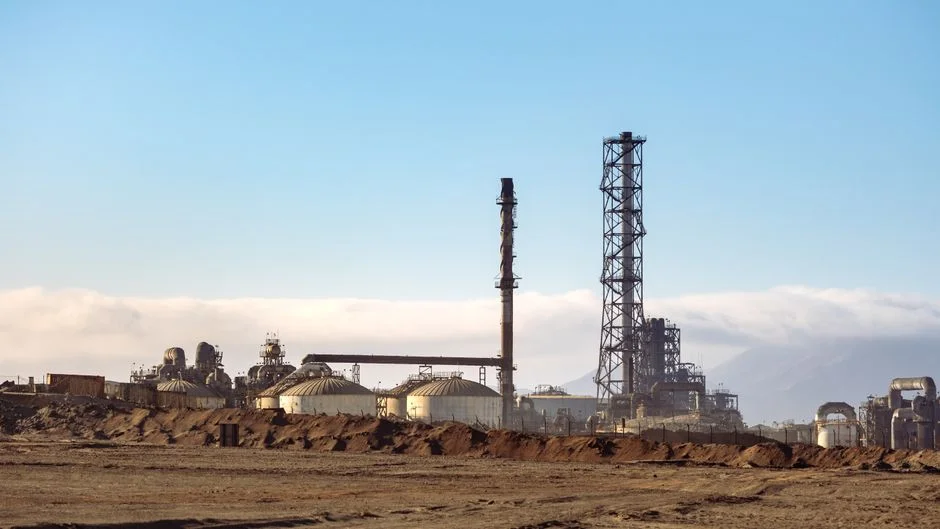
Excessive solids, colloids, metal-bearing precipitates, and pH excursions can increase membrane fouling or disrupt biological activity. These are screening issues: if the actual mine wastewater presents them, the process boundary must address them before the MBR. MBR selection is not defensible merely because the equipment occupies less space than a clarifier.
The 2024 Elsevier review identified in the HydropureWater 2026 guide identifies membrane selection, backwashing, chemical cleaning, mixed-liquor suspended-solids control, and aeration control as MBR implementation requirements. It also emphasizes pretreatment, skilled operation, routine maintenance, and water-reuse potential. Pretreatment is therefore part of the MBR process, not an optional accessory added after equipment selection.
Suspended solids and colloids are identified as important fouling contributors in the supplied 2024 MDPI review. Metal-bearing precipitates create a different risk: they can foul membranes and may also carry contaminants into the biological zone. The required response must follow wastewater testing rather than a generic pretreatment assumption.
Where suspended solids and colloidal material are significant separation or fouling risks, DAF pretreatment for mining wastewater may warrant evaluation. Its suitability must be demonstrated using site solids, settleability, particle characteristics, variable flow, and the required solids-removal objective. If biological loading, pH, or dissolved-metal controls also require additional units, include them in the total treatment boundary.
Each bidder should identify expected foulants and explain why the proposed membrane material and configuration are compatible. The request should cover whether the membrane is submerged, membrane construction, backwash and chemical-cleaning triggers, cleaning chemicals, recovery from upsets, spare modules, and redundancy. The supplied research does not establish a universal cleaning interval or membrane life for a Kokomo site; those values must come from the proposed design and site-specific evidence.
- Screen the wastewater for solids, colloids, metal-bearing precipitates, pH excursions, salinity, and toxicity.
- Define the pretreatment and equalization envelope required to protect biological activity and membrane condition.
- Require a supplier-specific fouling-control and upset-recovery plan.
- Verify the plan through site-specific testing before final equipment selection.
Compare lifecycle requirements instead of purchase price
Equipment price alone cannot compare MBR and conventional activated sludge because the two scopes substitute different solids-separation, sludge-handling, and maintenance obligations. A comparable quote must use the same required flow, wastewater basis, biological-loading basis, pretreatment envelope, and final effluent or reuse specification.
For MBR, request the membrane configuration, aeration design, pumping, backwashing, chemical-cleaning controls, controls package, redundancy, spare modules, membrane warranty, replacement assumptions, energy use, sludge handling, installation, commissioning, training, and maintenance. For CAS, request aeration and reactor sizing, clarifier performance, sludge removal, equalization, pumping, controls, installation, commissioning, training, and maintenance.
Do not apply a universal MBR-versus-CAS cost ratio. The MBR cost per m3 guide is a screening reference, not a project quotation for Kokomo. Ask bidders to state exclusions and assumptions explicitly so a lower equipment price is not produced by omitting membranes, cleaning, spares, replacement, pretreatment, or downstream sludge handling.
Energy and replacement cost should be evaluated under the proposed operating scenario. The YouTube comparison states that MBR aeration demand is higher and membrane replacement contributes to higher operating expenditure, while smaller tanks can reduce civil costs. It provides no Kokomo energy consumption, replacement price, or installed-cost value. Those inputs must come from the selected equipment, utility conditions, duty profile, and supplier warranty.
| Commercial comparison item | Information required from every bidder | Acceptance check |
|---|---|---|
| Design basis | Required flow, wastewater characterization, biological-loading basis, pretreatment envelope, and final effluent or reuse specification. | Both bids use the same documented inputs. |
| MBR-specific scope | Reactor, membrane configuration, aeration, pumping, backwashing, cleaning controls, controls, redundancy, and spares. | Proposed components cover the stated operating and upset conditions. |
| CAS-specific scope | Aeration and reactor, clarifier, sludge removal, pumping, controls, and equalization. | Clarifier and sludge provisions are included, not deferred. |
| Operating costs | Energy, labor, chemicals, maintenance, sludge handling, membrane replacement, clarifier maintenance, and downtime. | Assumptions and unit rates are stated for the same operating period. |
| Project delivery | Installation, commissioning, training, acceptance testing, technical support, spare parts, and applicable warranty conditions. | Acceptance tests follow the permit or reuse specification and agreed design conditions. |
Use a site-specific decision matrix and RFQ
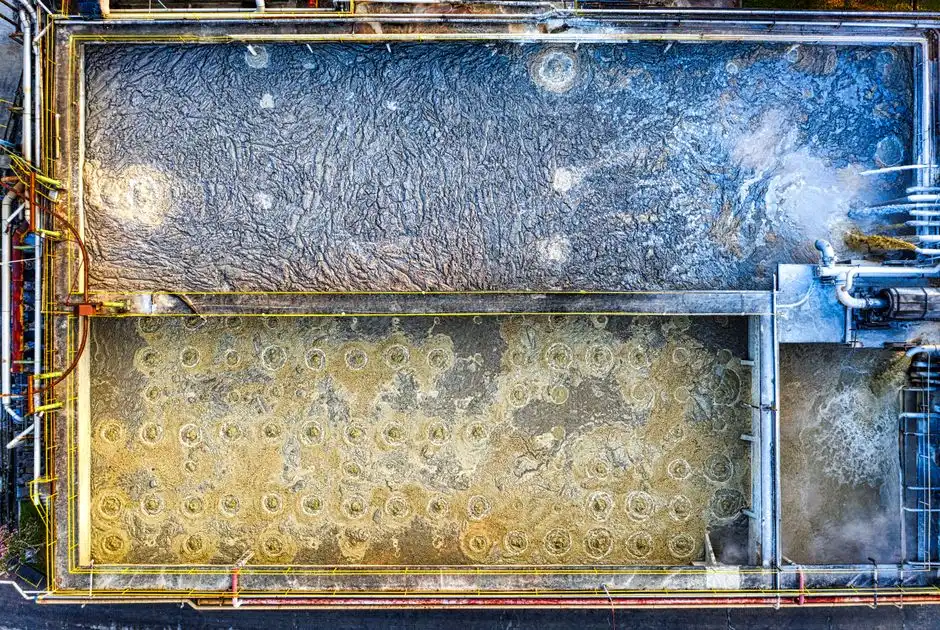
A defensible selection starts by scoring the constraints that the project can prove. MBR merits a strong score where land is constrained, high-quality solids separation is required, reuse potential governs, or modular configuration has operational value. CAS merits a strong score where available land reduces civil requirements, operators are more familiar with clarifier and sludge systems, and the project prioritizes conventional equipment simplicity.
Do not let a generic reference installation determine the score. The matrix below is designed to be filled from Kokomo site data and bidder responses. Weight each criterion according to the controlling permit, reuse requirement, land plan, and operating strategy before comparing totals.
| Fillable criterion | Project evidence required | MBR score | CAS score |
|---|---|---|---|
| Land and civil footprint | Available treatment area, access, utilities, and expansion plan. | Enter scored result. | Enter scored result. |
| Required solids separation | Permit or reuse specification and required effluent performance. | Enter scored result. | Enter scored result. |
| Metals and toxicity control | Site analyses, precipitation or other dedicated treatment, and biological inhibition assessment. | Enter scored result. | Enter scored result. |
| Fouling and variability | Solids, colloids, metal-bearing precipitates, pH excursions, and operating records. | Enter scored result. | Enter scored result. |
| Operator capability | Staff experience with membranes, aeration, clarifiers, sludge systems, and controls. | Enter scored result. | Enter scored result. |
| Redundancy and recoverability | Peak-flow scenario, upset consequences, spare strategy, and access to critical parts. | Enter scored result. | Enter scored result. |
| Lifecycle and compliance risk | Like-for-like quote, maintenance assumptions, testing, warranty, and acceptance criteria. | Enter scored result. | Enter scored result. |
The RFQ should require each bidder to explain how variable flows, metal-bearing solids, pH changes, and reuse demands affect biological loading, aeration, membrane selection, cleaning, and redundancy. Where wastewater contains unusual metals, salinity, toxicity, or rapidly changing solids, request pilot or bench data. Generic municipal or industrial references are insufficient for final sizing.
For an MBR membrane bioreactor module, require the supplier to demonstrate how the proposed configuration fits the site flow, wastewater characteristics, pretreatment envelope, and final treatment objective. The recommendation should follow the completed matrix, bid comparison, and acceptance-test review rather than precede them.
Frequently Asked Questions
How much does MBR cost compared with conventional activated sludge?
Do not select a route from a universal percentage difference or an equipment price. Request like-for-like lifecycle quotations covering pretreatment, aeration, pumping, membrane cleaning and replacement or clarifier and sludge systems, energy, labor, maintenance, and downtime. Require every bidder to use the same design flow, wastewater characterization, biological-loading basis, pretreatment envelope, and final effluent specification. The quote must also list exclusions and replacement assumptions.
What site data should determine MBR or CAS sizing?
Base sizing on flow and variability, suspended solids, pH, metals, hardness, salinity, organics, toxicity, temperature, required pretreatment, biological loading, and the final discharge or reuse specification. For MBR, also require the supplier to reconcile membrane configuration, fouling controls, cleaning, and redundancy with those inputs. A reference plant’s nominal capacity is not sufficient evidence.
How should mining wastewater suppliers be selected?
Require the proposed membrane material and configuration, fouling-control strategy, cleaning approach, redundancy, commissioning plan, training, acceptance testing, and support commitments. Give greater weight to site-specific pilot or bench evidence where unusual metals, salinity, toxicity, or changing solids could affect the result. Generic municipal or industrial references should not support final sizing.
What prevents an MBR from being rejected during compliance review?
Treat the applicable permit or reuse specification as controlling. Verify the proposed treatment train against site-specific analytes and operating variation, including metals, solids, pH, salinity, toxicity, and peak-flow conditions. MBR membrane separation does not automatically satisfy dissolved-metals limits. Require an explicit metals-control strategy and acceptance tests tied to the controlling requirement before equipment approval.