Confirm the Controlling Discharge Requirements
Fabricated metals plants near Cordova must first determine whether 40 CFR Part 433 applies, obtain the receiving POTW’s local limits under 40 CFR 403.5, and apply the stricter requirement for each parameter. The treatment train is then matched to the controlling limits: equalization, oil and grease removal, hexavalent-chromium reduction, cyanide oxidation, hydroxide precipitation, DAF or lamella clarification, and pH control. No Cordova-specific permit values were supplied, so final sizing must wait for the current permit and local-limit documents.
40 CFR Part 433 covers forming, finishing, forging, foundry, metal spraying, and machining-wash operations co-located with plating or anodizing lines. The applicability review should therefore examine the actual process lines, not merely the company’s “fabricated metals” description. A facility with zinc, nickel, or chromic-acid tank lines requires closer review than a stamping operation that ships parts to a separate finisher. The framework then divides requirements into PSES for existing sources and PSNS for new sources; the source should be identified before comparing limits. The relevant metal-finishing framework and its compliance sequence are described in the permit-first industrial sewer pretreatment workflow.
The receiving POTW, rather than the equipment supplier, should provide the controlling local-limit table, sewer-use ordinance, current industrial-user permit, monitoring frequency, sampling method, discharge authorization and reporting requirements. The design basis is the stricter applicable requirement for each parameter—not a blanket comparison between two tables. Under the permit-first workflow, request and date-stamp every document used for procurement.
| Document or input | Use in the procurement decision | Status for this Cordova review |
|---|---|---|
| Federal applicability determination | Determine whether the operation falls within the Metal Finishing point-source category and whether PSES or PSNS applies. | Requires the plant’s process-line inventory. |
| POTW sewer-use ordinance and local-limit table | Identify enforceable parameter limits, monitoring conditions and any restrictions on batch discharges. | No Cordova-specific values supplied. |
| Industrial-user permit | Confirm discharge authorization, sampling method, monitoring frequency, reporting rules and operating conditions. | Must be obtained from the receiving authority. |
| Approved process flow and batch-dump schedule | Establish flow, volume and operating envelopes for equalization and clarification sizing. | Requires plant operating records. |
| Representative wastewater characterization | Link contaminant concentrations and variability to treatment and equipment criteria. | Requires a full-week composite sampling program. |
Map Wastewater Contaminants to Treatment Steps
Oils, dissolved metals, hexavalent chromium, cyanide and TSS require different unit operations and should not be collapsed into one chemistry stage. The supplied 2026 HydropureWater field data reports oils at 50–500 mg/L, total dissolved metals at 5–200 mg/L, TSS at 100–1,000 mg/L, and pH swings between 2 and 12 across batch dumps. These values characterize the mixed-floor-drain scenario in the source, not Cordova permit limits; they provide preliminary design context until site testing is completed.
Equalization receives batch dumps and variable flows before the downstream reactions. Free and emulsified oils need physical separation or chemical destabilization. Hexavalent chromium is reduced with sodium metabisulfite or ferrous sulfate at pH 2–3, with ORP controlled at roughly 250–300 mV, according to the supplied 2026 treatment reference. Cyanide must be oxidized before metals precipitation because it can resolubilize precipitates downstream. Raising pH into the hydroxide-precipitation range converts dissolved metals into separable solids; DAF or lamella clarification then removes the floc, and final pH trim prepares the effluent for discharge.
Segregate incompatible streams where practical. An acidic chromic rinse, alkaline cyanide plating waste, oil-bearing machining coolant and high-TSS grinding waste have different chemical demands and equalization risks. The process engineer should document each stream’s source, volume, pH, analysis and dump frequency before assigning treatment steps.
| Contaminant family | Required treatment step | Principal equipment | Control and failure mode |
|---|---|---|---|
| Free and emulsified oils | Physical separation or chemical break | Equalization and oil-removal stage | Monitor oil concentration and emulsion stability; an oil carryover can impair clarification and downstream sludge handling. |
| Hexavalent chromium | Reduction to trivalent chromium | Reaction tank with pH and ORP instrumentation | Maintain pH 2–3 and roughly 250–300 mV ORP; an incomplete reduction leaves Cr(VI) subject to the controlling limit. |
| Cyanide | Oxidation before metals precipitation | Reactor with chemical dosing and monitoring | Verify destruction before downstream precipitation; untreated cyanide can redissolve metal precipitates. |
| Dissolved metals | Hydroxide precipitation | pH-controlled reaction tank followed by solids separation | Control pH through the precipitation range and confirm residual dissolved metals; poor floc carries solids into discharge. |
| TSS and hydroxide floc | Clarification and sludge withdrawal | DAF or lamella clarifier | Monitor solids carryover and sludge inventory; excess sludge or poor withdrawal reduces effective separation. |
| pH | Final trim after solids separation | pH adjustment system | Verify the discharge-point pH; an upset must divert flow to equalization rather than continue discharging. |
A PLC-controlled chemical dosing skid executes the reduction, oxidation, precipitation and pH steps from documented setpoints. Chemical consumption and reaction demand should be based on measured stream chemistry, not facility area or a generic flow rate.
Choose DAF or Lamella Clarification
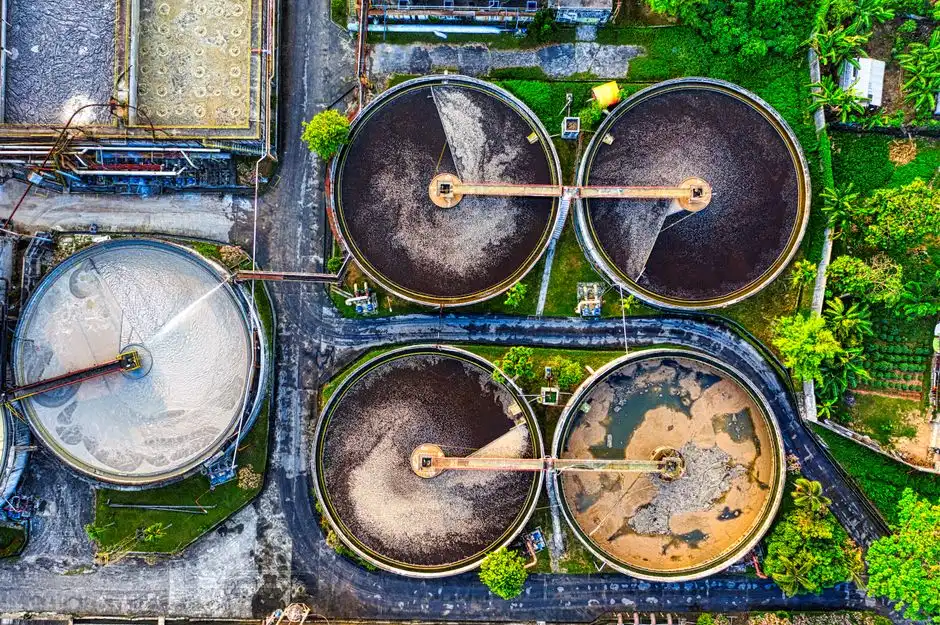
DAF is the stronger starting candidate when the pretreatment objective includes high removal of suspended solids, FOG, oil and grease, or colloidal matter, because its flotation mechanism targets buoyant and flocculated material. A lamella clarifier is more appropriate when the feed is predominantly dense, settleable solids and inclined-plate separation with sludge recirculation fits the process. The decision should follow the contaminant characterization rather than peak flow alone.
For DAF, the supplied 2026 sizing reference gives hydraulic surface loading of 4–20 m/h, an air-to-solids ratio of 0.005–0.060 with 0.02 as a typical design point, and recycle of 10–30% of forward flow. Higher air-to-solids ratios can produce drier float but increase blower demand and may damage fragile floc; higher recycle can improve TSS removal while increasing equalization and hydraulic demands. These are sizing criteria, not guarantees for an untested Cordova waste stream.
The HydropureWater lamella clarifier product data lists surface loading rates of 20–40 m/h and combines sludge recirculation, flocculation and inclined-plate separation. That range is appropriate only if the wastewater contains predominantly settleable solids. Review the DAF versus clarifier comparison for fabricated metals wastewater before fixing the separation basis.
| Decision criterion | Prefer DAF when | Prefer lamella clarification when |
|---|---|---|
| Primary solids character | Floc, colloids, oils or floatable material are important. | Dense solids settle readily and do not need flotation. |
| Oil and FOG loading | Oil removal is a principal treatment objective. | Oil has been removed upstream and will not interfere with settling. |
| Sizing basis | Use surface loading, air-to-solids ratio and recycle criteria. | Use the product surface-loading range after representative settling and floc tests. |
| Operations | Require attention to air supply, recycle, float removal and fragile-floc handling. | Require attention to sludge recirculation, inclined plates and bottom-solids withdrawal. |
| Required engineering data | Batch volumes, flow variation, oil loading, floc characteristics and recovery target. | Batch volumes, settling rate, sludge density, recirculation response and target recovery. |
Before ordering either device, establish batch-dump volumes, flow variation, representative floc characteristics, oil loading and required solids recovery. Fit the selected device with an industrial DAF system only if its operating basis matches the tested wastewater and permit envelope.
Build Controls and Solids-Handling Acceptance Criteria
The treatment train should have enforceable operating controls rather than relying on an operator to judge each reaction. Specify flow-paced feedforward dosing with pH or ORP feedback on the PLC-controlled automatic chemical dosing skid. Require calibration columns and stroke-count totalizers on chemical pumps so operators can verify actual chemical delivery. Record dose, tank level, pH, ORP, flow and alarm history in the control system.
Interlocks should divert flow to the equalization-basin header when pH moves outside its operating band, ORP leaves the required range, or high TSS indicates a solids carryover. The acceptance test should prove that automatic diversion occurs, that the discharge path remains isolated during the upset, and that an operator can restore service through defined steps. High-TSS detection must be based on a credible instrument or sampling protocol appropriate to the treatment train.
Metal-hydroxide solids handling requires a specified destination, collection method and dewatering route. The supplied 2026 treatment reference describes DAF float at 2–5% dry solids and plate-and-frame dewatering to 25–35%. A plate-and-frame filter press should be evaluated against those solids characteristics and the disposal hauler’s acceptance criteria. The permit file and procurement specification should identify whether filtrate may return to the process, enter equalization, or requires separate handling.
Where rags, wipes or tramp metal could enter the sludge train, place a rotary mechanical bar screen upstream of equalization or sludge pumping. The supplied 2026 reference identifies this as protection against premature filter-press cloth failure; include a defined screen opening, extracted-material container and maintenance access in the supplier scope.
Commissioning should include control-simulation tests, chemical-pump calibration checks, alarm and diversion tests, steady-state effluent performance, sludge transfer, dewatering trials and maintainability demonstrations. Specify what constitutes failure, how much data the supplier must retain and who authorizes restart after a permit-relevant upset.
Commission Against the Cordova Permit
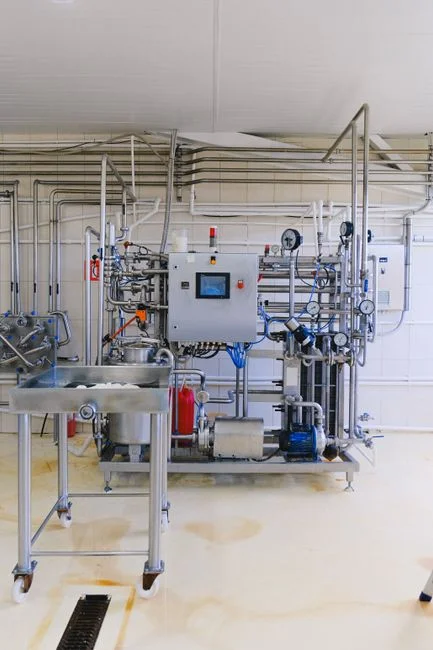
Commissioning must demonstrate the actual Cordova discharge authorization, not merely compliance with equipment design values. Collect a full-week composite influent sample before final sizing and reconcile the result with the plant’s batch-dump schedule. The 2026 treatment reference specifically identifies short composites as a cause of undersized equalization because they may miss a major dump.
Verify compliance using the daily-maximum and monthly-average provisions that apply under the confirmed PSES, PSNS or POTW framework, together with the permit’s own sampling and reporting rules. Add filtration or polishing only if the POTW limits are tighter than the applicable categorical limits, water reuse requires it, or a confirmed new numerical requirement makes it necessary. Before start-up, archive the operating envelopes, chemical consumption data, alarm-test records, sludge destination and final equipment submittal. The Cordova authority’s approved permit remains the controlling document; absent supplied local values, neither federal limits nor supplier guarantees can close that compliance gap.
Frequently Asked Questions
When is DAF preferred over a clarifier for fabricated metals wastewater near Cordova?
Choose DAF when the tested wastewater contains substantial oils, FOG, colloids or floc that must be floated. Choose lamella clarification when solids are predominantly dense and settleable and recirculation with inclined-plate separation fits the process. Validate the decision with representative wastewater testing rather than peak flow alone.
What must the full-week sampling establish before equipment pricing?
The composite must capture batch-dump volumes, pH swings, oils, total dissolved metals, hexavalent chromium, cyanide and TSS across normal production and discharge schedules. It must also show whether flows are continuous or intermittent and identify any stream that requires segregation before treatment.
What permit documents should be obtained before requesting a budget?
Request the POTW industrial-user permit, sewer-use ordinance, local-limit table, monitoring frequency, sampling method, discharge authorization and reporting requirements. Because no Cordova-specific values were supplied for this review, the supplier cannot price a defensible compliance basis without those documents and the confirmed federal applicability determination.
What should be requested from the equipment supplier before shipment?
Request the final process and sizing calculations, control narratives, alarm-interlock logic, chemical-pump calibration records, electrical drawings, materials of construction, spare parts, maintenance instructions and acceptance-test procedures. The supplier should also provide commissioning evidence for effluent performance, sludge transfer,