Determine which discharge rules apply
Pulp and paper plants near Houston that discharge to a municipal sewer generally comply through an EPA-approved local pretreatment program and their individual POTW permit, rather than by applying one universal sewer limit. EPA’s 40 CFR Part 430 pulp, paper and paperboard effluent guidelines influence direct dischargers, while indirect dischargers face the receiving POTW’s enforceable discharge restrictions. In practice, mills reduce the sewer load through source control, primary clarification or DAF for suspended and colloidal solids, biological treatment for BOD and biodegradable organics, and advanced oxidation or membranes when color, toxicity or AOX requires additional control. Final limits and monitoring requirements must be confirmed with the Houston-area POTW and the plant’s permit.
The controlling distinction is the receiving point. A direct discharger sends pollutants to waters of the United States, such as streams, lakes or oceans; an indirect discharger sends pollutants to a publicly owned treatment works. EPA’s Pulp, Paper and Paperboard Effluent Guidelines identifies 40 CFR Part 430 as the industrial category and explains that the guidelines are incorporated into NPDES permits for direct dischargers and into permits or other control mechanisms for indirect dischargers (EPA, 2026).
The federal history is relevant when reviewing permit language. EPA promulgated the initial pulp, paper and paperboard effluent guidelines and standards in 1974 and 1977, amended them in 1982 and 1986, and added a major toxic-pollutant amendment in 1998 (EPA, 2026). Those dates do not establish the current Houston sewer limit. The individual permit, local limits, prohibited discharges and monitoring conditions remain the operating criteria that a mill must test.
For a Houston-area plant, request the industrial user permit from the receiving POTW before finalizing a treatment specification. Then separate: prohibited discharges; categorical pretreatment standards applicable to the mill subcategory; locally derived limits; discharge-point and monitoring requirements; reporting and recordkeeping; sampling methods; and bypass or upset provisions. The available research does not identify the controlling Houston-area POTW, so a single numerical sewer limit should not be assumed. Related site-specific examples of chemical plants meeting pretreatment limits before sewer discharge and fabricated-metal facilities addressing local pretreatment limits illustrate the permit-first approach, but they do not supply pulp-and-paper limits for Houston.
| Discharge pathway | Permit context | What governs equipment selection |
|---|---|---|
| Direct discharge to waters of the United States | EPA identifies 40 CFR Part 430 guidelines as incorporated into NPDES permits for direct dischargers (EPA, 2026). | Applicable subcategory requirements, NPDES conditions, receiving-water considerations and the chosen treatment train. |
| Indirect discharge to a POTW | EPA identifies 40 CFR Part 430 guidelines as incorporated into permits or other control mechanisms for indirect dischargers (EPA, 2026). | The receiving POTW’s enforceable permit, categorical standards, local limits, monitoring method and operating conditions. |
Characterize the wastewater before selecting equipment
Pulp mill wastewater can vary enough across production cycles that a single grab sample cannot support equipment sizing. The academic review reports wastewater generation of up to 70 m³ per metric ton of paper, depending on raw material, product and water reuse (Hubbe and colleagues, 2016). That generation range makes representative flow and constituent data more important than a nominal average from one shift.
Start with process origins. Hubbe and colleagues identify wood preparation, pulping, pulp washing, screening, paper-machine operations, coating and especially bleaching as sources of polluting effluent (2016). The pollutants to investigate include suspended solids, BOD, COD, color, toxicity, absorbable organic halides (AOX), pH and any constituents named by the POTW permit. The BOD-to-COD ratio is useful because it indicates how much of the organic load is readily biodegradable (Hubbe and colleagues, citing McCubbin and Folke, 1993).
Properties change with process, raw material, recirculation and water use (Hubbe and colleagues, 2016). A characterization program should therefore cover normal production, cleanup releases, bypasses and upset conditions—not merely steady-state production. Separate average flow from peak and surge conditions, and distinguish batch from continuous discharges.
For each sampling point, request flow, constituent concentrations, pH and temperature where relevant to biological or chemical treatment. Also define the required operating flexibility, including production rate changes, equipment isolation and storage requirements. The POTW’s sampling method and monitoring point must be known before comparing treatment claims, because sample handling and compositing can change the compliance result.
| Decision input | Why it affects treatment selection |
|---|---|
| Representative flow profile | Separates continuous wastewater flow from production, cleanup and upset peaks. |
| Suspended solids and settleability | Determines whether clarification, DAF or both are justified before biology. |
| BOD, COD and BOD-to-COD relationship | Indicates biodegradable versus poorly biodegradable organic load. |
| Color, toxicity and AOX | Identifies whether biological treatment alone can meet the permit or whether supplementary treatment is needed. |
| pH, temperature and batch discharge pattern | Defines chemical dosing, biological operating range and equalization needs. |
| POTW sampling method and permit analytes | Establishes the performance basis and compliance protocol. |
Reduce the load at the source
Water reuse can reduce both the hydraulic and pollutant load entering end-of-pipe treatment, but only if the reclaimed water remains fit for the intended process. Hubbe and colleagues report that the pulp and paper industry uses about 70% of its massive water intake as process water, making internal recirculation after internal cleaning an important conservation measure (2016). Filtration save-alls, DAF and water-purification operations can also reduce the pollutant load and effluent volume sent to the wastewater plant (Hubbe and colleagues, 2016).
The compliance benefit is not limited to a smaller treatment vessel. Reduced flow can lower treatment demand, while source controls can change the concentration and variability that the remaining equipment must handle. However, source reduction cannot be justified by flow reduction alone: the mill must confirm that the retained contaminants do not create unacceptable accumulation in the process water.
Hubbe and colleagues also report historical findings from Blanco and colleagues (2004): water consumption fell by nearly a half over 20 years and by 95% per tonne of paper over 30 years. These are historical industry findings, not a current Houston performance guarantee or a target applicable to a particular mill.
Maximum closure is constrained by contaminant accumulation, which can cause corrosion, deposits and odors and can alter paper-machine runnability and final product quality (Hubbe and colleagues, 2016). Use a water-fit-for-use assessment: identify the receiving service, required water quality, likely accumulation compounds, temperature effects and consequences for process stability. Source reduction should therefore precede end-of-pipe sizing, not substitute for it.
Remove solids before biological treatment
Primary clarification removes settleable solids and reduces the organic and suspended-solids burden sent to activated sludge. DAF is an alternative or upstream solids-removal step for suspended solids, oil and grease and colloidal matter; Hubbe and colleagues specifically identify DAF among upstream process changes that can reduce the load reaching end-of-pipe treatment (2016). The choice depends on settleability, solids characteristics, chemical demand, available footprint and downstream sludge handling.
Published equipment specifications provide selection data, not a permit-compliance guarantee. HydropureWater’s dissolved air flotation system for pulp and paper pretreatment spans 4–300 m³/h across 13 standard models, uses micro-bubble technology and includes automatic skimming. Its lamella clarifier specification states surface loading rates of 20–40 m/h and chemical consumption reduced by up to 30%; both figures still require confirmation against project-specific performance criteria.
Chemical conditioning can improve separation, but coagulant and flocculant selection should follow jar testing and compatibility review. Hubbe and colleagues note that effective measurement technologies and strategic use of coagulants, flocculants, filter aids and optimized fungal or bacterial cultures can improve treatment performance (2016). Relevant vendor guidance includes a DAF selection guide for FOG and TSS and a broader DAF and clarifier design criteria.
Inadequate solids capture burdens pumps and aeration and carries solids into the biological stage. Conversely, removing solids does not remove all dissolved or finely divided organics. The equipment decision should therefore preserve enough information for biological treatment and any required polishing step rather than treating maximum clarification as the complete solution.
| Selection datum | Published value | How to use it |
|---|---|---|
| DAF catalog range | 4–300 m³/h across 13 standard models | Defines the available configuration envelope, not the guaranteed project flow. |
| DAF separation method | Micro-bubble technology with automatic skimming | Compare against the mill’s solids, oil-and-grease and operating requirements. |
| Lamella surface loading | 20–40 m/h | Use as a preliminary selection criterion pending project-specific confirmation. |
| Lamella chemical-use statement | Reduced by up to 30% | Request the comparison basis and verify through project testing. |
Treat biodegradable organics and manage residual color
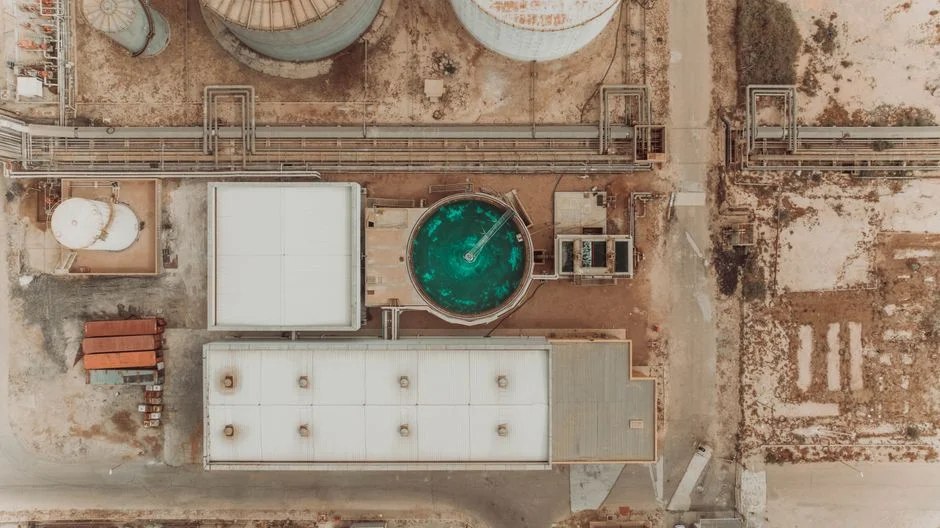
Primary clarification followed by activated sludge is the conventional biological treatment baseline in the pulp and paper industry. Hubbe and colleagues report that this combination has been widely implemented for controlling biological oxygen demand, toxicity, solids, color and other pollutant indicators (2016). Activated sludge is suited to biodegradable organics, but the permit and influent profile determine whether that baseline is sufficient.
The review cites Dahlman and colleagues (1995) that chemical pulping processes can generate more than 40% poorly biodegradable organics within the effluent’s total organic matter (Hubbe and colleagues, 2016). If that fraction is present at the mill, biological treatment alone may not provide the required effluent quality. Hubbe and colleagues identify anaerobic stages, advanced oxidation processes, bioreactors and membrane filtration as supplementary treatment options (2016).
Advanced oxidation addresses residual oxidizable constituents; membranes provide a solids-rejection barrier and can support reuse objectives. They are not automatically necessary. The decision should follow the permit analytes, residual contaminant profile, receiving POTW requirements and whether reclaimed water must meet mill-reuse quality. A pulp-and-paper mill wastewater compliance requirements guide is useful for framing site-specific evaluation, but it does not replace the Houston permit.
For reuse or very low suspended solids, HydropureWater’s integrated MBR wastewater treatment system spans 10–2,000 m³/day and combines activated sludge with submerged PVDF membrane filtration. This is a product range, not proof that MBR is required or that the mill will meet its discharge limits.
AOX needs its own source-control and monitoring strategy. Hubbe and colleagues state that AOX generally tracks chlorine consumption in bleaching and that this emission had been reduced by more than 80% since 1990, citing Friere and colleagues from 2003 (review published 2016). Those historical findings do not replace current mill data or a POTW AOX requirement.
| Treatment objective | Primary technology | Selection trigger | Key limitation |
|---|---|---|---|
| Biodegradable BOD and soluble organics | Activated sludge, following primary clarification | Conventional biological treatment is required or preferred. | Poorly biodegradable organics may remain. |
| Residual color or oxidizable contaminants | Advanced oxidation | Biological treatment does not meet permit analytes. | Chemical demand and by-product formation require evaluation. |
| Very low suspended solids or mill reuse | Membrane filtration, including an integrated MBR | Reuse quality or solids barrier is required. | Higher technical complexity; verify project-specific performance. |
| AOX control | Bleaching source control plus dedicated monitoring and treatment evaluation | Permit or POTW control program identifies AOX as a regulated constituent. | No universal need for oxidation or membranes. |
Build a compliance-ready operating strategy
Compliance evidence must come from the same discharge path and sampling protocol specified in the individual permit. Define monitoring locations for raw wastewater, post-solids-removal effluent, final effluent and every bypass or storage stream. Hubbe and colleagues conclude that successful treatment must achieve the required final effluent quality while maintaining reliable mill and wastewater-plant operation (2016); that makes process stability part of the compliance design rather than an operational afterthought.
Use online measurements where they improve control, but do not treat an online sensor as a substitute for permit compliance sampling. The review supports measurement technologies and strategic chemical addition, including coagulants, flocculants and optimized cultures, as means of improving treatment performance (Hubbe and colleagues, 2016). Link measurements to actions: adjust chemical dose, change aeration or recycle rate, divert to storage, or place the train in a defined upset condition.
The operating plan should cover variable production, chemical dosing, solids handling, upset recovery and documentation. Each procedure should point to a permit condition or a defined operating control, rather than relying on a generic compliance checklist. For high-COD industrial applications, a high-COD wastewater treatment guide provides a useful operating framework, but mill and POTW-specific requirements remain controlling.
Choose a treatment supplier with project-fit evidence
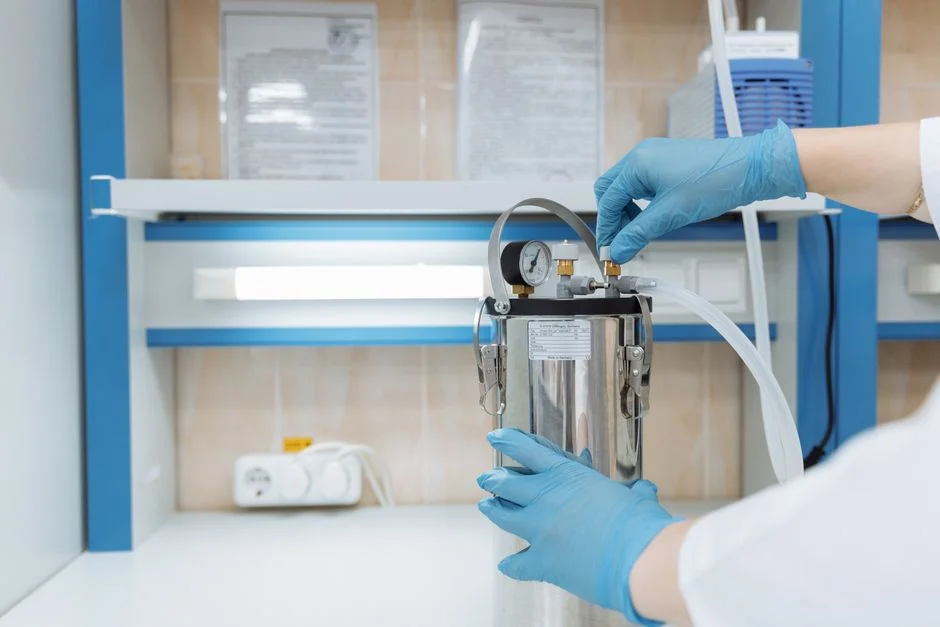
A supplier should size equipment from representative mill data and the receiving POTW’s actual limits, not from catalog flow ranges alone. Require the sizing basis to state average and peak flow, constituent loads, production operating envelope, chemical assumptions, retention criteria, sludge-handling route and the sampling protocol used to demonstrate performance.
Ask for evidence relevant to pulp and paper: solids-removal performance, biological process selection, membrane configuration, controls, sludge handling, upset response and operating support. Catalog capacities establish available configurations; they do not establish compliance. HydropureWater publishes a DAF range of 4–300 m³/h, an MBR range of 10–2,000 m³/day and lamella surface loading rates of 20–40 m/h. These values are useful comparison points, but the supplier must show how the selected configuration handles this mill’s verified flow and load.
Evaluate the whole operating package: chemical demand, energy use, sludge volume and disposal, operator attention, automatic controls, maintenance access and consequences of an upset or bypass. Require a written performance basis tied to the permit analytes and sampling method. A general promise that a unit will make the wastewater compliant is not an engineering guarantee.
| Procurement check | Acceptable project-specific evidence |
|---|---|
| Flow and load basis | Representative mill flow profile, constituent data, operating envelope and load calculations tied to the selected unit. |
| Performance basis | Defined analytes, sampling protocol, operating conditions and written acceptance criteria aligned with the POTW permit. |
| Equipment fit | Configuration within the published DAF, MBR or lamella range with project-specific hydraulic confirmation. |
| Operations and residuals | Chemical use, energy demand, sludge handling, controls, maintenance, upset response and bypass provisions. |
Frequently Asked Questions
Which rules should a Houston pulp and paper mill use to establish pretreatment limits?
Start with the individual permit from the receiving Houston-area POTW. EPA’s 40 CFR Part 430 framework informs how categorical requirements enter permits or other control mechanisms for indirect dischargers, but the enforceable Houston limits, prohibited discharges and monitoring protocol must come from the controlling POTW (EPA, 2026).
What data is needed to size solids removal and biological treatment?
Request representative average and peak flow, suspended solids, BOD, COD, color, toxicity, AOX and pH across normal production, cleanup and upset conditions. Confirm the POTW’s sampling method before comparing equipment performance.
When is a membrane or advanced oxidation process justified?
Use advanced treatment when biological treatment cannot meet a defined permit analyte or residual color profile; use membranes when very low suspended solids or mill-reuse quality is required. Hubbe and colleagues identify oxidation and membranes as supplementary options, not universal requirements (2016).
How should treatment suppliers be evaluated on cost and project fit?
Request an itemized lifecycle comparison covering equipment, chemicals, energy, sludge handling, controls, maintenance and operator attention. No quotation can be evaluated without the mill’s verified flow, load, chemical-use assumptions and the POTW’s actual limits.
What should be checked before accepting a supplier’s performance guarantee?
Confirm that the guarantee names the permit analytes, sampling method, operating conditions, flow basis and acceptance procedure. Catalog flow ranges and general statements about treatment performance are not proof that the installed equipment will meet the individual permit.
Related Equipment
- dissolved air flotation system for pulp and paper pretreatment — specifications, capacity range, and technical data
- integrated MBR wastewater treatment system — specifications, capacity range, and technical data