What DAF Can and Cannot Treat in Fermentation Wastewater
Dissolved air flotation is a solids-separation and pretreatment step for amino acid fermentation wastewater, not a complete biological treatment system. Micro-bubbles attach to floatable material, which is skimmed from the liquid, while coagulation and flocculation may be required before flotation. The final treatment train may still need anaerobic or aerobic biological treatment, nutrient removal, polishing and sludge dewatering.
The removal targets of an industrial DAF system include suspended solids, FOG, oil and grease, and colloidal matter according to the HydropureWater verified product catalog. Those targets apply to the physical separation stage only.
DAF does not remove dissolved organics, salts or nutrients merely because it removes the associated suspended fraction. Amino acid fermentation wastewater may contain biological solids, precipitated material and other process-derived solids, but the supplied research provides no universal DAF removal rate for this industry. Accordingly, no amino-acid-specific removal guarantee should be accepted without wastewater-specific trials and a defined compliance basis.
The practical distinction is simple: use DAF to recover material that can be attached to bubbles and removed by skimming. Use biological and other downstream processes to address soluble or dissolved treatment objectives. Performance from unrelated food-processing, semiconductor or palm-oil-mill effluents can inform equipment concepts, but it cannot establish the outcome for fermentation process wastewater.
Characterize the Wastewater Before Selecting a DAF
A defensible DAF selection begins with a representative sampling program covering normal production, peak discharge, batch dumps, cleaning cycles and upset conditions; a single grab sample does not establish design flow or chemical demand. The sampling plan should define the production and wastewater variables that can change solids generation, oil content, pH and biodegradable organic loading.
Request average and peak flow records together with TSS, COD, BOD, oil and grease, pH, temperature, nutrients, conductivity, and relevant amino-acid or fermentation-product parameters. Where reuse or discharge requirements are known, identify the receiving standard and intended water end use before adding final treatment steps.
Characterize the solids fraction separately. The engineer needs to distinguish biological solids, precipitated material, colloids, and particles likely to float or settle. Bench or pilot testing should establish chemical demand, flotation response, recovered-solids characteristics and effects caused by recycle streams.
| Design input | Evidence required | Decision supported |
|---|---|---|
| Production conditions | Samples across normal production, peaks, dumps, cleaning and upsets | Representative influent and chemical demand |
| Hydraulic load | Average and peak flow | Tankage, recycle and flotation capacity |
| Solids load | TSS, particle-size distribution and solids characterization | Collection and sludge-handling duty |
| Chemical condition | pH, ionic composition, oil and grease | Coagulant and polymer selection |
| Treatment objective | Downstream process and final effluent or reuse basis | DAF boundary and required polishing |
| Scale-up evidence | Jar or pilot results using the client wastewater | Performance basis and acceptance criteria |
The industrial DAF selection and decision framework provides a broader equipment-selection structure, but the amino acid fermentation wastewater analysis remains the controlling design basis. Do not apply a removal percentage from another industrial wastewater to this stream.
Position DAF Within the Fermentation Treatment Train
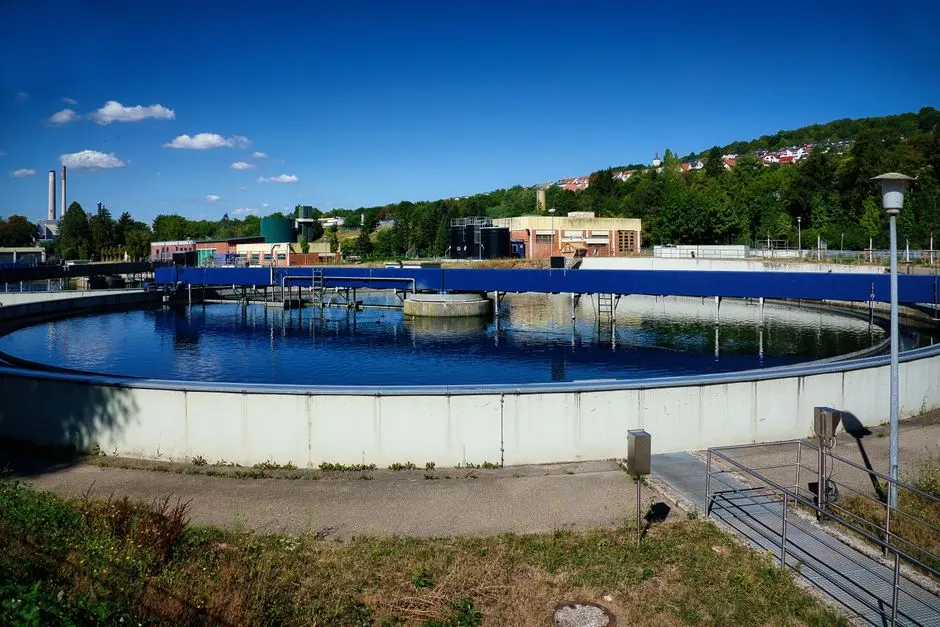
A treatment train for amino acid fermentation wastewater should place DAF after equalization, screening and any required chemical conditioning, with biological treatment downstream where biodegradable organic loading remains. The appropriate sequence begins with flow and load stabilization, followed by removal of screening material and optional coagulation/flocculation.
DAF then separates the conditioned floatable and suspended fraction. Depending on the test results and final objectives, anaerobic or aerobic biological treatment follows, with secondary clarification or membrane separation where required. Sludge withdrawal and dewatering must be included as part of the process rather than treated as an equipment accessory.
| Process stage | Primary function | Decision boundary |
|---|---|---|
| Equalization and screening | Stabilize flow and remove coarse material | Protect downstream equipment |
| Coagulation and flocculation | Condition suspended and colloidal material | Set only from wastewater trials |
| DAF | Separate floatable and suspended solids | Does not constitute biological treatment |
| Anaerobic or aerobic treatment | Remove biodegradable organic load | Selected from treatability and process objectives |
| Secondary clarification or membrane separation | Separate residual solids or control solids carryover | Required only according to downstream design |
| Sludge dewatering | Produce a manageable solids stream | Disposition route must be defined |
The 2019 Water Environment Research review, Physico-chemical processes, separates physical processes—including dissolved air flotation—from chemical processes—including coagulation/flocculation. It also confirms that DAF remained an actively assessed treatment approach, but it does not establish its position for every amino acid fermentation stream.
DAF sludge recirculation is a project-specific option, not an automatic feature. Recycle may be viable only after its effects on solids capture, chemical demand and the downstream biological process have been evaluated. Identify polishing, disinfection or reuse treatment only after the receiving requirement and water end use are established. The DAF operating principle and process calculations explain the physical equipment relationships that must be coordinated within this train.
Configure Coagulation, Flocculation and Flotation
Coagulation and flocculation must be developed from the wastewater’s pH, ionic composition, solids surface properties and jar or pilot results; no universal chemical recipe is defensible for amino acid fermentation wastewater. The purpose is to make the target solids sufficiently aggregable and floatable for the selected flotation conditions.
A bounded precedent comes from the 2015 BioMed Research International POME pilot study. It used a cationic PAM dose of 30 mg/L at the DAF unit in a sludge-recycling application. That value belongs to POME; it is not a recommended dose for amino acid fermentation wastewater.
The same POME study also included anaerobic EGSB reactors. It reported 94.89% COD removal and average effluent COD of 3587 mg/L, but those results cannot be assigned to DAF performance because the biological and physical stages operated within the same treatment study.
| Specification element | Information the supplier must define | Basis |
|---|---|---|
| Chemical selection | Coagulant, polymer and any pH-control requirement | Jar or pilot testing on client wastewater |
| Mixing | Mixing energy and operating sequence | Confirmed flocculation performance |
| Residence conditions | Contact time and transfer conditions | Selected process design |
| Dosing control | Setpoints, feedback signals and response | Automatic control philosophy |
| Sludge withdrawal | Timing, rate and discharge interface | Recovered-solids characteristics |
Include a PLC-controlled chemical dosing system where controlled reagent addition is required. The final proposal should identify the duty sequence, equipment interfaces and operator actions rather than merely list a chemical dose. It should also define how chemical preparation, storage and dosing will be integrated with the DAF controls.
Size the DAF from Flow and Solids Loading
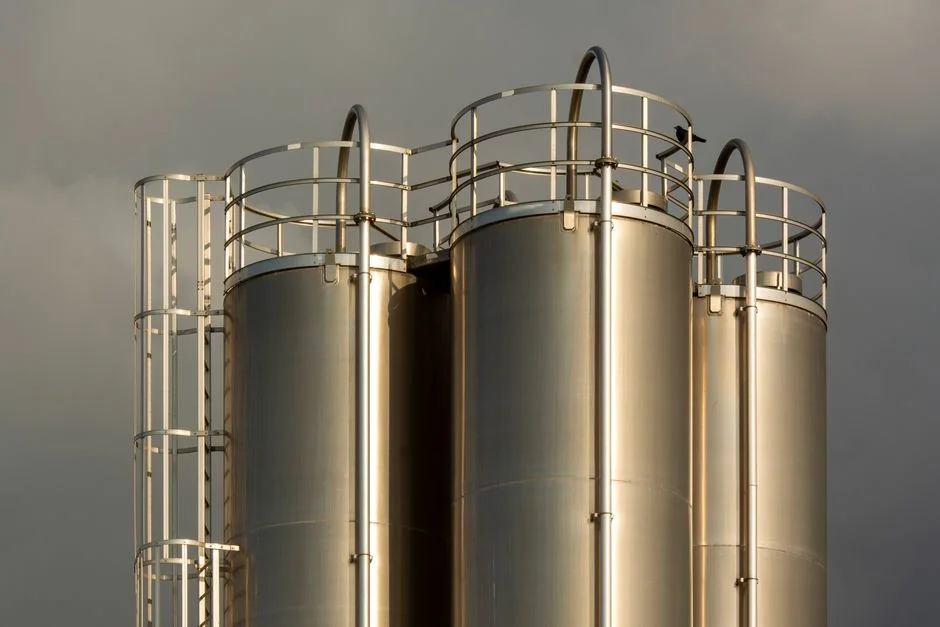
The HydropureWater verified product catalog lists dissolved air flotation equipment from 4–300 m³/h across 13 standard models. That range provides an initial market-fit screen, not a sizing calculation and not evidence that every model is appropriate for fermentation wastewater.
Calculate the duty from measured average and peak flow, TSS loading, particle-size distribution, oil and grease, required flotation duty, feed characteristics and operating availability. These inputs must also be checked against the treatment objective established during wastewater characterization.
The mechanical and hydraulic functions have to be coordinated. Saturated recycle determines bubble generation and available flotation capacity; the flotation zone must receive adequate contact time; scum collection must handle the expected floatable-solids load; and sludge withdrawal must match the recovered solids.
| Sizing or procurement parameter | Required basis | Bid document treatment |
|---|---|---|
| Hydraulic capacity | Measured average and peak flow | State design flow and operating cases |
| Solids capacity | TSS load and flotation response | State basis for collection and withdrawal |
| Recycle system | Saturation and contact requirements | Show equipment sizing and operating controls |
| Float collection | Expected scum characteristics and loading | Define skimming and access arrangement |
| Controls and maintenance | Operating sequence, alarms and access needs | Include in the technical and commercial scope |
The 2019 Water Environment Research review supports DAF as an actively assessed physico-chemical process, not as a complete treatment train. Require the selected configuration to include automatic skimming, controls and maintenance access, consistent with the HydropureWater verified DAF catalog description. The DAF equipment selection guide can support technical review, while the industrial DAF system page should be checked against the client’s measured duty rather than accepted on catalogue capacity alone.
Compare DAF with Clarification and Biological Treatment
The technology comparison should follow the contaminant and objective: DAF captures material that can be floated and attached to microbubbles, sedimentation addresses settleable solids, and biological treatment removes biodegradable organic load. None of these functions should be treated as an automatic substitute for the others.
| Criterion | DAF | Conventional sedimentation | Biological treatment |
|---|---|---|---|
| Primary target | Floatable, emulsified and selected suspended material | Material that settles under gravity | Biodegradable organic matter |
| Principal output | Separated scum and clarified liquid | Settled sludge and clarified liquid | Treated liquid and biological solids |
| Chemical use | Depends on conditioning trials | Depends on process objectives | Depends on nutrient and alkalinity requirements |
| Solids handling | Concentrated flotation sludge | Concentrated settled sludge | Excess biomass and secondary solids |
| Process role | Pretreatment and solids separation | Clarification and solids separation | Organic-load and potentially nutrient treatment |
Sedimentation is appropriate when the principal objective is recovery of heavier settleable solids. DAF is more relevant where light, emulsified or floatable material must be captured. Biological treatment is not interchangeable with either physical separation step: it addresses biodegradable organics and may also be needed for nitrogen or phosphorus objectives, subject to the required process and receiving basis.
Footprint, operating complexity, chemical demand and downstream sludge handling require project-specific comparison. The DAF-versus-clarifier comparison offers a practical extension for equipment selection, while the DAF and gravity-thickener cost comparison can frame downstream thickening decisions. Neither source establishes performance for amino acid fermentation wastewater. The final choice should follow bench testing, pilot results, compliance targets and total operating requirements rather than a universal ranking.
Build a Supplier and Acceptance Checklist
A comparable bid should state its design flow, wastewater basis, treatment objective, performance basis, control philosophy and exclusions. Require the bidder to explain how the proposed DAF was matched to the client’s measured flow and solids loading rather than presenting a catalogue model as a finished process design.
Request pilot data using representative wastewater, or a documented treatability plan if pilot work has not yet occurred. That submission should address chemical demand, flotation response, solids recovery, recovered-sludge characteristics and downstream biological or dewatering effects.
- Compare mechanical, electrical, skid, installation, commissioning, training and maintenance scope across bids.
- Confirm integration of automatic skimming, chemical preparation, solids withdrawal, instrumentation and alarm response.
- Require an acceptance protocol using client wastewater, agreed sampling points, analytical methods and operating conditions.
- Review downstream sludge dewatering because flotation produces a concentrated sludge stream that requires a defined disposal route.
- Use the plate-and-frame filter press as one candidate dewatering approach only after recovered-sludge properties and disposal requirements are established.
Operational readiness should be addressed before award. The industrial DAF maintenance protocol can inform the O&M review, but the supplier should provide equipment-specific procedures, inspection points, spare-parts requirements and control narratives.
Do not accept a guarantee based on unrelated wastewater. Require the supplier to identify the test method, sample condition, feed solids concentration and calculation method behind every proposed performance value.
Frequently Asked Questions
How should a buyer size a DAF system for amino acid fermentation wastewater?
Size the system from measured average and peak flow, TSS and other solids loading, feed characteristics and pilot-derived flotation performance. Use the HydropureWater catalogue range of 4–300 m³/h across 13 models only as an initial market screen. Final hydraulic capacity, recycle, contact, scum collection and sludge withdrawal must be coordinated for the measured duty.
What affects the cost of a DAF treatment package?
Separate equipment scale, tankage and recycle-system cost from chemical dosing, controls, installation, sludge handling and downstream biological treatment. Request an itemized quotation because the supplied research contains no amino-acid-specific price. Ask bidders to state exclusions, utilities, civil work, chemical consumption assumptions, commissioning scope and the expected sludge-disposal route.
How should a buyer evaluate a DAF supplier?
Request wastewater-specific pilot evidence or a documented treatability plan, then check the performance basis, complete equipment scope and proposed acceptance test. The bid should identify the design flow, feed condition, analytical methods, controls, guarantees and exclusions. A supplier should be able to explain how its proposed configuration was derived from the client’s wastewater rather than from a generic removal percentage.
Can DAF replace anaerobic or aerobic biological treatment?
No. DAF separates floatable and suspended material; it does not by itself remove dissolved biodegradable organics or establish nutrient compliance. Biological treatment remains necessary where the treatment objective includes biodegradable organic-load removal or other biological functions. This decision should be confirmed through wastewater characterization and treatability testing.
How should chemical dosing for DAF be selected?
Select coagulant and polymer conditions from pH, ionic composition, solids characterization, jar trials and pilot confirmation. The 30 mg/L cationic PAM dose reported in the 2015 POME study applies to that sludge-recycling application and is not a default for amino acid fermentation wastewater. Use the DAF FOG and TSS selection guidance to frame the required testing and equipment decisions.