Performance evidence for ammonia-selective ion exchange
The U.S. EPA’s Wastewater Ammonia Removal by Ion Exchange pilot program reported average ammonia removals of 93% to 97% from low-magnesium wastewaters, but those results apply to the tested feeds, media and operating conditions rather than to every industrial wastewater. For clarified raw sewage, two-column semi-countercurrent operation averaged 93% removal and 232 bed volumes of throughput. The same report found about 95% removal through 150 bed volumes with one bed and more than 99% removal at 200–300 bed volumes with two beds in series.
These results show the value of series operation, but they do not establish a universal loading rate or effluent guarantee. A buyer must still evaluate influent ammonia concentration, competing cations, treated flow, regenerated effluent quality, labor, regeneration chemistry and the discharge or reuse requirement. Historical bed-volume performance should therefore be used to frame the pilot, not to bypass it.
| EPA pilot configuration | Wastewater scope | Reported result | Procurement interpretation |
|---|---|---|---|
| Single clinoptilolite bed | Pilot wastewater treated under the study conditions | About 95% removal through 150 bed volumes | Useful reference for an initial cycle-length check, not a design guarantee |
| Two beds in semi-countercurrent series | Pilot wastewater treated under the study conditions | More than 99% removal at 200–300 bed volumes | Series operation can increase usable loading, but piping and controls are more complex |
| Two-column semi-countercurrent operation | Clarified raw sewage | Average 93% removal and 232 bed volumes of average throughput | Confirm applicability using the plant’s wastewater chemistry and pretreatment |
The engineering basis for preliminary planning is developed further in the ion exchange ammonia-removal engineering specifications, but pilot results remain site-specific.
How ammonium removal by ion exchange works
Ammonium removal by ion exchange is a reversible exchange of dissolved ammonium ions for other cations on zeolite or cation exchange resin; it is not simple physical adsorption. The EPA program used naturally occurring clinoptilolite, which preferentially sorbs ammonium in the presence of sodium, calcium and magnesium ions. The media exchanges ammonium for the competing cations and is subsequently regenerated by reversing the loading chemistry.
pH changes the available ammonium fraction and therefore the mass that the exchange medium can remove. The EPA report states that ammonia is poorly ionized at high pH, which reduced sorption and produced higher effluent ammonia nitrogen until residual lime washed out. This makes residual treatment chemicals and alkalinity relevant to both pretreatment and pilot design.
Competing cations are equally important. Sodium, calcium and magnesium consume exchange capacity and affect the usable service cycle, particularly when the wastewater composition varies. Suspended solids and organics add fouling risks that cannot be resolved by selecting a higher nominal media capacity.
Bed volumes per hour and bed volumes per cycle are system-specific outputs, not universal media properties. In the EPA runs, influent ammonia nitrogen varied from 10.3 to 16.1 mg/L, while second-column effluent ranged from 0.38 to 0.66 mg/L. The cited zeolite study reported capacity of 10.06 mg NH4+ per gram at breakthrough and 18.38 mg NH4+ per gram as total capacity. These values demonstrate why media loading must be tested under the relevant ionic and pH conditions.
Clinoptilolite, synthetic resin and combined treatment compared
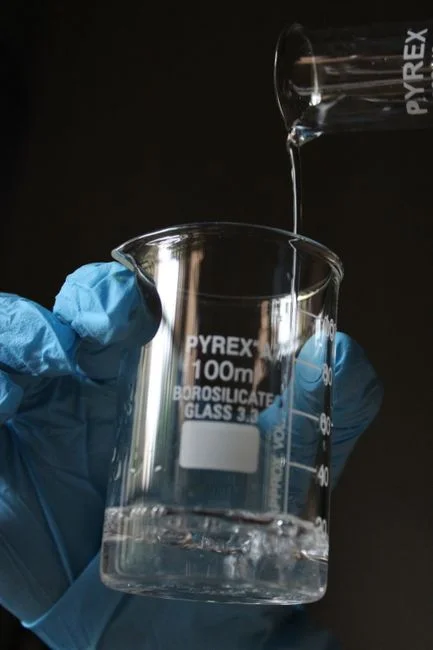
Clinoptilolite is the documented natural-zeolite option in the EPA work, while synthetic cation exchange resins require a separate performance and cost basis for the actual wastewater. The comparison below organizes the engineering decision by chemistry and regeneration burden rather than treating media types as interchangeable products.
Clinoptilolite offers ammonium-selective behavior, but its performance is constrained by sodium, calcium and magnesium competition and by conditioning. The EPA program demonstrated it in clarified and carbon-treated secondary effluents and clarified raw sewage. A buyer should request capacity data from the proposed zeolite lot, not from a generic mineral description.
Synthetic cation exchange resin offers a different operating and replacement profile. An academic study of D61 and D708 evaluated resin behavior using orthogonal experiments, but its conditions do not constitute a design guarantee for an industrial feed. The proposed resin, ionic form, operating pH, working capacity, pressure loss and regeneration consumption must be demonstrated together.
Combined ion exchange and chemical precipitation was examined in a 2012 study involving natural zeolite, regeneration and chemical precipitation. The supplied evidence does not provide a universal removal rate, so a buyer should use this option only as a project-specific configuration supported by pilot results and a defined hydraulic and solids treatment objective.
Biological regeneration is different again. The cited zeolite study displaced ammonium into regenerant and used nitrifying bacteria to oxidize it to nitrate; nitrifying sludge was used across multiple cycles. That route changes the downstream objective from ammonia recovery to biological treatment and potentially further nitrogen management.
| Option | Competing-ion sensitivity | Regeneration model | Main operating risk | Evidence to request |
|---|---|---|---|---|
| Clinoptilolite zeolite | Affected by sodium, calcium and magnesium; conditioning matters | Salt-based chemical regeneration | Premature breakthrough if competing-cation load is omitted | Feed-specific capacity, pH response and cycle curve |
| Synthetic cation exchange resin | Depends on resin chemistry and ionic form | Chemical regeneration with the specified resin’s operating envelope | Organic fouling, pressure loss or an inappropriate resin selection | D61, D708 or other resin data relevant to the proposed feed |
| Ion exchange with chemical precipitation | Depends on both exchange chemistry and precipitation reagents | Regeneration plus solids and chemical management | Residual chemicals, solids handling and incomplete integration | Integrated pilot performance and waste-stream characterization |
| Biologically regenerated zeolite | Exchange selectivity remains relevant | Nitrification of displaced ammonium to nitrate | Downstream nitrate management and biological process control | Multiple-cycle evidence and nitrification results |
Build the treatment train around the ion exchange columns
A procurement-ready ion exchange system for ammonia nitrogen wastewater should be treated as a treatment train, not as a column package. The sequence is: wastewater characterization, equalization, solids and organic pretreatment, media filtration where required, ion exchange, breakthrough monitoring, regeneration, regenerant treatment and final polishing or discharge. Each step needs a defined performance basis and a responsible supplier.
Start with current and seasonal wastewater analyses covering ammonia nitrogen, sodium, calcium, magnesium, suspended solids, organics, pH and temperature. Published capacity values cannot substitute for these inputs. If solids or organics could foul the media, specify a multi-media pretreatment filter, automatic chemical dosing system, or another engineered barrier rather than treating pretreatment as optional.
A two-column arrangement can provide operating flexibility: one bed remains in service while the second functions as a lead or polishing column. Actual switching should follow measured effluent trends and the proposed change-out criteria, not a fixed calendar alone.
The EPA loading criterion provides a useful precedent. In one series trial, first-column loading ended when second-column effluent reached 1–2 mg/L ammonia nitrogen. That is a reported pilot criterion, not a universal permit limit or control setpoint. The buyer must align it with the required effluent concentration, site analytical methods and upstream variability.
| Process stage | Required engineering basis | Key failure to prevent |
|---|---|---|
| Characterization and equalization | Current and seasonal analytical data; design flow | Designing for an unrepresentative average feed |
| Solids and organic pretreatment | Filtration, clarification or dosing criteria justified by wastewater data | Media fouling and loss of usable capacity |
| Ion exchange columns | Media identity, bed geometry, loading definition and control philosophy | Early breakthrough or excessive pressure drop |
| Breakthrough monitoring | Influent and effluent ammonia sampling, flow and pressure trends | Permit or reuse exceedance |
| Regeneration and treatment | Regenerant inventory, recovery or disposal route and cycle records | Uncontrolled ammonia release or unusable regenerant |
| Final polishing or discharge | Applicable permit or reuse specification | Treating a polishing requirement as a design assumption |
Available water treatment valves and filter media should be specified against the selected media chemistry, flow, pressure and control requirements rather than selected from generic duty labels.
Size columns and define breakthrough controls

Column sizing should begin with a site mass balance, not a media catalogue. The EPA test matrix provides a reference point: flow rates of 4.2 and 8.4 bed volumes per hour, 20×50-mesh zeolite, bed depths of 9 and 4.5 feet, and bed volumes of 76 and 38 cubic feet. These configurations belong to the EPA pilot program and do not establish the correct dimensions for another wastewater.
The operating comparison also exposed a tradeoff. Average loading increased from 57% to 85% of equilibrium capacity when operation changed from a single bed to two beds in series, while the EPA report noted that the required series piping was more complicated. More usable capacity can therefore come with greater hydraulic and control complexity.
Ask each supplier for a calculation package showing design flow, influent ammonia load, selected media, bed depth, empty-bed contact time, working-capacity basis, service cycle, backup capacity, regeneration assumptions and the ammonia nitrogen breakthrough limit. A supplier that provides only media volume or a headline removal percentage has not supplied a design basis.
Define the monitoring plan around influent ammonia nitrogen, treated-water ammonia nitrogen, flow, bed-pressure drop, differential pressure and regeneration-cycle performance. Sampling frequency should reflect the rate at which the system could move from compliant operation to breakthrough.
Pilot testing is a prerequisite when the wastewater has variable alkalinity, high competing-cation levels, suspended solids, unusual temperature or a stringent reuse target. The pilot should establish the selected configuration’s breakthrough curve, pressure drop, regeneration performance and effluent quality. Historical EPA results can define the test matrix; they cannot replace site data.
| EPA pilot reference | Reported condition | Design use |
|---|---|---|
| Hydraulic loading | 4.2 and 8.4 bed volumes per hour | Benchmark for pilot levels, not site selection |
| Zeolite grading | 20×50 mesh | Reference for particle-size and pressure-drop testing |
| Bed depth | 9 feet and 4.5 feet | Reference for demonstrating the bed-depth relationship |
| Bed volume | 76 and 38 cubic feet | Reference for pilot scale and scale-up calculations |
| Average loading | 57% for a single bed and 85% for series operation | Evidence that configuration affects usable capacity |
Regenerant recovery and waste management
Regenerant management can determine whether an ion exchange system is technically and economically viable. In the EPA program, increasing regenerant salt concentration across four bed volumes from 0.1 N to 2.2 N increased calculated ammonia elution from 60% to 88%. The bid should therefore define regenerant strength, consumed volume and the resulting ammonia concentration rather than treating regeneration as a fixed labor step.
The EPA recycle results also expose a recovery balance. The first recycle removed 75.4% of ammonia from the zeolite bed, and the second removed 12.8%; the remaining ammonia was attributed to loss during the flush between recycles. A recovery assessment must account for all regenerant fractions, including flush water.
Two EPA recovery concepts were evaluated. Air stripping removes ammonia from concentrated regenerant, while electrochemical conversion converts ammonia to nitrogen gas. Air stripping is a mass-transfer process affected by temperature and operating conditions; in the EPA program, ammonia removal averaged about 40% at 25°C. Site-specific testing is necessary where water temperature or air-transfer performance differs.
Biological regeneration provides another route. Displaced ammonium is nitrified to nitrate, so the downstream objective becomes nitrate control rather than ammonia recovery. Evaluate the biological stage, nitrate concentration and any required denitrification before selecting it.
| Regenerant pathway | Reported evidence | Decision requirement |
|---|---|---|
| Salt regeneration with ammonia recovery | Elution increased from 60% to 88% as salt concentration rose from 0.1 N to 2.2 N across four bed volumes | Optimize salt consumption against recovered ammonia concentration |
| Batch recycle | First recycle removed 75.4%; second removed 12.8%; flush loss accounted for the remainder | Include flush volume and ammonia loss in the mass balance |
| Air stripping | EPA removal averaged about 40% at 25°C | Test at expected temperature and site airflow and water chemistry |
| Electrochemical renovation | EPA evaluated conversion of ammonia to nitrogen gas | Assess electrical demand, reaction products and controls |
| Biological regeneration | Cited zeolite study nitrified displaced ammonium to nitrate | Define downstream nitrate-management requirements |
Build a supplier comparison and risk-control checklist
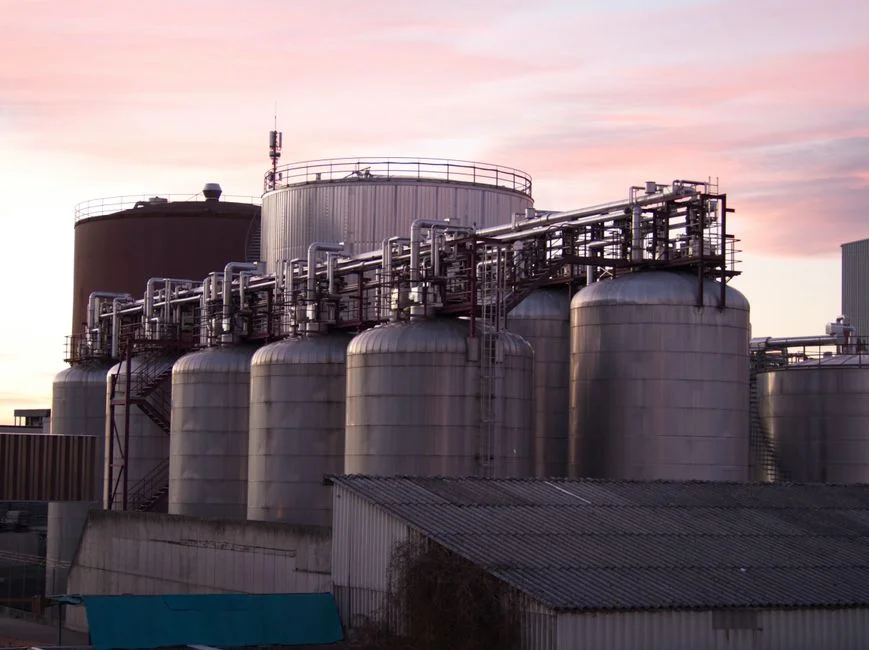
A comparable bid must separate equipment, treatment processes, utilities, waste streams and long-term obligations. Request individual pricing for media, columns, valves and controls, pretreatment, regenerant storage, regeneration equipment, recovery or disposal, installation, commissioning and operator training. An integrated total price is useful only when the scope and exclusions behind each line are explicit.
Require each bidder to identify the media, conditioning method, working-capacity basis, expected service-cycle duration, backup strategy and treatment of competing cations. Historical throughput should be identified as pilot evidence, not a guarantee for the proposed feed.
Also require a completed influent and effluent data table with proposed alarm and change-out points. A headline removal percentage does not define operating control. Contract language should address leakage, media carryover, chemical compatibility, control interlocks, access for media replacement and replacement-media availability.
Use the EPA findings to frame technical questions: why is series operation warranted, how is breakthrough measured, what loading basis supports the cycle, and how is regenerant handled? The DAF selection for industrial wastewater pretreatment offers a parallel qualification discipline: define the contaminant, establish pilot evidence and assign responsibility for pretreatment performance.
| Procurement check | Required bidder response | Acceptance basis |
|---|---|---|
| Scope and cost allocation | Separate equipment, pretreatment, regeneration, waste treatment, commissioning and training costs | No unallocated lifecycle costs |
| Media definition | Identity, conditioning, capacity basis, replacement source and lead time | Matches the pilot media and operating envelope |
| Performance evidence | Feed-specific pilot results, throughput assumptions and breakthrough limits | Applicable to the proposed wastewater and target |
| Control philosophy | Alarm points, change-out criteria and differential-pressure monitoring | Testable and linked to effluent quality |
| Regeneration guarantee | Chemical consumption, cycle duration, effluent quality and recovery performance | Defined test method and responsibility |
| Contract risk controls | Leakage, carryover, compatibility, interlocks, access and media replacement terms | Explicit contractual allocation |
Frequently Asked Questions
What does an ion exchange system for ammonia nitrogen wastewater cost?
The total cost must be built from media inventory, regenerant consumption, operator labor, pretreatment, regenerant treatment and media replacement frequency; no supported quotation or universal total cost is available from the research. Request separate pricing and operating assumptions for each category, including the waste-handling route for salt or caustic regenerant and the replacement interval for the selected media. Require the bid to show how those inputs change the calculated cycle cost.
What inputs are required to size the columns?
Column sizing requires influent analysis, design flow, target effluent ammonia nitrogen, competing-ion concentrations, selected media capacity, bed depth and operating mode. The EPA flow, bed-depth and bed-volume matrix is a useful pilot reference, but its historical throughput cannot guarantee performance for a new industrial wastewater. Ask the supplier to document the mass balance, working-capacity basis, service cycle, backup capacity and breakthrough limit.
How should a buyer select and qualify an ion exchange supplier?
Qualify suppliers using pilot evidence for the actual wastewater, precise media specifications, stated throughput assumptions, regeneration guarantees and clearly allocated responsibilities. The contract should identify who owns pretreatment performance, breakthrough monitoring, regenerant treatment, controls integration, media replacement and operator training. A headline removal percentage without analytical results, operating conditions and acceptance criteria is not sufficient evidence.
What compliance evidence should the selected configuration demonstrate?
The treatment objective must be tied to the applicable discharge permit or reuse specification, and pilot effluent data should demonstrate the selected configuration against that objective. Specify the sampling plan, analytical methods, alarm and change-out points, and whether the supplier or plant operator is responsible for corrective action. Pilot performance should also include competing-ion effects, pressure drop and regeneration-cycle results; removal percentage alone does not establish compliance.