
Is a Belt Filter Press Suitable for Confectionery Wastewater?
A belt filter press can dewater confectionery wastewater sludge by removing water and producing non-liquid cake for storage, processing, transfer, or disposal. The US EPA notes that dewatering reduces residual volume and can improve downstream operations and costs. Suitability depends on the actual wastewater solids, grease and sugar loading, cleaning chemicals, pH, variability, and required cake discharge method. No supplied source establishes a universal capacity or cake-solids figure for confectionery wastewater, so equipment should be selected using a site-specific solids balance and pilot trial.
The EPA’s Belt Filter Press Fact Sheet, EPA 832-F-00-057, dated September 2000, defines belt filter presses as equipment that removes water from liquid wastewater residuals and produces non-liquid material called cake. Although the publication is old, its basic definition remains useful for framing the technology. It identifies reduced residual volume and possible benefits for subsequent storage, processing, transfer, end use, or disposal; it does not establish that confectionery cake will have a reuse or disposal route.
A confectionery plant should therefore assess the technology against the actual residual stream rather than a generic sludge description. Suspended solids, fats and oils, sugars and soluble organics, cleaning-chemical residuals, pH, temperature, batch variability, and settleability all influence conditioning, filtration, and cake release. If the available route for dewatered cake is restricted, that limitation must be addressed before selecting a machine.
| Selection question | Evidence required from the plant | Why it affects suitability |
|---|---|---|
| What enters the press? | Characterized wastewater and sludge across production and cleaning cycles | Feed consistency determines conditioning demand and reliable cake formation |
| Where does the cake go? | Approved storage, transfer, reuse, or disposal route | The EPA describes downstream handling benefits, but does not guarantee a route for confectionery cake |
| What performance is required? | Feed flow, dry-solids loading, operating schedule, and cake endpoint | The supplied research contains no universal throughput or cake-solids result for confectionery wastewater |
For a plant comparing routes, a plate and frame sludge dewatering alternative may be relevant when batch treatment or plate-area flexibility is central to the brief. The correct decision still depends on characterized feed and a representative trial.
How the Belt Filter Press Process Handles Food-Processing Sludge
Continuous belt dewatering separates solids from liquid by passing polymer-conditioned sludge between filter belts, retaining solids on the medium and forming a cake as the belts converge. The US EPA describes the resulting cake as a non-liquid material; Ecologix Systems similarly describes filter-press separation in which filter media retain solid particulates while water passes through and solids form a cake for collection.
The operating sequence is:
- Feed preparation: screen or remove unsuitable material, then condition the sludge to form flocs that can be retained and drained.
- Gravity dewatering: where included, a gravity belt thickening zone removes part of the liquid before mechanical compression.
- Belt filtration: the feed enters between the belts, and liquid filtrate passes through the filter medium.
- Compression: wedge and pressure zones apply increasing compression and shear as the cake moves toward discharge.
- Cake discharge: the cake leaves the belts for collection and handling.
- Washdown and repetition: wash water cleans the belts and equipment before the cycle continues.
The BP8000, described by Charter Machine Company as a three-belt system, combines gravity belt thickening with mechanical dewatering in one unit. Its independent three-belt arrangement allows the gravity deck to run faster while the wedge and pressure zones run more slowly, preserving retention time in the dewatering stages. This is a configuration feature, not a guarantee of performance on confectionery wastewater.
A belt press differs from a plate and frame press in how the filter medium is supported and discharged. Belt presses support continuous solids capture and cake formation. Plate and frame presses use discrete filter plates and can be manual, hydraulic, or fully automatic under PLC control. For food-processing residues, belt tracking, blinding, cleaning, and sanitary maintenance may matter more than equipment width alone.
Wastewater and Sludge Properties That Change Press Selection
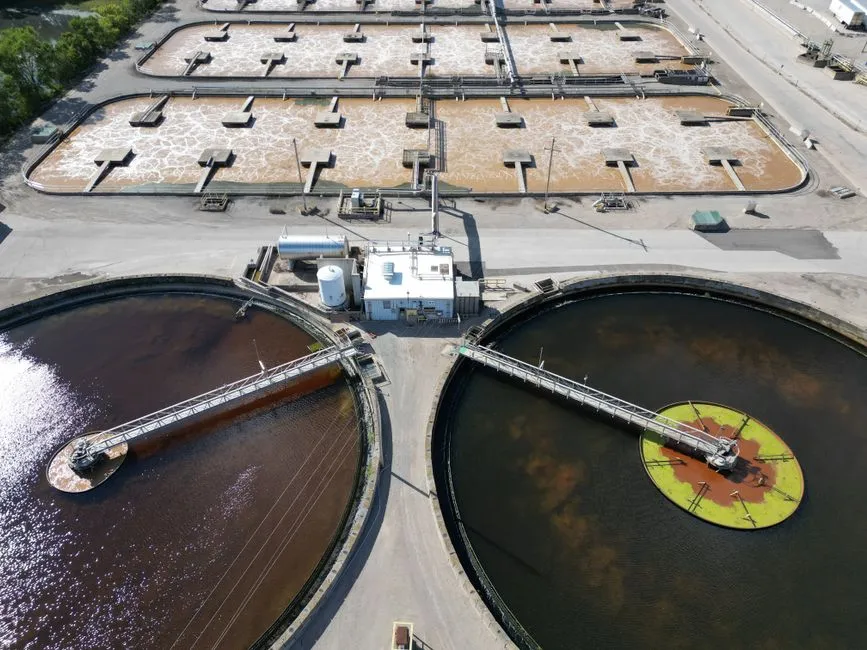
The design feed basis must come from representative plant data rather than a production-water average. A single grab sample may miss concentrated production batches, cleaning residues, or dilution effects that change polymer demand and belt fouling.
| Parameter | Value or basis | Selection consequence |
|---|---|---|
| Wastewater flow | Site-specific; no supplied confectionery range | Defines hydraulic loading and operating duty |
| Suspended solids | Site-specific; no supplied confectionery range | Must be separated from dry-solids loading for sizing |
| Fats and oils | Site-specific characterization | May contribute to fouling, sticky cake, and difficult release |
| Soluble sugar or carbohydrate load | Site-specific characterization | Can change conditioning demand and residual contamination |
| pH | Site-specific characterization | Influences conditioning and material compatibility |
| Temperature | Site-specific characterization | Influences conditioning and equipment requirements |
| Batch variability | Sampling across production, cleaning, and downtime | Determines feed control, storage, and operating margin |
| Polymer demand | Established by representative trial | Sets make-up concentration, dose, contact time, and dosing scope |
| Cake-disposal route | Plant-approved endpoint | Constrains cake moisture, handling, and downstream compatibility |
Soluble organics and cleaning chemicals can change how sludge responds to conditioning. Fats, oils, and fibrous or sticky solids can increase belt fouling and impair cake release. Sampling should therefore cover production, cleaning, and downtime cycles, with the laboratory results tied to the dates and operating states represented.
The solids balance must distinguish wastewater flow from dry solids delivered to the press. The supplied research provides no standard conversion formula for confectionery wastewater, so a supplier should state the design feed, hydraulic loading, and dry-solids basis separately. automated conditioner dosing system scope should follow the trial rather than precede it.
Polymer make-up concentration, dose, and contact time should be treated as trial variables. No universal dose or expected cake-solids result is supported by the supplied sources. Commissioning must also review food-contact exposure, the cleaning regime, exposed materials, corrosion risk, odor control, hygienic access, and recovery of residual washwater.
Choosing the Belt, Pressure, and Feed Configuration
Configuration should follow installation geometry, feed behavior, floor space, drainage, maintenance access, and the required operating pattern. Horizontal and vertical presses are both documented commercial arrangements, but neither geometry is inherently superior without site information.
| Choice | Distinguishing features | Buyer should verify |
|---|---|---|
| Horizontal or vertical | Different installation geometry and space use | Feed access, belt and cake removal, utilities, and maintenance clearance |
| Two-belt or three-belt | Three-belt arrangements can provide a dedicated gravity-deck zone | Whether gravity thickening is justified by the characterized feed |
| Integrated thickening and dewatering | Can combine gravity belt thickening with mechanical dewatering in one unit | Retention time, zone speeds, footprint, and cake discharge |
| High-solids arrangement | The commercial example uses more rolls to add retention time, shear, and compression | Whether the feed characteristics justify the added configuration |
The BP8000 is a specific integrated example: Charter Machine Company describes it as a horizontal three-belt system combining gravity belt thickening and mechanical dewatering in one compact unit. Charter Machine Company also offers commercial systems with varying belt widths and configurable gravity-deck lengths. Final dimensions must be checked against the actual flow path and floor plan.
Charter Machine Company’s high-solids design uses 15 rolls compared with 8 in the standard configuration. The additional rollers extend retention time and add shear and compression through the pressure zone. Charter Machine Company reports an approximately 2–5% cake-solids increase depending on sludge characteristics and operating conditions; that is not a guaranteed result for confectionery wastewater. The company also states that high-solids configurations are available in belt widths up to 3.2 meters, a documented commercial range rather than evidence that wider belts automatically suit a given plant.
Operation, Maintenance, and Common Failure Modes
Reliable operation depends on controlling feed, conditioning, belt alignment, pressure-zone performance, cake discharge, and washwater together. The supplied research identifies stable cake formation and solids capture as configuration goals, but it does not provide service intervals, operating limits, or failure thresholds.
Start with a controlled feed and verified conditioning response. Observe belt tracking and the pressure zones, then confirm that cake releases cleanly and enters the intended collection route. Wash the belts and accessible equipment according to the approved food-plant cleaning procedure, and shut down without leaving residual feed or washwater where it can create fouling, odor, or corrosion risks.
| Symptom | Checks before changing equipment |
|---|---|
| Poor cake release | Feed consistency, conditioner performance, sludge characteristics, scraper condition, and belt alignment |
| Rising filtrate turbidity | Belt damage, belt tension, filter-medium condition, and feed disturbance |
| Belt tracking error | Alignment, tension, scraper interference, and discharge buildup |
| Excessive filtrate | Feed rate, pressure-zone behavior, belt condition, and wash-water operation |
| Unstable feed | Upstream flow variation, conditioning, pump performance, and feed density |
| Odor or rapid fouling | Residence time, washdown effectiveness, residual washwater, and sanitation practices |
The preventive schedule should cover belt inspection, spray nozzles, scrapers, rolls, drive components, emergency stops, guarding, and sensors. The maintenance record should also identify who performs each inspection and what condition triggers intervention.
For confectionery plants, commissioning should explicitly test CIP or washdown compatibility, chemical resistance, hygienic access, and recovery of residual washwater. These are site acceptance items, not optional features to infer from a general equipment layout. automated conditioner dosing system controls should be integrated with feed, wash, and alarm logic rather than treated as a separate accessory.
Belt Filter Press vs. Plate and Frame Filter Press
The practical distinction is continuous belt operation versus batch-oriented plate and frame operation, not simply a comparison of machine dimensions. Both technologies require characterized feed, conditioning review, and a defined cake endpoint.
| Decision factor | Belt filter press | Plate and frame filter press |
|---|---|---|
| Operating pattern | Continuous solids capture and cake formation | Batch-oriented separation using discrete plates |
| Configuration | Horizontal or vertical; two- or three-belt; gravity-deck options | Manual, hydraulic, or fully automatic PLC-controlled operation |
| Footprint | Can integrate thickening and dewatering in one unit | Depends on plate area, plate stack, and cake handling arrangement |
| Flexibility | Supports continuous operation and integrated gravity belt thickening | Offers plate-area flexibility and may suit batch treatment |
| Maintenance pattern | Requires belt, roller, scraper, wash-system, and tracking attention | Requires plate, cloth, frame, and discharge-system attention |
The HydropureWater plate and frame range covers filtration areas from 1 m² to 500 m² and offers manual, hydraulic, or fully automatic PLC-controlled operation, according to the HydropureWater verified product catalog. That range is a product specification, not evidence of confectionery throughput or cake solids.
A belt press is the stronger candidate when continuous operation and integrated thickening or dewatering fit the process. A plate and frame sludge dewatering alternative is a candidate when batch treatment, plate-area flexibility, or PLC control is central to the brief. No supplied source supports comparable cost, cake-solids, throughput, or life-cycle values for either route.
The defensible comparison is a side-by-side pilot or representative-sludge trial using the same characterized feed and an agreed cake-disposal endpoint. Additional guidance on filter press selection for difficult industrial wastewater can help structure the trial, but confectionery properties must govern the final decision.
A Procurement Checklist for Confectionery Plants
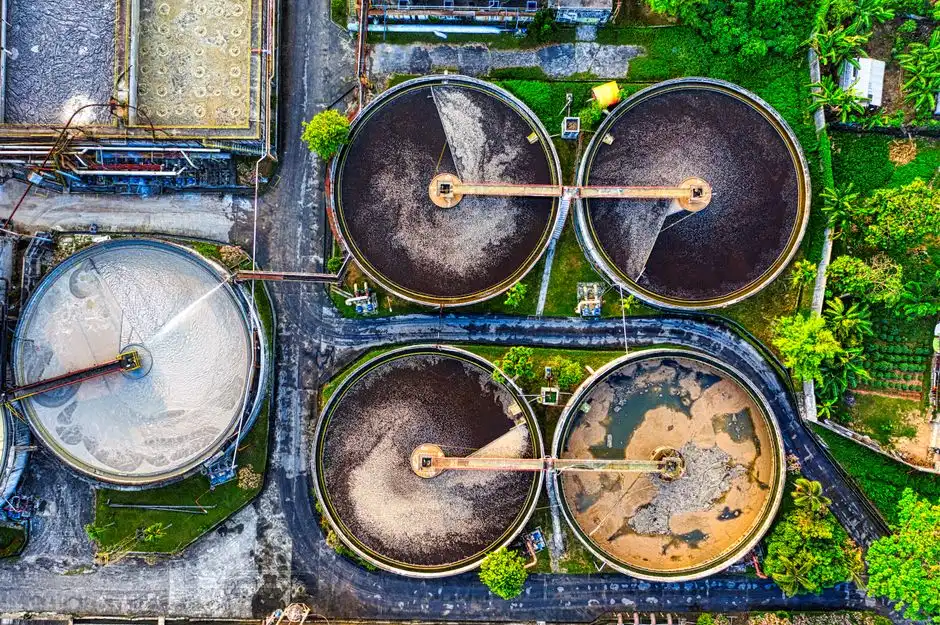
A comparable bid should identify the design feed and the evidence used to size it. Ask each supplier to state the characterized solids properties, operating schedule, duty cycle, and any pilot assumptions used in the selection. If no trial was performed, the supplier should disclose that limitation rather than present a generic capacity figure as guaranteed performance.
Technical schedules should define belt width, gravity-deck length, pressure-zone arrangement, drive and control architecture, wash system, cake-discharge method, utilities, and installation geometry. Require a documented solids balance that separates feed flow, hydraulic loading, dry-solids loading, and expected cake output. The automated conditioner dosing system should state its preparation, storage, dosing, mixing, control, and integration scope.
Commercial scopes should identify flocculation, polymer preparation, pumps, controls, integration, installation, commissioning, operator training, and maintenance support. Any exclusions, site assumptions, utility requirements, or third-party civil work should be listed explicitly.
Require a risk register covering batch variation, cleaning chemicals, odors, corrosion, belt wear, downtime, washwater recovery, and the final cake-handling route. Include the consequences of each risk and the acceptance test used to verify control.
Quoted price should be compared against the complete scope. The supplied sources do not provide a defensible universal price for a confectionery belt press. For broader equipment comparisons, a process-specific filter press application guide can help identify missing test data, but it does not replace plant-specific characterization or a representative trial.
Frequently Asked Questions
How is a belt filter press sized for a confectionery factory wastewater system?
No reliable selection can be made from the keyword alone. Request wastewater flow, suspended solids, fat and oil, soluble sugar or carbohydrate load, pH, temperature, variability across production and cleaning cycles, operating hours, duty cycle, and cake-disposal requirements. The supplier should then state hydraulic loading, dry-solids loading, and any pilot assumptions separately; the supplied research contains no universal confectionery capacity or cake-solids figure.
How should a supplier be selected for belt filter press dewatering?
Require a characterized-feed basis, dimensioned drawings, controls and integration scope, pilot evidence under comparable conditions, and maintenance documentation. Ask how the proposed configuration handles fats, sugars, cleaning chemicals, batch variation, washdown, cake release, and the confirmed downstream route. A plate and frame sludge dewatering alternative should be compared on the same feed and endpoint, not on generic performance claims.
What determines the cost of a belt filter press for confectionery wastewater?
Request a quotation that separates machine configuration, conditioning equipment, pumps, controls, integration, civil work, installation, commissioning, training, and service. Also ask what site utilities, polymer preparation, cake handling, washwater recovery, and performance guarantees are included. The supplied research supports no universal price, so compare complete scopes and document every exclusion and assumption.
What compliance risks should be checked before selecting dewatering equipment?
Separate equipment-selection criteria from regulatory approval. The plant must confirm local discharge requirements, waste-disposal or reuse permissions, and applicable food-processing approvals with the relevant authority. Also verify cleaning compatibility, chemical resistance, odor control, hygienic access, and residual washwater recovery. The EPA fact sheet describes dewatering and downstream handling benefits, but it does not establish site-specific regulatory permission.
How should a belt press be operated after installation?
Begin with verified feed characterization and a qualified conditioning trial. Control feed consistency, confirm belt tracking and pressure-zone behavior, check cake release, and validate washdown and residual-washwater recovery before normal production. Maintain belts, spray nozzles, scrapers, rolls, drives, guards, emergency stops, and sensors through a site-defined schedule. The supplied research does not establish universal service intervals or failure thresholds, so commissioning records must set those limits from the characterized feed and observed equipment behavior.