

What Redmond-Area Plants Must Prove Before Sewer Discharge
Transportation equipment plants near Redmond meet sewer pretreatment limits by identifying each wastewater stream entering the sanitary sewer, sampling for pollutants regulated by the receiving POTW, and documenting the treatment controls between collection and discharge. Source segregation, equalization, screening, oil and grease removal, suspended-solids control, pH adjustment and monitoring may be required depending on facility conditions. EPA states that POTW local limits are site-specific and enforced at the industrial user’s connection to the collection system.
Federal pretreatment rules do not replace the receiving sewer authority’s enforceable requirements. The EPA defines pretreatment standards as pollutant discharge limits applicable to industrial users, while pretreatment requirements include the substantive and procedural duties associated with those limits. Its “Pretreatment Standards and Requirements—Local Limits” guidance also explains that local limits reflect the treatment capabilities, sludge operations and receiving-water concerns of the particular POTW.
The governing hierarchy should be read in this order:
- General prohibited-discharge standards appear in 40 CFR Part 403.5.
- Qualifying POTWs establish site-specific local limits under 40 CFR Part 403.5(c).
- The applicable sewer-use ordinance, industrial discharge permit, monitoring requirements and narrative or numeric limits define what the plant must implement at its connection point.
This article does not supply a generic concentration limit for a Redmond-area facility because the supplied research contains no Redmond-area industrial discharge limit table. Obtain the applicable permit, sewer-use ordinance and local limits from the receiving POTW. The process parallels the evidence-based sequence described in EV and auto plant pretreatment compliance, but every conclusion must be tied to the plant’s actual authority and address.
| Requirement layer | What it establishes | Evidence the plant should retain |
|---|---|---|
| 40 CFR Part 403.5 | General prohibited-discharge standards | Applicability review and controls preventing prohibited discharges |
| POTW local limits under 40 CFR Part 403.5(c) | Site-specific numeric or narrative discharge limits and best management practices | Current local-limit document supplied by the receiving POTW |
| Sewer-use ordinance | Rules governing use of the collection system | Applicable ordinance, revisions and approval correspondence |
| Industrial discharge permit | Facility-specific authorization, monitoring and reporting duties | Permit, application, monitoring records and compliance correspondence |
Trace the Correct Receiving Sewer Authority
Redmond’s wastewater service area includes city-owned facilities and joint-use pipes, so the nearest municipal office is not necessarily the authority that controls a plant’s industrial discharge.
The City of Redmond’s 2019 General Sewer Plan materials state that its wastewater facilities include joint-use pipes owned with the City of Bellevue or the Northeast Lake Sammamish Sewer and Water District. Redmond and Northeast Lake Sammamish share pipeline facilities that convey wastewater to King County Wastewater Treatment Division’s system. The Northeast Lake Sammamish district primarily serves the northern portion of the Sammamish Plateau.
The 2019 plan also identifies interlocal sewer arrangements with other jurisdictions, including temporary connections involving Kirkland while Redmond infrastructure is being built. Those arrangements reinforce one rule: determine the receiving POTW from the plant’s physical connection and address rather than from the plant’s city or county label.
For each transportation-equipment facility, request written confirmation of:
- The service boundary and receiving POTW.
- The controlling sewer-use ordinance and revisions.
- The industrial discharge permit or industrial-user authorization.
- Applicable local limits, prohibited discharges and best management practices.
- The required discharge point, monitoring frequency and sampling method.
Keep the jurisdiction check in the compliance file. If ownership or conveyance arrangements change, revisit the permit basis rather than assuming that the original approval still describes the complete discharge route.
Characterize Each Wastewater Stream Before Choosing Equipment
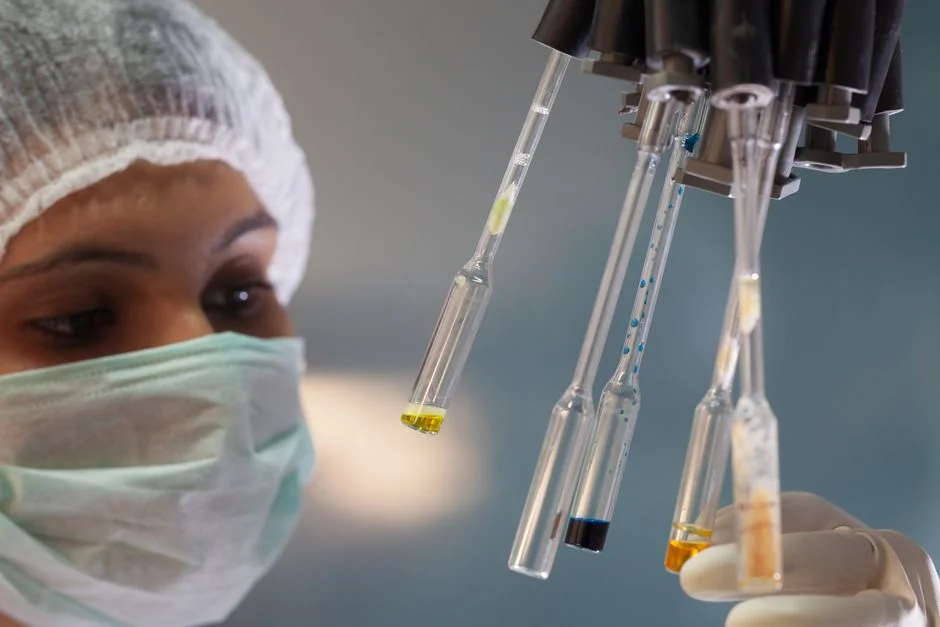
A transportation-equipment plant should characterize each wastewater stream independently because wash water, parts washing, floor washdown and coolant-bearing wash water can carry different contaminant loads and production variability.
Begin with a process map showing collection points, flow direction, segregation valves, pretreatment units, bypasses, sludge or skimmings removal and the final connection to the POTW collection system. Keep vehicle or equipment washing, parts washing, floor washdown, coolant-bearing wash, stormwater, process wastewater and sanitary sewage distinct until testing demonstrates that they can be combined without changing the treatment basis.
Then request the receiving POTW’s pollutant list, local limits, monitoring frequency, sampling method, prohibited discharges and best management practices. EPA’s pretreatment guidance follows the same logic: collect and analyze data, determine pollutants of concern, calculate allowable loadings, design and implement controls, then conduct annual reviews and periodic reevaluations of local limits. EPA also identifies the industrial user’s point of connection to the POTW collection system as the location where POTW-imposed local limits apply.
The wastewater sampling plan should address normal production, concentrated wash batches, floor washdown, equipment maintenance and other conditions that can alter flow or pollutant loading. At minimum, evaluate oil and grease, suspended solids and pH; include coolant constituents and any additional pollutants identified by the POTW or process review.
For equipment sizing, collect:
- Measured flow ranges rather than average discharge alone.
- Batch volumes and production schedules.
- Oil and grease loading.
- Suspended-solids characteristics.
- Coolant and cleaning-chemical information.
- Pressure, available footprint, utilities and required discharge point.
Where wash-water solids must be removed before the approved discharge point, a rotary mechanical bar screen may be evaluated as a preliminary solids-control device. Its suitability still depends on debris type, captured-material handling and the plant’s complete pretreatment objective.
| Stream | Characterization focus | Segregation and treatment decision |
|---|---|---|
| Vehicle or equipment washing | Oil and grease, suspended solids, pH, detergents and flow variability | Separate from floor washdown where practical; evaluate equalization, oil removal, solids control and pH treatment |
| Parts washing | Cleaning chemicals, residual oils, metals or coolants identified through process review | Keep segregated until the POTW requirements and treatment compatibility are confirmed |
| Floor washdown | Suspended solids, oil and grease, batch flow and detergents | Provide controlled collection, solids removal and flow pacing |
| Coolant-bearing wash | Coolant identity, concentration and interaction with other streams | Exclude from combined treatment until compatibility and local acceptance are documented |
| Stormwater | Source, contamination pathway and POTW prohibition | Keep outside the sanitary pretreatment basis unless specifically authorized |
| Sanitary sewage | Domestic discharge and connection authorization | Do not use as dilution for regulated industrial wastewater |
Build a Pretreatment Train That Fits the Wastewater
The correct pretreatment train links each contamination mechanism to a control supported by the permit basis and characterized wastewater.
- Source control and segregation: Prevent excluded or high-concentration streams from entering the combined treatment system. Inspect valves and bypasses as part of routine operating controls.
- Equalization: Blend variable wash and washdown flows sufficiently to prevent abrupt loading changes. Provide flow measurement and operating records so the performance of downstream controls can be assessed.
- Screening: Remove rags, plastics, fibrous debris and other suspended material before it burdens downstream equipment or the POTW.
- Oil, grease and solids control: Where the approved objective includes suspended solids, oil and grease, FOG or colloidal matter, evaluate a DAF system for transportation-equipment wastewater.
- Clarification: Use a lamella clarifier where compact sludge recirculation, flocculation and inclined-plate separation are appropriate for the characterized load and available footprint.
- Chemical control: Apply pH adjustment, coagulation or flocculation only where the treatment train and permit basis require it.
- Final monitoring: Establish the approved sampling and monitoring location at the industrial user’s point of connection to the POTW collection system, which is where EPA says POTW-imposed local limits apply.
The supplied catalog data describes the DAF system as covering 4–300 m³/h across 13 standard models. The lamella clarifier tank is described as providing 20–40 m/h surface loading rates and reducing chemical consumption by up to 30%. These are catalog specifications, not guaranteed performance for every transportation-equipment wastewater; project-specific verification is still required.
For chemical treatment, an automatic chemical dosing system supports PLC-controlled injection of coagulants, flocculants, pH adjusters and specialty chemicals. The control strategy should be tied to measured process conditions, operator-defined limits and documented alarms rather than an untimed recipe.
A DAF and a lamella clarifier solve different design problems. The DAF versus clarifier comparison explains the selection logic for different wastewater applications, but the transportation-equipment decision must remain anchored to measured contaminant characteristics, flow variability and the POTW’s approved discharge objectives.
| Control objective | Evaluate | Design evidence required |
|---|---|---|
| Remove rags, plastics and fibrous debris | Mechanical screening | Debris characteristics, screen capacity and captured-material disposal |
| Remove oil and grease with suspended solids or FOG | DAF | Flow and loading envelope, skimmings handling and project-specific performance verification |
| Separate flocculated solids with compact sludge handling | Lamella clarifier | Flocculation basis, solids characteristics, sludge recirculation and disposal route |
| Adjust pH or support coagulation and flocculation | Automatic chemical dosing | Permit basis, chemical compatibility, interlocks, alarms and dosing records |
| Control batch and production variability | Equalization and flow-paced controls | Measured ranges, batch volumes, production schedules and operating response rules |
Turn Monitoring into a Compliance Record
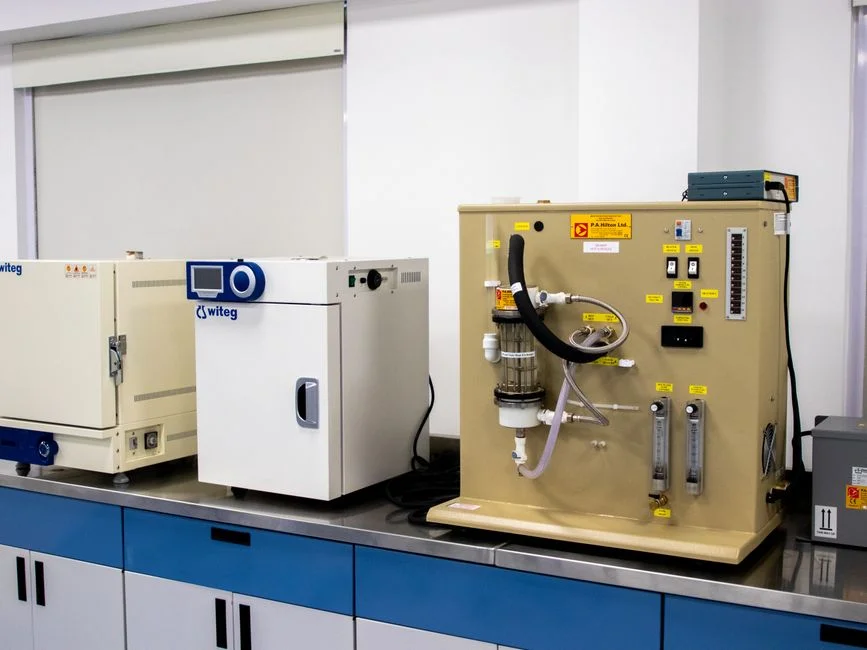
Compliance begins with a monitoring plan, not a single startup sample.
Define sampling locations for the influent, relevant treatment stages and the final discharge point. Each sample should have a unique identifier linked to date, time, stream, operating condition, sampling method, flow condition and custody records. Use the POTW’s approved sampling method and preserve the laboratory and chain-of-custody documentation.
Keep operating records beside the analytical results. Relevant information includes flow, chemical use, treatment-unit status, sludge or skimmings removal, bypass events, alarms, exceptions and corrective actions. Without that context, a laboratory value cannot show whether the treatment train was operating as intended when the sample was taken.
Establish response rules before an excursion occurs. An alarm should identify the affected parameter, its approved operating range, the person responsible for response and the action required if the condition persists. High oil and grease loading, suspended-solids carryover, abnormal pH or an unauthorized flow should trigger isolation, investigation, sampling and corrective action rather than an undocumented bypass.
EPA’s pretreatment guidance calls for annual reviews and periodic reevaluations of local limits. The plant should also review production shifts, changes in vehicle or equipment washing, new chemicals, batch-volume changes and equipment modifications. Such changes can alter pollutant loading or treatment performance even when the permit has not yet been amended.
No universal numeric acceptance criterion should be inferred from this article. Use the values and narrative requirements contained in the plant’s applicable local limits, sewer-use ordinance and industrial discharge permit. For each parameter, document the source, effective date, sampling frequency, reporting method and responsible operator.
Avoid Costly Errors During Equipment Selection
Equipment bids should be compared against the plant’s permit basis and measured wastewater envelope, not against average discharge or a generic treatment description.
Require each supplier to state which design inputs were used, including flow ranges, batch volumes, contaminant loads, operating hours and the required discharge point. A bid based only on average daily flow can leave the pretreatment train undersized during concentrated wash batches, floor washdown or maintenance periods.
Ask vendors to separate documented product capabilities from project-specific claims. For every treatment claim, request the wastewater basis, test method, acceptance conditions and any supporting evidence. Do not treat a catalog range as proof that the unit will meet a POTW limit for the plant’s wastewater.
Compare bids on more than purchase price:
- Treatment performance for the characterized contaminants.
- Automation, alarms, interlocks and instrument compatibility.
- Materials, corrosion resistance and maintenance access.
- Sludge, skimmings and captured-solids handling.
- Operator training, commissioning support and permit-related documentation.
- Delivery, installation, controls integration and ongoing service support.
Require permit interpretation, sampling support and operator training in the supplier scope where possible. These services should connect the equipment controls to the plant’s approved monitoring plan rather than substitute for the receiving POTW’s decisions.
Include contingency for variable production, floor washdown, vehicle washing and equipment maintenance downtime. The design basis should state what happens when a stream is segregated, a unit is offline or a batch exceeds the normal operating envelope. The industrial wastewater DAF and clarifier guide provides a useful comparison framework, but the commercial decision still depends on verified site data and the enforceable POTW requirements.
| Bid issue | Question to require in the response | Why it matters |
|---|---|---|
| Design basis | Which measured flow ranges, batch volumes and contaminant-loading data were used? | Prevents sizing from average discharge alone |
| Performance | Which pollutant claims are supported for the intended wastewater, and what project-specific verification remains? | Separates documented capability from untested assumptions |
| Controls | How are alarms, interlocks, dosing and sampling signals integrated? | Supports traceable operation and excursion response |
| Residuals | How will sludge, skimmings and captured debris be removed and documented? | Prevents untreated material from accumulating or leaving the controlled process |
| Compliance support | What commissioning, sampling support and operator training are included? | Connects equipment startup to the plant’s monitoring obligations |
| Commercial scope | Which delivery, installation, integration and service items are included in the quoted price? | Prevents budget gaps during delivery and commissioning
Frequently Asked Questions
What pretreatment limits apply to a transportation-equipment plant near Redmond?
Apply the receiving POTW’s industrial discharge permit, sewer-use ordinance and local limits, together with the applicable prohibited-discharge requirements in 40 CFR Part 403.5. EPA states that POTW local limits are site-specific and apply at the industrial user’s point of connection. Obtain the enforceable limits from the receiving POTW; this article does not establish generic numeric criteria.
Which authority controls the discharge from a Redmond-area plant?
Verify the authority from the plant’s physical service boundary and sewer connection. The City of Redmond’s 2019 General Sewer Plan states that the area includes city-owned and joint-use pipes, some shared with Bellevue or the Northeast Lake Sammamish Sewer and Water District, with wastewater conveyed to King County Wastewater Treatment Division’s system. Request written confirmation of the receiving POTW and governing documents.
How should equipment be sized for variable wash water?
Size from measured flow ranges, batch volumes, oil and grease loading, suspended-solids characteristics, pH requirements, production schedules and the required discharge point. Include equalization and flow-paced controls where variable production could create treatment upsets. The 4–300 m³/h DAF range and 13 standard models in the supplied catalog are product-selection inputs, not a substitute for site-specific sizing.
What should a plant request before accepting an equipment supplier’s price?
Require a written design basis, quoted performance claims, controls scope, residual-handling provisions, delivery and installation inclusions, commissioning support, training and maintenance terms. Ask which claims are supported for the intended wastewater and which require project-specific verification. Also request all permit, sampling and operator-training deliverables so the supplier scope can be compared without assuming that equipment price includes compliance support.