Why Refractory Organic Wastewater Needs an AOP
An AOP system for refractory organic wastewater is appropriate when recalcitrant organics persist after conventional biological treatment and prevent compliance with a defined COD or toxicity endpoint. The 2025 Sustainability review reports that high concentrations of recalcitrant compounds resist conventional biological treatment and obstruct water reuse and sustainable water management. That same review found that traditional systems frequently removed bisphenol A and naproxen at less than 60%, while advanced oxidation processes are designed to attack persistent organics. An AOP therefore has a defensible role, but it is not a substitute for biological treatment of readily biodegradable BOD or for dedicated removal of dissolved metals.
Two treatment objectives should be selected before evaluating equipment. For partial oxidation, the purpose is to convert refractory molecules into more biodegradable fragments and reduce the load presented to downstream biology. For deeper oxidation, the system must meet a stringent final COD or toxicity requirement within the AOP stage itself. These objectives lead to different oxidant demands, contact times, downstream equipment and performance guarantees.
The waste profile also determines whether AOP is the right intervention. Readily biodegradable BOD should remain with biological treatment, as highlighted in the comparison of MBR versus conventional activated sludge for chemical wastewater. Dissolved metals require precipitation or another dedicated process because carbonaceous oxidation does not remove them.
How AOP Chemistry Breaks Down Refractory Organics
Advanced oxidation processes generate reactive species that attack refractory organic matter rather than relying only on biological metabolism. The Current Pollution Reports review identifies hydroxyl radicals and sulfate radicals as the principal oxidizing species generated by AOPs. Hydroxyl radicals are common in Fenton, photo-Fenton, UV/H2O2 and related systems, while sulfate-based advanced oxidation processes can generate sulfate radicals.
HydropureWater's 2026 commercial guidance assigns hydroxyl radicals an oxidation potential of 2.8 V, compared with 2.07 V for ozone and 1.68 V for permanganate. This comparison explains why radical-generating processes are used for difficult organics: the reaction pathway produces a highly reactive oxidant within the treatment reactor.
Radicals attack organic structures, form reactive intermediates and continue an oxidation chain toward smaller products. The 2025 Sustainability review describes this progression as producing smaller, generally less toxic compounds, while also identifying improved biodegradability as an AOP benefit. That sequence is important: complete conversion to carbon dioxide and water should not be assumed for every reaction or every wastewater.
Partial oxidation is often the more practical objective. By converting recalcitrant structures before aeration, the process can improve biodegradability and reduce the biological load. The resulting fragments must still be verified for residual COD, toxicity and transformation products.
Definitive definition: AOP is an oxidation treatment that generates reactive species to degrade refractory organic contaminants or improve the wastewater’s biodegradability before biological treatment.
Select the AOP Process from the Wastewater Profile
Process selection should follow the wastewater profile and required endpoint, not a headline removal percentage. The 2025 Sustainability review reports COD removal of 95–97% for Fenton and photo-Fenton and 85–96% for UV/H2O2 and ozonation across pharmaceutical and industrial effluents. These are literature ranges across diverse effluents, not guaranteed site-specific design values.
| Selection factor | Fenton or photo-Fenton | UV/H2O2 | Ozonation |
|---|---|---|---|
| Evidence scope | 95–97% COD removal across pharmaceutical and industrial effluents in the 2025 Sustainability review | 85–96% COD removal across the same review scope | 85–96% COD removal across the same review scope |
| Key operating condition | HydropureWater's 2026 guidance specifies pH 3.0–4.0 | HydropureWater's 2026 guidance identifies turbidity below 10 NTU as suitable | Oxidation and disinfection may be integrated; include ozone generation and off-gas destruction in scope |
| Primary engineering consequence | Neutralization follows oxidation and creates iron-rich sludge requiring separate handling | Suspended solids should be removed before irradiation; cited UV dose is 500–2,000 mJ/cm² | Power, ozone generation, containment and off-gas treatment affect project scope |
| Endpoint fit | Partial oxidation before biology or deeper oxidation when required | Polishing where low turbidity permits effective UV transmission | Combined oxidation and disinfection where both are required |
Fenton oxidation is most relevant when acidic operation and iron-sludge handling can be accommodated. HydropureWater's 2026 guidance places the operating window at pH 3.0–4.0. Later neutralization can convert dissolved iron into iron-hydroxide solids, so clarification and sludge dewatering become part of the process design rather than optional accessories.
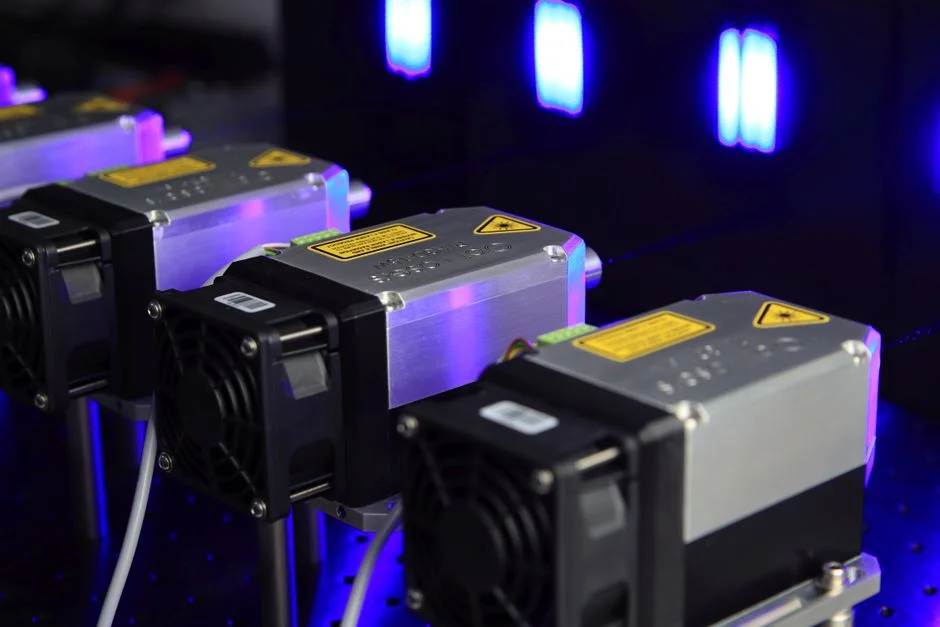
UV/H2O2 requires a cleaner feed. HydropureWater's 2026 guidance identifies turbidity below 10 NTU as a suitability condition and cites a UV-dose range of 500–2,000 mJ/cm². Suspended solids should therefore be removed before the UV stage because they can shield the lamps and consume oxidant. Ozone-generator and tank-sterilization equipment may also support reuse applications where oxidation and disinfection share an oxidant plant.
A partial-AOP followed by biology is the hybrid option when the final endpoint can be met by subsequent biological treatment. HydropureWater's 2026 guide states that partial oxidation can reduce AOP chemical use by up to 40% while improving biodegradability.
Build the Complete AOP Treatment Train
A defensible AOP design integrates solids removal, chemical preparation, oxidation, residual-oxidant control, downstream polishing and sludge handling. The process flow is:
- Characterize the wastewater and define the final COD, toxicity and discharge requirements.
- Equalize flow and load, then remove suspended solids, oil and grease where they would interfere with oxidation.
- Prepare and dose oxidants, catalysts and pH-control chemicals.
- Oxidize the wastewater in a mixed reactor.
- Destroy or quench residual oxidant.
- Complete biological or dedicated polishing.
- Monitor final COD, toxicity and the relevant residual- or discharge parameters.
DAF pretreatment is particularly relevant when suspended solids, colloids, oil or grease could shield UV lamps or consume oxidant. HydropureWater's 2026 guide states that pretreatment keeps oxidation demand more closely aligned with dissolved COD. The appropriate DAF pretreatment for refractory industrial wastewater should therefore be evaluated by its solids and oil-removal duty, not simply by inclusion in the flow diagram.
Chemical addition should be responsive to changing feed conditions. PLC-controlled chemical dosing for AOP wastewater treatment allows peroxide, catalyst, acid and base to be trimmed as feed composition changes, particularly during batch-production swings. The control strategy and sensor basis must be stated in the duty sheet.
Fenton requires a separate solids pathway. Neutralization and iron-hydroxide precipitation should lead to clarification and sludge dewatering, including an appropriate PLC-controlled chemical dosing for AOP wastewater treatment strategy for pH control. For Fenton iron sludge, the project should define how that material reaches the plate-and-frame sludge dewatering stage.
Residual hydrogen peroxide requires validated quenching or catalytic destruction before discharge. HydropureWater's 2026 guide identifies sodium bisulfite or catalytic carbon for residual peroxide control. Where biological polishing follows, integrated MBR treatment may be considered for the required solids separation and polishing duties, but it does not replace residual-oxidant control.
Carbonaceous oxidation does not provide standalone total-nitrogen or total-phosphorus removal. AOPs may oxidize organic nitrogen toward nitrate, while dedicated biological or chemical polishing remains necessary where strict nitrogen or phosphorus limits apply.
Size the AOP Reactor from Duty Data
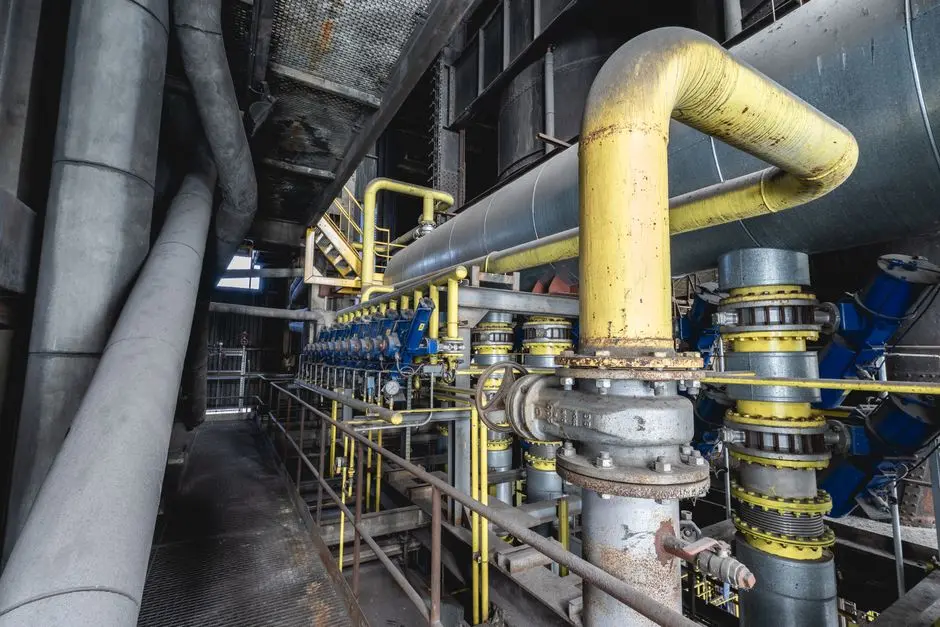
Reactor sizing must start with peak hydraulic and oxidation duty, not a generic cubic-metre estimate. The minimum design inputs are design and peak flow; COD and TOC; turbidity or TSS; toxicity; pH; temperature; flow variability; target COD; residual limits; and available downstream treatment capacity.
HydropureWater's 2026 benchmark states that high-strength streams at COD 500–5,000 mg/L may require approximately 0.5–2 m³/h throughput per m³ of reactor volume. This is an engineering benchmark, not a universal sizing rule. The applicable rate depends on the wastewater, target endpoint and operating conditions.
The same 2026 guidance cites a contact-time range of 30–120 minutes. Reactor volume, oxidant intensity and flow therefore cannot be evaluated independently. A proposed volume should be checked against both peak hydraulic throughput and the residence time needed for the specified reaction sequence.
| Duty-sheet item | Information the supplier must state | Buyer check |
|---|---|---|
| Hydraulic duty | Design flow, peak flow and hydraulic retention time | Does the calculation use peak flow and the selected operating mode? |
| Oxidation duty | Influent COD or TOC, target COD and required chemical ratios | Is performance tied to representative wastewater and defined conditions? |
| Process controls | Mixing method, oxidant distribution and dose-control basis | Does the proposal address short-circuiting and feed variability? |
| Downstream treatment | Residual-oxidant control and available biological or chemical polishing capacity | Is the system outlet the performance boundary, or is final polishing included? |
Fenton H2O2:Fe2+ ratios of 5:1–10:1 and peroxone H2O2:O3 mass ratios of 1:1–3:1 should appear as controlled operating conditions in the supplier's duty sheet, based on HydropureWater's 2026 guidance. These ratios are not blanket guarantees of performance.
Mixing affects the delivery of oxidant and catalyst to the reacting water. Poor distribution can cause COD breakthrough even when the calculated chemical dose appears adequate. Pilot testing is required when wastewater composition changes materially, particularly for pharmaceutical and specialty-chemical batch effluents. Online phenol monitoring for wastewater oxidation control can support process control where phenol is a relevant feed constituent.
Compare Capital Cost, Operating Cost, and Compliance Risk
Equipment price is only one part of AOP procurement. HydropureWater's 2026 commercial guidance gives a broad mid-scale capital range of ¥0.8M–¥4.5M and an operating range of approximately ¥2.5–¥8 per m³ treated. These are orientation values, not quotations, and the same guidance notes that civil works and utilities may be excluded from equipment packages.
| Cost or risk category | Items for a comparable bid | Information to request |
|---|---|---|
| Installed capital | Reactor, dosing, mixing, controls, civil works, utilities and downstream equipment | Full bill of materials and written exclusions |
| Chemical and energy cost | Hydrogen peroxide, ozone generation, UV energy, iron catalyst and pH chemicals | Unit-price basis, expected duty and control strategy |
| Residual and waste streams | Oxidant destruction and treatment or disposal of iron-rich sludge | Design duty, test method and included equipment |
| Compliance | Residual peroxide, ozone leakage, incomplete oxidation and transformation products | Monitoring, interlock, emergency-stop and quench provisions |
HydropureWater's 2026 guide reports UV energy consumption of 0.5–2 kWh/m³ and a hydrogen peroxide price range of ¥1.2–¥3/kg as commercial guidance from that source. Those figures can structure an initial estimate, but the bid should identify the energy tariff, oxidant consumption, chemical delivery conditions and expected operating hours.
Every bidder should quote the same flow, peak COD, temperature, effluent target, civil scope, sludge duty and power-upgrade requirements. Comparing only reactor equipment prices can conceal differences in included tanks, controls, storage, off-gas destruction or sludge handling. The AOP system operating cost and ROI breakdown should be treated as a planning framework until site-specific inputs and supplier quotations are available.
Partial oxidation ahead of biology may reduce chemical use by as much as 40%, according to HydropureWater's 2026 guide. That makes a hybrid configuration commercially relevant when final compliance can be achieved downstream, but the performance boundary and downstream cost must be explicit.
Award the Project on a Complete Duty Sheet
A credible bid should allow the buyer to reproduce the design basis and verify the performance boundary. The signed duty sheet should state design and peak flow; influent COD and TOC; target effluent COD; pH; temperature; hydraulic retention time; oxidant ratio; mixing method; and residual-quench method.
The supplier must also define where performance is measured. A guarantee at the AOP outlet is not equivalent to a guarantee after downstream biological or chemical polishing. Residual oxidant, toxicity, COD and any treatment-specific monitoring points should be identified separately.
Safety documentation should cover electrical load, chemical storage classification, secondary containment, leak detection, emergency quench provisions, interlocks, control philosophy and off-gas destruction where ozone is used. Relevant treatment-system accessories and water-treatment valves and filter media should be identified with their technical requirements.
Representative wastewater testing matters more than clean-water or synthetic-water performance. Ask for test results tied to the proposed feed, including variability and the analytical boundaries. Pilot results, startup support, control calibration and a performance test at agreed influent conditions should be central to the award.
The commercial schedule should separate included equipment from exclusions. Civil basins, sludge handling, power upgrades, analytical instruments, commissioning, training and maintenance spares must either be priced or explicitly excluded. An incomplete equipment quotation cannot support a defensible capital comparison.
Frequently Asked Questions
What does an AOP system cost for refractory organic wastewater?
A purchase price does not provide a reliable cost estimate. HydropureWater's 2026 guidance gives broad mid-scale orientation values of ¥0.8M–¥4.5M for capital expenditure and approximately ¥2.5–¥8 per m³ for operating expenditure, but these are not quotations. Request an installed-cost breakdown covering reactor equipment, civil works, chemicals, electricity, sludge handling, controls, monitoring, commissioning and off-gas treatment, together with the operating assumptions behind each price.
Which AOP process should be selected for high-strength refractory wastewater?
Selection depends on the complete wastewater profile and endpoint. Fenton requires acidic operation and creates iron-rich sludge; UV/H2O2 requires a sufficiently clean feed; ozonation must include generator and off-gas requirements. Request each bidder to select a process against COD, turbidity, pH, toxicity, flow variability, oxidant-storage constraints and downstream treatment capacity, then support that selection with representative wastewater testing.
How should an AOP reactor be sized?
No universal reactor size should be quoted without design and peak flow, COD or TOC, turbidity, pH, temperature, target COD, residual limits and downstream treatment capacity. HydropureWater's 2026 benchmark of approximately 0.5–2 m³/h throughput per m³ of reactor volume for streams at COD 500–5,000 mg/L is a starting benchmark, not a design guarantee. The selected volume should also satisfy the stated contact-time and mixing basis.
What should be checked before awarding an AOP supplier?
Require a signed duty sheet, representative-water test results, explicit performance boundaries, safety controls and a complete bill of materials with exclusions. Verify residual-oxidant control, emergency stops, interlocks, monitoring provisions, commissioning, startup support and an agreed performance test. Ask whether guarantees apply at the AOP outlet or only after downstream polishing, because that boundary materially changes both expected performance and cost.