How Do AOPs Treat Refractory Organic Wastewater?
AOPs treat refractory organic wastewater by generating hydroxyl radicals (·OH) at 2.8 V oxidation potential, above ozone at 2.07 V and permanganate at 1.68 V. COD removal typically spans 85–99% when pH, dose, and HRT match the variant. Mid-scale AOP wastewater CapEx usually falls between ¥0.8M and ¥4.5M, with OPEX about ¥2.5–¥8 per m³ treated.
Pharmaceutical and specialty-chemical plants often carry Chemical Oxygen Demand (COD) that biology cannot finish when heterocyclic molecules dominate. ·OH forms in situ and attacks organics without strong selectivity. EPA 2024 technical briefs used in design reviews note radical reactions run nearly one million times faster than chlorine. They also run about 100 times faster than molecular ozone. Pollutants that linger for days in aeration tanks can degrade in minutes under correct dose and contact time.
The mechanism starts when ·OH abstracts hydrogen or adds across double bonds on organic molecules (RH). Organic radicals then combine with dissolved oxygen to form peroxy radicals. Those species break down into CO₂, H₂O, and ions such as Cl⁻ or NO₃⁻. Mineralization removes toxicity instead of shifting it into sludge or spent carbon. The Fenton path (Fe²⁺ + H₂O₂ → Fe³⁺ + ·OH + OH⁻) needs pH 3.0–4.0. Above that window iron hydroxides precipitate and quench radical yield. Most plants we size for high-COD leachate or dye waste hold the lower end of that pH band during oxidation. Neutralization follows only after the radical step is finished.
Radical yield sets performance. Ozone alone oxidizes some functional groups. Adding UV or hydrogen peroxide (peroxone) raises ·OH output and widens the treatable matrix. In semiconductor lines where tetramethylammonium hydroxide (TMAH) appears, TMAH-specific AOP engineering specs pair multi-stage oxidation with nitrogen-load control. Electronics shops that already work with a semiconductor wastewater treatment supplier package usually insert AOP after solids removal so oxidant is not wasted on TSS.
Which AOP Variant Fits High-COD Organic Wastewater?
Fenton oxidation remains the most common AOP for high-load organic wastewater. It delivers about 95% COD removal when the stoichiometric H₂O₂:Fe²⁺ ratio sits near 10:1. The process suits landfill leachate and textile dyes when COD exceeds 2,000 mg/L. Acidification and later neutralization raise chemical use. They also create iron-rich sludge that needs dedicated dewatering. For low turbidity (<10 NTU) and trace organics, UV/H₂O₂ is cleaner. UV doses of 500–2,000 mJ/cm² photolyze H₂O₂ and fit pharmaceutical residue polish in tertiary trains.
Ozonation serves large municipal and industrial reuse trains because it oxidizes and disinfects in one step. An ozone dose of 5–20 mg/L with 10–30 minutes contact targets endocrine-disrupting chemicals (EDCs). Photo-Fenton and Electro-Fenton appear more often in 2025–2026 project scopes. Photo-Fenton uses UV or solar light to regenerate Fe²⁺ from Fe³⁺. That cuts iron catalyst dosing to 20–100 mg/L. Electro-Fenton forms H₂O₂ at the cathode. It removes bulk peroxide storage risk and can reach 99% COD removal at 0.5–1.5 kWh/m³ under acidic feed conditions.
| AOP Variant | Target COD Removal | Key Dosing Specs | Energy/Chemical Needs | Primary Industry Use |
|---|---|---|---|---|
| Fenton | 90–96% | H₂O₂:Fe²⁺ (10:1); pH 3–4 | High chemical; High sludge | Landfill Leachate, Textile |
| UV/H₂O₂ | 90–97% | H₂O₂ 100–500 mg/L; UV 1,000 mJ | 0.8–2.0 kWh/m³ | Semiconductor, Pharma |
| Ozonation | 85–95% | O₃ 5–20 mg/L; 15 min HRT | 0.5–1.2 kWh/m³ | Municipal Reuse, Dyeing |
| Photo-Fenton | 95–98% | Fe²⁺ 20–100 mg/L; UV-A/Solar | Low chemical; UV energy | Pesticide Manufacturing |
| Electro-Fenton | 98–99% | 0.5–1.5 kWh/m³; pH 3.0 | Low chemical; High CapEx | Specialty Chemicals |
Plants that need tight control over these reactions install PLC-controlled chemical dosing for AOP systems. Controllers trim H₂O₂ and catalyst from online COD or TOC. That prevents under-treatment and reagent waste on swinging feeds. The same logic matters for AOP specs for developer wastewater, where batch cycles swing organic load within a single shift. Ozone-heavy trains also specify an Ozone Generator & Water Tank Sterilization System when reuse or tank sanitation shares the same oxidant plant.
How Should Engineers Size AOP Reactors and Dosing?
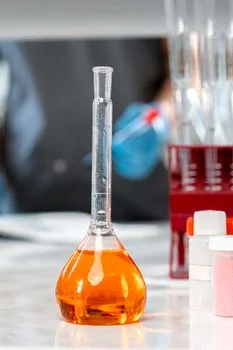
AOP reactor volume follows the oxidation rate of the target pollutants and the hydraulic retention time (HRT) needed for mineralization. For high-strength streams at COD 500–5,000 mg/L, engineering benchmarks use about 0.5–2 m³/h throughput per m³ of reactor volume. Contact time is usually 30–120 minutes so the radical chain can propagate. Pharmaceutical trains that must destroy antibiotic molecules often hold near 120 minutes. Slower secondary products need that extra residence time before neutralization or biological polishing.
Oxidant ratios must stay below the scavenging threshold. Excess H₂O₂ consumes ·OH and forms weaker HO₂·. Peroxone (O₃/H₂O₂) systems commonly hold an H₂O₂:O₃ mass ratio of 1:1 to 3:1. Fenton systems keep H₂O₂:Fe²⁺ between 5:1 and 10:1. The injection zone needs intense mixing. A G-value of 500–1,000 s⁻¹ is typical so oxidant and catalyst disperse before radical half-lives (nanoseconds) expire. Poor mixing shows up as COD breakthrough even when the stoichiometric dose looks correct on paper.
| Parameter | Fenton Reactor | UV/H₂O₂ Reactor | Ozone Contact Tank |
|---|---|---|---|
| Hydraulic Retention Time | 60–120 minutes | 30–60 minutes | 10–30 minutes |
| Optimal pH Range | 3.0–4.0 | 6.0–8.0 | 7.0–9.0 |
| Oxidant Ratio | H₂O₂:Fe²⁺ (5:1 to 10:1) | H₂O₂:COD (0.5:1 to 2:1) | O₃:COD (1:1 to 3:1) |
| Mixing Requirement | High (G > 800 s⁻¹) | Moderate (Plug Flow) | High (Diffusers/Venturi) |
| Sludge Yield | 0.5–1.5 kg/m³ | Negligible | None |
Fenton reactors must manage Fe(OH)₃ sludge after neutralization to pH 7.0–8.5. High-rate settlers or dissolved air flotation shrink the clarification footprint. A pre-treatment DAF for high-TSS wastewater cuts the solids load that would otherwise shield UV lamps or consume oxidant. Fab sites planning a full semiconductor wastewater treatment plant often place DAF ahead of AOP. That keeps CapEx on UV chambers and ozone contactors proportional to true dissolved COD rather than particulate load.
What Drives AOP Wastewater CapEx and OPEX?
AOP wastewater CapEx tracks technology choice and flow more than brand labels. Small UV/H₂O₂ skids at 5–50 m³/h typically cost ¥500K–¥1.2M. Cost scales with lamp count and chamber volume. Ozonation needs high-voltage generators and off-gas destruct units. A 50–300 m³/h plant often lands at ¥2M–¥5M. Fenton sits near ¥1M–¥3M but adds acid/base storage and sludge handling. HydropureWater field data from 2025 still matches these mid-scale bands when utilities and civil works are excluded from the equipment package.
OPEX usually decides long-term viability. It runs about ¥2.5–¥8 per cubic meter treated. UV trains spend roughly 60% of OPEX on energy at 0.5–2 kWh/m³. Fenton budgets are dominated by H₂O₂ at ¥1.2–¥3/kg plus pH chemicals. Biological treatment may cost only ¥1–¥3/m³. AOP still pays back when it avoids off-site disposal fees and discharge fines. Pharmaceutical and textile plants commonly see ROI in 2–5 years after moving refractory organics on-site instead of hauling them away.
| Cost Component | Fenton System | UV/H₂O₂ System | Ozonation System |
|---|---|---|---|
| CapEx (Mid-Scale) | ¥1.5M – ¥2.5M | ¥0.8M – ¥1.5M | ¥2.5M – ¥4.5M |
| OPEX (per m³) | ¥4.50 – ¥8.00 | ¥3.00 – ¥6.00 | ¥2.50 – ¥5.50 |
| Energy Intensity | Low (Mixing only) | High (UV Lamps) | Medium (O₃ Gen) |
| Maintenance | Sludge/Pump wear | Lamp replacement | Generator service |
| Typical ROI | 3–4 Years | 2–3 Years | 4–6 Years |
Hybrid layouts cut spend without inventing new chemistry. Partial oxidation ahead of biology can trim AOP chemical use by up to 40% while still meeting discharge limits. Recalcitrant molecules become biodegradable fragments for the aeration basin. Solar photocatalysis lowers OPEX where irradiance is high. Footprint still limits most sites to pilot scale. Buyer checklists usually weigh seven cost drivers: peak COD, acute toxicity, inlet TSS, sludge price, power tariff, reuse credit, and required oxidant redundancy.
When two vendor quotes look similar on AOP wastewater CapEx, compare the excluded items line by line. Civil basins, peroxide storage classification, off-gas destruct, sludge press duty, and PLC I/O often move more money than the reactor shell itself. Ask for a duty sheet that states HRT, oxidant ratio, residual quench chemical, and target effluent COD at a defined influent COD and temperature. Without those conditions, a low headline CapEx figure is not comparable.
How Do AOPs Meet Industrial Discharge Limits?
Discharge design for AOP systems builds in regulatory safety margins tied to measured residuals. Under EPA 40 CFR Part 439 (Pharmaceutical Manufacturing Point Source Category), AOPs are recognized as a Best Available Technology (BAT) path toward COD below 50 mg/L and BOD below 10 mg/L in complex effluents. In China, GB 21903-2008 for the chemical industry sets COD <60 mg/L and NH₃-N <8 mg/L. AOPs address the hard COD biology leaves behind. Environmental bureaus accept them on refractory streams when online TOC and residual oxidant stay under control.
In the European Union, the Urban Waste Water Directive (91/271/EEC) and Watch List work on contaminants of emerging concern (CECs) push plants toward AOPs for bisphenol A and persistent pharmaceuticals. Post-treatment must quench residual hydrogen peroxide with sodium bisulfite or catalytic carbon before discharge. Leftover oxidant harms aquatic assays and can fail toxicity tests. Continuous TOC and pH monitoring closes the compliance loop in real time during normal operation and after maintenance restarts.
AOP Compliance Checklist for Engineers:
- Inlet Conditioning: Ensure TSS < 20 mg/L via DAF or filtration to prevent oxidant scavenging.
- pH Stability: Maintain +/- 0.2 pH units of the setpoint to ensure consistent radical yield.
- Residual Quenching: Verify zero oxidant residual in the final effluent.
- By-product Monitoring: Screen for bromate (in ozonation) or chlorinated organics if halides are present in the feed.
- Redundancy: Install dual UV banks or ozone generators to maintain 24/7 compliance during maintenance.
- Sensor Proofing: Cross-check online TOC/UV254 against lab COD at least weekly during commissioning.
- Sludge Path: Confirm Fe(OH)₃ cake meets landfill or metal-recovery acceptance criteria before startup.
Who This Is For / Who Should Look Elsewhere / Next Step
Plant engineers, EPC leads, and procurement managers use this guide when biology alone cannot hit COD or toxicity limits on refractory organics. Look elsewhere if the load is mostly readily biodegradable BOD with low toxicity. Also look elsewhere if the primary pollutant is a dissolved metal that needs precipitation rather than radical attack. For a scoped CapEx band, oxidant balance, and equipment list matched to your COD and flow, send the influent profile through our AOP system inquiry form so application engineers can return a duty sheet.
Frequently Asked Questions
What is the most cost-effective AOP for high-COD industrial wastewater?
Fenton oxidation is generally the most cost-effective for high-COD streams (>2,000 mg/L). CapEx is mid-range and COD removal often reaches 90–96% at H₂O₂:Fe²⁺ near 10:1. Sludge disposal must sit in the five-year total cost of ownership. For lower COD with high toxicity, UV/H₂O₂ often wins on maintenance when turbidity stays below 10 NTU and lamp energy is priced into OPEX.
How do AOPs handle fluctuating organic loads in batch processing?
Modern AOP skids link oxidant dose to online TOC or UV254 sensors and hold a set oxidant-to-carbon ratio. That control keeps roughly 99% degradation targets when influent spikes 200–300%. Such spikes are common in pharmaceutical and specialty chemical batch cycles. Without sensor trim, plants either overspend on peroxide or miss COD peaks during campaign changes.
Can AOPs remove nitrogen and phosphorus?
AOPs target carbonaceous organics first. They can oxidize organic nitrogen toward nitrate but are not a standalone nitrogen-removal process. Phosphorus is not a primary AOP function. Iron sludge from Fenton can co-precipitate orthophosphate as a side benefit. Plants needing strict TN or TP limits still add biological or dedicated chemical polishing after the oxidation step.
What are the safety risks of high-dose AOP systems?
Main hazards are bulk hydrogen peroxide storage at 35–50% and high-concentration ozone gas. Designs need secondary containment, ozone leak detection, and emergency quench tanks. PLC interlocks should stop chemical feed if a UV lamp fails or a pump loses prime. That prevents oxidant buildup in idle reactors and reduces operator exposure during fault states.
How should buyers compare mid-scale AOP CapEx quotes?
Compare quotes on the same flow, peak COD, and effluent limit. Then separate equipment CapEx from civil, sludge, and power upgrades. Mid-scale bands in this article run about ¥0.8M–¥1.5M for UV/H₂O₂, ¥1.5M–¥2.5M for Fenton, and ¥2.5M–¥4.5M for ozonation. Ask vendors to state HRT, oxidant ratio, and residual quench method in writing before award.