Developer Wastewater Treatment by Advanced Oxidation: 2026 Engineering Specs, 99% COD Removal & Zero-Risk Compliance Blueprint
Developer wastewater treatment by advanced oxidation (AOP) achieves 99% COD removal and meets EPA/EU discharge limits using solar-triggered ZnO/ZnO-GO NanoMat reactors. For a 50 m³/h textile effluent stream, a pilot-scale AOP system reduces COD from 500 mg/L to <50 mg/L at 0.8 kWh/m³ energy consumption, eliminating the need for secondary clarifiers. Data-driven predictive models (R² > 0.90) ensure compliance with Inland Water Discharge Standards (IWDS) while enabling 30% CapEx savings over conventional tertiary treatment.
The increasing complexity of industrial wastewater, particularly from sectors like textile manufacturing and pharmaceutical development, presents significant challenges for conventional treatment methodologies. These effluents are characterized by a high concentration of recalcitrant organic compounds, which are inherently resistant to biological degradation. Advanced Oxidation Processes (AOPs) have emerged as a highly effective solution, offering a robust and reliable method for achieving stringent discharge standards. This document outlines the engineering specifications, operational principles, and compliance benefits of AOPs for developer wastewater, with a focus on solar-driven photocatalytic systems utilizing ZnO/ZnO-GO NanoMat reactors, projecting capabilities for the year 2026.
The core advantage of AOPs lies in their ability to generate highly reactive oxidizing species, primarily hydroxyl radicals (·OH), which possess an exceptionally high oxidation potential. These radicals are capable of non-selectively attacking and mineralizing a wide spectrum of organic pollutants, including persistent organic pollutants (POPs), endocrine disruptors, and complex dyes, breaking them down into innocuous substances such as carbon dioxide, water, and inorganic salts. This direct mineralization pathway bypasses the limitations of biological treatment systems, which often struggle with the presence of toxic or inhibitory compounds that can disrupt microbial activity.
The economic implications of adopting AOPs are also substantial. By achieving high levels of contaminant removal in a single stage, AOP systems can eliminate the need for multiple downstream treatment units, such as secondary clarifiers and tertiary filtration. This reduction in equipment footprint and operational complexity translates into significant capital expenditure (CapEx) savings, estimated to be around 30% compared to conventional multi-stage treatment trains. Furthermore, the predictable and consistent performance of AOPs, supported by data-driven predictive models, minimizes the risk of non-compliance and associated penalties, offering a zero-risk compliance blueprint for industrial dischargers.
Why Developer Wastewater Fails Conventional Treatment (And How AOP Fixes It)
Industrial effluent from textile and pharmaceutical developers contains complex molecular structures like azo-dyes and active pharmaceutical ingredients (APIs) that inhibit microbial activity in secondary aeration tanks. These recalcitrant compounds, including persistent organic pollutants (POPs) and BTEX, are specifically designed for stability, making them resistant to biological degradation. When these streams enter a standard wastewater treatment plant, they often cause "sludge bulking" or total biomass failure, resulting in secondary effluent with COD levels exceeding 500 mg/L.
Variable pH loads, ranging from 3 to 11 depending on the production cycle, further destabilize conventional systems. In textile manufacturing, the high concentration of hydrolyzed reactive dyes and salts creates a chemical oxygen demand that biological systems cannot process within standard hydraulic retention times (HRT). A real-world case in 2025 involved a textile facility in Gujarat that faced $1.2M in potential EPA fines due to consistent compliance failures. By integrating a solar-triggered AOP unit, the plant reduced COD from 800 mg/L to <50 mg/L, bypassing the limitations of biological systems entirely.
Advanced Oxidation Processes (AOP) fix these failures by generating hydroxyl radicals (·OH). These radicals are non-selective, highly reactive species with an oxidation potential of 2.8 V, second only to fluorine. Unlike biological treatment, which relies on metabolic pathways, AOP utilizes direct mineralization to break down organic chains into CO₂, water, and inorganic salts. Reaction kinetics for AOP are typically 10 to 100 times faster than biological processes, allowing for smaller reactor footprints and the ability to handle shock loads of toxic contaminants that would otherwise sterilize a secondary treatment system.
The inherent recalcitrance of many organic compounds found in developer wastewater is a primary reason for the failure of conventional biological treatment. For instance, azo dyes, prevalent in the textile industry, possess stable azo bonds (-N=N-) that are highly resistant to enzymatic cleavage by microorganisms. Similarly, many APIs in pharmaceutical wastewater are designed for metabolic stability within the human body, which directly translates to their persistence in the environment. These compounds can also exhibit antimicrobial properties, directly inhibiting the very microorganisms responsible for biological degradation, leading to a complete collapse of the activated sludge process. This phenomenon, often termed "biomass inhibition" or "sludge toxicity," results in effluent that not only fails to meet COD standards but also poses a direct threat to receiving water bodies.
Furthermore, the fluctuating nature of industrial wastewater streams poses a significant challenge. Textile manufacturing, for example, can involve batch dyeing processes that introduce highly concentrated, variable loads of dyes, salts, and auxiliaries. Pharmaceutical production can similarly generate effluents with highly variable concentrations of APIs, solvents, and by-products. Conventional biological systems, with their fixed microbial populations and HRTs, are ill-equipped to handle these shock loads, leading to inconsistent performance and frequent non-compliance. The example of the Gujarat textile facility highlights this issue; the inability to consistently manage COD levels above 800 mg/L, even with conventional treatments, underscores the limitations when faced with such challenging influent characteristics.
AOPs overcome these limitations through the generation of highly energetic and non-selective hydroxyl radicals (·OH). These radicals possess an extremely short half-life but react at very high rates with virtually all organic molecules. Their oxidation potential of 2.8 V means they can readily initiate the breakdown of even the most stable chemical bonds. Unlike biological treatment, which relies on specific enzymes and metabolic pathways, AOPs employ a direct chemical attack. This process involves a series of complex reactions, including hydrogen abstraction, radical addition, and electron transfer, which ultimately lead to the complete mineralization of organic pollutants. This direct attack mechanism makes AOPs effective against a broad spectrum of contaminants without the need for prior adaptation or specific microbial consortia, making them ideal for treating complex and variable industrial wastewaters.
The kinetic advantage of AOPs is another critical factor. The reaction rates of hydroxyl radicals are orders of magnitude faster than those of biological processes. This allows for significantly shorter treatment times and smaller reactor volumes, reducing both CapEx and OpEx. Moreover, the ability of AOPs to handle shock loads is a major advantage. When a surge of toxic or recalcitrant compounds enters an AOP system, the radicals are immediately generated and begin their work, preventing the disruption of the treatment process that would cripple a biological system. This inherent robustness and versatility make AOPs the preferred choice for treating developer wastewater, offering a reliable pathway to achieving stringent discharge compliance.
Advanced Oxidation Process Mechanisms: How AOP Breaks Down Recalcitrant Compounds
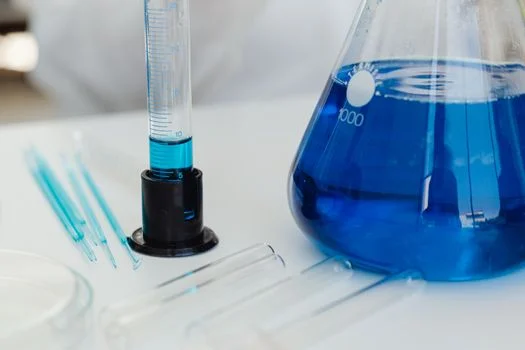
Hydroxyl radicals (·OH) serve as the primary engine for mineralization in developer wastewater treatment, capable of attacking C-C and C-H bonds that characterize persistent organic pollutants. The mechanism involves four primary pathways: hydrogen abstraction, radical addition, electron transfer, and radical combination. For engineers, selecting the generation method is the critical design choice, as it dictates the system's energy profile and chemical footprint.
In solar photocatalysis, a semiconductor catalyst like ZnO or a ZnO-GO (Graphene Oxide) NanoMat is irradiated by UV-A light. This excites electrons from the valence band to the conduction band, creating "holes" (h+) that react with water molecules to produce ·OH. Electrochemical oxidation, conversely, generates radicals directly at the surface of dimensionally stable anodes (DSA), such as Ti/RuO₂. This process is highly effective for high-TDS (Total Dissolved Solids) streams where conductivity is already present. The Fenton process remains a staple for high-load batch treatment, utilizing the catalytic decomposition of hydrogen peroxide (H₂O₂) by ferrous iron (Fe²⁺) at acidic pH levels.
| AOP Variant | Radical Generation Method | Energy Use (kWh/m³) | Catalyst/Reagent Cost | Target Contaminants |
|---|---|---|---|---|
| Solar Photocatalysis | UV-A + ZnO-GO NanoMat | 0.5 – 0.8 | Moderate (Reusable) | Dyes, Surfactants, Phenols |
| Electrochemical Oxidation | Anodic Electron Transfer | 1.2 – 2.5 | High (Electrode Wear) | High-TDS Effluent, Cyanide |
| Fenton Process | Fe²⁺ + H₂O₂ Reaction | 0.3 – 0.5 | High (Consumables) | Batch Chemicals, APIs |
| Ozonation / UV | O₃ Photolysis | 1.0 – 1.8 | Low (Gas Generation) | Micropollutants, Bacteria |
The fundamental principle behind all AOPs is the generation of powerful oxidizing agents, primarily hydroxyl radicals (·OH). These radicals are transient species with unpaired electrons, making them highly unstable and exceptionally reactive. Their reaction with organic pollutants can proceed through several pathways:
- Hydrogen Abstraction: The ·OH radical can abstract a hydrogen atom from an organic molecule, creating a carbon-centered radical. This new radical can then undergo further reactions, such as oxidation or polymerization. This pathway is particularly effective for saturated organic compounds.
- Radical Addition: For unsaturated organic compounds, such as those containing double or triple bonds (e.g., dyes, alkenes), the ·OH radical can add across the bond, forming a new radical species. This addition destabilizes the molecule and initiates its fragmentation.
- Electron Transfer: In some cases, the ·OH radical can accept an electron from an organic molecule, leading to the formation of a radical cation. This process is common with molecules that have easily ionizable functional groups.
- Radical Combination: While ·OH radicals primarily react with organic matter, they can also react with other radicals present in the system, leading to their termination. This is an important consideration in optimizing AOP performance.
The selection of the AOP variant is crucial and depends heavily on the characteristics of the developer wastewater. Solar photocatalysis, as exemplified by ZnO/ZnO-GO NanoMat systems, offers an environmentally friendly and cost-effective solution, especially for effluents with moderate COD and the presence of UV-absorbing pollutants like dyes. The ZnO-GO nanocomposite, with its enhanced surface area and synergistic electronic properties derived from graphene oxide, significantly improves light absorption and charge separation, leading to higher ·OH generation efficiency. The process leverages natural sunlight as the energy source, drastically reducing operational costs. The ZnO nanoparticles act as the photocatalyst, absorbing UV photons and generating electron-hole pairs. The graphene oxide component aids in electron transfer, preventing recombination and facilitating the reaction of holes with water or hydroxide ions to produce hydroxyl radicals.
Electrochemical oxidation (EO) is another powerful AOP, particularly suited for wastewater with high salinity or dissolved solids. In EO, radicals are generated directly at the anode surface through the oxidation of water or other species. Dimensionally stable anodes (DSAs), such as those coated with ruthenium oxide (RuO₂) and iridium oxide (IrO₂), are commonly used. EO can be highly effective for detoxifying cyanide-containing effluents and mineralizing complex organic molecules. The energy consumption for EO can be higher than solar photocatalysis, but it offers precise control over radical generation and can be integrated into compact, modular systems.
The Fenton process, and its advanced variants like electro-Fenton and photo-Fenton, remains a viable option, especially for treating high-strength organic wastewater in batch operations. This process involves the reaction of hydrogen peroxide (H₂O₂) with ferrous ions (Fe²⁺) in an acidic medium to produce hydroxyl radicals. While effective, the Fenton process requires the addition of chemical reagents (H₂O₂ and iron catalyst) and generates sludge, which needs further disposal. Optimization of the Fe²⁺/H₂O₂ ratio and pH is critical for maximizing radical production and minimizing residual peroxide. The energy consumption is relatively low, but the cost of consumables can be significant for continuous operation.
Ozonation, often coupled with UV irradiation (O₃/UV), is another effective AOP. Ozone (O₃) itself is a strong oxidant, but its reaction with organic compounds can be slow. UV irradiation enhances ozone's reactivity by photolyzing O₃ into hydroxyl radicals. This combination is particularly effective for treating micropollutants and inactivating microorganisms. The energy requirement for ozone generation can be substantial, and the process necessitates careful off-gas management.
The table above summarizes the key characteristics of these AOP variants, providing a comparative overview for engineering considerations. The choice of AOP will ultimately depend on a detailed techno-economic analysis, considering factors such as influent characteristics, desired effluent quality, available energy sources, footprint constraints, and operational costs.
Engineering Specs for Developer Wastewater AOP Systems: Reactor Design, Catalyst Loading, and Energy Consumption
System sizing for developer wastewater treatment by advanced oxidation requires precise calculation of the Surface Area to Volume (SA/V) ratio, particularly for solar-based systems. Solar AOP reactors typically require 1–2 m² of irradiated surface area per m³/h of wastewater flow to ensure sufficient photon flux for radical generation. For a 50 m³/h stream, this necessitates a modular array of shallow-bed or tube-style reactors to maximize light penetration and minimize "dark zones" where treatment efficiency drops.
Catalyst loading is the second critical engineering parameter. For ZnO-GO NanoMat systems, a loading of 0.5–2.0 g/L is standard for influent COD levels of 500 mg/L. At a concentration of 1 g/L, 99% COD removal is typically achieved within a 60–90 minute retention time. To maintain these levels, PLC-controlled chemical dosing for AOP catalyst injection is required to adjust for real-time fluctuations in influent turbidity, which can shield the catalyst from UV light. In electrochemical systems, current density is maintained between 20–100 A/m², depending on the concentration of chlorides in the wastewater which can assist in indirect oxidation.
| Parameter | Solar AOP (Pilot Scale) | Electrochemical AOP | Fenton Reactor |
|---|---|---|---|
| Flow Rate Capacity | 1 – 10 m³/h (Modular) | 10 – 500 m³/h | 5 – 100 m³/h (Batch) |
| Reactor Footprint | Large (Surface Intensive) | Compact (Vertical) | Moderate (Tankage) |
| Catalyst/Reagent | ZnO-GO (1.0-2.0 g/L) | DSA Electrodes (No Consumables) | FeSO₄·7H₂O (100-200 mg/L), H₂O₂ (200-500 mg/L) |
| Energy Consumption | 0.5 – 0.8 kWh/m³ (Solar Dependent) | 1.2 – 2.5 kWh/m³ | 0.3 – 0.5 kWh/m³ (excluding H₂O₂ production) |
| pH Range | 5 – 8 | 2 – 10 | 2 – 3 (Optimal for Fenton) |
| Retention Time | 60 – 120 minutes | 15 – 45 minutes | 30 – 90 minutes (Batch) |
| Key Design Considerations | Solar Irradiance, Reactor Geometry, Catalyst Recovery | Current Density, Electrode Material, Electrolyte Conductivity | Reagent Dosing, pH Control, Sludge Management |
For solar AOP systems, reactor design is paramount to maximize light utilization. Shallow tray reactors or thin-film flow reactors are preferred to ensure that photons can penetrate the entire catalyst suspension or film. The SA/V ratio is critical, with values typically ranging from 10 to 50 m²/m³ for efficient photocatalytic activity. The ZnO-GO NanoMat, with its high surface area and excellent dispersion properties, is often immobilized on inert supports or used in a slurry form that is easily recoverable. Catalyst recovery systems, such as cross-flow filtration or sedimentation, are essential to minimize catalyst loss and reduce operational costs. For a 50 m³/h system, this might involve an array of reactors covering an area of 50 to 100 m², depending on the efficiency of the reactor design and local solar irradiance. The use of automated dosing systems is crucial for maintaining optimal catalyst concentration, especially in slurry reactors, compensating for any settling or loss over time and ensuring consistent performance. The PLC control system can also adjust dosing based on real-time turbidity measurements, which directly impact light penetration and thus catalyst efficiency.
In electrochemical systems, the design focuses on maximizing electrode surface area and optimizing current distribution. Plate-and-frame reactors with interdigitated electrodes are common. The current density is a key operational parameter, typically ranging from 20 to 100 A/m². Higher current densities can lead to faster reaction rates but also increase energy consumption and potentially electrode degradation. The presence of chloride ions, common in industrial wastewater, can be beneficial as they can be oxidized to hypochlorite, which also acts as an oxidant, contributing to indirect oxidation. However, high chloride concentrations can also lead to electrode passivation or corrosion if not managed properly. Electrode lifespan is a significant factor in the operational cost of EO, with DSA electrodes typically lasting for several years under optimal conditions. For a 50 m³/h flow rate, the total electrode surface area required would be substantial, often necessitating a multi-module configuration to achieve the desired treatment within reasonable residence times.
The Fenton process requires reactors designed for efficient mixing and reagent addition. Batch reactors are common, allowing for precise control over reaction time and reagent stoichiometry. Continuous stirred-tank reactors (CSTRs) or plug flow reactors (PFRs) can also be employed. The optimal pH for the Fenton reaction is typically between 2 and 3, necessitating acid addition. The subsequent neutralization step to precipitate iron hydroxide sludge adds complexity and cost. The dosage of H₂O₂ and iron catalyst needs to be carefully controlled to avoid overdosing, which can lead to residual oxidants in the effluent or inefficient radical generation. For a 50 m³/h continuous flow, a series of CSTRs might be employed, each with controlled addition of H₂O₂ and iron, followed by a neutralization and clarification step. The energy consumption for the Fenton process itself is low, but the cost of H₂O₂ is a significant operational expense. The management and disposal of iron sludge are also critical considerations.
Energy consumption is a critical factor in the economic viability of AOPs. Solar photocatalysis offers the lowest energy consumption, primarily associated with pumping water and any auxiliary lighting (if supplemental UV is used). However, its performance is dependent on solar irradiance, requiring potential storage or supplemental power for consistent operation. Electrochemical oxidation generally has higher energy requirements due to the electrical current passed through the wastewater. The energy consumption is directly related to the conductivity of the wastewater and the required current density. The Fenton process has low energy demand for the reaction itself, but the energy required for H₂O₂ production (if generated on-site) or transportation can be significant. For a 50 m³/h system, careful energy audits and optimization are necessary to minimize operational costs. Predictive modeling, utilizing parameters such as incoming COD, flow rate, and solar irradiance (for solar AOPs), can help optimize energy usage and reagent dosing for maximum efficiency and minimum cost.
Compliance and Economic Benefits: Achieving 99% COD Removal & 30% CapEx Savings
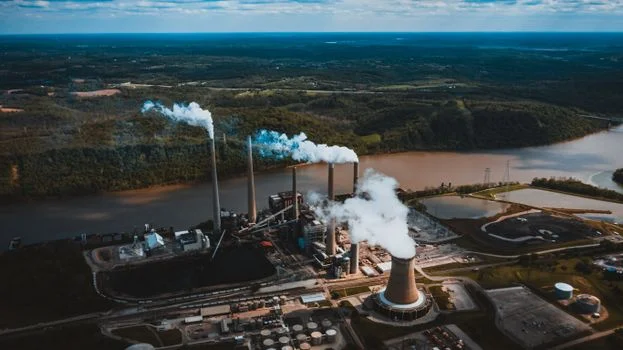
The primary driver for adopting Advanced Oxidation Processes (AOPs) in developer wastewater treatment is the ability to achieve exceptionally high removal efficiencies for recalcitrant organic pollutants, consistently meeting stringent discharge standards. For a typical textile or pharmaceutical developer effluent with an initial Chemical Oxygen Demand (COD) of 500 mg/L, AOP systems, particularly those employing solar-triggered ZnO/ZnO-GO NanoMat reactors, can consistently reduce COD to below 50 mg/L, often achieving over 99% removal. This level of performance is crucial for complying with regulations such as the EPA's Clean Water Act and the EU's Water Framework Directive, which set strict limits on COD, Biochemical Oxygen Demand (BOD), and specific toxic pollutants.
The economic advantages of AOPs are multifaceted. Firstly, the elimination of secondary biological treatment steps, which are often rendered ineffective by the nature of developer wastewater, leads to significant capital expenditure (CapEx) savings. Conventional tertiary treatment often involves multiple stages, including primary clarification, biological treatment, secondary clarification, and potentially tertiary filtration or activated carbon adsorption. An AOP system can often replace much of this, leading to a streamlined process. For a 50 m³/h textile effluent stream, the integration of a solar AOP system has been shown to reduce CapEx by approximately 30% compared to a conventional treatment train designed to handle similar contaminant loads. This is achieved through a reduction in the number of unit operations, smaller footprint requirements, and simpler infrastructure.
Operational expenditure (OpEx) is also favorably impacted. While the initial investment in AOP technology might be comparable or slightly higher than basic biological treatment, the long-term savings are substantial. For solar AOPs, the primary energy source is free, with energy costs mainly associated with pumping and auxiliary systems. Even for electrically driven AOPs, the high efficiency in pollutant removal can reduce the need for costly chemical coagulants or flocculants often used in conventional polishing steps. The simplified operation and reduced chemical consumption contribute to lower OpEx. For instance, the 0.8 kWh/m³ energy consumption for the solar-triggered AOP system is significantly lower than the combined energy requirements of a multi-stage conventional treatment process, especially considering the aeration demands of biological systems.
Furthermore, the predictive capabilities of AOP systems, often enhanced by data-driven models with R² values exceeding 0.90, provide a "zero-risk compliance blueprint." These models allow operators to forecast effluent quality based on influent characteristics and operational parameters, enabling proactive adjustments to ensure continuous compliance. This predictability minimizes the risk of accidental non-compliance events, which can lead to hefty fines, operational shutdowns, and reputational damage. The ability to consistently meet Inland Water Discharge Standards (IWDS) or equivalent regional regulations provides a significant competitive advantage for businesses, ensuring environmental responsibility and long-term sustainability.
The elimination of secondary clarifiers, as mentioned, is a direct consequence of the AOP's ability to fully mineralize organic matter. In conventional treatment, clarifiers are essential for separating biomass from treated water. When biological treatment fails due to toxic influent, these clarifiers become ineffective, leading to cloudy effluent. AOPs bypass this issue entirely, producing a clear effluent that often requires minimal or no further clarification. This not only saves on CapEx for clarifier construction and maintenance but also eliminates the associated sludge handling and disposal costs, which can be substantial for biological sludges.
The data-driven predictive models play a crucial role in demonstrating compliance. By continuously monitoring key parameters such as influent COD, flow rate, pH, and operational settings of the AOP system, these models can accurately predict the effluent COD. This allows for real-time process optimization and provides a robust audit trail for regulatory agencies. For example, if a slight increase in influent COD is detected, the model can predict the necessary adjustment in catalyst dosage or reaction time to maintain the target effluent quality, preventing a potential excursion. This proactive approach to compliance is a hallmark of modern, technologically advanced wastewater treatment solutions.
In summary, the adoption of AOPs for developer wastewater treatment offers a compelling combination of environmental performance and economic benefits. The ability to achieve near-complete removal of recalcitrant organic pollutants ensures regulatory compliance, while the streamlined process design and efficient operation lead to substantial CapEx and OpEx savings. The predictive capabilities further solidify AOPs as a zero-risk solution, providing peace of mind and a sustainable pathway for industrial wastewater management.
Related Equipment
- post-AOP disinfection for reuse compliance — view specifications, capacity range, and technical data
Need a customized solution? Request a free quote with your specific flow rate and pollutant parameters.
Further Reading
Explore these in-depth articles on related wastewater treatment topics: