When baghouse dust collector troubleshooting begins, measure differential pressure first. Sustained readings above 10 in. H₂O usually mean bag blinding or weak cleaning. For pulse jet units, confirm solenoids fire in sequence and cleaning air stays at 5–7 bar at the manifold. Failures often trace to air-to-cloth ratios above 2:1 on fine dust, or moisture that cakes bags. Plants commonly target stack emissions below 10 mg/Nm³ as a permit or design goal while they isolate the fault.
Baghouse Dust Collector Troubleshooting: What to Check First
Start with differential pressure, cleaning-air pressure, and stack opacity before opening the housing. Sustained DP above 10 in. H₂O indicates blinding or failed pulsing. Cleaning air below 5 bar leaves residual cake on the bags. Visible stack dust usually means torn bags, broken cages, or seal leaks that bypass the media.
Sustained high differential pressure (>10 in. H₂O) signals bag blinding or a failed pulse cycle, which raises fan energy use. Restricted media cuts airflow even when the fan motor sounds normal. Visible stack dust often follows torn bags or broken cages, especially on pulse jet systems run 2–3 years without an internal inspection. Reduced plant airflow with a healthy fan usually means duct blockage or a damper stuck partly closed. Accurate symptom mapping is the first step in industrial dust collector repair.
Fix 1: High Differential Pressure Despite Pulse Cleaning
High differential pressure on a pulse jet baghouse with active cleaning usually means weak pulse settings or sticky dust. Check pulse timing first: intervals longer than 10–15 seconds per row often leave cake in place. Second, verify cleaning air pressure with a calibrated gauge at the manifold; readings below 5 bar give incomplete bag collapse. Inspect hopper dust for oiliness or hygroscopic behavior that forms an impermeable cake, common in metalworking, food, and chemical plants. Adjust frequency or duration, or change media, when cake will not release.
For pulse jet hardware sized for these cleaning windows, compare your manifold pressure and row timing against the published ranges on the Pulse Jet Baghouse Dust Collector before changing bag media.
Fix 2: Premature Filter Bag Failure and Tearing

Premature filter bag failure on pulse jet collectors usually comes from mechanical stress, misalignment, or thermal overload. Bags torn at the top often mean broken cage wires or excessive pulse force; inspect cage alignment and keep cleaning pressure at or below 6 bar when tops fail repeatedly. Abrasion at the bag bottoms suggests high inlet velocity or missing inlet diffusers that let dust strike the fabric. Keep inlet velocity below 3,000 ft/min with intact diffusers. Brittle fabric usually means process gas above the media limit, typically above 150°C for standard polyester bags. Match bag material to measured gas temperature to protect filter bag lifespan.
How Does a Pulse Jet Dust Collector Work?
A pulse jet dust collector cleans bags with short bursts of compressed air that reverse flow through each row while the fan keeps running. Dust builds a cake on the outside of the bags as dirty gas flows inward. On a timed or DP-triggered cycle, a solenoid opens a diaphragm valve and a 5–7 bar pulse collapses the bag briefly, knocking cake into the hopper. Rows fire in sequence so only a fraction of cloth is offline at once. If solenoids stick, dew point rises, or air-to-cloth is too high, cake stays on the media and DP climbs.
Fix 3: Incomplete Dust Cleaning and Carryover
Incomplete cleaning and dust carryover usually come from faulty valves or conditions that blunt cake release. Test stuck solenoids with a multimeter for continuity, or manually override each valve to check mechanical travel. Keep compressed air dew point below −20°C so moisture does not condense in the manifold and bags. For fine spherical dust below 1 micron, hold air-to-cloth at ≤1.5:1 to limit penetration and improve release. If calculated air-to-cloth sits above that band for sub-micron dust, reduce airflow or add cloth area before blaming media alone.
Fix 4: Excessive Emissions at Stack
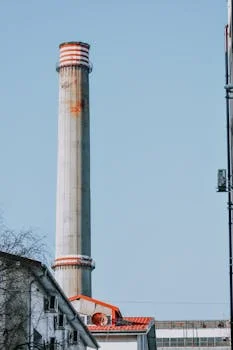
Stack emissions above a plant’s 10 mg/Nm³ design or permit target usually mean a filtration breach. Earlier plant guidance often treated 10 mg/Nm³ as a universal EPA NSPS or EU IED cut-off; that overstates how those rules are written. According to 40 CFR 63.11465 (eCFR), one NESHAPs fabric-filter option for secondary nonferrous metals area sources sets outlet PM at 0.034 g/dscm (0.015 gr/dscf) for existing sources and 0.023 g/dscm (0.010 gr/dscf) for new sources. Under EU Industrial Emissions Directive 2010/75/EU Annex V, dust emission limit values for large combustion plants can reach 10 mg/Nm³ for some >300 MW solid-fuel cases, while many other categories allow 20–30 mg/Nm³. Always compare stack results to your specific permit, not a generic number.
During a shutdown, inspect bags for pinholes, seam splits, and wear. Field experience still shows housing gasket and access-door leaks can contribute up to 30% of measured stack dust, so check those seals. Use a smoke test or particle counter to isolate the leak before replacing an entire set of bags. Tight door gaskets and continuous tube-sheet sealing on a Pulse Jet Baghouse Dust Collector reduce bypass paths that look like media failure.
Fix 5: Fan Overload and Energy Waste
Fan overload and wasted energy usually follow high system resistance from blinded bags or closed dampers. Motor amperage above nameplate rating is a strong clue that static pressure has risen. Even a 10% damper closure can raise static pressure by up to 25%, forcing the fan to draw more power. If differential pressure stays above 8 in. H₂O after a full cleaning cycle, bags are often irreversibly blinded and need washing or replacement to cut parasitic load.
Troubleshooting Parameter Table: Diagnose by Measurement
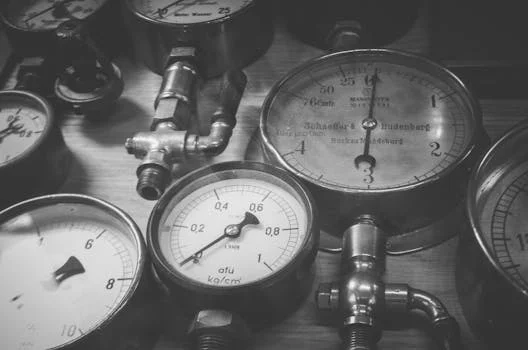
A parameter table lets engineers match measured values to likely causes and actions without guessing. Use the ranges below as field checkpoints during industrial dust collector repair.
| Symptom | Normal Range | Measured Value | Likely Cause | Action |
|---|---|---|---|---|
| Differential Pressure (DP) | 4–6 in. H₂O | >8 in. H₂O (sustained) | Bag blinding, inadequate cleaning, excessive dust load | Check pulse jet timing (10-15s), cleaning pressure (5-7 bar), bag material. Clean/replace bags. |
| Cleaning Air Pressure | 5–7 bar | <5 bar | Compressor issue, air line leak, faulty regulator | Inspect compressor, check lines for leaks, replace regulator. Confirm solenoid function. |
| Air-to-Cloth Ratio | 1.0–2.0:1 | >2.0:1 (for fine dust) | System undersized, excessive airflow, dust characteristics | Reduce airflow, consider system expansion, or use specialized media. |
| Emissions at Stack | <10 mg/Nm³ | >10 mg/Nm³ (visible or measured) | Torn bags, broken cages, seal leaks, bypass | Conduct smoke test, inspect bags/cages (borescope), check gaskets/doors. Replace damaged components. |
| Pulse Jet Solenoid Function | Fires in sequence | Misfiring/Stuck | Electrical fault, coil failure, debris in valve | Test with multimeter, clean/replace valve, verify control timer. |
| Fan Motor Amperage | Within rated amps | Above rated amps | High system resistance, blinded bags, closed dampers | Check DP, inspect dampers, clean/replace bags. |
If differential pressure stays above 10 in. H₂O while cleaning pressure sits below 5 bar, check compressor output and solenoid function before ordering bags. Apply baghouse dust collector troubleshooting in that order so compressor faults are not mistaken for spent media.
What Does Dust Collector Maintenance Include?
Dust collector maintenance includes bag inspection, sensor calibration, and moisture control on a fixed schedule. Quarterly, borescope filter bags for wear, pinholes, or abrasion; replace any bag when more than 10% of the surface shows holes or wear. Annually, calibrate pressure sensors and cleaning timers so pulse timing and DP setpoints stay accurate. Continuously watch inlet temperature and humidity to avoid condensation and acid dew-point corrosion on media and housings. These steps cut unplanned downtime and extend bag life more cheaply than emergency change-outs.
How Much Does a 10,000 CFM Pulse Jet Cost?
A 10,000 CFM pulse jet dust collector cost depends on cloth area, media, explosion protection, and installation scope, not a single catalog price. Air-to-cloth target, stainless vs. mild steel, hopper valves, and ductwork often move the quote more than the fan alone. Freight, duties, and on-site erection for a Canadian site add further variance. Share gas volume, dust loading, temperature, and required outlet concentration when you request a free quote so sizing and options stay comparable.
Who this is for: plant engineers and maintenance leads diagnosing high DP, stack opacity, or premature bag failure on pulse jet baghouses. Who should look elsewhere: teams specifying wet scrubbers or electrostatic precipitators for sticky, condensable, or sub-micron fumes outside fabric-filter range. Next step: log DP, manifold pressure, and stack opacity on the next shift, then match readings to the table above before opening the housing.
Frequently Asked Questions
What should differential pressure be on a baghouse?
Normal differential pressure on a baghouse typically ranges from 4–6 in. H₂O during steady operation with an established dust cake. A sustained reading above 8 in. H₂O after a full cleaning cycle usually indicates inadequate pulsing, blinded bags, or overload. Confirm manifold cleaning pressure is still 5–7 bar before condemning the media.
How often should baghouse filters be replaced?
Baghouse filters are generally replaced every 2–4 years under typical industrial dust loads, though abrasive or high-temperature duty can shorten that window. Lifespan depends on dust loading, gas temperature, dust chemistry, and cleaning frequency. Quarterly borescope checks catch pinholes earlier than waiting for a fixed calendar date.
Why are my pulse jet valves not firing?
Pulse jet solenoid valves that do not fire usually have lost power, low compressed air, or a bad timer output. Check solenoid supply voltage, confirm manifold pressure is above 5 bar, and verify the sequential timer or PLC outputs. Debris in the diaphragm valve can also hold a row offline even when the coil energizes.
Can moisture damage baghouse filters?
Yes, moisture can severely damage baghouse filters by turning dust sticky and promoting blinding. Condensation also drives hydrolysis in polyester fabrics, which weakens fibers over time. Keep compressed air dew point below −20°C and consider hydrophobic media when inlet gas regularly crosses the dew point.
What causes high air-to-cloth ratio problems?
A high air-to-cloth ratio above 2:1 for fine dust raises interstitial velocity, speeds abrasion, and weakens cake release. Collection efficiency falls as particles penetrate the media. The system is often undersized for current airflow or dust load; reducing flow or adding compartments restores the 1.0–2.0:1 band used in the diagnostic table.