Why Yerevan’s High-COD Wastewater Needs a Different Strategy in 2026
In 2026, manufacturers in Yerevan treat high-COD trade waste through a project-specific train: isolate and characterize the waste, equalize flow and load, remove oil, grease and settleable solids, then apply biological treatment when soluble COD must be reduced. DAF or clarification is generally pretreatment rather than the final COD-removal step. Armenia’s December 2025 baseline, published in February 2026, reports that only 8% of national wastewater receives treatment, Aeratsia WWTP handles 92% of treated wastewater, and all six centralized plants provide mechanical treatment only. With no systematic industrial-discharge monitoring and average BOD/TSS reduction of only 10%, factories should not rely on municipal dilution. They need verified pretreatment, negotiated discharge terms and, where appropriate, an MBR or other dedicated biological treatment stage.
The EU4Green Recovery East Baseline Report on Wastewater Infrastructure – Armenia, dated December 2025 and published in February 2026, estimates that Armenia generates approximately 721.9 million m³ of wastewater annually, but only 8% receives any form of treatment. The country has six centralized municipal wastewater treatment plants with mechanical treatment; five include fine screening, grit removal and grease removal. That distinction matters: mechanical equipment can remove screening material, grit and some floating material, but it does not establish that soluble, biodegradable COD will be biologically treated.
Measured performance confirms the limitation. The same baseline reports average BOD and TSS reduction of only 10%, while Total Nitrogen and Phosphorus reductions at Aeratsia are approximately 1–2%. A sewer connection therefore does not demonstrate adequate treatment capacity for factory effluent. Hydraulic capacity, biological capability, local sewer condition and acceptance of industrial constituents must each be verified with the receiving authority.
For manufacturers, on-site treatment is both pollution prevention and production continuity. An uncontrolled release can impair the municipal process and receiving waters, while an unexpected rejection or shutdown can interrupt production. The primary wastewater treatment process should therefore be treated as one part of a verified factory treatment train, not as evidence that the entire industrial discharge is acceptable.
Build the Treatment Train from the Wastewater Itself
The defensible design sequence for industrial effluent is to segregate, characterize, equalize, physically pretreat, biologically treat when required, and then dispose or reuse the resulting water. COD alone cannot determine equipment size. A factory must know the flow profile, soluble and particulate organic fractions, and constituents that can inhibit biology or foul equipment.
- Segregate and sample each source. Request flow, COD, BOD, TSS, oil and grease, pH, temperature and process-specific constituent data. Sampling should capture normal production, cleaning, batch dumping and peak discharge periods because variability affects equalization and biological loading.
- Equalize flow and load. Equalization before the main biological or membrane stage reduces shock loading. Size the working volume and duty cycle from documented production flow, batch discharge behavior and contaminant-load data rather than from average flow alone.
- Remove material that can block or burden the next stage. Oil, grease, suspended solids and floatable material require source protection or physical removal. A DAF system for high-COD wastewater pretreatment can remove floatables and associated solids, but flotation performance should not be presented as proof of soluble-COD removal.
- Apply biological treatment to biodegradable soluble COD. Where soluble organic load remains, biological treatment is needed before membrane separation. An MBR system for biological COD removal and reuse combines biological treatment with membrane solids separation and should be assessed against the required footprint and effluent or reuse objective.
- Add polishing only when required. Disinfection, reuse treatment and tertiary processes should follow a defined discharge or reuse specification; they are not automatic stages for every factory.
- Plan the residuals. Define sludge thickening, dewatering, storage and disposal before selecting the main equipment.
| Process step | Primary purpose | Design evidence required |
|---|---|---|
| Source segregation | Separate incompatible wastes and identify batch discharges | Source inventory, flow records and sampling plan |
| Characterization | Define organic, solids and process-specific loads | COD, BOD, TSS, oil and grease, pH, temperature and relevant constituents |
| Equalization | Reduce flow and load shock before biological or membrane treatment | Flow and load range, operating hours, production changes and peak factors |
| Physical pretreatment | Remove floatables, grease and settleable or colloidal material | Contaminant characteristics, separator loading and sludge-generation estimates |
| Biological treatment or MBR | Reduce biodegradable soluble COD and separate biomass | Influent load, treatment objective, footprint, controls and membrane or aeration maintenance assumptions |
| Disposal, reuse or polishing | Meet the applicable receiving or reuse requirement | Written discharge conditions, reuse specification and acceptance tests |
Choose Between DAF, Clarification and Biological Treatment
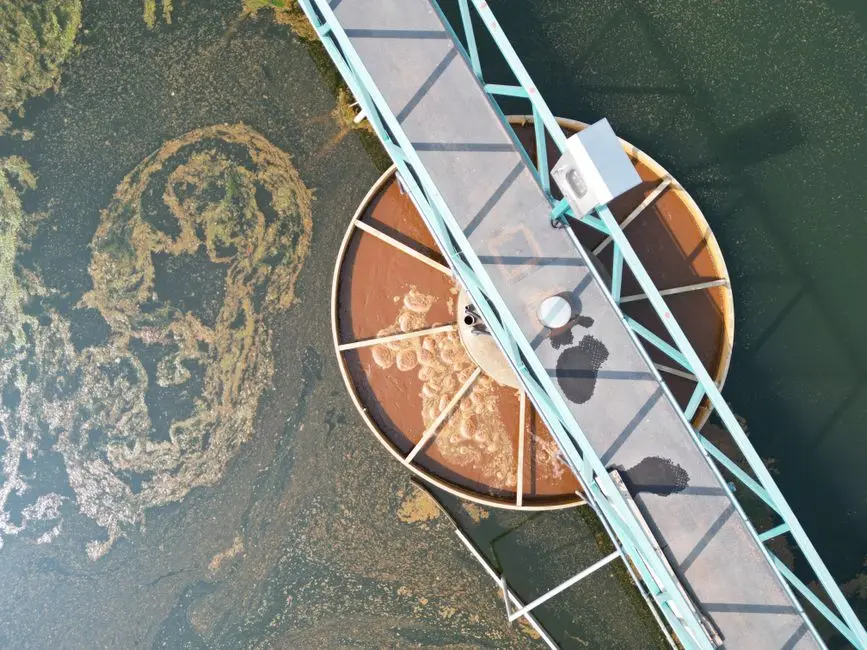
DAF, clarification and biological treatment solve different pollutant problems, so the correct choice follows the waste profile and receiving route. DAF captures oil, grease, suspended solids and colloidal material; clarification supports settling and solids separation; biological treatment addresses biodegradable organic load; MBR combines biological treatment with membrane separation. None should be selected simply because it is described as an industrial ETP in Yerevan.
The available DAF equipment envelope is 4–300 m³/h across 13 standard models, using micro-bubble flotation and automatic skimming. The available MBR envelope is 10–2,000 m³/day, with submerged PVDF membrane filtration and near-reuse-quality effluent described as below 1 μm filtration. These are equipment-selection boundaries, not proof that a factory fits within them: the supplier must demonstrate that the stated flow envelope covers the documented duty, contaminant load and operating conditions.
| Question | DAF or clarification | Biological treatment or MBR |
|---|---|---|
| What is the main removal mechanism? | Physical separation of floatables and settleable or colloidal solids | Biodegradation of soluble organic material, with MBR adding membrane solids separation |
| What waste profile supports it? | Oil and grease, suspended solids, floatable material or suitable settleable fractions | Biodegradable soluble COD after physical pretreatment |
| Does it establish final effluent compliance alone? | No; the downstream requirement still has to be assessed | Potentially, but only against the actual treatment and reuse objective |
| What must be verified? | Separator loading, skimming, recycle, recovered-solids handling and sludge yield | Aeration, biological loading, membrane maintenance, controls, footprint and residual handling |
| Documented equipment envelope | DAF: 4–300 m³/h across 13 standard models | MBR: 10–2,000 m³/day with submerged PVDF membrane filtration |
The decision logic is conditional. Use physical pretreatment when floatables or settleable solids are the principal burden; add biological treatment where soluble biodegradable COD remains; consider MBR where compact biological treatment, controlled solids separation or reuse-quality filtration is required. The cavitation air flotation process flow can help examine physical pretreatment sequencing, but it cannot substitute for site characterization. National statistics do not identify factory wastewater compositions, permits or economics, so they cannot support a universal technology choice.
Account for Armenia’s Infrastructure and Compliance Reality
Aeratsia WWTP treats 92% of Armenia’s treated wastewater, creating a critical single point of vulnerability. The EU4Green Recovery East baseline dated December 2025 reports actual national throughput of 196,024 m³/day against combined nominal capacity of 666,528 m³/day. It also reports that approximately 50% of Armenia’s 4,174.3 km sewerage network requires complete replacement and that more than 80% of systems in Yerevan and Shirak are considered obsolete.
These conditions make hydraulic assumptions unsafe. Infiltration, inflow, stormwater connection, network deterioration and peak discharge can all affect the receiving point differently from a plant’s nominal annual statistics. The baseline also states that enterprises release effluent into municipal networks, surface waters or groundwater without systematic quantitative or qualitative monitoring. That monitoring gap increases the need for factory-specific records and independent sampling evidence.
The GWP source, New Technologies for Wastewater Treatment in Armenia, states that Yerevan’s operating plant has only partial mechanical treatment. Its existence does not verify industrial constituent acceptance or adequate biological treatment for high-COD factory discharge.
| Evidence to obtain before contract award | Why it affects the factory decision |
|---|---|
| Applicable environmental permit and sewer-discharge conditions | Defines the legally applicable discharge route and conditions |
| Identity and written position of the receiving authority | Confirms who can accept the proposed flow and constituents |
| Maximum flow and COD, BOD and TSS conditions | Provides enforceable design inputs instead of assumed dilution |
| Prohibited constituents and pretreatment requirements | Identifies substances requiring source control or removal |
| Sampling and monitoring obligations | Establishes who samples, how often and with what analytical method |
| Access, sampling-point and discharge-point details | Allows the factory and authority to verify the actual discharge route |
| Written acceptance of the proposed industrial effluent | Reduces the risk that equipment is built around an unauthorized route |
No Armenian industrial discharge limits should be inferred from this national baseline. Each project must use the permit or written sewer agreement actually in force and obtain direct written acceptance of the proposed effluent before equipment finalization. Where an mechanical bar screen is proposed for factory pretreatment, it should be treated as an upstream protection or physical-removal component rather than evidence of industrial discharge authorization.
Plan Equipment Sizing, Procurement and Lifecycle Risk
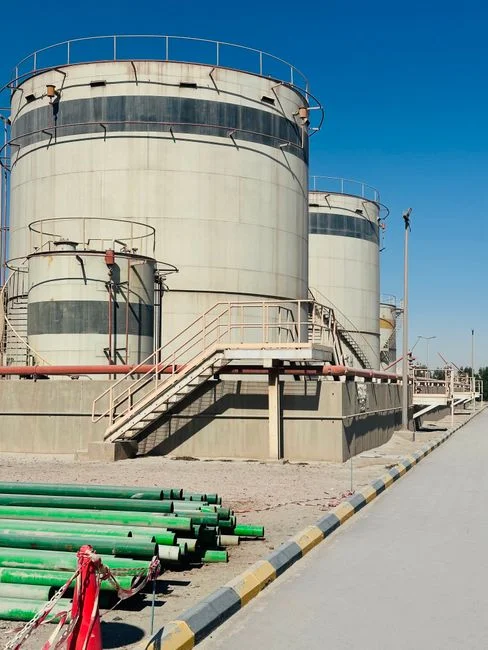
Equipment should be sized from measured flow and contaminant loads, operating hours, production growth, peak factors and the required redundancy—not from a catalogue flow rate. Require each bidder to state the design basis and margin. If those inputs are absent, the quotation cannot be compared on an engineering basis.
The request for proposal should identify the operating envelope, pretreatment assumptions, performance scope, utilities, control philosophy, footprint, installation conditions, maintenance intervals, spare-parts availability and local service capability. For biological or MBR systems, add start-up support, aeration and membrane-maintenance planning, sludge-disposal assumptions and training documents. For DAF, require the design contaminant loads, recycle and saturation assumptions, skimming arrangement, sludge-yield estimate and allocation of performance responsibility.
The EU4Green Recovery East baseline identifies limited enforcement capacity and institutional coordination as sector constraints. For a factory buyer, that reinforces the need for transparent data, measurable acceptance tests and contingency plans rather than reliance on informal assurances.
| Procurement package | Minimum information requested |
|---|---|
| Design basis | Measured flow and loads, operating hours, peaks, future changes, redundancy and treatment objective |
| Performance | Documented scope, guarantee conditions, sampling method and acceptance tests |
| Installation | Footprint, utilities, civil interfaces, access, controls and commissioning prerequisites |
| Operations | Maintenance intervals, consumables, spare parts, sludge assumptions and training |
| Service | Local support responsibility, response arrangements and start-up support |
| Commercial | Site-specific scope, exclusions, schedule, warranty and payment milestones |
The supplied research contains no verified Yerevan equipment price range. A buyer should request a site-specific quotation tied to the design basis, permit conditions and acceptance tests, rather than rely on generic online prices. Any chemical-dosing or solids-dewatering components—illustrated by the automatic chemical dosing system and plate-and-frame filter press—must also be priced within the complete operating and residual-handling scope.
Frequently Asked Questions
Can COD alone determine the treatment train for a Yerevan factory?
No. COD establishes an organic-load measure, but the design also requires flow variability, BOD, TSS, oil and grease, pH, temperature and relevant process constituents. The treatment route and discharge or reuse objective must be defined from that characterization, not from COD alone.
How should a factory compare a DAF-led train with an MBR-led train?
Use the documented envelopes as an initial screen: DAF covers 4–300 m³/h across 13 standard models, while MBR covers 10
Frequently Asked Questions
How should a Yerevan factory treat high-COD industrial wastewater before discharge to the municipal sewer?
Factories in Yerevan must implement a multi-stage pretreatment process to ensure compliance with Veolia Jur requirements. This typically begins with physical separation (screening and grit removal), followed by chemical coagulation and flocculation to reduce suspended solids. For high-COD streams exceeding 500-1000 mg/L, primary treatment must be augmented by advanced oxidation processes (AOP) or anaerobic digestion to break down complex organic chains before the effluent enters the municipal network.
Monitoring is mandatory throughout the process. Facilities are required to maintain pH levels between 6.5 and 8.5 and ensure that discharge temperatures do not exceed 40°C. Failure to reduce COD levels prior to discharge can result in severe surcharges or the revocation of discharge permits under current municipal environmental bylaws.
Is DAF sufficient for high-COD effluent, or does the factory need biological treatment?
Dissolved Air Flotation (DAF) is highly effective for removing fats, oils, grease (FOG), and suspended solids, often achieving 70-90% reduction in these parameters. However, DAF is generally insufficient as a standalone solution for high-COD effluent, as it does not effectively remove dissolved organic pollutants. If the wastewater contains high levels of soluble organic matter, DAF must serve only as a pretreatment step ahead of a secondary biological treatment system.
For high-COD industrial loads, a Membrane Bioreactor (MBR) or an Upflow Anaerobic Sludge Blanket (UASB) reactor is typically required following the DAF unit. These biological systems are necessary to achieve the final COD discharge standards required by Yerevan's municipal wastewater treatment plants, which often mandate effluent COD levels below 300 mg/L for industrial contributors.
How do I size a DAF or MBR system for a factory in Yerevan?
System sizing must be based on a minimum of 24-hour composite sampling to determine both the average daily hydraulic load (m³/day) and the peak hourly flow rate (m³/hr). In Yerevan, climate-specific factors must also be considered; for outdoor installations, hydraulic retention times (HRT) for biological systems must be increased by 15-20% during winter months to account for decreased microbial activity due to lower ambient temperatures.
Engineers should calculate the Organic Loading Rate (OLR) based on the maximum expected COD concentration rather than the average, ensuring the bioreactor volume is sufficient to prevent system shock. It is recommended to include a 20% safety margin on all hydraulic and organic capacity calculations to allow for future production scaling and seasonal fluctuations in factory output.
What should I include when comparing industrial wastewater equipment suppliers in Armenia?
When evaluating suppliers, prioritize those who provide comprehensive local technical support, including the availability of critical spare parts such as membranes, pumps, and sensors within Armenia to minimize downtime. Request detailed documentation on the system's energy consumption (kWh/m³ treated) and chemical dosing requirements, as these represent the primary operational expenses for Yerevan-based manufacturers.
Furthermore, verify the supplier's experience with the specific chemistry of your industrial waste. Ask for references from similar regional industries and ensure the proposal includes a detailed Performance Guarantee that specifies the expected effluent quality (BOD, COD, TSS) and the system’s recovery rate. Compatibility with local SCADA systems and remote monitoring capabilities should also be standard requirements for modern installations.
What compliance evidence should I request before connecting trade waste to a municipal sewer in Yerevan?
Before connecting, you must obtain a formal Discharge Permit from the relevant utility authorities. This requires submitting a detailed technical report that includes the results of laboratory analysis from an accredited Armenian laboratory, confirming that your treated effluent meets the Maximum Permissible Concentration (MPC) limits for heavy metals, COD, BOD, and nitrogen compounds.
You should also maintain a comprehensive logbook of daily effluent monitoring, including flow meter calibration records and chemical usage reports. It is advisable to request a signed commissioning certificate from your system integrator, which validates that the installed technology consistently meets the specific effluent quality parameters stipulated in your industrial discharge agreement with the municipal water utility.