
Where the filter press belongs in a hotel wastewater train
A filter press for hotel wastewater design should place pressure dewatering after biological treatment and solids concentration, not use the press as the primary treatment process. Slurry is pumped into filter chambers, liquid passes through cloth, and retained solids form cake. Final sizing must use hotel wastewater flow, suspended-solids concentration, daily dry-solids production, target cake dryness, cycle time and disposal method. ChemREADY recommends clarification for slurries containing 5–10% solids and identifies 50–60% solids as the best-suited range.
The appropriate hotel treatment train is a sequence rather than a single machine: wastewater collection and screening; biological treatment for soluble organic loading; clarification or thickening; sludge conditioning; filter-press dewatering; and cake disposal. Package biological treatment can provide the upstream treatment, while a hotel wastewater treatment package with defined sludge-retention and sludge-removal provisions can be evaluated alongside the press. The plate-and-frame sludge dewatering filter press then performs solids-liquid separation on the concentrated biological sludge.
Filtrate recovery should not be treated as automatic permission to reuse water or discharge it. The recovered liquid must be evaluated in the context of the complete treatment train, its water quality and applicable local discharge requirements. A hotel may use some filtrate for processes or equipment where reuse is acceptable, while the balance remains subject to the approved disposal route.
A filter press is a sludge-dewatering device: it separates retained solids from liquid by pressure filtration and does not remove dissolved organic matter or provide the biological treatment required for hotel sewage.
That boundary matters during equipment selection. A poorly integrated press may receive dilute or poorly conditioned sludge, then fail to achieve the required throughput while consuming excessive labor and chemicals. Define the upstream biological and solids-removal process first, then assign the press a specific duty: concentrate and dewater the selected sludge stream to a cake condition that can be discharged or used lawfully.
Characterize hotel wastewater before selecting equipment
Hotel wastewater flow alone cannot define filter-press capacity; the governing quantity is the dry solids requiring dewatering. Start with a measured solids balance, then sample the streams that actually enter the biological and sludge-handling systems.
| Site input | Why it affects the press | Evidence or information required |
|---|---|---|
| Average and peak wastewater flow | Defines upstream treatment capacity and the periods available for batch dewatering. | Metered flow records by operating condition; operating hours. |
| Influent TSS | Provides an initial solids-loading basis, but influent TSS is not the final press-feed concentration. | Representative composite samples and laboratory results. |
| Biological solids yield | Links organic loading to the mass of solids that must be removed and dewatered. | Observed sludge-production rate or a documented process yield basis. |
| Sludge fractionation | Excess and activated sludge can have different filtration behavior. | Separate and mixed-sludge samples from the intended feed points. |
| pH, temperature, oil and grease | Can influence settling, conditioning, cloth performance and equipment requirements. | Site-specific measurements across representative operating periods. |
| Chemical-conditioning requirement | Changes solids structure, cake formation and the chemicals needed for dewatering. | Bench or pilot comparison, including chemical demand and residual handling. |
Sample guest-room, kitchen, laundry and common-area streams separately before deciding how they should be combined. Kitchen wastewater can introduce grease and food solids, while laundry flows may carry different detergent and textile characteristics. Mixed sampling is still necessary because the biological system receives a combined stream, but stream-specific checks prevent an average sample from hiding a troublesome fraction.
Keep three quantities separate in the design file. Wastewater flow describes hydraulic load. Sludge flow describes the volume entering clarification, thickening and dewatering. Daily dry-solids production is the mass that the press must separate. A large hotel wastewater flow does not automatically imply a large press if sludge generation is low; conversely, modest flow can produce a significant solids duty if the biological system generates and retains substantial biomass.
The supplied research provides no universal filter-area factor for hotel wastewater and no validated hotel-specific dry-solids yield. Do not substitute a generic equipment factor for site data. Use the hotel wastewater treatment system planning guidance as one input, then obtain measured or independently defensible values for the actual property.
Use clarification and conditioning to create a pressable sludge

Dilute biological sludge generally needs concentration before it becomes a sensible filter-press feed. ChemREADY states that filter presses work best with slurries containing 50–60% solids and recommends clarification for slurries at 5–10% solids; these are supplier guidance, not guaranteed hotel performance values.
| Decision point | Engineering implication | Information to confirm |
|---|---|---|
| Feed concentration | A dilute feed may carry excessive water into the press, increasing cycle time and filtrate-handling demand. | Measured solids fraction of the actual press feed. |
| Clarification | Solids concentration reduces the water load presented to the press and may improve cake formation. | Representative settling and solids-capture performance. |
| Flocculation | Conditioning can create larger flocs that filter more readily. | Polymer identity, dose, mixing method and residual handling. |
| Direct feed to press | May be considered only when representative testing shows acceptable loading and separation. | Batch duration, filtrate clarity, solids capture and cake release. |
For a concentrated-solids option, evaluate a lamella clarifier for sludge concentration with sludge recirculation and flocculation, or another thickening method validated against the hotel sludge. The clarifier should be assessed for solids capture, concentrate concentration and sludge withdrawal rather than for nominal tank volume alone.
ChemREADY claims that a clarifier followed by a filter press can recover up to 95% of process water. Treat that as a supplier claim, not a universal performance guarantee. The actual recovery will depend on feed solids, dewatering performance, filtrate quality and the water balance, so require site testing before relying on it.
Conditioning is part of the filtration design, not an afterthought. Determine whether coagulant, flocculant or another treatment is required, then compare alternatives through bench or pilot tests. Record feed solids, chemical dose, mixing conditions, cycle duration, cake dryness, filtrate solids and chemical consumption. An automatic chemical dosing system can be included after the test has established the required chemical and control basis.
Use a simple decision rule: if the measured feed is dilute and representative testing cannot meet the required batch throughput, improve concentration or conditioning before increasing press area. A larger machine does not correct an unsuitable feed.
Calculate filter-press capacity from daily dry solids
Filter-press sizing calculation begins with daily dry solids, not wastewater flow. The calculation then converts that mass into wet cake, divides it into available batches and uses validated cycle performance to establish filtration-area demand.
| Step | Calculation | Unit discipline and decision use |
|---|---|---|
| 1. Daily dry solids | Daily sludge volume × suspended-solids mass fraction | Keep solids fraction as mass per mass; do not mix percentage-by-weight and percentage-by-volume. |
| 2. Required cake mass | Daily dry solids ÷ target cake dry-solids fraction | The target fraction must be expressed consistently with the selected cake-moisture basis. |
| 3. Required cake wet mass | Required cake mass × (1 + water fraction) | Calculates the water-bearing cake mass that must be discharged. |
| 4. Wet cake per batch | Daily required cake wet mass ÷ available batches per day | Available batches depend on operating hours, validated cycle duration and the permitted operating schedule. |
| 5. Filtration-area demand | Established from batch throughput and validated cake-loading behavior | Do not use an invented hotel factor; request test-backed area or throughput data. |
Use a consistent mass fraction throughout. If daily dry solids are stated as a mass, the cake dry-solids fraction must also be a mass fraction. This avoids the common error of treating a solids percentage as though it described the mass of wet cake.
Set the required wet-cake production per batch from the operating window, then compare it with representative test results. A cycle comprises feed, pressure filtration, washing if required, depressurization, cake discharge and preparation for the next cycle. Confirm the complete cycle rather than using filtration time alone.
Filtration area is the final step, not the starting point. A supplier should demonstrate how its proposed area handles the required batch mass at the expected feed solids, conditioning regime, cake target and cycle duration. The supplied research does not establish a universal hotel-specific area factor, so there is no defensible numerical shortcut in this guide.
Apply a design margin after establishing the base duty. The margin should cover variable solids production, interruptions, cloth blinding, start-up and maintenance, but the supplied sources do not support a specific numerical allowance. Set it as an engineering decision and document the operating assumptions behind it.
The available plate-and-frame filter-press configurations span filtration areas from 1–500 m² and offer manual, hydraulic or fully automatic PLC-controlled operation, according to the HydropureWater verified product catalog. This is a selection envelope, not a calculation result or proof that any area will meet the hotel’s duty.
Select cloth, pressure and operating mode around the sludge
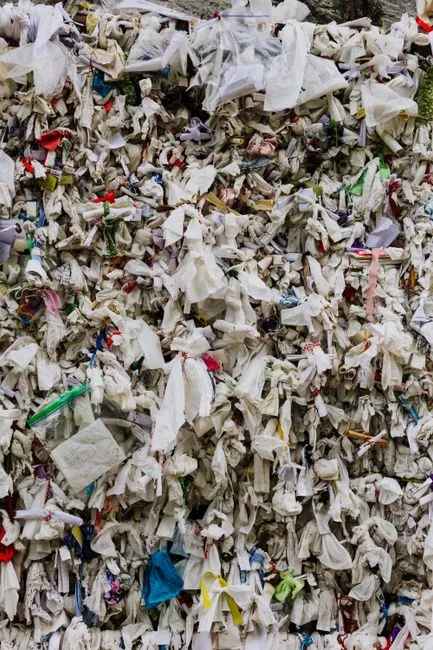
Filter cloth controls solids capture and cake formation, while its drainage behavior affects filtration time and cycle economics. The BRIN/National Research and Innovation Agency study found that cotton cloth outperformed drill cloth in tests using CaCO3-simulated activated sludge at 1–4% w/w; it reported 56.00% solids-removal efficiency at 4% w/w.
| Selection variable | What it controls | What must be demonstrated |
|---|---|---|
| Filter cloth | Solids retention, cake formation, drainage, washing and release. | Solids capture, filtrate clarity, drainage rate, blinding tendency and cake release. |
| Operating pressure | Filtration driving force and achievable dewatering. | Pressure remains within plate, frame, cloth and feed-system limits. |
| Manual operation | Opening, closing and cake handling may require more direct operator involvement. | Staff availability, opening mechanism and safe operating method. |
| Hydraulic operation | Plate movement and some functions can be power-assisted. | Cycle repeatability, controls boundary and operator workload. |
| Automatic PLC control | Sequence control and operating consistency can be integrated with the plant. | Alarm handling, interlocks, logging, access to controls and manual fallback. |
ChemREADY cites 21–30 bar for high-pressure systems intended for difficult slurries. This is not a blanket operating instruction. Actual pressure must be matched to the press design, cloth limits and the sludge’s validated filtration behavior. Increasing pressure without confirming those conditions can damage equipment or produce unsatisfactory results.
Use representative sludge to compare cloth and pressure options. Record filtrate clarity, solids capture, cake moisture, cycle duration, cake release, washing performance and the pressure trend through the cycle. Observe whether pressure rises because the cloth is blinding, the cake has reached the intended endpoint, or a feed or discharge problem is developing.
Choose the operating mode according to staffing and operating schedule. A manual press may suit a small, regularly attended installation where labor availability is explicit. Hydraulic and PLC-controlled presses reduce some repetitive handling and can improve sequence control, but they add mechanical and electrical scope that must be maintained and integrated with the wider treatment plant.
Design the pumping, cake handling and safety systems
The press must be specified as a mechanical system, not as a vessel with a filtration-area number. The feed system must deliver the validated sludge flow at the required pressure without exceeding component limits, while the filtrate system must handle the liquid separated during each cycle.
- Feed system: duty-compatible pump, feed manifold, isolation and control valves, and pressure measurement at the appropriate locations.
- Filtrate collection: correctly sized collection arrangement, drain-down provision, instrumentation and a defined route for the recovered liquid.
- Cake discharge: an arrangement that matches cake consistency, discharge direction, operator access and the selected operating mode.
- Wash provision: wash-water supply and collection where the chosen cycle requires washing.
- Controls and instrumentation: sequence control, alarms, pressure indication and the required electrical interfaces.
Use the supplier’s valves and treatment-parts schedule as a completeness check, but define each item by duty, material compatibility and control function.
Cake handling and disposal are part of the design basis. ChemREADY states that filter presses make solids easier and less expensive to handle than untreated slurry. That does not make the cake automatically reusable or acceptable for every disposal route. Select the final route before ordering the discharge system, and assess whether the cake is suitable for lawful disposal, another approved use or further treatment.
Confirm local mechanical, electrical, occupational-safety and environmental requirements with the applicable authority and design engineer. The supplied research contains no jurisdiction-specific hotel compliance limits, so this guide cannot supply a universal standard. Guarding, access, pressure-system safety, chemical handling and electrical work need project-specific assessment.
Compare the main sludge-handling configurations
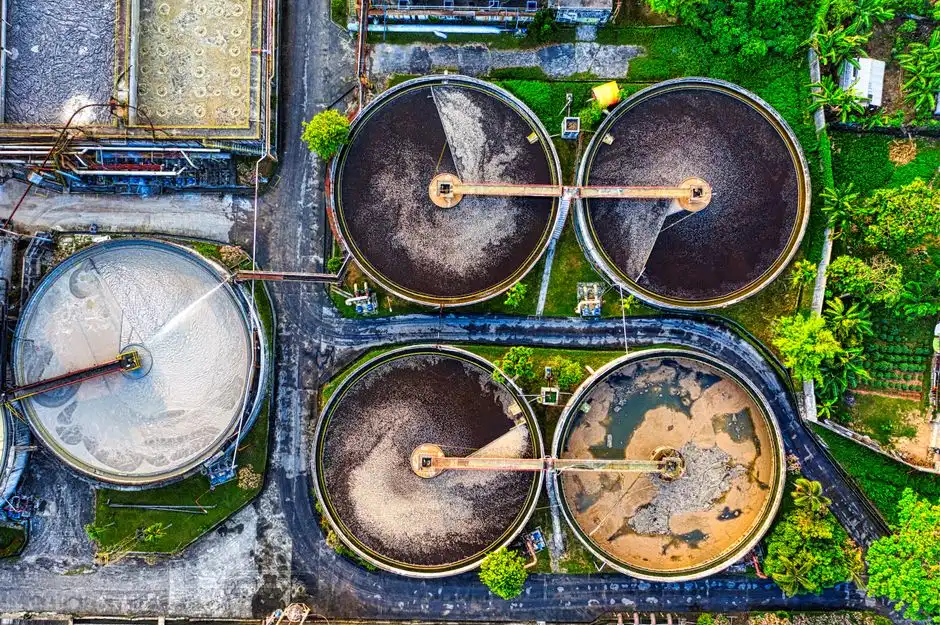
The preferred configuration separates the biological process from solids concentration and assigns each unit a defined duty. The least suitable arrangement sends dilute or untreated sludge straight to a filter press and then discovers the capacity problem during operation.
| Configuration | Advantages | Principal risks | Decision basis |
|---|---|---|---|
| Biological treatment, clarification, conditioning and filter press | Separates organic treatment, solids concentration and final dewatering duties. Clarification reduces the water load presented to the press. | More equipment and process interfaces; clarification and conditioning require control. | Preferred when the measured press feed is dilute or the biological solids require concentration. |
| Conditioned biological sludge fed directly to the press | Potentially fewer solids-handling stages if test performance is adequate. | A dilute feed can reduce throughput and increase filtrate volume. | Consider only when representative tests show acceptable cycle time, capture and cake dryness. |
| Settling-pond-based handling | Solids can accumulate by gravity without a pressure-dewatering cycle. | ChemREADY states that settling ponds require substantial space and ongoing maintenance and lose effectiveness as solids accumulate. | Use only where land, maintenance and sludge-removal provisions are credible for the site. |
| Package biological treatment with a separately engineered press | Combines a defined biological reactor and sludge-removal scope with dedicated dewatering. | Package and press suppliers must agree on feed concentration, solids balance and interfaces. | Use the hotel wastewater treatment system buyer’s guide to evaluate the complete train, not the biological package alone. |
For dilute sludge, follow ChemREADY’s specific recommendation to clarify slurries at 5–10% solids before pressing. Its stated 50–60% solids range is a guide to suitability, not a guaranteed concentration that every hotel clarifier will achieve.
For package biological treatment, examine the selected system’s solids-retention and sludge-removal features before assigning it a downstream press duty. A hotel-scale integrated wastewater treatment package may remove the need for a large internal press if the generated sludge is small or if another removal route is adequate; the solids balance must decide.
Validate the design before ordering the filter press
Procurement should close the solids balance, equipment scope and acceptance criteria before a filter press is ordered. A quotation based only on wastewater flow leaves the decisive variables unresolved.
- Issue the duty basis: influent flow, TSS, biological solids yield, daily dry-solids generation, fractionated and mixed-sludge samples, clarification method, conditioning assumptions, cake target and disposal route.
- Require equipment definitions: filtration area, operating pressure, feed and filtrate capacities, cycle time, cloth specification, controls scope, plate and frame materials, included auxiliaries and utilities.
- Validate with representative sludge: solids capture, filtrate quality, cake dryness, complete cycle duration, cake release, washing and pressure trend.
- Set acceptance criteria: define the test method, sample points, feed condition and pass/fail results for each promised duty.
- Confirm compliance route: discharge, filtrate reuse, construction, safety and cake-disposal requirements must be checked with the applicable authority and design engineer.
Ask each supplier to state whether filtration area means total active filtering area and how that area relates to chamber volume. Require a duty-based proposal showing the expected batch mass, cycle composition and daily solids removal. The filter-press equipment specification should identify what is supplied by the manufacturer and what remains in the contractor’s installation scope.
The research does not provide jurisdiction-specific limits for hotels, so acceptance testing should not substitute for permits or regulatory review. Keep the selected unit, test record, operating manual, training, maintenance plan, spare parts and control documentation as contract deliverables.
Frequently Asked Questions
How much does a filter press for hotel wastewater cost?
There is no defensible unit price in the supplied research. Price depends on filtration area, construction materials, operating pressure, automation, cloth selection, feed and filtrate auxiliaries, controls and site installation. Request a quotation based on the daily dry-solids duty, target cake dryness, representative sludge results and required auxiliaries; also ask what installation, commissioning, training and maintenance items are excluded.
How do I size a filter press for a hotel?
Start with daily wastewater flow and TSS, establish biological solids production, calculate daily dry solids, select the cake dry-solids target, and divide the resulting wet-cake requirement across the batches available each day. Use representative sludge tests to establish cycle duration and cake-loading behavior before selecting filtration area. Do not size from hotel flow alone, and do not use a generic filtration-area factor that has not been validated for the site sludge.
Should a hotel wastewater filter press include a clarifier?
Include clarification when the biological sludge is too dilute for economical pressure filtration. ChemREADY recommends clarification for slurries at 5–10% solids and states that presses work best with 50–60% solids. Confirm the decision using measured feed concentration and pilot or bench results, because a clarifier adds footprint, controls and sludge-management requirements that must fit the property.
How do I choose a filter-press supplier?
Require a transparent solids balance, representative-sludge test results, a clear filtration-area definition, operating-pressure limits, cycle-time basis, cloth specification, controls boundary, auxiliary-equipment list and performance criteria. Also confirm delivery and installation responsibilities, training, spare parts, maintenance support and local compliance responsibilities. A unit price or filtration-area range alone does not establish suitability.
Can hotel wastewater filter-press filtrate be reused?
Only after the complete treatment train, filtrate quality and local requirements have been evaluated. The press separates solids from liquid, but it does not by itself establish reuse suitability or discharge compliance. Define the intended reuse or discharge route, identify sampling and monitoring requirements, and obtain approval from the applicable authority and design engineer before relying on filtrate recovery in the water balance.