Choose the Regulatory Route Before Selecting Equipment
Hotel resort wastewater treatment in Malaysia should begin with the intended discharge route, because the receiving point determines the process, footprint and approval path. A connected city hotel usually applies to IWK for a sewer connection consent and designs for Standard B discharge to the public sewer. A standalone resort without sewer coverage generally needs direct-discharge approval from the Department of Environment under Standard A. Reuse, tighter effluent quality or a constrained footprint points toward MBR; a Standard B-only project with land available for burial may suit WSZ. Capacity must be based on site flow data, wastewater analysis and current authority requirements.
The Environmental Quality (Sewage) Regulations 2009 are enforced by Malaysia’s Department of Environment, while IWK issues sewer connection consents. Standard A applies to direct discharge into receiving waters; Standard B applies to discharge into a public sewer. SPAN regulates on-site treatment and recycling systems, and the HydropureWater Malaysia guide states that a Competent Person is required for plants above 500 m³/day (HydropureWater, 2026).
Site geography matters. A connected Kuala Lumpur hotel may have a relatively straightforward Standard B route. A standalone resort in Langkawi, Tioman or the Cameron Highlands may have no public sewer and therefore need a direct-discharge approval under Standard A. The design should not assume that a future sewer connection is available.
The IWK package identified by HydropureWater includes plant design drawings, influent and effluent parameters, and flow calculations (HydropureWater, 2026). The same source states that IWK approval typically takes 60–90 days for a compliant design, but project dates must be confirmed with IWK.
| Project condition | Primary route | Equipment implication |
|---|---|---|
| Public sewer available | IWK consent; normally Standard B sewer discharge | WSZ may suit a Standard B-only, land-available site; MBR remains appropriate where reuse or a smaller footprint is needed. |
| No public sewer | DOE approval for direct discharge; Standard A applies | Use an MBR unless the consent conditions and site constraints support another process. |
| Non-potable reuse is required | DOE, SPAN and relevant local approvals; consent scope to be confirmed | Specify MBR treatment, reuse polishing, disinfection, storage and distribution. |
| Plant exceeds 500 m³/day | SPAN regulatory involvement | The HydropureWater Malaysia guide identifies a Competent Person requirement above this threshold (HydropureWater, 2026). |
Build a Site-Specific Wastewater and Hydraulic Profile
Room count provides only a preliminary flow estimate; the designer must verify how occupancy, laundry, kitchen, swimming-pool and staff-water flows change the daily hydraulic and organic load. HydropureWater’s 2026 Malaysia guide gives a design range of 200–300 L per guest-day and calls for validation against the property’s actual operating profile (HydropureWater, 2026). That input should be tested against room occupancy, food-service demand, laundry turnover, pool backwash and staff usage rather than applied as an unexplained universal allowance.
Blackwater, laundry greywater and kitchen FOG also affect treatment differently. Blackwater contributes readily biodegradable organic material and nutrients. Laundry can add surfactants and suspended solids. Kitchen FOG can fluctuate sharply during banquet service and, if it reaches the biological stage untreated, creates a fouling and bulking risk.
For preliminary biological-stage assessment, the 2026 Malaysia guide reports BOD of 250–400 mg/L, COD of 500–700 mg/L, SS of 200–350 mg/L, NH₃-N of 20–40 mg/L and FOG of 50–150 mg/L when kitchen streams join without pretreatment (HydropureWater, 2026). These are design inputs, not a substitute for site sampling.
Monsoon events can raise hydraulic loading to 2.0–2.5 times average dry-weather flow, according to HydropureWater (2026). Confirm that trigger against site drainage records and monitored operating data. The equalization design must also absorb breakfast, check-in, check-out and banquet-service peaks rather than rely on a smooth daily average.
At operating temperatures of 28–32°C, biological kinetics accelerate, but oxygen saturation falls to approximately 7.4 mg/L (HydropureWater, 2026). The aeration and DO-control design must therefore reflect the warmer operating environment rather than a cooler-climate default.
| Design input | Research value | Verification required |
|---|---|---|
| Guest wastewater generation | 200–300 L/guest-day | Occupancy, property type, laundry, kitchen and staff-water contribution |
| Biological-stage influent | BOD 250–400 mg/L; COD 500–700 mg/L; SS 200–350 mg/L; NH₃-N 20–40 mg/L; FOG 50–150 mg/L | Representative samples by operating period and kitchen loading |
| Monsoon hydraulic peak | 2.0–2.5 times average dry-weather flow | Site drainage data and monitored inflow |
| Operating temperature | 28–32°C; dissolved-oxygen saturation approximately 7.4 mg/L | Temperature and DO measurements across occupied operation |
Protect Biology and Membranes With Targeted Pretreatment
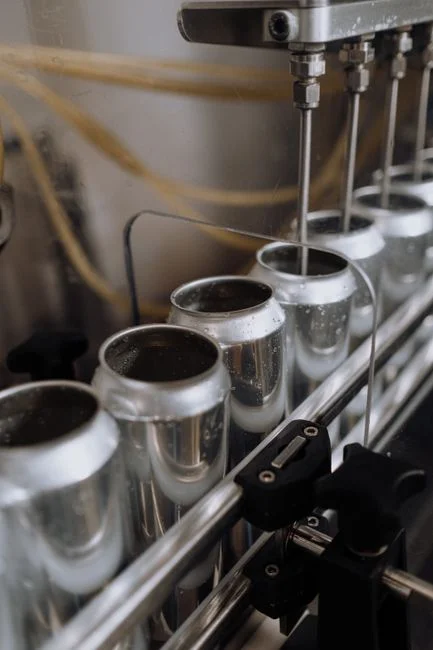
FOG removal belongs immediately upstream of the biological reactor because excessive oil and grease can impair biomass separation and membrane performance. HydropureWater’s 2026 Malaysia guide identifies a process sequence of rotary bar screening at 3–5 mm aperture, grit removal, kitchen FOG pretreatment, equalization, biological treatment, membrane separation and disinfection (HydropureWater, 2026).
The guide states that FOG above 100 mg/L in the biological feed can cause filamentous bulking and rapid membrane fouling (HydropureWater, 2026). A dedicated kitchen stream should therefore be screened and treated before it joins the main wastewater flow. A dissolved air flotation unit for FOG recovery is the relevant option where kitchen loading warrants it.
For DAF, the 2026 guide specifies 5–15 minutes of hydraulic residence, 30–80 m/h surface hydraulic loading and more than 90% FOG removal (HydropureWater, 2026). The equipment supplier should state how those conditions apply to the resort’s actual kitchen flow, grease concentration and operating schedule.
Equalization should provide 8–12 hours of average-flow capacity, according to HydropureWater (2026), allowing the upstream process to absorb monsoon inflow and banquet-service shocks. The headworks must also stop rags and fibres from entering pumps, aerators and membranes. Where rag protection is needed, a rotary mechanical bar screen should be specified with the agreed aperture and duty.
For unattended operation between daily visits, the guide identifies online MLSS, dissolved oxygen and permeate turbidity as minimum instrumentation (HydropureWater, 2026). Alarm, data logging, high-level protection and standby-power arrangements remain necessary project inputs.
| Process step | Design value or function | Failure controlled |
|---|---|---|
| Rotary bar screen | 3–5 mm aperture | Rags, fibres and foreign objects entering downstream equipment |
| Grit removal | Separates sand and food particulate | Pump and diffuser abrasion or blockage |
| Kitchen FOG pretreatment | DAF: 5–15 minute residence; 30–80 m/h surface loading; more than 90% FOG removal | Filamentous bulking and rapid membrane fouling |
| Equalization | 8–12 hours of average flow | Monsoon and operational shock loading |
| Online monitoring | MLSS, dissolved oxygen and permeate turbidity | Loss of biological control or unidentified membrane deterioration |
Compare MBR, WSZ and Constructed Wetlands by Site Reality
MBR is the stronger fit when Standard A compliance, non-potable reuse or a restricted footprint is required; WSZ is most defensible when Standard B sewer discharge is the sole objective and land is available for burial. This is also the selection rule stated by HydropureWater’s 2026 Malaysia guide (HydropureWater, 2026). The regulatory route and reuse decision therefore precede detailed equipment comparison.
An integrated MBR wastewater treatment system combines anoxic and aerobic biological zones with submerged PVDF membranes. The source specifies a nominal pore size of 0.1–0.4 μm, SRT of 20–30 days, MLSS of 8,000–12,000 mg/L, design flux of 15–25 L/m²·h and transmembrane pressure of 10–40 kPa (HydropureWater, 2026). These values must be checked against the supplier’s guaranteed loading and fouling strategy.
Two footprint claims appear in the source material and should not be conflated. HydropureWater’s 2026 Malaysia guide says compact MBR tankage is roughly 40% smaller than equivalent activated sludge. Separate HydropureWater MBR literature states a 60% smaller footprint. For procurement, require the supplier to define the comparison basis and demonstrate the proposed dimensions against the site constraint.
A buried WSZ package sewage treatment plant integrates anoxic and aerobic contact oxidation, sedimentation and disinfection. It is appropriate where the consent route is Standard B, reuse is not required, and excavation and soil conditions permit burial.
Constructed wetlands have been implemented at a Malaysian hotel resort: the published Frangipani Resort case study documents a wetland treatment approach at Langkawi (Jurnal Antarabangsa Alam dan Tamadun Melayu, 2016). However, HydropureWater’s 2026 Malaysia guide advises against constructed wetlands for hotels above 200 rooms because of footprint and monsoon consistency concerns (HydropureWater, 2026). The case study establishes local precedent, not universal suitability for a current approval package.
| Selection factor | MBR | Buried WSZ | Constructed wetland |
|---|---|---|---|
| Applicable discharge route | Standard A or reuse; may also be specified for Standard B where required | Standard B sewer discharge | Requires confirmation against the consent route and site conditions |
| Reuse suitability | Provides the base treatment for non-potable polishing | Not the source’s preferred solution where reuse is required | Does not provide the permeate quality identified by the source for reuse credits |
| Land requirement | Compact installation; footprint claims must be defined in the proposal | Requires land or excavation suitable for burial | The 2026 Malaysia guide advises against hotels above 200 rooms because of footprint |
| Source-reported footprint comparison | Roughly 40% smaller tankage than equivalent activated sludge in the 2026 Malaysia guide; separate literature states 60% | Buried configuration preserves surface space but depends on excavation conditions | The guide cites greater land demand and inconsistent monsoon performance |
| Principal operating focus | Protected biological treatment, membrane separation and tight footprint | Integrated contact oxidation, sedimentation and disinfection | Land-dependent, low-intensity treatment |
Calculate Capacity from Guest Demand and Operating Peaks
Start with guest demand, then add facility-specific flows and verify the result with monitored data. The preliminary formula is:
Rooms × occupancy × litres per guest-day, plus restaurant, laundry, pool, staff and other facility allowances.
The worked example in HydropureWater’s 2026 sizing material uses 100 rooms, occupancy of 1.8 and 200 L/guest-day. This produces 36 m³/day before allowances. Adding 15% for the restaurant and 10% for laundry gives approximately 45 m³/day. Applying the source’s 1.5 peak factor gives a peak of approximately 70 m³/day (HydropureWater, 2026).
The same example calculates the BOD load as 45 m³ multiplied by 250 mg/L, producing 11.25 kg BOD/day (HydropureWater, 2026). This calculation shows why average flow alone is insufficient: a plant can satisfy daily volume while still failing during concentrated breakfast, banquet, laundry or storm peaks.
The 1.5 operating peak and the separately reported 2.0–2.5 monsoon trigger should not be treated as interchangeable. The first reflects the worked operational calculation; the second is a broader hydraulic design trigger that must be checked against site drainage and operating records (HydropureWater, 2026).
Use the hotel wastewater technology comparison only as a secondary reference. Final WSZ or MBR capacity must be checked against the manufacturer’s hydraulic and organic-loading curves and the consent conditions; neither platform can be selected from guest-day arithmetic alone.
| RFQ or design field | Information the project team must provide |
|---|---|
| Average and peak flow | Measured or verified average flow, operating peak and monsoon peak |
| Organic load | BOD, COD, SS, ammonia, FOG and surfactant results |
| Footprint | Available area, excavation depth, basement constraints and access route |
| Discharge class | Standard A, Standard B and any reuse-related conditions |
| Reuse demand | Toilet flushing, irrigation, cooling-tower make-up and housekeeping demand |
| Operator input | Staffing, maintenance access, monitoring, sludge handling and emergency response |
Decide Whether Water Reuse Justifies MBR Investment
Reuse should be evaluated as a quantified demand and operating requirement, not assumed from the phrase “sustainable resort.” HydropureWater’s 2026 Malaysia guide identifies four realistic non-potable applications: toilet flushing, landscape irrigation, cooling-tower make-up, and car-wash or housekeeping uses (HydropureWater, 2026). Each has different demand patterns, water-quality sensitivities and distribution requirements.
For a 150-villa Langkawi example at 250 L/guest-day, toilet flushing and irrigation can displace approximately 180 L/guest-day. The source states a 4–6-year payback on the reuse capex premium at 70% occupancy (HydropureWater, 2026). This is an example business case, not a quotation for the proposed property; the buyer should replace its occupancy, water tariff, reuse demand, capital cost and operating-cost inputs.
Under the SPAN reuse guidelines cited by the source, unrestricted reuse targets are turbidity below 2 NTU, BOD below 5 mg/L and E. coli below 1 CFU/100 mL (HydropureWater, 2026). The proposed polishing train is multi-media filtration, UV disinfection at 40 mJ/cm² and residual maintenance with chlorine dioxide. A multi-media filtration component, UV disinfection unit and chlorine dioxide generator should therefore be priced as an integrated reuse system rather than optional accessories.
Direct potable reuse is not permitted in Malaysia as of 2026, according to HydropureWater (2026). The source identifies indirect potable reuse through an environmental buffer as the highest reuse tier. Any owner’s business case must therefore include the precise reuse demand, irrigation salinity implications, public-health approval, storage, distribution, monitoring and maintenance costs.
| Reuse decision input | Evidence or information required |
|---|---|
| Water offset | Guest-day demand and the source example of approximately 180 L/guest-day for toilet flushing and irrigation at a 150-villa Langkawi property (HydropureWater, 2026) |
| Capital assessment | Quoted MBR and polishing costs compared with the base drainage solution |
| Payback | Use the source’s 4–6-year example only as a benchmark, then replace it with site occupancy, tariff, demand and operating costs |
| Reuse quality | Below 2 NTU turbidity, below 5 mg/L BOD and below 1 CFU/100 mL E. coli under the source’s cited SPAN guidelines |
| Health and distribution | Approval route, storage, residual control, cross-connection prevention and monitoring |
Prepare the IWK and DOE Approval Package
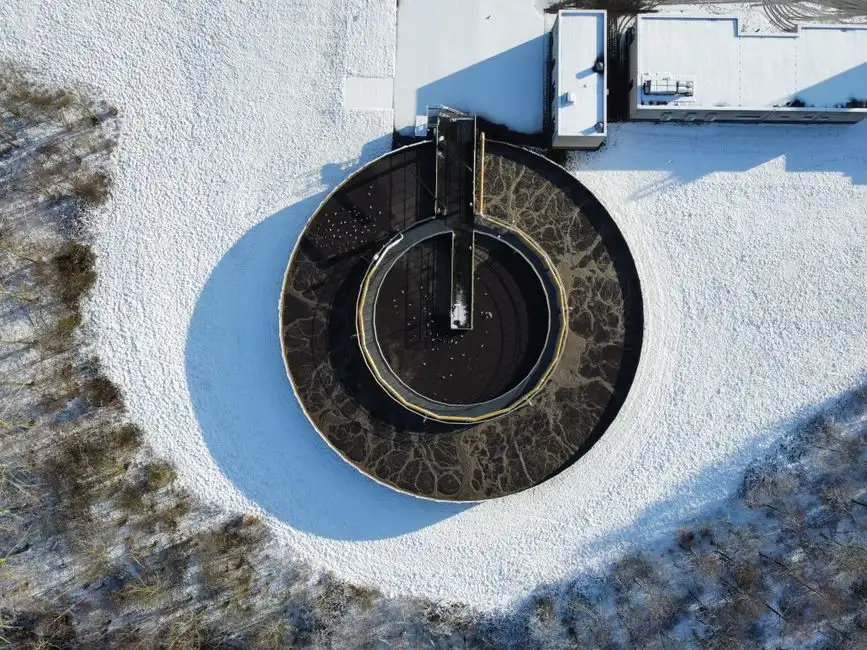
Approval work should begin before the treatment supplier is appointed, because sewer availability, receiving-water exposure and reuse intentions affect process selection. The sequence starts with a site survey covering sewer availability, receiving-water exposure, flood level, usable footprint, power supply and maintenance access.
- Confirm the intended discharge route and whether non-potable reuse is part of the project scope.
- Carry out representative wastewater sampling and flow monitoring, including occupied-operation periods.
- Prepare the process narrative, general arrangement, flow calculations, influent and effluent parameters, pretreatment, disinfection and O&M information.
- Submit the applicable IWK, DOE or SPAN application with the current authority forms and supporting documents.
- Build commissioning, operator training, monitoring, sludge handling and contingency arrangements into the contract before approval.
The IWK submission identified by HydropureWater includes plant design drawings, influent and effluent parameters, and flow calculations (HydropureWater, 2026). The approval package should also show how the plant remains operable during breakdowns and monsoon operation. Sludge removal is part of the operating scope; where mechanical dewatering is required, a plate-frame filter press can be evaluated against the expected sludge volume and disposal route.
Permit requirements and final equipment values must be verified with DOE, IWK, SPAN and the appointed Malaysian consultant. A supplier’s process guarantee should use the consent conditions as its acceptance basis.
| Submission component | Minimum project information |
|---|---|
| Site and route | Sewer availability, receiving water, flood level, footprint, power and access |
| Design basis | Average flow, peak flow, flow calculations, influent analysis and effluent parameters |
| Process scope | Headworks, FOG treatment, equalization, biological treatment, membranes, disinfection, controls and sludge handling |
| Operations | O&M plan, operator training, monitoring, commissioning tests and breakdown contingency |
Ask Equipment Suppliers Questions That Prevent a Mismatch
A comparable RFQ should fix the site duty and consent route before asking for a price. Otherwise, quotations may use different average-flow assumptions, omit pretreatment or price a plant that cannot meet the intended discharge route.
Require each supplier to state the governing discharge standard and the guaranteed average flow, peak flow and pollutant-removal duty. Confirm whether the offer includes headworks, FOG treatment, equalization, biological treatment, membranes or clarification, disinfection, controls, sludge handling, commissioning and operator training.
For an MBR proposal, request membrane flux, SRT, MLSS, aeration capacity, power consumption, cleaning frequency, chemical demand and replacement-cost assumptions. For WSZ, request buried-unit dimensions, soil and groundwater assumptions, excavation requirements, access arrangement, odour control, loading capacity and automation details.
Every offer should include acceptance tests, monitoring provisions, spare-parts availability, local service capability and a clearly defined performance guarantee. Compare the complete compliant scope rather than the tank price. If reuse is part of the project, require the polishing and disinfection sequence to be priced and warranted as part of the same offer.
| Supplier response required | Evidence to request |
|---|---|
| Design duty | Guaranteed flow, peak-flow method, loading basis and applicable consent limits |
| Process completeness | Itemized scope covering pretreatment, treatment, disinfection, controls and sludge handling |
| MBR performance | Flux, SRT, MLSS, aeration, power, cleaning and membrane replacement assumptions |
| WSZ installation | Dimensions, soil and groundwater basis, access, odour control and automation |
| Commercial assurance | Acceptance test, guarantee, local service, spares, commissioning and operator training |
Frequently Asked Questions
What is the best wastewater treatment system for a hotel resort in Malaysia?
The best system is the one that matches the discharge route and site constraints: MBR for Standard A direct discharge or reuse, and a buried WSZ where Standard B sewer discharge is the sole objective and burial land is available. This is the selection rule stated in HydropureWater’s 2026 Malaysia guide (HydropureWater, 2026). Final selection must also account for footprint, peak loading, operator availability and consent conditions.
How much wastewater does a Malaysian hotel generate per day?
HydropureWater’s 2026 Malaysia guide gives a preliminary range of 200–300 L per guest-day (HydropureWater, 2026). The calculation must be adjusted for occupancy, restaurant service, laundry, pool backwash, staff facilities and other water uses. The worked example of 100 rooms, occupancy of 1.8 and 200 L/guest-day gives 36 m³/day before restaurant and laundry allowances, and approximately 45 m³/day after the stated allowances.
Should a Malaysian resort choose MBR or a buried WSZ package plant?
Choose MBR when the project needs Standard A compliance, non-potable reuse or a constrained footprint. Choose WSZ when sewer discharge under Standard B is the only objective and the site can accommodate burial. Before ordering either system, require the supplier to confirm hydraulic and organic-loading curves against the verified site profile, final consent conditions, soil conditions where relevant, and the available maintenance access.
What should a hotel wastewater treatment supplier include in a quotation?
The quotation should define the discharge standard, guaranteed average and peak flow, pretreatment, treatment, disinfection, controls, sludge handling, commissioning, operator training, monitoring and local service. Request itemized exclusions, guaranteed performance criteria, membrane or buried-unit operating assumptions, spare-parts availability and acceptance tests. Compare complete compliant scopes; do not select on the quoted tank price alone.
Can treated hotel wastewater be reused in Malaysia for toilet flushing and irrigation?
Yes, as non-potable reuse, provided the treatment and polishing system meets the applicable requirements and receives the necessary approvals. HydropureWater’s 2026 guide cites unrestricted-reuse targets below 2 NTU turbidity, below 5 mg/L BOD and below 1 CFU/100 mL E. coli, with filtration, UV disinfection and residual maintenance (HydropureWater, 2026). Direct potable reuse is not permitted in Malaysia as of 2026; confirm the current SPAN and public-health route with the appointed consultant.
Related Equipment
- integrated MBR wastewater treatment system — specifications, capacity range, and technical data