How to Choose Between DAF and a Clarifier for Mining Wastewater
For mining and metals wastewater in Fulton, choose DAF when the target contaminants are floatable or can be made flocculable, including FOG, oils, colloids, and conditioned metal-bearing solids. Choose a conventional or lamella clarifier when heavy, readily settleable solids dominate. Mixed streams may justify pretreatment or a sequence of units, but only after application-specific testing. The 2026 choice should be based on stream-by-stream flow, peak and batch events, TSS and particle behavior, total and dissolved metals, pH, chemical-conditioning needs, and the downstream sludge route—not on average flow, equipment category, or generic removal percentages.
Dissolved air flotation is a flotation process: pressurized dissolved air forms microbubbles that attach to suspended or conditioned particles, producing a float that is skimmed. Heavier settled material is withdrawn separately. Gravity sedimentation depends on particles settling under gravity; a lamella plate clarifier adds inclined plates, sludge recirculation, and flocculation within a compact tank.
The practical screening rule is therefore contaminant behavior, not the product label. Favor DAF for oils, FOG, colloidal matter, and flocculable metal-bearing solids. Favor gravity or lamella clarification for heavy solids that settle readily. Test mixed streams before proposing pretreatment or a combined arrangement. A “dissolved air flotation clarifier” remains a flotation system, so procurement documents should identify the separation mechanism rather than compare labels. See the industrial DAF system and lamella clarifier as equipment references, not preselected answers.
Build the Fulton Wastewater Characterization Before Comparing Equipment
A representative characterization program—not one averaged sample—is the minimum basis for selecting mining wastewater equipment. The HydropureWater 2026 factory guide calls for flow, suspended solids, oils and greases, pH, metals, and variability across process, contact, and stormwater inflows. For Fulton, that means separating each source before drawing one design flow.
Document peak flow, batch discharges, washdown events, stormwater contribution, and the percentage from each source. These facts determine whether industrial wastewater equalization is needed, where hydrocyclone pretreatment or screening belongs, and whether chemical demand can be controlled during transient loads. The guide also identifies TSS, particle-size distribution, settleability, solids density where available, grab samples, free-oil observations, and emulsion characteristics as decision inputs.
Request total and dissolved metals, pH range, alkalinity, and chemistry variability. This distinction prevents dissolved metal from being counted as though it were attached to settleable or floatable solids. Metals do not alone determine the separator: DAF capture depends on conditioning the metal-bearing material into floc that can be separated.
Include the downstream sludge route in the characterization scope. Record expected sludge volume, moisture content, storage time, dewatering method, and disposal route. A technically attractive separator can lose its advantage if its float or settled sludge does not fit the plant’s handling system.
| Characterization item | Why it changes the procurement decision |
|---|---|
| Source-by-source flow and discharge profile | Separates steady flow from batch and peak duty; establishes equalization and separator loading. |
| TSS, particle size, settleability, and density | Identifies whether the load is floatable, flocculable, or readily settleable. |
| Total and dissolved metals, pH, alkalinity, and oils | Defines the contaminant fraction and conditioning requirements. |
| Sludge quantity, moisture, storage, and disposal | Connects equipment selection to dewatering and downstream operating costs. |
The chemical program should be specified early. Require the bid to identify the proposed PLC-controlled chemical dosing system, feed points, control inputs, and expected operating range.
Match the Wastewater Fraction to the Separation Mechanism
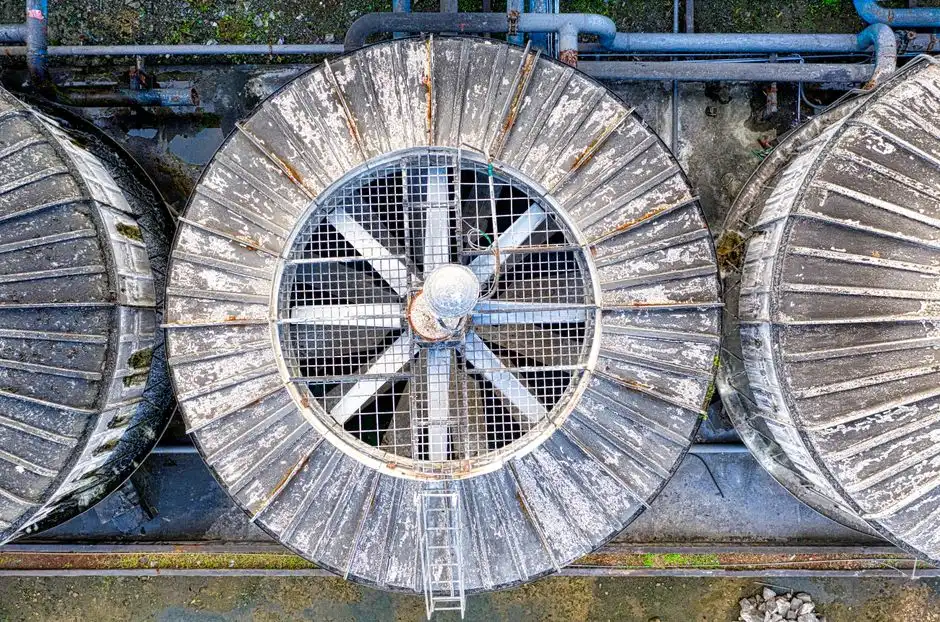
Use DAF when suspended solids, FOG, oils, colloidal matter, or conditioned metal-bearing solids must be floated. The HydropureWater 2026 factory guide states that coagulation and flocculation increase particle size and the solids’ ability to contact microbubbles, so flotation performance depends strongly on effective conditioning rather than on the tank alone.
Use conventional or lamella clarification when heavy solids dominate. Flocculation may assist settling, but its dosing objective differs from flotation conditioning. A lamella unit uses inclined plates to improve separation in a compact structure, with sludge recirculation and flocculation integrated into the process. The equipment should therefore be matched to the fraction that must leave the water, not merely to the tank category.
Treat sand, gravel, and other high-density material as a pretreatment issue where necessary. The 2026 guide identifies hydrocyclones as an option for high-density solids and mechanical screens as protection for downstream equipment. A mechanical bar screen may be relevant when gross solids require removal before equalization or separation.
Mixed streams require application-specific testing. Do not install DAF followed by a clarifier automatically. The guide states that this sequence is rarely necessary and generally discouraged because it adds redundant footprint and capital cost; it is justified only where the wastewater contains distinct floatable and heavy settleable fractions and specialized polishing is required. If a stream contains substantial sand and significant FOG, pretreatment may be more informative than forcing all removal into one unit.
| Observed fraction | Primary screening direction | Required evidence |
|---|---|---|
| Floatable oils, FOG, colloids, or flocculable metal-bearing solids | Screen DAF with coagulation and flocculation | Floatability, emulsion behavior, chemical response, and pilot separation results. |
| Heavy, readily settleable solids | Screen gravity or lamella clarification | Settleability, solids density, sludge yield, and collection performance. |
| High-density grit plus floatable material | Screen pretreatment followed by the relevant separator | Source-by-stream solids profile and pilot evidence for each stage. |
| Dissolved metals without particulate carrier | Do not select a separator from the dissolved-metal result alone | pH, alkalinity, precipitation or conditioning chemistry, and soluble-metal analysis. |
Check Hydraulic Duty, Conditioning, and Peak Events
Require every proposal to use the same peak flow and peak mass-loading basis for both candidate technologies. The HydropureWater 2026 factory guide identifies a DAF hydraulic-loading reference of 2–6 gpm/ft², but the selected configuration and wastewater must verify its applicability. The guide also reports an air-to-solids ratio of 0.01–0.05 ml of air per mg of solids; that is a published design reference, not a universal Fulton operating value.
Specify the coagulant and flocculant duty as part of the process. The dosing system should be integrated with pH, flow, level, and equipment controls, with chemical consumption and storage included in the operating comparison. A PLC-controlled chemical dosing system is a process component because the conditioning program changes the target fraction and flotation response.
Use industrial wastewater equalization where surges would otherwise push the separator outside its design window. The guide describes equalization upstream of DAF to dampen flow fluctuations, and it identifies variable-flow DAF operation with VFDs on recycle and influent pumps. Check those controls against the actual flow record rather than accepting them as standard features.
Review peak skimming and sludge-withdrawal duty separately from clear-water hydraulic capacity. During batch discharges or high-solids events, the unit must remain within its design window without solids carryover, float accumulation, or excessive sludge inventory. Ask each vendor to show how its proposed configuration handles the maximum observed event and the operating range between events.
| Design check | Evidence to require | Reason |
|---|---|---|
| Peak hydraulic duty | Source-level flow record, peak flow, and equalization volume | Prevents sizing from average flow alone. |
| Peak mass loading | Solids concentration correlated with discharge timing | Tests skimming and sludge handling during transient loads. |
| Conditioning | Named chemicals, dose range, mixing sequence, and control logic | Establishes whether the target fraction will attach to bubbles or settle. |
| Published design references | Vendor calculation for hydraulic loading and air-to-solids ratio | Checks the proposed configuration against the stated basis. |
Compare Equipment, Footprint, Operations, and Sludge Handling
Compare the complete treatment train, not the separator quotation alone. The HydropureWater catalog lists 13 DAF models from 4–300 m³/h, with microbubble flotation and automatic skimming for suspended solids, FOG, oil and grease, and colloidal matter. The same catalog lists 20–40 m/h surface loading for its lamella clarifier and states that integrated flocculation and sludge recirculation can reduce chemical consumption by up to 30%; the applicability of those figures to Fulton wastewater must be verified.
The mined guide gives illustrative capital ranges of $80,000–$350,000 for DAF and $50,000–$200,000 for conventional circular clarifiers. It also states that concrete-basin civil work can raise total project costs by 30%–50% relative to modular DAF systems. These are screening figures from the guide, not a Fulton quotation. Require site-specific pricing that separates equipment, foundations or civil work, pretreatment, equalization, controls, installation, and commissioning.
The guide reports DAF power use of 0.5–1.5 kWh/m³. A normalized comparison should also include compressor and recycle-pump demand, chemical consumption, labor, maintenance, utilities, and sludge disposal. Do not infer that one process has lower total cost from power use, purchase price, or footprint alone.
Sludge handling changes the result. The guide describes DAF float as skimmed and sent to dewatering, while lamella clarification uses sludge recirculation. Include collection, storage, moisture-content expectations, dewatering frequency, disposal route, and compatibility with a plate-and-frame sludge filter press. The selected route must be visible in the process flow and ownership boundary.
Generic removal comparisons are weak procurement evidence. Ecologix Systems gives examples of 95% oil-and-grease removal for a food-processing stream using DAF versus 70% for a clarifier, and 90% solids reduction for a heavy-sediment mining stream using a clarifier. Those cases depend on their cited influent and equipment context; they do not establish performance for Fulton wastewater.
| Comparison item | DAF | Gravity or lamella clarifier |
|---|---|---|
| Separation mechanism | Microbubble attachment and surface skimming | Gravity settling; lamella units add inclined plates |
| Preferred contaminant behavior | Floatable or flocculable material | Heavy, readily settleable solids |
| Catalog basis | 13 models listed from 4–300 m³/h | 20–40 m/h surface loading listed |
| Published energy reference | 0.5–1.5 kWh/m³ in the mined guide | Power assumptions must be obtained in the bid |
| Sludge route | Skimmed float normally proceeds to dewatering | Sludge collection and recirculation |
| Required commercial comparison | Same wastewater, peak profile, chemistry, sludge route, utilities, labor, maintenance, and disposal basis | |
Specify Materials, Controls, and a Repeatable Vendor Test Plan
Require each proposal to identify the tank, treatment area, solids-handling arrangement, recycle system, material selection, chemical dose, control philosophy, and performance basis. Clearwater’s April 27, 2026 material, as summarized in the HydropureWater 2026 guide, lists 304SS as standard for its DAF systems, with 316SS, polypropylene, and other materials available. Select materials against actual chemistry and temperature rather than accepting a generic material list.
Obtain a controls and instrumentation schedule covering chemical dosing, pH instrumentation, level control, skimmer or sludge withdrawal, monitoring, alarms, and data logging. Require the pretreatment, equalization, sludge-removal, dewatering, utilities, maintenance, spare parts, installation inputs, and manufacturer service boundaries to be explicit in the bid.
Ask whether DAF and gravity clarification were evaluated using the same wastewater, chemical assumptions, hydraulic profile, and performance criteria. If only one process was considered, require the supplier to show the screening logic rather than product preference. Site-specific test results should identify the wastewater, chemical doses, flow, temperature, test method, sampling point, and acceptance criterion.
For Fulton, compliance remains permit-specific. Do not accept a statement that equipment “meets all limits.” The supplier should demonstrate relevant performance against the plant’s current permit and any applicable pretreatment requirements, but the supplied research does not establish local Fulton limits. Obtain the current permit, applicable sewer requirements, and the proposed acceptance basis before evaluating compliance risk.
| Bid item | Required deliverable | Acceptance basis |
|---|---|---|
| Process selection | DAF and gravity screening on one normalized basis | Same wastewater, chemistry, peak profile, and sludge route. |
| Materials and controls | Corrosion rationale and full instrumentation schedule | Selected for measured chemistry and temperature. |
| Performance evidence | Site test or comparable reference | Documented method, sampling point, conditions, and criterion. |
| Total scope | Pretreatment through sludge disposal | Clear ownership, utilities, maintenance, spares, installation, and service boundaries. |
The 2026 regional mining and metals DAF-versus-clarifier guide can support the comparison workflow, but its regional examples should not be treated as verified Fulton rules.
Frequently Asked Questions
What flow and solids data should a Fulton buyer provide before requesting a DAF or clarifier price?
Provide the source-level flow record, peak and batch-discharge profile, TSS results, particle-size and settleability data, total and dissolved metals, oils and greases, pH, alkalinity, and the expected sludge route. Ask each vendor to price the separator, equalization, pretreatment, chemical dosing, controls, utilities, dewatering interface, installation, and service scope separately. The mined guide gives illustrative DAF and clarifier capital ranges, but those figures are not a site quotation.
How should a buyer select a supplier that can demonstrate a defensible DAF-versus-clarifier decision?
Require the supplier to show the screening logic and compare both mechanisms against the same measured wastewater, peak hydraulic profile, chemical assumptions, and acceptance criteria. Ask for site-specific test results or comparable references with the test method, sampling point, flow, temperature, chemical doses, and performance criterion stated. Also request the full controls and instrumentation schedule and clear responsibility for pretreatment and sludge handling.
Can a DAF be followed by a clarifier for mixed mining wastewater?
Only where distinct contaminant fractions justify separate mechanisms, such as floatable oils or low-density fines alongside heavy grit or precipitates. The HydropureWater 2026 factory guide says serial DAF-and-clarifier arrangements are rarely necessary and generally discouraged because of redundant footprint and capital cost. Require a source-specific solids characterization and pilot evidence before including both units.
What should be checked before treating a proposed unit as compliant?
Obtain the plant’s current permit and any applicable pretreatment requirements, then map each requirement to a defined test method, sampling point, and acceptance criterion. A generic removal percentage or statement that the equipment “meets all limits” is insufficient. The supplied research does not establish Fulton-specific discharge limits, so the buyer must confirm those requirements rather than rely on regional or generic claims.