The best wastewater approach depends on four project variables
A Manila hotel or resort generally needs an automated biological sewage treatment system sized around its peak daily wastewater flow and local discharge conditions. An underground A/O package plant is a practical default for sites without sewer access; MBR is preferable when a compact installation or high-quality effluent for reuse is important. Hotels with significant kitchen, laundry or grease-producing operations may also need pretreatment. In 2026, the final choice should be validated against a wastewater audit, sewer or receiving-water requirements, and an Environmental and Social Assessment where the project involves expansion or development.
Four inputs determine the appropriate architecture: average and peak wastewater flow, wastewater composition, the legal discharge or reuse route, and available installation and maintenance space. If a sewer connection is technically and financially feasible, confirm its capacity, connection requirements, ownership and operating conditions before selecting decentralized equipment. If there is no suitable connection, compare a packaged biological system with an MBR membrane bioreactor.
Do not combine every hotel stream into one treatment balance without analysis. Domestic sewage requires biological treatment. Kitchen wastewater needs grease and solids control; laundry effluent can differ from domestic sewage; pool discharges, cooling water and other process streams may require segregation, separate treatment or authorization to discharge through another route. The review of domestic sewage treatment options in Makati is a useful local starting point, but it does not replace site-specific verification.
A packaged A/O plant is the baseline option where the hotel needs biological treatment, clarification and disinfection in a below-grade installation. MBR becomes more relevant when footprint is constrained or the project explicitly requires membrane filtration as part of reuse treatment. Odor and reliability are procurement issues, not reasons to select one process before flows and effluent obligations are established. A Tripadvisor complaint about a Metro Manila resort smelling of sewage illustrates the guest-facing consequence of an inadequate or poorly operated system. The Endocrine Society congress result has no wastewater relevance and should not guide this decision.
Build the wastewater loading profile before selecting equipment
Equipment selection should begin with a measured wastewater loading profile, not a catalogue capacity. Ask the operator for occupied-room demand, average daily occupancy, forecast peak occupancy, event and banquet use, and operating hours for the kitchen, laundry, spa and swimming facilities. A full-occupancy forecast is more relevant than annual room statistics because treatment equipment must handle simultaneous wastewater production and concentrated operating periods.
Request defensible flow data covering average daily flow, peak-hour flow, seasonal occupancy, weekend events and holiday surges. The record should state the measurement period and confidence level. Where continuous metering is unavailable, identify the estimation method and reconcile occupancy records with meter readings. Do not convert an annual wastewater volume directly into equipment size without checking the hourly profile.
Characterize the wastewater using representative samples rather than assumed domestic-sewage values. The sampling program should address BOD, COD, TSS, fats, oils and grease, pH and temperature, while recording cleaning-chemical use in laundry, kitchen and housekeeping areas. These characteristics affect pretreatment requirements, biological loading, membrane performance and sludge production. The domestic sewage COD removal equipment guide provides additional technical context, but it does not establish the influent values for a specific property.
| Input | Evidence required | Why it affects selection |
|---|---|---|
| Hydraulic load | Average daily flow, peak-hour flow, seasonal and event peaks, plus the measurement period | Sets the hydraulic design flow and treatment capacity |
| Wastewater quality | Representative BOD, COD, TSS, FOG, pH and temperature results | Determines pretreatment, biological loading and whether MBR is justified |
| Collection system | Discharge points, grease traps, septic tanks, lift pumps and piping routes | Identifies blockages, pumping constraints and treatment interfaces |
| Site and operations | Land area, burial depth, access route, power supply and flood exposure | Controls installation, maintenance, resilience and emergency response |
Map every discharge point and inspect existing grease-trap arrangements, septic-tank condition, lift-pump locations, available land, burial depth, vehicle access, power supply and flood exposure. The WSZ package plant has a supplied rated range of 1–80 m³/h, but that range is not a sizing calculation. Convert the measured peak flow into an hourly design basis, state the required contingency, and demonstrate that the selected configuration handles that duty.
Match the treatment train to the wastewater and reuse objectives
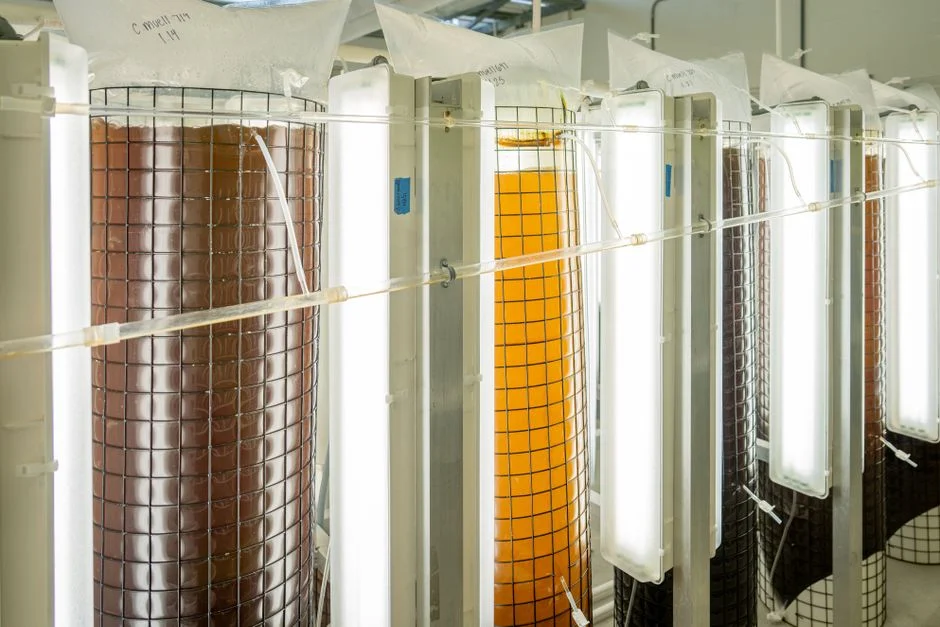
A defensible hotel treatment train starts with source control, then moves through pretreatment, biological treatment, clarification, disinfection and sludge management. Keep stormwater, clean water and separable high-strength streams outside the sewage balance where practical. Screen for rags, plastics and fibrous debris before pumping and biological treatment, particularly where laundry effluent enters the collection system.
The GX rotary mechanical bar screen is a headworks option for continuous-duty fine screening. Its suitability depends on the observed debris type, screen aperture and hydraulic arrangement; screening alone does not remove dissolved or emulsified grease. For wastewater characteristics that justify oil and grease recovery, the DAF machine has a supplied capacity range of 4–300 m³/h and is described as removing suspended solids, FOG, oil and grease, and colloidal matter. Site testing must confirm whether those claims are relevant to the hotel’s actual wastewater and loading pattern.
For a conventional decentralized route, the underground A/O package sewage treatment plant combines anoxic and aerobic biological contact oxidation, sedimentation and disinfection in a single buried package. The supplied product data describes automated operation and says no operator is required. That is equipment information, not a complete performance guarantee; site-specific control, maintenance and effluent obligations still apply.
An MBR train uses activated sludge followed by submerged PVDF membrane filtration. The supplied MBR data specifies filtration below 1 μm and a capacity range of 10–2,000 m³/day. It is therefore a candidate for projects where compact treatment and fine filtration support the reuse objective, but those objectives must be defined before procurement. Disinfection should then follow the chosen reuse or discharge route rather than being added as an assumed requirement.
| Process step | Function | Selection evidence required |
|---|---|---|
| Source segregation and screening | Exclude clean water and protect downstream equipment from debris | Discharge inventory, debris audit and hydraulic profile |
| Grease, oil and solids control | Remove material that can interfere with biological treatment | FOG and solids sampling, trap inspection and flow characteristics |
| Biological treatment | Reduce biodegradable organic matter | Measured BOD and COD, hydraulic duty and treatment objective |
| Clarification or membrane filtration | Separate biomass or provide fine solids separation | Required effluent quality, footprint and operating-resource comparison |
| Disinfection | Control pathogens for the intended discharge or reuse route | Regulatory route and reuse specification |
| Sludge capture and dewatering | Remove and prepare residuals for handling | Expected sludge characteristics, storage, removal route and access |
Sludge handling belongs in the concept design. A plate-frame filter press may be relevant where dewatering is required, but suitability depends on sludge type, expected yield, operating cycle and disposal arrangements. Do not defer sludge storage, removal access or dewatering until after the biological system has been ordered.
Compare package biological treatment with MBR
Package biological treatment and MBR solve different project priorities. The WSZ plant combines biological contact oxidation, sedimentation and disinfection in one buried package, with a supplied capacity range of 1–80 m³/h. This makes it a practical candidate for a typical hotel requiring decentralized biological treatment and a limited number of treatment stages.
The supplied MBR information specifies activated sludge followed by submerged PVDF membrane filtration below 1 μm, a capacity range of 10–2,000 m³/day, and a footprint 60% smaller than conventional systems. These are catalog attributes for the stated comparison, not a Manila site outcome. No supplied data establishes a guaranteed MBR effluent value, reuse percentage, service life, footprint in square metres or project cost.
| Procurement issue | WSZ package plant | MBR |
|---|---|---|
| Process configuration | Anoxic/aerobic contact oxidation, sedimentation and disinfection in one buried package | Activated sludge followed by submerged PVDF membrane filtration |
| Supplied capacity basis | 1–80 m³/h | 10–2,000 m³/day |
| Filtration claim | Not stated in the supplied research | Filtration below 1 μm |
| Footprint | Buried package; site footprint not supplied | Catalog states 60% smaller than conventional systems; site footprint not supplied |
| Principal decision | Single-package biological treatment for a decentralized application | Fine filtration and compact installation where the project objective supports them |
| Still required from supplier | Hydraulic and organic loading calculations, controls, utilities, civil works and acceptance criteria | Hydraulic and organic loading calculations, membrane area and flux, redundancy, cleaning, backwash and acceptance criteria |
For either option, require quotations to state the hydraulic design flow, organic loading, membrane area and flux where applicable, redundancy, backwash or cleaning provisions, sludge yield, installation conditions, warranty and local service scope. For MBR, ask how membrane replacement, membrane cleaning and downtime affect the operating plan. For the package plant, verify access to the buried process components and the proposed sludge-removal route.
The Wellington hotel wastewater-system framework and Christchurch hotel wastewater-treatment framework illustrate the same engineering sequence: establish the treatment objective, calculate the duty and verify local obligations. Their site-specific regulatory details should not be transferred to Manila.
Plan for Manila site conditions, environmental review and long-term operations
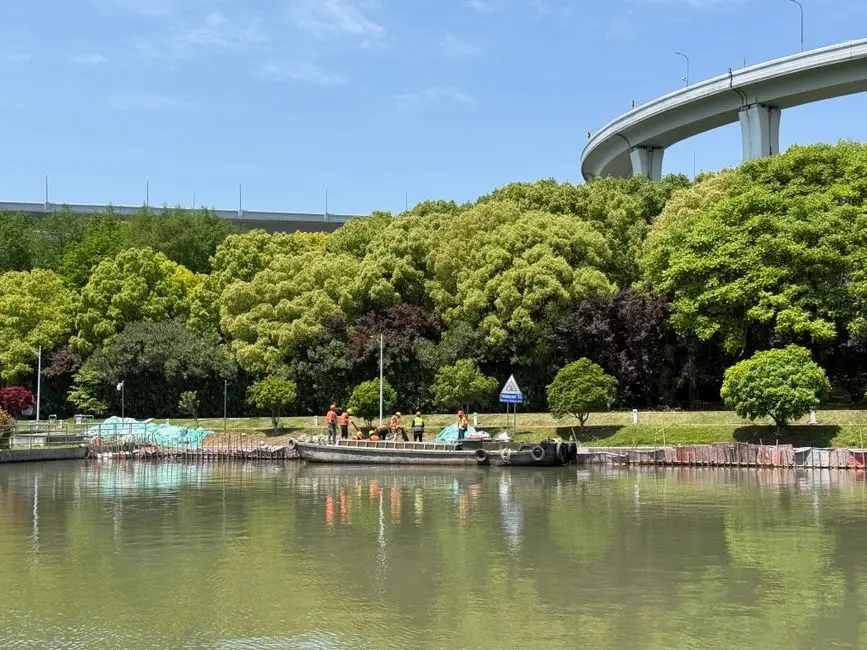
The responsible local authority must confirm the sewer connection requirements, receiving-water constraints and any hotel, environmental or wastewater operating conditions during site-specific design. The supplied research does not provide a current numerical Manila effluent limit, so do not select equipment from a remembered standard or an unverified summary. The project design basis should cite the applicable requirement, responsible authority and approval conditions.
The OpenAlex technical note, Environmental and Social Analysis: Small Hotels and Resorts, describes basic Bank requirements for the Environmental and Social Analysis of small hotel and resort expansions or developments. It is introductory guidance for borrowers and does not provide complete design requirements for a wastewater plant. An Environmental and Social Assessment should be scoped where the project involves expansion or development, with wastewater capacity, land, drainage, receiving-water effects and operational risks addressed in the applicable workstream.
Assess power availability, backup power, flood and groundwater exposure, corrosion protection, odor control, noise, access for sludge removal and access to replacement parts. The hotel wastewater system comparison can support general procurement questions, but its jurisdiction-specific requirements should not be applied to Manila.
The operating plan should cover influent sampling, media or membrane maintenance, sludge removal, laboratory testing, operator training, spare parts and performance verification. Use product claims only for initial screening. Acceptance criteria, guarantees and operating obligations should follow site-specific design, confirmed influent characteristics and the approved discharge or reuse route.
Questions to ask before ordering a Manila wastewater system
Require suppliers to quote from measured peak flow and confirmed wastewater characteristics, with the design basis stated in the proposal. A catalogue range does not demonstrate that an equipment configuration meets the property’s hydraulic, biological or reuse requirements. If the project lacks reliable flow or wastewater data, the correct procurement step is an audit and sampling program, not a nominal capacity selection.
Request a process flow diagram, hydraulic calculation, biological loading calculation, equipment list, utilities demand, controls narrative, commissioning plan and O&M manual. Use the wastewater plant operating cost breakdown as a checklist for operating-resource questions, not as a Manila price estimate.
| Document or evidence | Question it must answer |
|---|---|
| Design basis | What measured flow, wastewater quality, contingency and discharge or reuse objective were used? |
| Process flow diagram | Where does screening, pretreatment, biological treatment, clarification, disinfection and sludge handling occur? |
| Calculations | Does the proposed system have hydraulic and organic loading capacity for the actual duty? |
| Scope boundary | Are screening, reuse equipment, civil works, installation, training and commissioning included? |
| Performance evidence | Has the supplier demonstrated the exact duty and agreed acceptance criteria? |
| Operating plan | What consumables, sludge handling, maintenance access, spares and local support are required? |
Compare offers on whole-life implications: operator attendance, chemical or membrane consumption, sludge handling, maintenance access, spare-parts availability and local technical support. Request evidence of delivered capacity and performance for the exact duty rather than relying only on a catalogue range. The plate-frame filter press should be evaluated only if sludge dewatering falls within the project scope and its operating requirements match the expected residuals.
Frequently Asked Questions
What wastewater treatment system does a hotel or resort in Manila, Philippines need in 2026?
The usually appropriate starting point is an automated biological treatment system based on measured peak flow and confirmed wastewater characteristics. An underground A/O package is suitable where decentralized treatment, limited above-ground equipment and biological treatment, sedimentation and disinfection in one unit are priorities. Select MBR instead when compact installation or membrane filtration below 1 μm supports a defined reuse objective. Add pretreatment where screening, grease or solids control is required.
How do you size a wastewater treatment system for a Manila hotel?
Size it from the measured peak-hour duty, supported by average daily flow, seasonal occupancy, event surges and wastewater quality—not from occupied rooms alone. The supplier should show the hourly design flow, contingency, hydraulic loading and biological loading calculation. The WSZ package range of 1–80 m³/h and MBR range of 10–2,000 m³/day are catalog limits, not automatic selections. Check whether the measured peak converts to an hourly duty and whether the proposed configuration covers it.
Should a hotel choose a package sewage treatment plant or an MBR?
Choose a package biological plant when the requirement is decentralized treatment with biological contact oxidation, sedimentation and disinfection in one below-grade system. Choose MBR when fine filtration and compact equipment justify the additional project requirements. The supplied MBR data specifies filtration below 1 μm and a 60% smaller footprint than conventional systems, but it does not provide a guaranteed effluent value, site footprint or project cost. Compare quotations against the confirmed reuse objective, available space, utilities, sludge handling and maintenance resources.
What should a buyer check before approving a Manila wastewater supplier?
Check the legal discharge or reuse route, the responsible local authority, and whether the project requires an Environmental and Social Assessment. The supplied research provides no current numerical Manila effluent limit, so request the applicable approval requirements in writing. The quotation should include the design basis, process flow diagram, calculations, controls narrative, utilities, civil works, commissioning, training and O&M scope. Verify delivered-duty evidence, acceptance criteria, warranty, local service coverage and spare-parts arrangements.