What wastewater characteristics should decide the choice?
For plastics and rubber wastewater in Valdosta, choose DAF when oil, grease, latex, coating residues, plastic fragments, rubber particles, or poorly settling solids dominate; choose a lamella clarifier when bench testing shows that conditioned solids settle reliably and gravity separation can meet the required effluent objective. If both floatable and settleable fractions are material, test a hybrid train. In 2026, selection should follow wastewater characterization, jar or pilot testing, peak flow and loading calculations, sludge and float handling, lifecycle cost, and current permit or sewer requirements—not catalog capacity alone.
The terminology needs to be precise. Dissolved air flotation, or DAF, is a flotation process; in broad process language it can also be called a clarifier. For this comparison, “clarifier” means a gravity-based separator, commonly a lamella inclined-plate clarifier. The distinction is physical: DAF lifts floatable material to the surface, while gravity clarification concentrates settleable material at the bottom.
Start by separating the factory’s wastewater sources where practical: production wastewater, cooling-water blowdown, wash water, cleaning solutions, polymer or additive residues, and concentrated production wastewater. Combining them by default can dilute treatable concentrations while increasing flow, moving the combined stream outside the most effective hydraulic and solids-loading range. A rotary mechanical bar screen may be relevant if bulk debris must be removed before equalization and clarification, but the screening duty must follow the actual stream.
Sample each source during normal production, representative cleaning, shutdown, and washdown periods. A single grab sample will not establish the design duty. Record average and peak flow, TSS, FOG, oil and grease, settleability, COD, pH, colloid behavior, temperature, and the applicable discharge, sewer, pretreatment, or reuse requirement.
| Input or stream characteristic | What the engineer must determine | Selection consequence |
|---|---|---|
| Flow and production schedule | Average flow, production peaks, cleaning discharges, shutdown flow, and equalization duty | Tests hydraulic capacity and may justify stream segregation |
| Particle behavior | Buoyant, neutrally buoyant, readily settleable, or poorly settling solids | Favors flotation when gravity settling is unreliable |
| Oil and FOG | Concentration; free versus emulsified; association with solids | Strengthens the DAF case and defines source control and conditioning |
| Organic load | Soluble versus particulate COD and response to coagulant or flocculant | Determines whether clarification alone can meet the final objective |
| Bulk debris | Plastic fragments, fibers, rubber debris, grit, and fillers | May require source control, screening, or separate handling before the separator |
The U.S. EPA’s Process Design Manual for Suspended Solids Removal, issued in January 1975, remains foundational guidance rather than a current Valdosta permit. It identifies particle size, specific gravity, and the strength or shear resistance of solids as separation factors and distinguishes soluble, colloidal, supracolloidal, and settleable fractions. That distinction matters because a plastics or rubber stream can have substantial COD while offering little gravity settling because much of the load is dissolved or colloidal. The plastic manufacturing wastewater COD removal guide and rubber processing wastewater treatment guide provide additional context, but site data remain controlling.
How DAF and lamella clarification separate different pollutants
DAF and lamella clarification remove contaminants by different particle mechanisms, so their bids are only comparable when both are evaluated against the same wastewater and treatment objective. Neither mechanism removes dissolved contaminants by itself.
In DAF, water is pressurized and mixed with air. Releasing that pressure in the treatment tank produces microbubbles that attach to conditioned particles and carry them to the surface for skimming. Clearwater Industries’ commercial literature dated 2026-04-27 identifies the microbubbles as 30–50 micrometers; that is commercial guidance, not a universal plant-performance guarantee.
Coagulation and flocculation normally precede DAF because conditioning creates larger, more bubble-contactable particles. A credible bid must disclose chemical type, dose, pH, mixing sequence, and contact assumptions. For the equipment basis, request the proposed industrial dissolved air flotation system, including its recycle, saturation, skimming, and bottom-solids arrangements.
A lamella clarifier uses inclined plates to increase effective settling area and reduce the horizontal separation distance. Conditioned solids move toward a bottom sludge-collection zone. HydropureWater states that its lamella tanks operate at 20–40 m/h surface loading and can reduce chemical consumption by up to 30% under its specified design. Those are product-specific claims; request the calculations and operating conditions behind any equivalent claim.
DAF normally creates two solid-recovery streams: a skimmable surface float and heavier settled solids that must be collected from the bottom. A lamella clarifier primarily produces settled sludge. This distinction affects storage, dewatering, odor control, and disposal. Chemical feed may still be needed for either process, so a PLC-controlled automatic chemical dosing system should follow tested chemistry rather than a generic equipment list.
| Comparison point | Dissolved air flotation | Lamella inclined-plate clarifier |
|---|---|---|
| Primary mechanism | Conditioned particles attach to microbubbles and float | Conditioned particles settle through an inclined-plate arrangement |
| Recovered solids | Surface float plus bottom settled solids | Principally settled sludge |
| Best fit | Floatable FOG, oil, latex, coating residue, and poorly settling solids | Conditioned solids with useful gravity-settling behavior |
| Key equipment | Saturation or compressor, recycle pump, skimmer, bottom-solids collection | Lamella pack, inlet arrangement, sludge collection and withdrawal |
| Control question | Can conditioned particles attach reliably and separate without excessive chemical use? | Does the proposed surface loading match actual flow, settling, and sludge withdrawal? |
A gravity option can be specified around a lamella clarifier for industrial wastewater, but catalog capacity and nominal removal claims are not substitutes for site-specific loading calculations.
Which separator fits each plastics and rubber wastewater stream?
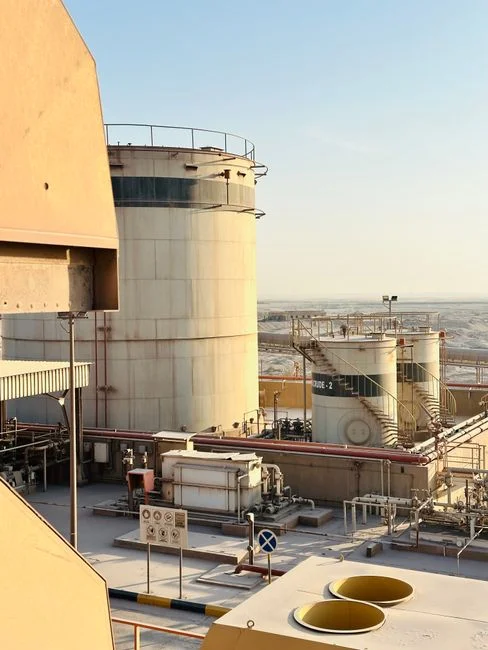
DAF is the leading choice when floatable or poorly settling material controls the separation objective; lamella clarification is the leading choice when conditioned solids settle reliably and recovered sludge is the desired product.
For oily wash water, free or conditioned oil, latex, coating residues, buoyant plastic or rubber particles, and solids that fail wastewater settleability testing, prioritize DAF. If the material is emulsified or tightly associated with solids, the trial must establish whether source control, coagulation, or flocculation can make it floatable and recoverable.
For fillers, grit, and other heavy solids that form stable, settleable floc, prioritize a lamella clarifier. The supplier must show the proposed surface-loading calculation, inlet configuration, sludge withdrawal, and the wastewater settleability assumptions. A gravity unit should not be selected simply because its purchase price appears lower or because a municipal default was substituted for factory data.
Use a hybrid train when both floatable and settleable fractions are material. DAF can recover float first, while clarification captures the remaining settleable solids; the order must come from bench or pilot work. Installing both units automatically may add chemical demand, transfer pumping, utilities, and two residual-handling burdens without proving that either separation stage is necessary.
Ecologix reports a food-processing example in which DAF achieved 95% oil and grease removal, compared with 70% for a clarifier. This is a site-specific commercial illustration, not a plastics or rubber guarantee. The same source says clarifiers generally have lower operating costs and may suit heavy solids; treat that as qualitative commercial guidance until the bids use the same wastewater, utilities, labor, and residual-disposal assumptions.
| Wastewater condition | Preferred starting point | Required evidence |
|---|---|---|
| Material FOG, free oil, latex, coating residue, buoyant plastic, or rubber particles | DAF | Float recovery, conditioning response, bubble attachment, and float destination |
| Material but reliably settleable solids | Lamella clarification | Settling behavior, floc stability, surface loading, and sludge withdrawal |
| Both floatable and settleable fractions are material | Hybrid flotation and clarification | Sequence, intermediate water quality, separate recovery streams, and handling burden |
| Soluble or high COD load | Clarification followed by biological treatment | Soluble organic characterization and downstream treatment objectives |
| Low-turbidity reuse | Clarification followed by filtration or an MBR stage | Particle removal data, filtration need, and reuse criteria |
Do not treat the separator as the complete plant. Soluble or high COD may require biological treatment, while low-turbidity reuse may justify filtration or an MBR integrated wastewater treatment stage. The plastics and rubber wastewater comparison provides a useful screening framework, but actual wastewater behavior remains the deciding factor.
How to test and size the selected equipment
A defensible size comes from wastewater-specific testing and loading calculations, not from selecting the nearest model within a catalog flow range.
Run jar tests before fixing the treatment concept. Establish chemical type, dose, pH, mixing sequence, settling or flotation behavior, and resulting sludge characteristics. Clearwater Industries’ commercial literature dated 2026-04-27 reports 15–45 seconds of flash-mixing time in its serpentine flocculation tubes; mix-tank contact time varies and must be established through testing.
For DAF, require the recycle-flow basis, compressor or saturation-system requirements, hydraulic loading, solids-loading basis, bubble-contact assumptions, skimming arrangement, float drainage, and bottom-solids removal. For a lamella clarifier, require the surface-loading calculation, selected average and peak flows, basin geometry, inlet configuration, flocculation arrangement, and sludge-withdrawal design.
HydropureWater’s DAF range of 4–300 m³/h across 13 models is a shortlist range only. The selected unit must follow actual flow, production and cleaning duty cycle, hydraulic loading, solids loading, equalization, chemical demand, and recovered-solids handling.
- Characterize each source stream during production, cleaning, shutdown, and washdown.
- Run bench tests comparing conditioned settling, flotation, sludge production, and float recovery.
- Confirm the separation sequence with pilot work where behavior is mixed or uncertain.
- Size the selected unit from measured flow, loading, equalization, and representative wastewater properties.
- Define controls and acceptance testing for flow and chemistry variation.
| Sizing item | DAF disclosure required | Lamella clarification disclosure required |
|---|---|---|
| Flow basis | Average, peak, recycle, and operating mode | Average and peak flow used in the surface-loading calculation |
| Solids basis | Hydraulic and solids loading, skimming, and bottom withdrawal | Floc characteristics, loading, basin geometry, and sludge withdrawal |
| Conditioning | Chemical type, dose, pH, mixing, contact, and controls | Chemical type, dose, pH, flocculation, and sludge conditioning |
| Site integration | Equalization, utilities, float storage, and recovered-solids route | Equalization, utilities, basin access, sludge storage, and disposal route |
Specify how equalization handles production peaks and cleaning discharges. If sludge dewatering is part of the project, evaluate the recovered solids directly against an industrial sludge dewatering filter press; do not infer dewatering performance from the separator name.
What should factories compare in supplier bids and lifecycle costs?
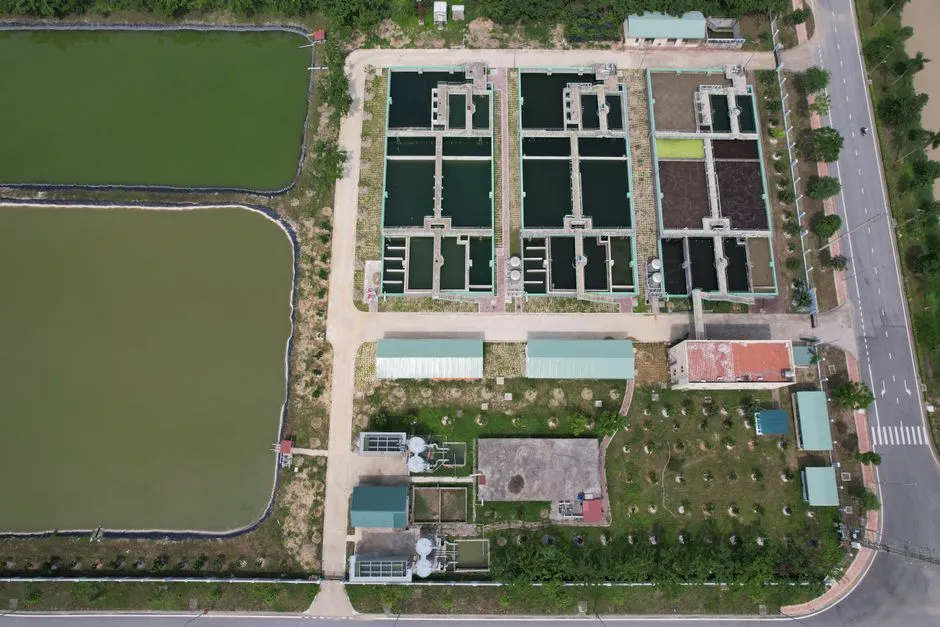
A lower equipment purchase price is not a lower lifecycle cost unless every bidder uses the same wastewater, duty cycle, treatment objective, utilities, residual destinations, and acceptance criteria.
Require each proposal to disclose equipment scope, wastewater characterization, average and peak flow, production and cleaning schedule, recovery assumptions, utilities, controls, materials of construction, installation conditions, service scope, and acceptance testing. Require the written test basis behind every removal, loading, chemical-saving, footprint, and performance claim.
For DAF, expose the recycle-pump configuration, compressor or saturation requirements, clean-water startup, skimmer access, bottom-solids collection, float drainage, instrumentation, PLC controls, and service support. For lamella clarification, expose lamella-pack access, sludge withdrawal, surface-loading calculations, flocculation integration, corrosion-resistant materials, and any municipal defaults substituted for site data.
Compare chemical consumption, compressed-air and recycle power, operator attention, maintenance, installation, replacement parts, float or sludge handling, dewatering, and disposal. Neither DAF nor clarification has an inherently lower lifecycle cost without site-specific calculations. Ecologix’s qualitative observation that clarifiers generally have lower operating costs does not establish a Valdosta cost estimate.
| Bid category | Required disclosure | Fair-comparison check |
|---|---|---|
| Design basis | Same characterization, flows, schedule, objective, and utilities | No bidder substitutes a different wastewater or municipal default |
| Conditioning | Chemical, dose, pH, mixing, contact, and control logic | Costs are calculated from tested demand |
| Utilities | Power, compressed air, recycle flow, and operating hours | Use the same local rates and duty cycle |
| Recovered solids | Float and sludge quantities, water content, dewatering, odor, and destination | Include downstream handling and disposal |
| Performance | Acceptance method, representative influent, sampling points, and guarantee conditions | Claims use the same site-specific test basis |
Do not assign capital cost, energy use, footprint, or sludge volume from generic DAF-versus-clarifier comparisons. Calculate them from the selected configuration and actual Valdosta utility and disposal assumptions.
What permit, reuse, and downstream-treatment checks remain for Valdosta?
No Valdosta-specific discharge limit, pretreatment limit, reuse criterion, or monitoring requirement can be stated from the supplied research; obtain the current requirements from the authority having jurisdiction before finalizing the treatment train.
First identify the discharge route: sanitary sewer, industrial pretreatment system, permitted outfall, or a zero-liquid-discharge route. Each creates different documentation, treatment, and residual-management requirements. Request the controlling permit, sewer acceptance criteria, monitoring obligations, sampling procedures, and any reuse specification in writing.
Then verify whether the separator addresses the actual objective. DAF and clarification primarily remove suspended solids and floatable material. Soluble organics, toxicity, nutrients, very low turbidity, or reuse quality may require biological treatment, membrane filtration, or another polishing stage. Confirm compatibility with the proposed MBR integrated wastewater treatment option or other downstream process.
Treat float and sludge as products or disposal burdens. Evaluate expected water content, recoverability, odor, dewatering needs, storage, transport, and final destination. The EPA manual issued in January 1975 is foundational process guidance, not a current Valdosta permit. Site-specific wastewater data and current local requirements control final design.
Frequently Asked Questions
Which separator should a Valdosta plastics or rubber factory choose in 2026?
Choose DAF when testing shows that floatable FOG, oil, latex, coating residue, buoyant fragments, or poorly settling solids control the treatment objective. Choose lamella clarification when conditioned solids settle reliably and gravity separation can meet the required objective. Test a hybrid train when both fractions are material. The decision must use actual production, cleaning, and washdown data—not the factory label or nominal flow alone.
What wastewater tests are needed before requesting DAF and clarifier bids?
Request average and peak flow, TSS, FOG, oil and grease, settleability, COD, pH, colloid behavior, and temperature, with sampling during normal production, representative cleaning, shutdown, and washdown. Identify the applicable discharge or sewer objective. These inputs establish whether flotation or gravity separation is credible and provide the common design basis for comparable bids.
How much will DAF or a lamella clarifier cost?
No defensible price can be stated without the selected configuration, wastewater characterization, flow schedule, chemical demand, utility assumptions, recovered-solids destination, and acceptance criteria. Before approving a bid, request itemized equipment, installation, chemical conditioning, compressed-air or recycle power, labor, maintenance, dewatering, and disposal costs. Use the same assumptions for every supplier.
How should procurement compare supplier sizing and delivery risk?
Require each bidder to submit the governing sizing calculation: recycle and solids loading for DAF, or surface loading, basin geometry, and sludge withdrawal for lamella clarification. Check that no catalog range or municipal default replaced site data. Also require the proposed delivery schedule, startup plan, controls documentation, commissioning protocol, performance test, spare-parts scope, and local service support.
What should be confirmed with Valdosta authorities and downstream treatment providers?
Obtain current discharge, pretreatment, sewer, reuse, and monitoring requirements from the authority having jurisdiction. Confirm the receiving route in writing and ask the downstream biological, membrane, filtration, or solids-handling provider to confirm its influent and residual-handling criteria. The separator’s proposed performance does not establish permit compliance or complete treatment-train adequacy.