Start with the property's sewer and reuse conditions
A Hyderabad hotel or resort in 2026 usually needs a decentralized treatment system when its site cannot connect reliably to a public sewer, especially in the Periphery Area or ORR Village Area. The right train depends on wastewater flow and quality, available land, reuse targets and disposal conditions. A packaged A/O sewage plant may suit ordinary domestic wastewater; MBR is appropriate where compactness or near-reuse-quality effluent is required; DAF pretreatment is needed for significant oil and grease from kitchens, spas or food-service areas. Treated effluent can support nonpotable uses such as toilet flushing, gardening and cooling.
The ADB Institute reported 2024 sewerage coverage of 100% in Hyderabad’s Core Area, approximately 30% in the Periphery Area and 0% in the ORR Village Area, which lies between the Periphery Area boundary and the Outer Ring Road. The same source said rapid commercial development had led many buildings in the latter two areas to install private, decentralized treatment plants. This is a regional planning indicator, not confirmation that any particular hotel can discharge to a sewer.
| Hyderabad area | 2024 sewerage coverage reported by ADB Institute | Practical first decision |
|---|---|---|
| Core Area | 100% | Confirm the connection point, available capacity, connection conditions and reuse requirements for the individual property. |
| Periphery Area | Approximately 30% | Test physical access to a public sewer; retain decentralized treatment as the credible fallback. |
| ORR Village Area | 0% | Plan for decentralized treatment unless the authority confirms a newly available connection. |
Nonpotable reuse routes identified by the ADB Institute are toilet flushing, gardening and cooling. A sewer connection can still be appropriate where one exists, but the property’s reuse demand may justify a hybrid arrangement: public-sewer disposal for sanitary wastewater and on-site treatment for selected reuse flows. If no connection is feasible, compare an underground package sewage treatment plant with an MBR arrangement according to footprint, treatment objectives and operating resources.
Obtain written confirmation from the Hyderabad Metropolitan Water Supply and Sewerage Board or the relevant local authority on the connection point and applicable conditions. The supplied research does not establish a property-specific connection right, current permit fee or current reuse consent. That confirmation must precede equipment selection.
Map every wastewater stream at the hotel
Hotel wastewater is not one uniform stream, and average daily flow alone cannot define the treatment duty. Inventory guest-room and public-toilet discharge, staff areas, kitchens and restaurants, laundry, housekeeping, swimming pools, spas, landscaping irrigation and any cooling-tower or plant-room discharge. Record which streams enter a drain, whether any are diverted, and where each reuse destination is located.
| Stream | Engineering issue to resolve | Required project evidence |
|---|---|---|
| Guest rooms, staff and public toilets | Sanitary hydraulic and organic loading | Daily flow, peak-hour flow, COD, BOD and suspended solids |
| Kitchens and restaurants | Oil and grease, food solids and variable discharge timing | Oil and grease, COD, suspended solids, flow profile and sampling frequency |
| Laundry and housekeeping | Daily variability and solids contribution | Flow, COD, BOD, suspended solids and operating schedule |
| Pool and spa | Disinfectant exposure and potential interference with biological treatment | Flow, residual disinfectant, pH and discharge frequency |
| Cooling and plant-room flows | Water chemistry, heat and possible chemical contamination | Flow, temperature, pH, chemicals and proposed treatment route |
| Landscaping irrigation | Reuse demand and irrigation-water quality | Daily and seasonal demand, irrigation area and current authority requirements |
The Journal of Advances in Science and Technology’s 2016 review found high oil and grease in the restaurant wastewater examined. For that reason, segregate kitchen and food-service discharges where practicable and characterize them before they enter the main biological process. This can prevent grease loading from obscuring the sanitary design basis.
Establish average daily flow, peak-hour flow, seasonal variation, operating hours, storage requirements and planned occupancy changes. The supplied research does not provide Hyderabad-specific reuse-quality thresholds for cooling, pool water or landscaping irrigation. Obtain those thresholds for the intended reuse route. Before final process selection, request representative characterization covering flow, COD, BOD, suspended solids, oil and grease, pH and temperature effects.
Build the treatment train around the reuse objective
A defensible hotel treatment train normally progresses from flow control and screening to equalization, oil removal where needed, biological treatment, solids separation, disinfection, storage and reuse or disposal. Equalization should be included where the operating profile or reuse storage makes it necessary, not simply because a package offers that feature. A rotary mechanical bar screen belongs at preliminary screening to remove rags, plastics and fibrous debris that could obstruct pumps or downstream biological and membrane equipment.
Where kitchen or food-service wastewater contains significant oil, grease, suspended solids or colloidal material, place a DAF system for hotel wastewater upstream of the main biological process. DAF is a pretreatment stage, not a replacement for biological treatment of sanitary sewage. The catalogued DAF range supplied for this article is 4–300 m³/h across 13 standard models; that range is an equipment-selection boundary, not a site design calculation.
| Process stage | Primary purpose | Decision condition |
|---|---|---|
| Flow management and bar screening | Remove debris and protect downstream equipment | Required where sanitary and kitchen flows are combined |
| Equalization | Moderate flow and load variation | Needed when the operating profile or reuse storage creates peaks |
| Oil, grease and solids removal | Reduce FOG and solids entering biological treatment | Justified by representative kitchen or food-service sampling |
| WSZ biological package | Anoxic/aerobic contact oxidation, sedimentation and disinfection | Predominantly sanitary duty and compact buried installation |
| MBR | Activated-sludge treatment with submerged membrane separation | Compact installation or tighter solids-separation objective |
| Final filtration and disinfection | Meet the verified requirement of the selected reuse route | Selected from authority criteria and intended nonpotable use |
The supplied WSZ product information combines anoxic/aerobic contact oxidation, sedimentation and disinfection in one package, lists a capacity range of 1–80 m³/h and states that no operator is required. The supplied MBR information combines activated-sludge treatment with submerged membrane filtration, states filtration below 1 μm, gives a footprint 60% smaller than conventional systems and lists capacities from 10–2,000 m³/day. These are catalogued specifications, not evidence that any proposed installation meets Hyderabad consent conditions.
Final reuse polishing must be separated from biological treatment. The supplied UF information states that ultrafiltration can remove bacteria, colloids and suspended solids without chemicals when a filtration barrier is required. Disinfection must still be selected for the intended nonpotable service and verified against the current authority requirement.
Choose between packaged treatment, MBR and DAF pretreatment
The correct comparison is between different treatment duties, not between “basic” and “advanced” packages. WSZ addresses a predominantly sanitary stream requiring biological treatment, sedimentation and disinfection in a compact buried installation. MBR is justified where compactness, tighter solids separation or a higher-quality separation objective is more important than added process complexity. DAF is added upstream where characterization shows that oil, grease or solids would impair biological treatment.
The 2016 restaurant-wastewater review reinforces the need for stream-specific design: it reported aluminum was preferred over iron, charge loading was the only variable that significantly affected treatment efficiency, and the tested wastewater required 1.67–9.95 F:m³ wastewater and 30–80 A:m² depending on the wastewater examined. Those electrocoagulation results do not specify a DAF duty; they demonstrate that restaurant wastewater needs dedicated characterization and a purpose-built treatment selection.
| Decision variable | WSZ package | MBR | DAF pretreatment |
|---|---|---|---|
| Primary wastewater duty | Predominantly sanitary wastewater with biological and solids-removal needs | Sanitary biological treatment with membrane solids separation | Kitchen or food-service streams with FOG and suspended-solids loading |
| Installation | Compact buried package where ground conditions permit | Compact installation with greater process and control complexity | Additional pretreatment stage before main treatment |
| Separation objective | Catalogued package includes sedimentation | Catalogued filtration below 1 μm | Not a substitute for the main biological or solids-separation stage |
| Catalogued capacity | 1–80 m³/h | 10–2,000 m³/day | 4–300 m³/h across 13 standard models |
| Reuse role | Potential pretreatment for selected nonpotable routes | Potential higher-separation stage before use-specific polishing | Prepares FOG-loaded streams for downstream treatment |
| Key operating questions | Site access, groundwater, excavation, controls and sludge removal | Operator availability, membrane maintenance, controls and sludge handling | FOG removal performance, waste removal and downstream loading |
Make the final selection against flow, the split between domestic and kitchen loading, available footprint, nonpotable reuse requirement, installation setting, operator availability and the sludge-handling route. Consider an MBR membrane bioreactor when the duty and operating model support it; use an underground package sewage treatment plant for a sanitary-led duty where a compact buried installation is appropriate; and add DAF when the wastewater evidence requires it.
Do not infer that one option automatically satisfies the current discharge or reuse requirements. The supplied research does not state the applicable Hyderabad limits for a particular hotel category or reuse application. Those conditions must be obtained from the competent authority for the site and selected outlet.
Size the system from verified project inputs
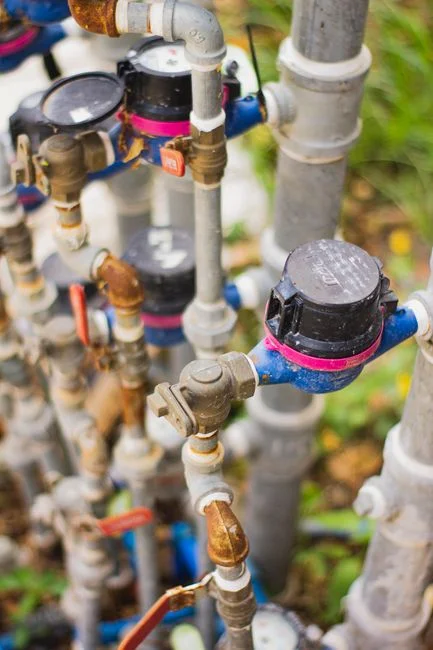
Wastewater treatment sizing starts with measured or reliably estimated daily flow, followed by peak-hour flow, peak-day condition, operating profile and minimum flow. Occupancy, operating hours, seasonal demand and expansion plans should all appear in the design basis. No universal per-room flow multiplier should be inserted when the property has usable meter data.
- Establish the daily wastewater balance by stream.
- Separate kitchen, laundry, pool, cooling and other high-volume discharges from sanitary wastewater.
- Determine peak and minimum hydraulic conditions from the operating schedule.
- Characterize COD, BOD, suspended solids, oil and grease, pH and temperature effects.
- Define equalisation and biological-loading duties.
- Size screening, clarification or membrane separation, disinfection, sludge removal and reuse storage independently.
| Design input | How to establish it | Equipment consequence |
|---|---|---|
| Average and peak flow | Metered data checked against occupancy and operating schedules | Defines hydraulic screening, equalisation and transfer capacity |
| Organic and solids load | Representative sampling across operating periods | Defines biological and clarification duty |
| FOG load | Separate kitchen sampling | Determines whether DAF pretreatment is needed |
| Reuse demand | Hourly and seasonal demand for each nonpotable route | Defines storage and required polishing |
| Site and operations | Footprint, access, power, operator and sludge-removal constraints | Determines package configuration and maintenance access |
Use the WSZ range of 1–80 m³/h and MBR range of 10–2,000 m³/day as catalogued selection boundaries. Do not choose a duty point until the site’s design flow and load are verified. Equalisation, hydraulic retention, solids capture, biological loading, membrane or clarification duty, disinfection, sludge removal and reuse storage are separate engineering questions, even when several functions are packaged in one unit.
Require current sampling across representative operating periods, including events that may produce peak excursions. Freeze equipment capacity only after the property owner and reviewing engineer have accepted the measured basis and the reuse outlet is defined.
Plan installation, operations and compliance before purchase
A below-grade treatment package is practical only after the site team examines access, groundwater, excavation, flood levels, landscaping and vehicle-load constraints. The supplied research does not provide site-specific geotechnical criteria, so a generic buried-plant description is not enough to approve the installation. Survey the proposed works and obtain the relevant site information before freezing the civil design.
Plan the whole operating interface. Define how sludge and separated FOG will be removed and disposed of, where maintenance access will be provided, which critical spares will be stocked, how odour will be controlled and which functions will operate automatically. A compact footprint can simplify the site but make access and maintenance more critical.
Require each supplier to identify monitored parameters, alarm handling, automatic operating sequences, power requirements, operator training, commissioning tests and after-sales support. The scope should also cover how residuals and sludge leave the site and who holds each operational obligation.
Telangana regulatory approval must be treated as a project task, not assumed from a product catalogue. Obtain current applicable discharge, reuse and construction requirements from the competent authority for the exact site and reuse route. A treatment capacity, filtration value or equipment description does not by itself demonstrate compliance with a site-specific consent condition.
Where residual sludge requires further dewatering, evaluate a plate-and-frame filter press only after confirming the sludge volume, moisture characteristics, operating frequency and disposal route. If chemical dosing is required, include an automatic chemical dosing system only after the process design establishes the chemical, duty point, storage need and safety controls.
What to include in a Hyderabad vendor request for quotation
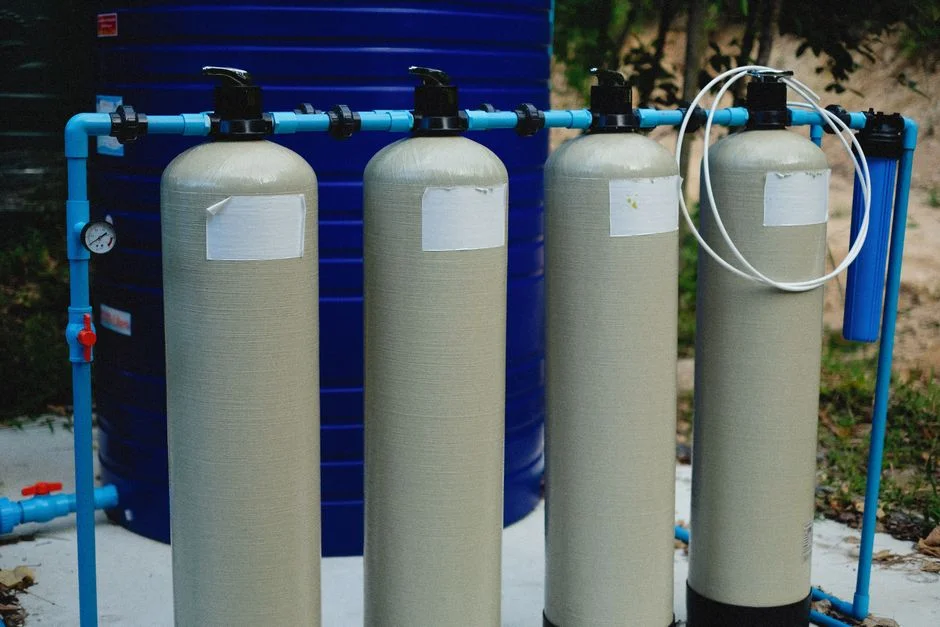
A comparable quotation must start from the same property design basis. Ask each bidder to state the proposed design flow, wastewater assumptions, complete process train, equipment duty points, reuse outlet, installation footprint, civil-work requirements and utility demands. Require a clear distinction between preliminary treatment, biological treatment, separation, reuse polishing and disinfection.
Request treatment guarantees and the proposed test methods for flow, COD, BOD, suspended solids, oil and grease, pH and disinfection performance. A guarantee without a defined sampling point, test method or operating condition is not a useful comparison.
Ask for an itemized scope covering screening, equalisation, biological treatment, separation, disinfection, reuse storage, controls, sludge handling, civil works, commissioning, training and maintenance. Identify which items are excluded, including site preparation, power supply, chemical supply, waste disposal and authority submissions.
Require bidders to list every permit or consent that remains the property owner’s responsibility. Do not accept a generic statement that the package is “compliant”; ask which authority, discharge route and reuse application the statement covers.
Compare offers by life-cycle obligations and verified performance rather than package price alone. The supplied research contains no comparable Hyderabad hotel-project cost figures, so price must be requested against a defined scope rather than inferred from a generic per-unit rate.
Frequently Asked Questions
How much does a wastewater treatment system cost for a hotel in Hyderabad?
The supplied research does not contain a Hyderabad hotel treatment-plant price that can be quoted responsibly. A defensible budget requires verified design flow, wastewater characterization, treatment and reuse objectives, civil works, reuse storage, site conditions, utilities, sludge handling, controls, commissioning and authority requirements. Request an itemized quotation against those inputs, then compare capital cost with membrane replacement, chemical use, maintenance, energy and residual-disposal obligations.
Which treatment system is best for a hotel or resort in Hyderabad?
WSZ addresses a sanitary-led treatment duty with biological treatment, sedimentation and disinfection in a compact buried package. MBR suits a compact installation or tighter solids-separation objective. DAF is added when characterization shows that kitchen oil, grease or solids require pretreatment. The best option is the one that matches the actual flow, wastewater streams, reuse route, footprint and operating model; it is not automatically the most advanced package.
How do I size a decentralized wastewater treatment plant for a Hyderabad hotel?
Size it from measured or reliably estimated daily flow, peak-hour flow, peak-day condition, minimum flow, occupancy, operating hours and seasonal demand. Separate kitchen, laundry, pool, cooling and other high-volume streams, then obtain COD, BOD, suspended solids, oil and grease, pH and temperature data. Add reuse demand, available footprint, operator availability and sludge handling before selecting a catalogued capacity range.
Can a Hyderabad hotel reuse treated wastewater for toilet flushing, gardening or cooling?
The ADB Institute’s 2024 working paper identifies toilet flushing, gardening and cooling as nonpotable reuse routes for private decentralized plants. That establishes use routes, not universal effluent limits. The final design must match verified effluent quality to the selected reuse application and current requirements from the competent authority for the property.
What should I ask a wastewater equipment supplier before ordering?
Require the supplier to define the design flow, wastewater assumptions, process scope, duty points, treatment guarantees, test methods, utilities, controls, commissioning tests, training, maintenance, spare parts and sludge route. Also require a permit-responsibility schedule identifying which consents remain with the owner. A comparison of a packaged sewage treatment plant with an MBR proposal should use the same design basis and itemized scope, including the intended underground package sewage treatment plant or MBR membrane bioreactor duty.
Related Equipment
- DAF system for hotel wastewater — specifications, capacity range, and technical data