DAF or Clarifier for Chemical Wastewater in Lehi?
For chemical wastewater in Lehi, choose DAF when the stream contains floatable oils, FOG, or flocculated solids that should be skimmed; choose a clarifier when the primary objective is settling dense particles or recovering sludge. Neither equipment should be selected by flow rate alone. EPA guidance requires process selection from waste characteristics, flow variation, chemical-conditioning needs, and treatment objectives. DAF commonly uses 30–50 micron microbubbles and depends on effective coagulation and flocculation, while lamella clarifiers use inclined plates and sludge recirculation. Chemical plants with mixed contaminants may need DAF for oil and grease removal followed by biological treatment rather than choosing one unit to meet every objective.
The practical distinction is not simply “DAF versus clarifier.” It is whether the target contaminant is easier to float, easier to settle, or present in both fractions. EPA’s Process Design Manual for Suspended Solids Removal, EPA 625/1-75-003a (January 1975), describes process selection for specific suspended-solids removal requirements and equipment selection for a given process. That is the correct engineering basis even though the manual predates current equipment.
Lehi’s location should shape permitting, sewer-pretreatment coordination, installation constraints, and supplier service—not substitute for characterization of the plant’s wastewater. Before comparing bids, determine whether the objective is oil and grease removal, suspended-solids separation, sludge concentration, equalization, or protection of a downstream biological process.
| Treatment objective | Starting technology | Key condition to verify |
|---|---|---|
| Remove floatable oil, FOG, or conditioned solids | Industrial DAF system | Floatability after chemical conditioning and solids handling |
| Separate dense settleable solids and concentrate sludge | Lamella clarifier | Settling characteristics and hydraulic and solids loading |
| Protect downstream biological treatment from floatable contamination | DAF followed by biological treatment | Residual soluble and biodegradable contaminant load |
| Handle both floatable and settleable fractions | DAF plus solids collection, or staged clarification | Independent design of each stage |
What Wastewater Characteristics Decide the Technology?
EPA’s solids-fraction framework is more useful than a single total suspended solids result because soluble, colloidal, supracolloidal, and settleable material do not respond to separation in the same way. The January 1975 EPA manual gives raw domestic wastewater as a context value of 200 mg/L suspended solids, while explicitly noting substantial variation among systems. That value must not be used as a Lehi chemical-plant design assumption.
Request a sampling plan that covers current and peak flow, minimum flow, production shifts, batch dumps, TSS, oil and grease or FOG, settleable solids, pH, temperature, conductivity, and constituent-specific contaminants. Also record whether the stream contains free oil, emulsified oil, surfactants, precipitated metals, high-solids releases, or materials that change with temperature and production sequence.
| Measurement or input | Decision question | Procurement implication |
|---|---|---|
| Flow range and duration | What are the average, peak, minimum, and batch-discharge conditions? | Determines hydraulic basis, equalization, and skid arrangement |
| TSS and settleable solids | Which fraction carries the treatment objective? | Separates sedimentation needs from solids that may need flotation |
| Oil and grease or FOG | Is the material free, emulsified, or chemically floatable? | Supports DAF selection and skimming/solids-removal design |
| pH, temperature, and conductivity | Will conditions alter chemistry or materials behavior? | Defines pretreatment and compatibility review |
| Compound-specific constituents | Is there a regulated contaminant not captured by TSS? | Defines downstream treatment and acceptance testing |
Distinguish naturally floatable material from solids that become floatable after conditioning. Coagulation and flocculation may create a floatable floc, but they also add chemical demand, mixing requirements, and sludge-handling consequences. EPA’s January 1975 manual identifies flow variation, performance under variable flow, and flow equalization as dedicated design considerations; the PLC-controlled chemical dosing system therefore belongs in the process evaluation, not as a later accessory.
How DAF and Clarifiers Separate Different Waste Streams

D flotation is the mechanism that makes dissolved air flotation appropriate for floatable contaminants, while gravity separation remains the primary mechanism in a clarifier. Clearwater Industries states that commercial DAF systems use 30–50 micron microbubbles and that pressure release in the clarification tank creates them. Those bubbles attach to conditioned particles, which rise to the surface for skimming.
A conventional clarifier separates particles according to their settling behavior. A lamella clarifier adds inclined plates to increase effective separation area and may integrate flocculation and sludge recirculation. These configurations suit dense particles and sludge concentration, but low-buoyancy material may require chemical conditioning before gravity separation becomes effective.
| Mechanism | Target fraction | Required support | Important limitation |
|---|---|---|---|
| Dissolved air flotation | Floatable oils, FOG, and conditioned solids | Air saturation, recirculation, conditioning, and skimming | Heavy solids may settle rather than float |
| Conventional gravity clarification | Dense, naturally settleable solids | Appropriate area, feed distribution, and sludge withdrawal | Low-buoyancy and colloidal material can remain |
| Lamella clarification | Conditioned or naturally settleable solids | Inclined plates, flocculation, and sludge removal | Performance still depends on settling behavior and loading |
DAF does not imply that every solid floats. Clearwater Industries describes a bottom collection zone for heavier solids, with an auger removing settled sludge. This matters for chemical plants with both oily and mineral solids. Upstream pH control, coagulation, flocculation, screening, or biological pretreatment may be necessary depending on the stream. A mechanical screen, such as the rotary mechanical bar screen, can protect downstream equipment from debris, but it is a pretreatment decision rather than evidence that the wastewater is suitable for DAF.
DAF vs. Clarifier: Technical and Commercial Trade-Offs
The strongest difference is contaminant fit: DAF addresses floatable oils, FOG, and conditioned low-buoyancy solids, while gravity and lamella clarification address dense settleable solids and sludge concentration. Neither is automatically cheaper because chemical consumption, utilities, footprint, sludge volume, maintenance, and downstream treatment all affect the life-cycle comparison.
Both processes may require chemical conditioning. EPA’s January 1975 manual addresses coagulant selection, chemical mixing, flocculation, and solids-contact clarification. Clearwater Industries lists a 15–45 second flash-mixing range for serpentine flocculation tubes. That is a commercial reference, not a universal dose or contact-time rule: some chemistries require longer impeller-driven contact, and representative wastewater must be jar tested.
| Procurement field | DAF | Lamella clarifier |
|---|---|---|
| Core equipment | Saturation equipment, compressed air, recirculation pump, flotation tank, and skimmer | Inclined-plate tank, flocculation equipment, sludge recirculation, and withdrawal |
| Controls and utilities | Air supply, recycle flow, chemical dosing, skimmer, and sludge-discharge controls | Feed, flocculation, sludge-recirculation, and withdrawal controls |
| Operator attention | Chemical condition, air saturation, recycle, skimming, and settled-sludge removal | Flocculation, sludge blanket or solids withdrawal, and distribution |
| Sludge route | Floated sludge plus heavier settled solids | Concentrated settled sludge |
| Materials | Must match the complete chemical inventory and temperature range | Must match wastewater, chemicals, and sludge characteristics |
| Bid exclusions to resolve | Air system, compressor, recycle pump, chemical package, controls, civil work, and installation | Flocculation package, sludge pumps, controls, civil work, and installation |
Clearwater Industries lists 304SS as standard for its DAF clarifiers, with 316SS, polypropylene, and other materials available by request (Clearwater Industries, April 2026). Material selection should therefore be treated as a compatibility review, not a default stainless-steel assumption.
The commercial COMPACT DAF arrangement packages chemical conditioning, sensors, instruments, and PLC controls. Clearwater Industries specifies one skid for flows of 66 GPM or less and a modular two-skid arrangement for higher flows (Clearwater Industries, April 2026). That is a supplier configuration, not a universal DAF capacity boundary. For sludge handling, the industrial sludge dewatering press and PLC-controlled chemical dosing system should be evaluated as connected process scope, not optional line items.
Choose by Treatment Objective and Operating Risk
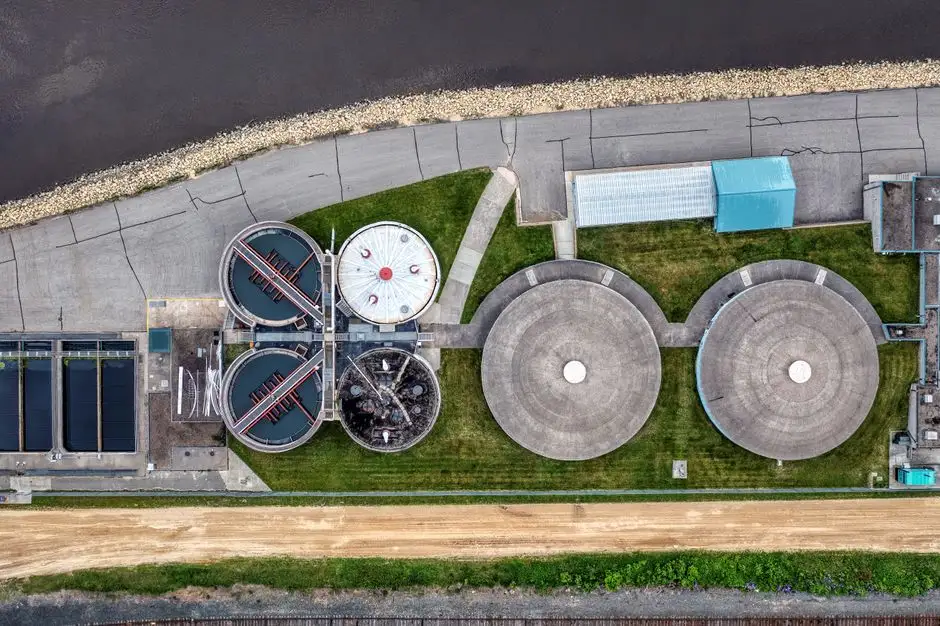
A condition-based decision starts with the material that must leave the stream. If oil, FOG, or another floatable constituent must be removed before further treatment, DAF is the first candidate. If the objective is gravity separation of dense solids, sludge concentration, or integrated flocculation in a compact structure, the lamella clarifier is the first candidate.
| If the plant finds… | Then evaluate… | Because… |
|---|---|---|
| Oil or FOG is the primary contaminant | DAF with skimming and chemical conditioning | Floatable material must reach the surface for removal |
| Dense solids are the primary contaminant | Lamella or conventional clarification | The objective aligns with gravity separation |
| Both floatable and settleable fractions are significant | DAF with bottom solids collection, or staged treatment | One mechanism may not address both fractions efficiently |
| Downstream biology is vulnerable to floatable contamination | DAF followed by biological treatment | DAF can protect the biological stage while later treatment addresses dissolved load |
| Laboratory or pilot behavior conflicts with vendor assumptions | Representative pilot before final sizing | Actual chemistry and variable flow must resolve the uncertainty |
A DAF-to-biological treatment train is more credible than one clarifier when floatable contamination must be removed before biological treatment but dissolved or biodegradable contaminants remain. The MBR-integrated wastewater treatment system should therefore be evaluated against the clarified-water objective, not treated as a substitute for upstream oil removal.
EPA’s January 1975 manual notes that its information relies partly on pilot, demonstration, and full-scale plants, and that design values are guides requiring application-specific engineering judgment. Use pilot evidence when the waste chemistry, constituent interactions, or flow variation make equipment selection uncertain.
Size the System Using Verified Plant Data
A defensible sizing brief starts with plant operations rather than a catalog flow. Document current and peak flow, minimum flow, production-shift duration, batch dumps, clean-water availability for DAF startup and recirculation, and the treatment objective. A single average lab result is not adequate for a chemical stream with batch discharges or changing product chemistry.
| Required input | Why the supplier needs it | Document to request |
|---|---|---|
| Flow range and duration | Establishes hydraulic loading and operating configuration | Average, peak, minimum, batch-dump profile, and operating hours |
| Solid and contaminant loads | Establishes solids loading and separation demand | TSS, FOG, oil and grease, settleable solids, and constituent-specific data |
| Chemistry and temperature | Defines conditioning and materials compatibility | pH, temperature, conductivity, chemical inventory, and operating range |
| Utilities | Defines compressed air, electrical, water, and drainage requirements | Available capacity, connection points, and operating constraints |
| Sludge route | Determines collection, pumping, storage, and dewatering scope | Expected sludge characteristics, collection method, and disposal route |
| Variable-flow strategy | Defines whether equalization or redundancy is required | Equalization basis, recycle strategy, and duty/standby provisions |
Require each bidder to identify every sizing basis: hydraulic loading, solids loading, chemical demand, air requirements, flotation or settling area, and sludge handling. For lamella systems, HydropureWater states surface loading rates of 20–40 m/h for its catalog unit. Present that as a manufacturer specification, not a universal design rate for every chemical wastewater.
Confirm how variable flow will be handled. Equalization, recycle, duty/standby equipment, or additional tankage may be necessary depending on the batch profile. For DAF, request the verified flow configuration and control philosophy. Clearwater Industries’ COMPACT DAF uses one skid at 66 GPM or less and a modular two-skid arrangement above that threshold (Clearwater Industries, April 2026); use that as a commercial reference and require the bidder to map the proposed arrangement to the plant’s actual flow profile.
Validate Performance Before the Purchase Order
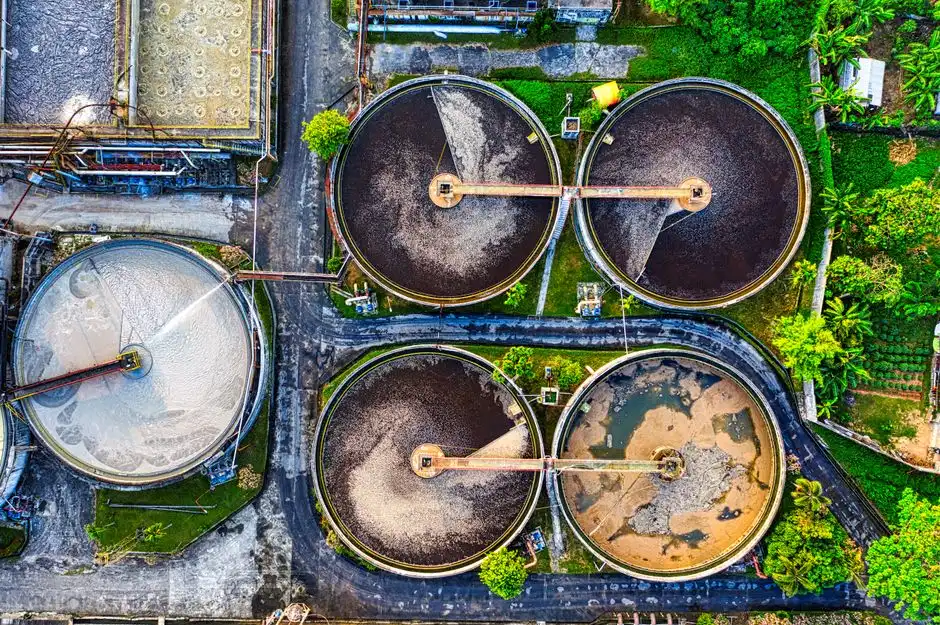
Validation should test the chemical and separation assumptions before the equipment order is released. Jar testing can establish pH adjustment, coagulant or flocculant selection, mixing needs, and the balance between chemical conditioning and solids separation. EPA’s January 1975 manual includes jar-test methods for evaluating chemical treatment and settling behavior.
Where chemistry, batch discharges, or scale-up make laboratory results uncertain, run a representative pilot using wastewater characteristics expected at full scale. Define acceptance criteria around the pollutants that matter to the permit or sewer-pretreatment requirement; do not insert unsupported numerical limits. Ask for the test method, sampling point, operating condition, calculation basis, and pass/fail rule.
- Review compatibility of the tank, piping, pumps, seals, skimmer, sludge system, and controls with the complete chemical inventory and temperature range.
- Confirm sludge collection, sampling access, maintenance access, spare-parts strategy, controls integration, startup support, operator training, and local service availability.
- Define how startup will occur, including clean-water availability for a DAF system and the sequence for filling, recirculation, and sludge discharge.
- Require operating procedures for chemical adjustment, float or sludge removal, upset response, and return to service.
Link sludge dewatering directly to the clarification decision. A DAF creates floated sludge and may also produce settled bottom solids; a lamella clarifier concentrates settled sludge. HydropureWater’s plate and frame filter press catalog covers filtration areas from 1 m² to 500 m², a manufacturer specification that can be used to define candidate dewatering scope but not to presume the required area.
Build a Supplier Comparison That Protects the Project
A valid price comparison requires the same wastewater data, flow assumptions, treatment objectives, utility conditions, and compliance boundaries in every request. Give bidders the same verified plant data and require each one to expose missing inputs rather than filling them with generic assumptions.
| Bid item | Required supplier response | Commercial risk if omitted |
|---|---|---|
| Design basis | Flow, solids load, chemistry, operating mode, and treatment objective | Equipment may be sized for the wrong duty |
| Performance | Stated objective, demonstrated or guaranteed basis, and test method | No verifiable discharge or pretreatment outcome |
| Equipment scope | Tank, air system, recirculation pump, chemical package, controls, and sludge removal | Low bid may omit essential process equipment |
| Materials | Selected materials and compatibility rationale | Corrosion or chemical-incompatibility exposure |
| Utilities and controls | Demand, control narrative, alarms, and integration points | Installation and operating-cost surprises |
| Services | Installation, commissioning, training, acceptance testing, startup support, and local maintenance | Unclear responsibility for project completion |
| Exclusions | Explicit list of civil work, equalization, installation, chemicals, and sludge handling outside scope | Noncomparable bids and change-order exposure |
Request separate pricing for the tank, air system, recirculation pump, chemical conditioning, controls, sludge removal, installation, commissioning, training, and optional pilot work. Compare prices only after every bidder has clarified whether chemical dosing, sludge handling, equalization, civil work, and installation are included. For a DAF, ask for the proposed industrial DAF system configuration and exclusions; for gravity separation, require the lamella clarifier to state its sizing basis rather than relying on a model name.
Frequently Asked Questions
Which system is cheaper for chemical wastewater in Lehi?
No reliable universal price comparison is possible without verified flow, pollutant load, chemistry, civil-work scope, utilities, and sludge requirements. Request like-for-like bids using the same plant data, treatment objective, utility conditions, and inclusion list, then compare installed and operating scope rather than tank price alone.
Is DAF suitable for wastewater with both oil and settleable solids?
Yes, when characterization supports chemical conditioning and the DAF includes appropriate bottom solids collection and removal provisions. DAF is still primarily a flotation process; heavier solids may settle and must have a defined removal route.
How should a factory size a DAF or lamella clarifier?
The supplier should document the hydraulic and solids-loading basis using average, peak, minimum, and batch-flow data. Catalog rates are equipment-specific references, not universal design rates. Also require the variable-flow strategy and sludge-handling basis.
Should the equipment supplier determine the chemical dose?
No. Establish the dose and contact conditions with representative wastewater through jar testing and, where uncertainty remains, pilot testing. Control the validated dose with a properly sized chemical dosing system and operating limits based on wastewater composition.
What compliance documents should be requested before ordering?
Identify the applicable pretreatment or discharge requirements, then require the supplier to provide the proposed process basis, test methods, acceptance criteria, materials information, controls narrative, and performance evidence. For biological treatment sequencing, review the biological treatment decision for chemical wastewater and the chemical wastewater pretreatment before MBR guidance alongside the clarification equipment scope.