Why Beaumont Conditions Change the MBR vs CAS Calculation
Texas Commission on Environmental Quality (TCEQ) regulations and the specific hydrologic characteristics of the Neches and Sabine River basins impose stringent discharge limits that necessitate a site-specific evaluation of wastewater treatment technology. TCEQ administers the National Pollutant Discharge Elimination System (NPDES) program in Texas, where permits often include basin-specific limitations on selenium, sulfate, and total dissolved solids (TDS) that exceed federal 40 CFR Part 440 requirements for ore mining. Beaumont-area facilities must also adhere to local pretreatment ordinances enforced by municipal utilities, which strictly regulate metals and cyanide concentrations to protect downstream biological processes.
The Gulf Coast climate presents a significant operational variable: ambient temperatures exceeding 35°C for over 90 days annually accelerate biological kinetics but simultaneously increase membrane fouling potential and scaling risks related to high sulfate and hardness levels in mining influent. Industrial water reuse economics in the region are governed by Sabine River Authority raw water costs, which range from $0.50 to $1.20/m³, compared against the higher internal value of treated water for petrochemical cooling or boiler feed applications. Entergy Texas industrial electricity rates, typically hovering between $0.05 and $0.08/kWh, frequently straddle the $0.07/kWh threshold where conventional activated sludge (CAS) becomes more economically favorable than membrane bioreactors (MBR) (HydropureWater 2026).
Process Fundamentals: Where the Technologies Diverge for Metal-Bearing Wastewater
Conventional activated sludge (CAS) relies on gravity separation in a secondary clarifier, whereas an MBR utilizes a physical membrane barrier to decouple solids separation from floc settleability. In a CAS train, biomass concentrations typically range from 2,000–4,000 mg/L MLSS, with effluent quality highly dependent on the settling characteristics of the biological floc (Lamella-clarifier 2026). Conversely, MBR systems operate at higher biomass densities of 8,000–12,000 mg/L MLSS, utilizing submerged PVDF membranes to provide a consistent physical barrier (HydropureWater 2026).
Metal pulses in mining wastewater create distinct operational risks for each technology. Field data from 2026 indicate that CAS systems may lose 30–60% of their removal efficiency for 24–72 hours following a metal pulse, as poor-settling floc escapes the secondary clarifier (HydropureWater 2026). MBR systems effectively retain these particulate-bound metals within the membrane tank, though neither technology removes dissolved metals without upstream precipitation. For facilities requiring high-quality effluent, EPA MBR fact sheets cited by HydropureWater (2026) report typical performance benchmarks of 0.01–1.31 NTU turbidity and 0.10–0.72 mg/L BOD5.
| Parameter | Conventional Activated Sludge (CAS) | Membrane Bioreactor (MBR) |
|---|---|---|
| Solids Separation | Gravity Clarification | Submerged PVDF Membrane |
| MLSS Range (mg/L) | 2,000–4,000 (Lamella-clarifier 2026) | 8,000–12,000 (HydropureWater 2026) |
| Turbidity (NTU) | Variable | 0.01–1.31 (HydropureWater 2026) |
| Metal Pulse Sensitivity | High (Sludge bulking/carryover) | Low (Physical retention) |
For facilities requiring specialized separation, an integrated MBR system with submerged PVDF filtration can provide consistent effluent quality, while systems managing high-solids loads may utilize a high-efficiency sedimentation tank for primary solids removal.
Beaumont Footprint and Civil Works Reality Check
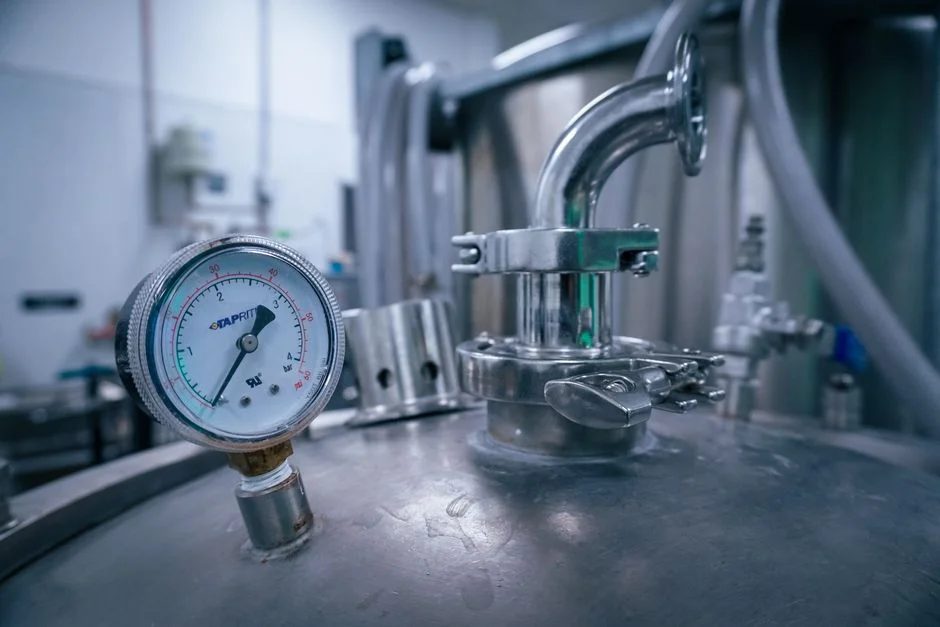
MBR systems reduce concrete and civil footprint by approximately 60% compared to conventional activated sludge, a critical advantage for brownfield refinery or mining sites in Beaumont where space is constrained (HydropureWater & Lamella-clarifier 2026). In FEMA-designated flood zones (AE or VE), Beaumont facilities must elevate critical electrical and mechanical equipment; the compact, modular nature of MBR skids simplifies the construction of elevated pads compared to large-diameter secondary clarifiers. Compliance with ASCE 7-22 Risk Category III/IV hurricane-rated construction standards typically increases structural costs by 15–25% in the Gulf Coast region. For phased implementation, DF-series 0.1 μm PVDF flat-sheet modules offer modular capacities ranging from 32–135 m³/day per module.
Capital and Operating Cost Comparison at Beaumont Scale
At a baseline of 1,000 m³/day, MBR capital expenditure (CAPEX) is approximately 20–40% higher than CAS, with operating expenditure (OPEX) 15–30% higher per cubic meter treated (HydropureWater & Lamella-clarifier 2026). Gulf Coast regional factors—including hurricane-rated civil requirements (+15-25%), humidity-rated electrical enclosures (+10%), and industrial labor costs (+5-10%)—must be factored into the total cost of ownership. Payback periods of 4–6 years are achievable when make-up water costs exceed $2/m³ or when brine disposal via deep-well injection or evaporation ponds represents a significant liability (HydropureWater 2026).
| Cost Driver | MBR Impact | CAS Impact |
|---|---|---|
| CAPEX (1,000 m³/day) | +20–40% (HydropureWater 2026) | Baseline |
| OPEX (per m³) | +15–30% (HydropureWater 2026) | Baseline |
| Energy (Entergy) | Higher (Air-scour/pumps) | Lower (Gravity settling) |
| Chemicals | CIP/Membrane cleaning | Minimal (Coagulants/Polymers) |
For a detailed MBR cost breakdown and payback calculator, facility managers should incorporate costs for PLC-controlled chemical dosing for precipitation and CIP reagents.
Pretreatment and Chemistry Control for Gulf Coast Mining Influent
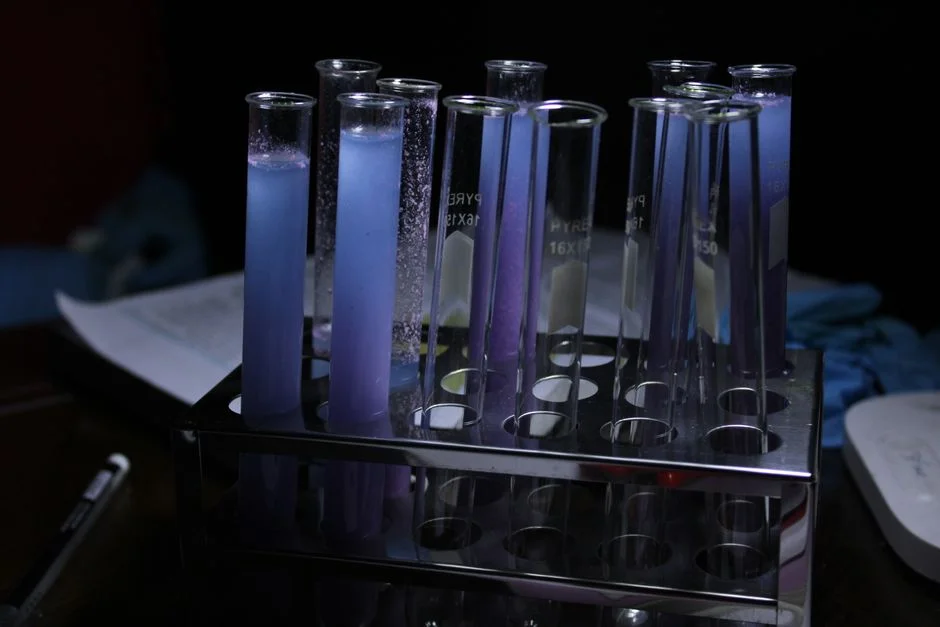
Effective membrane protection requires fine screening to prevent damage from mining debris and abrasive particulates. HydropureWater (2026) specifies that MBR systems require 1–3 mm screening, specifically 1–2 mm for hollow-fiber modules and 2–3 mm for flat-plate modules. A 1-3 mm fine screening to protect MBR membranes is mandatory, often preceded by a dissolved air flotation machine to remove oil, grease, or high-turbidity floatables before equalization. Because sulfate levels above 1,000 mg/L and hardness in the thousands of mg/L (as CaCO3) accelerate scaling, automatic chemical dosing systems must be calibrated to maintain precise pH setpoints—typically 6.5–7.5 for MBR pre-membrane stages compared to 8.5–9.5 for standard CAS metal precipitation (HydropureWater 2026).
Sludge Handling: The Overlooked Cost Driver
MBR waste sludge often exhibits lower settleability and a higher fraction of colloidal particles than CAS waste activated sludge, which directly impacts dewatering efficiency (HydropureWater 2026). Facility managers should avoid selecting dewatering equipment based on generic municipal specifications and instead perform bench-scale testing to size their sludge dewatering press for MBR waste sludge. In the Beaumont area, where landfill disposal costs for Class I/II waste range from $50–120/ton, the ability to achieve higher cake solids through proper polymer conditioning and appropriate press sizing is a primary driver of long-term operational savings.
Decision Framework: Matching Your Beaumont Facility to the Right Train
The selection of a treatment train should be guided by specific influent characteristics and regional economic drivers rather than generic capacity ranges. Facilities facing frequent, unpredictable metal pulses or those with strict reuse mandates typically find that the reliability of MBR outweighs its higher capital intensity. Conversely, large-scale facilities with dilute influent and existing serviceable clarifiers may find that CAS, potentially augmented by tertiary polishing, provides the most cost-effective path to compliance.
| Scenario | Recommended Technology | Key Driver |
|---|---|---|
| Metal-rich influent/Pulse risk | MBR | Solids separation reliability |
| Space-constrained brownfield | MBR | ~60% footprint reduction |
| Reuse value >$2/m³ | MBR | High-quality permeate |
| Large dilute flows (>5,000 m³/day) | CAS | Economy of scale |
For facilities managing specific pretreatment challenges, refer to a mining pretreatment compliance case study or a clarifier vs DAF comparison for metals wastewater to refine the pre-biological treatment train.
Pilot Testing Protocol for Beaumont Conditions
HydropureWater (2026) recommends a 60–90 day pilot study using actual wastewater to validate technical and economic feasibility. The pilot train must include all proposed pretreatment steps—fine screening, equalization, and chemical dosing—to provide accurate data on transmembrane pressure (TMP), normalized flux, and cleaning recovery. Operators must coordinate with TCEQ Region 10 regarding discharge authorization for the pilot effluent. The final pilot report should provide a mass balance for regulated metals and verify the performance of the chosen integrated MBR system with submerged PVDF filtration under seasonal temperature extremes.
Frequently Asked Questions
What is the typical lead time for a 500 m³/day MBR system delivered to Beaumont?
Lead times for DF-series modules are typically 16–22 weeks, with an additional 8–12 weeks required for civil works and system integration, resulting in a total timeline of 6–9 months from purchase order to startup.
How does Texas NPDES permitting differ for MBR vs CAS regarding budget and cost?
Permit limits for pollutants remain identical regardless of technology; however, MBR’s consistent 0.01–1.31 NTU turbidity simplifies the demonstration of compliance for TSS and particulate-bound metals, potentially reducing the risk of non-compliance fines that must be factored into the project budget.
Can MBR permeate go directly to cooling tower makeup?
MBR permeate is not automatically suitable for all reuse applications; it often requires additional treatment, such as reverse osmosis, to manage silica and hardness before being used as boiler feed or cooling water makeup.
What happens to MBR membranes during a hurricane shutdown?
Submerged modules are designed to remain in place during flooding, provided that sensitive electrical components like blowers and control panels are elevated above the 100-year flood level; pilot protocols should include specific shutdown and restart procedures to validate membrane integrity.