Why Rivian's Expansion Changes the Wastewater Profile
The global effluent treatment plant market is projected to grow from USD 8.5 billion in 2024 to USD 15.2 billion by 2033 at a compound annual growth rate of 7.2%, driven by tightening environmental regulations and industrial mandates for water reuse (Market Trends Analysis, 2025).
Expanding an electric vehicle (EV) battery manufacturing facility introduces distinct wastewater streams that cannot be processed through standard industrial effluent treatment plants (ETPs). Unlike light manufacturing effluent dominated by general washdown and suspended solids, gigafactory operations generate complex chemical waste. Each step in the battery manufacturing process—from cathode slurry preparation to cell formation—produces wastewater with high chemical oxygen demand (COD), heavy metal toxicity, solvent concentrations, or high total dissolved solids (TDS).
Engineering teams designing ETP infrastructure for gigafactory expansions must account for four distinct waste streams:
- Electrode Coating Condensate & Washwater: Contains N-methyl-2-pyrrolidone (NMP) solvent from coating line exhaust recovery systems and wash operations. NMP creates extreme COD concentrations and exhibits biological toxicity that disrupts unacclimated activated sludge cultures.
- Cell Assembly & Electrolyte Filling: Generates toxic heavy metal contamination, including dissolved lithium, cobalt, nickel, and manganese. Hydrolysis of lithium hexafluorophosphate ($LiPF_6$) electrolyte introduces free fluoride ions and hydrofluoric acid risks into wash streams.
- Formation & Aging Cycling Brine: Produces high-TDS brine from cell washing, temperature control circuits, and secondary chemical conditioning, requiring desalination before reuse.
- General Facility & Utility Washdown: Yields moderate-COD, biodegradable organics and suspended solids from equipment clean-down, floor washing, and cooling tower blowdown.
These distinct chemical profiles reflect operational challenges evaluated across global battery manufacturing sites, such as those analyzed in the CATL Germany gigafactory wastewater case study, the CATL Texas battery factory wastewater guide, and CATL Mexico gigafactory wastewater engineering baseline reports.
| Wastewater Stream | Primary Contaminants | Key Operational Risk | Target Treatment Mechanism |
|---|---|---|---|
| Electrode Coating | NMP solvent, organic VOCs | Biological toxicity, extreme COD load | Distillation recovery or Advanced Oxidation (AOP) |
| Cell Assembly | Lithium, Nickel, Cobalt, Fluoride | Heavy metal toxicity, regulatory violation | Chemical precipitation + Ion Exchange (IX) |
| Formation Cycling | High TDS, inorganic salts | Scaling, osmotic pressure on membranes | Membrane desalination (RO) + Thermal ZLD |
| Facility Washdown | Suspended solids, moderate COD | Variable hydraulic loading | Membrane Bioreactor (MBR) |
Stream Segregation and Equalization Strategy
Equalization systems manage sudden changes in flow and pollutant concentration to ensure biological and chemical systems perform reliably (WTE Infra, 2025).
Industrial wastewater characteristics vary across production shifts, but EV gigafactories experience pronounced batch variability. Electrode coating lines run in dedicated production campaigns, yielding intermittent spikes of concentrated NMP. Cell formation runs continuously but generates variable brine volumes depending on thermal management cycles. Combining these streams in a single equalization basin causes severe process upsets: NMP solvents inhibit biological nitrification, while high TDS streams disrupt biological floc formation via osmotic shock.
An effective ETP architecture isolates streams at the source before hydraulic or chemical mixing occurs:
- Solvent Stream Isolation: NMP condensate is segregated directly at the coating line. Dedicated recovery units extract high-purity NMP via vacuum distillation, while dilute rinse streams pass to Fenton-based advanced oxidation processes (AOP) or specialized UV/ozone units to break down residual solvents before any biological contact.
- Heavy Metal Precipitation Train: Washwater from cell filling and washing routes to a dedicated chemical precipitation tank. Hydroxide dosing raises pH to precipitate nickel, cobalt, and manganese, while lime additions precipitate fluoride as calcium fluoride ($CaF_2$). Flocculated solids settle in a high-efficiency sedimentation tank, with the resulting slurry dewatered through a plate and frame filter press for off-site hazardous waste disposal.
- High-TDS Brine Bypass: Brine from formation cycling bypasses biological treatment entirely. The stream flows through an ultrafiltration system for particulate removal, followed by a high-pressure reverse osmosis system and an electrodeionization system to yield high-purity water for cathode production make-up.
Technology Selection Matrix: MBR vs. Conventional + Tertiary vs. ZLD
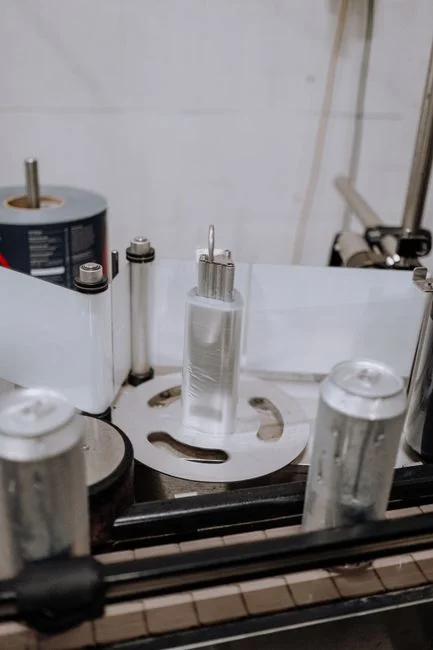
The industrial effluent treatment market is shifting toward membrane-based filtration and zero-liquid discharge configurations to maximize internal water recovery (Market Trends Analysis, 2025).
Selecting the secondary and tertiary ETP architecture requires evaluating capital expenditure (CAPEX), operational expenditure (OPEX), footprint constraints, and target water quality. Conventional Activated Sludge (CAS) coupled with tertiary clarifiers and media filters requires a large physical footprint and produces high sludge volumes. Integrating an MBR system for near-reuse-quality effluent combines biological oxidation with submerged membrane separation, eliminating secondary clarifiers and reducing ETP footprint by up to 60% while producing silt density index (SDI) values suitable for direct feed into reverse osmosis.
For high-TDS concentrate management, pairing an RO system for high-TDS brine concentration and water reuse with downstream thermal evaporators and crystallizers achieves complete Zero Liquid Discharge (ZLD). Chemical conditioning across all trains relies on an automatic chemical dosing system to maintain control over coagulants, antiscalants, and clean-in-place (CIP) chemicals.
| Evaluation Metric | Conventional CAS + Tertiary | Integrated MBR System | MBR + RO + ZLD Evaporator |
|---|---|---|---|
| Effluent Quality | TSS < 15 mg/L, BOD < 20 mg/L | TSS < 1 mg/L, Turbidity < 0.2 NTU | Distillate TDS < 10 mg/L (Ultrapure) |
| Physical Footprint | Baseline (100% space required) | 60% footprint reduction | 40% space reduction vs. CAS + ZLD |
| Liquid Discharge Volume | 100% of treated volume | 100% of treated volume | 0% (Zero Liquid Discharge) |
| Energy Intensity | Low (0.3–0.6 kWh/m³) | Moderate (0.8–1.2 kWh/m³) | High (15–25 kWh/m³ overall) |
| Sludge Production | High biological yield | Low biological yield | Low bio-sludge + dry salt cake |
Sizing, Membrane Fouling Risks, and Vendor Evaluation Checklist
Operating expenses for industrial treatment infrastructure are defined by per-kilolitre costs, including chemical consumption, energy demand, and sludge disposal (WTE Infra, 2025).
Sizing gigafactory ETP systems solely on average daily production rates causes hydraulic bottlenecks during peak campaign washdowns. Engineering specifications must use peak hourly hydraulic rates derived from line-by-line batch schedules, adding a minimum 20% process contingency margin to accommodate future battery assembly line expansions.
Membrane fouling presents a critical operational risk in battery ETPs. Residual NMP and organic solvents swell standard polymeric ultrafiltration membranes, causing pore structure degradation. UF systems downstream of solvent-bearing streams must specify solvent-resistant chemistries or ceramic membrane modules. For high-TDS brine polishing, silica and sulfate scaling on reverse osmosis membranes is mitigated by precise dosing via an automatic chemical dosing system coupled with scheduled CIP routines.
Sludge management requires separation of non-hazardous biological solids from hazardous heavy metal precipitates. Chemical sludge generated from hydroxide precipitation of cell assembly effluent must be processed using a dedicated plate and frame filter press to achieve high cake solids percentages, reducing hazardous off-site disposal volumes.
When evaluating ETP equipment suppliers, engineering procurement teams should verify four technical criteria:
- Demonstrated NMP Capability: Vendor reference sites demonstrating successful recovery or destruction of NMP solvents without downstream biological pass-through.
- Heavy Metal Removal Performance: Validated multi-stage precipitation and ion exchange reference data achieving residual lithium, nickel, and cobalt concentrations below 0.1 mg/L.
- ZLD Thermal Integration: Proven operational track record integrating falling-film evaporators and forced-circulation crystallizers on high-silica battery brines.
- Local Service & Autopsy Support: Local technical support centers capable of performing membrane autopsies, chemical cleaning optimization, and rapid spare parts delivery.
Frequently Asked Questions
What input data is required to determine the CAPEX and OPEX for an EV battery gigafactory ETP?
ETP capital and operating costs depend on specific wastewater characterization rather than generic flow-based pricing. A reliable project quotation requires detailed raw wastewater data—including peak hourly flows, pH ranges, COD/BOD ratios, heavy metal species (Li, Ni, Co, Mn), fluoride concentrations, and TDS levels—alongside target discharge or reuse water standards (WTE Infra, 2025). Operational expenditure must be modeled per kilolitre of treated water, incorporating electrical consumption, chemical dosing requirements, membrane replacement cycles, and hazardous sludge disposal fees.
What lead times should engineering teams budget for skid-mounted MBR units compared to ZLD thermal evaporators?
Skid-mounted MBR units and tertiary filtration packages generally carry manufacturing and delivery lead times of 16 to 24 weeks following finalized P&ID approval. Thermal zero-liquid discharge equipment—including falling-film brine concentrators and forced-circulation crystallizers constructed from high-nickel alloys—typically requires 28 to 36 weeks for fabrication, factory testing, and delivery. Project procurement schedules must issue long-lead RFPs for thermal ZLD units early during basic engineering.
Can treated EV battery effluent be discharged directly to local municipal sewers without ZLD?
Direct municipal discharge is permissible only if the local Publicly Owned Treatment Works (POTW) grants a specific industrial pretreatment permit accepting high TDS, fluoride, and trace metal loads. Under U.S. Federal pretreatment standards (such as 40 CFR Part 433 metal finishing limits), industrial facilities must perform on-site chemical precipitation and solids separation to lower heavy metals below toxic thresholds before discharge, even if thermal ZLD brine concentration is not mandated locally.
How long does pilot testing take to validate solvent treatment and membrane scaling resistance?
Pilot testing for complex EV battery wastewater streams typically requires 8 to 12 weeks of continuous, steady-state operation. This duration ensures the pilot system operates across multiple campaign production cycles, validating biological toxicity tolerance to trace NMP, verifying antiscalant efficacy against silica scaling in reverse osmosis units, and establishing accurate chemical consumption rates under fluctuating plant loads.