
Start with the discharge destination and wastewater profile
An effluent treatment plant in Belo Horizonte is a site-specific treatment train that converts industrial wastewater into an effluent meeting the applicable discharge or reuse requirement. The right configuration depends on flow, BOD, COD, suspended solids, fats, oils and grease, pH, toxicity, metals and the final destination of the water. CONAMA Resolution 430/2011 provides national industrial discharge limits, including 60 mg/L BOD, 100 mg/L TSS and pH from 6 to 9 for discharges into water bodies, but the permit and sewer authority may impose different conditions. Package biological plants, DAF, MBR and membrane polishing should therefore be selected only after representative wastewater testing and regulatory review.
The discharge destination determines the evidence required. Direct discharge to a water body requires comparison against the applicable national, state and site-specific conditions. Discharge through the municipal sewage network requires confirmation of the receiving authority’s pretreatment and sewer-discharge requirements. On-site reuse requires an intended end use, water-quality specification and treatment validation; a zero-discharge concept requires a quantified water balance and a feasible residual-management route.
Use CONAMA Resolution 430/2011 as the national framework identified by the HydroPureWater article on industrial wastewater treatment in Belo Horizonte, published in 2026. That article cites limits of 60 mg/L BOD, 100 mg/L TSS and pH from 6 to 9 for effluents discharged into water bodies. It also states that COPAM/MG or the receiving sewer authority may impose stricter or site-specific conditions. These limits are not a substitute for the current permit or a sewer-discharge agreement.
Before final equipment selection, request representative testing across the operating schedule. At minimum, obtain flow, pH, BOD, COD, TSS, FOG, metals and toxicity, together with parameters specific to the process or sector. Samples should represent normal production, cleaning, batch discharges and the dilution conditions accepted by the regulator. The analytical method, sampling point and detection limits should be defined so that influent data can be compared directly with the final effluent specification.
Activated-sludge designs also need an explicit solids-separation risk assessment. Research by the Revista Ibero-Americana de Ciências Ambientais, published in 2014, identifies filamentous bulking as an operational problem associated with poor biological-sludge sedimentation; it reports significant reductions in COD and BOD removal and loss of suspended solids in treated effluent where Brazilian pulp and paper plants experienced this condition. The design should therefore include sludge-settleability monitoring, wasting controls and corrective actions rather than relying on reactor capacity alone.
| Decision point | Evidence or input required | Design consequence |
|---|---|---|
| Direct discharge | Current permit, receiving-water conditions and applicable Minas Gerais requirements | Define the final effluent specification before selecting a process |
| Municipal sewer discharge | Receiving-authority criteria, connection conditions and discharge agreement | Determine required pretreatment and monitoring |
| On-site reuse | End use, water-quality target, variability and reuse demand | Add necessary polishing and disinfection |
| Representative influent | Flow, pH, BOD, COD, TSS, FOG, metals, toxicity and sector-specific parameters | Establish mass and hydraulic loads |
Where chemical dosing may be needed for pH correction, coagulation, flocculation or precipitation, an automatic chemical-dosing system can be scoped as a controlled process element. Biological options should be assessed separately, including the engineering distinctions in MBR versus conventional activated sludge.
Map each industrial stream to a treatment train
Each industrial stream should be matched to its dominant contaminant categories before equipment is selected. A food plant with high fats and biodegradable organics needs different pretreatment from a textile plant with color, suspended solids and difficult-to-precipitate contaminants; a metalworking plant needs controlled removal of oils and metals; and a pharmaceutical plant may require a barrier against recalcitrant or trace compounds.
| Industrial stream | Published screening characteristics | Indicative treatment sequence | Critical design question |
|---|---|---|---|
| Food and beverage | High BOD and significant FOG | Screening and equalization; primary separation; biological treatment; solids separation; polishing or disinfection as required | How much soluble and emulsified organic load remains after equalization? |
| Textile | High color, COD and suspended solids | Coagulation and flocculation; DAF; biological or advanced treatment as required | Which pollutants are particulate, and which require chemical oxidation or biological removal? |
| Metalworking and automotive | Free and emulsified oils plus dissolved metals | DAF; precise dosing; precipitation or other metal-removal stages; polishing as required | What are the oil, metal and pH limits in the permit? |
| Pharmaceutical and chemical | Recalcitrant organics and trace contaminants | Source control and equalization; biological treatment; advanced oxidation or MBR assessment; polishing | Which specific compounds require removal, and what analytical detection limits apply? |
The HydroPureWater Belo Horizonte article, published in 2026, identifies BOD from 500 to 2,000 mg/L as typical for food and beverage effluents and notes their significant FOG content. It recommends primary separation followed by robust biological treatment. That sequence addresses the two different loads: physical separation removes free oil, grease and settleable material, while biological treatment addresses biodegradable dissolved and particulate organics. Sector averages are screening references only; each plant must use its own representative analysis.
For textile effluent, the same 2026 article reports COD commonly between 800 and 3,000 mg/L and recommends coagulation and flocculation before DAF where color, COD and suspended solids are central challenges. An industrial DAF system for Belo Horizonte wastewater pretreatment can therefore have a defined role in solids capture, but coagulation chemistry and the biological or advanced stage must be defined with the same wastewater data.
Metalworking and automotive streams require DAF for free and emulsified oils, followed by precise chemical dosing and precipitation where dissolved metals must be removed, according to the 2026 HydroPureWater analysis. Pharmaceutical and chemical streams require assessment of advanced oxidation or MBR because recalcitrant organics and trace contaminants may resist conventional biological degradation. A compact MBR wastewater treatment system may be relevant, but it is not automatically the required answer.
The process sequence should be explicit: screening and equalization; primary separation; biological or chemical treatment; solids separation; polishing where required; disinfection where required; and final monitoring before discharge or reuse. For decentralized non-industrial applications, a WSZ integrated sewage-treatment unit is a packaged option, but its suitability does not replace characterization of an industrial effluent.
Compare the main treatment technologies
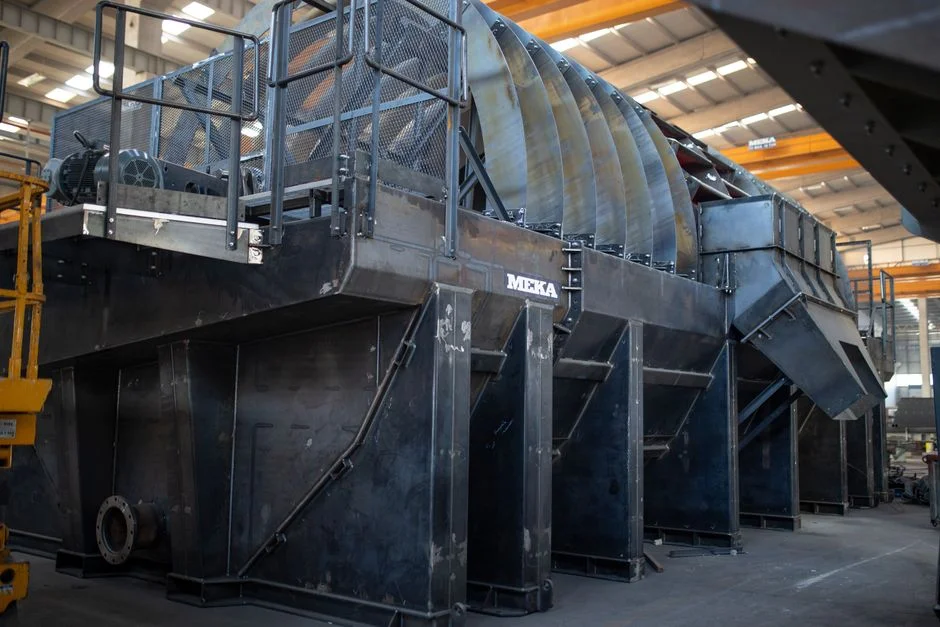
DAF, UASB, activated sludge, package plants and MBR perform different functions in a treatment train. The correct comparison is therefore between matched flows and treatment duties, not headline removal percentages.
| Technology | Published scope or performance | Principal role | Buyer must verify |
|---|---|---|---|
| DAF | Flow range of 4–300 m³/h and 90–95% TSS and FOG removal, according to the 2026 HydroPureWater article | Physical pretreatment for suspended solids, oil and grease | Actual contaminant loading, flotation performance, skimming and sludge withdrawal |
| UASB | Reported COD removal of 70–85% at 5–10 kg COD/m³·d organic loading, according to the 2026 HydroPureWater article | Anaerobic organic-load reduction where the wastewater is suitable | Biodegradability, reactor design, temperature effects and residual-solids treatment |
| WSZ package plant | Flow range of 1–80 m³/h and 85–92% BOD removal, according to the 2026 HydroPureWater article | Compact anoxic/aerobic biological treatment for decentralized applications | Influent characteristics, footprint, controls and final polishing needs |
| MBR | Reported footprint reduction of up to 60% and TSS below 10 mg/L, according to the 2026 HydroPureWater article | Combined biological treatment and membrane solids separation | Membrane flux, cleaning, pretreatment, aeration, sludge handling and reuse target |
| Membrane polishing | University of Twente thesis states that nanofiltration is suitable for polishing wastewater-treatment-plant effluent | Advanced separation for reuse-sensitive applications | Complete-process performance, membrane fouling, recovery, reject and end-use validation |
DAF is a compact physical pretreatment option rather than a complete solution for every organic load. The reported 4–300 m³/h range and 90–95% TSS and FOG removal are screening values from the 2026 HydroPureWater article and require confirmation against the actual oil and solids loads.
UASB is reported in that article at 70–85% COD removal and 5–10 kg COD/m³·d loading. These are reported values, not a guarantee for a new industrial reactor; wastewater biodegradability and reactor design must be validated. The same caution applies to the WSZ package plant’s reported 1–80 m³/h flow range and 85–92% BOD removal.
MBR differs from conventional activated sludge because membrane separation replaces reliance on a separate clarifier for the reported effluent-quality claim. The 2026 HydroPureWater article reports up to 60% less footprint and TSS below 10 mg/L; it also describes MBR as suitable for reuse-oriented treatment. Those claims must be tied to the complete process and intended application.
For polishing, Schrader’s University of Twente thesis, Direct nanofiltration of wastewater treatment plant effluent, states that nanofiltration can polish treatment-plant effluent to produce water suitable for agricultural or direct/indirect potable use as assessed in that study. This supports evaluating polishing, but does not establish a site’s reuse approval or guarantee. Nanofiltration performance must be demonstrated for the actual upstream effluent and intended use.
Size the plant from verified operating data
Plant size should be based on verified flow and contaminant loads, not the closest equipment model. The minimum brief should include average and peak flow, wastewater variability, operating schedule, production changes and available footprint.
Representative influent concentrations are required for each treatment stage. Sector-average BOD or COD can support early screening, but it cannot establish hydraulic loading, chemical demand, biological feed or membrane loading. The design should also state whether the flow record includes stormwater, washdown, production rejects and intermittent discharges.
For DAF, verify hydraulic loading, contaminant loading, flotation performance, skimming, sludge withdrawal and the effect of variable oil and solids inputs. Confirm how the equipment handles the worst credible combination of flow and contaminant load, not simply the daily average. The DAF equipment scope should include its required pretreatment and sludge interface.
For biological systems, evaluate hydraulic retention, organic loading, solids separation, sludge wasting and controls for settling. If poor settling is a credible risk, the design needs monitoring and an operational response. A high-efficiency sedimentation tank can be evaluated as a solids-separation element, but upstream and downstream duties remain part of the same design.
For MBR and membrane polishing, define membrane flux, cleaning strategy, pretreatment needs, recovery, reject handling and the water-reuse end use. The ultrafiltration system should be assessed against the required separation duty rather than selected from nominal throughput alone. Every duty point should state flow, concentration, operating condition and required result.
Build the compliance, monitoring and sludge plan
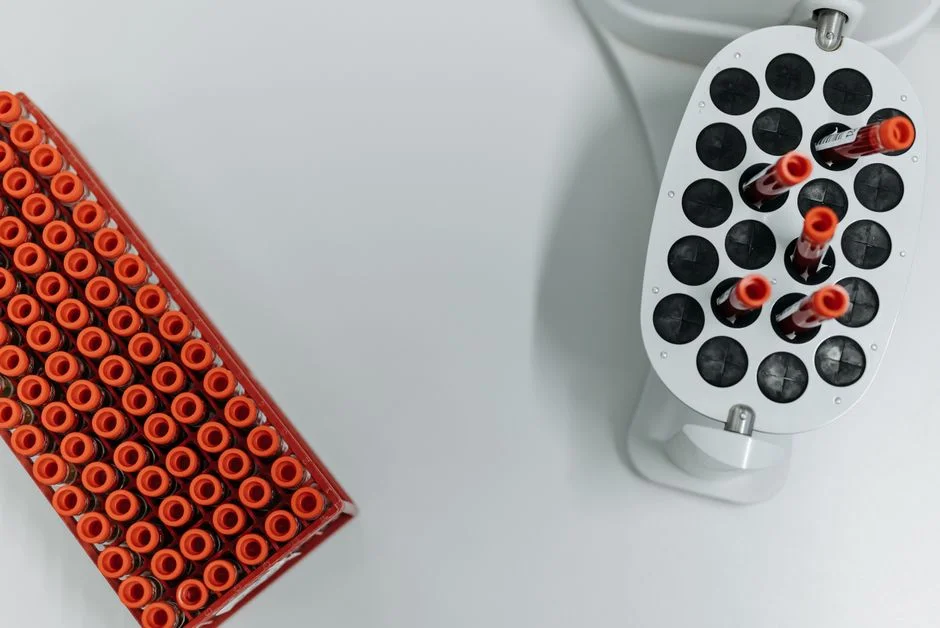
Treatment hardware does not establish compliance without monitoring, operating records and a residual-management plan. The 2026 HydroPureWater Belo Horizonte article states that industries should conduct regular monthly monitoring and maintain detailed treatment logs for environmental audits and inspections.
Define monitoring points for flow, pH, temperature, TSS and turbidity, then add the parameters required by the permit, sewer agreement or reuse specification. Identify sampling locations, instruments, calibration duties, laboratory methods, alarm set points and record retention. Compliance should be evaluated against the permitted condition, not only an internal control target.
Where pH, coagulation, flocculation or precipitation must be controlled precisely, chemical dosing is part of the process rather than a minor accessory. The 2026 HydroPureWater analysis identifies PLC-controlled dosing as important for consistent pH adjustment and chemical treatment. An automatic chemical-dosing system should therefore be specified with chemical demand, storage, duty/standby arrangement, verification and containment.
Biological sludge and dewatering must also appear in the plant scope. Research published by the Revista Ibero-Americana de Ciências Ambientais in 2014 identifies sludge disposal as a major challenge for industries using activated sludge; its refinery study found that biological sludge did not meet all criteria for direct natural application to soil. That finding does not determine the correct disposal route for another facility, but it demonstrates why destination, characterization and local acceptance cannot be assumed.
The HydroPureWater 2026 article lists a plate-and-frame filter-press catalog range of 1–500 m² filtration area and 40–60% solids capture. Those are catalog values, not a project design. Use the plate-and-frame filter press to scope sludge-dewatering alternatives after sludge generation, solids characteristics, cake handling and disposal route are established.
Estimate capital cost and total ownership
The published capital ranges are screening values, not quotations for an effluent treatment plant in Belo Horizonte. The 2026 HydroPureWater article gives the following ranges:
| Equipment category | Indicative capital range | Other published scope | Items to add before comparison |
|---|---|---|---|
| DAF | US$30,000–250,000 | 4–300 m³/h; reported 90–95% TSS and FOG removal | Tankage, pumping, controls, sludge handling, civil works and installation |
| MBR | US$80,000–1.2 million | Reported TSS below 10 mg/L and footprint reduction of up to 60% | Membranes, aeration, pretreatment, controls, commissioning and replacement reserve |
| WSZ package plant | US$20,000–180,000 | 1–80 m³/h; reported 85–92% BOD removal | Installation, utilities, external controls, sludge removal and site works |
| Plate-and-frame filter press | US$15,000–200,000 | 1–500 m² catalog filtration area; reported 40–60% solids capture | Sludge feed preparation, cake handling, wash, accessories and disposal |
The same source states that costs vary significantly with flow, contaminant levels and technology. A site-specific price cannot be selected from those ranges alone. Request itemized quotations covering civil works, equipment, installation, electrical and controls, chemicals, membranes, commissioning, training, sludge handling and contingency.
Evaluate operating costs through energy, chemicals, membrane cleaning, maintenance, monitoring, waste disposal and replacement requirements. A higher-performing process may be justified when the permit, reuse plan or operating constraints require it; otherwise, added treatment stages may not be economically or operationally justified.
When comparing quotations, separate equipment price from the installed process price. Also identify exclusions, performance assumptions, utility requirements and replacement obligations. The MBR system price, DAF price and package-plant price are not comparable unless their scopes and treatment duties are aligned.
Prepare a supplier-ready technical package
A supplier-ready package should allow quotations to be compared against the same wastewater, destination and performance requirements. Include the wastewater analysis, flow records, process schematic, equipment list, duty points, materials, controls, utilities, commissioning plan, operating manual and warranty terms.
Ask each supplier to identify design assumptions, pretreatment requirements, performance guarantees, guarantee tests, availability assumptions and exclusions. Require written confirmation that the proposed process addresses the current permit or sewer-discharge conditions and the intended reuse quality. Any claimed removal or effluent value should be tied to a defined influent basis and test method.
Compare lifecycle cost, footprint, installation disruption, operator skill, maintenance access and supply-chain support rather than headline removal percentages. Ask who performs installation, commissioning, operator training and corrective work, and what spare parts and membrane consumables are required.
Confirm that site-specific values are checked against the current permit, representative influent testing and the final equipment proposal. This is consistent with the caution in the supplied HydroPureWater material to verify site-specific design values. The 2026 industrial effluent treatment plant guide provides a useful cross-market structure, but local permit and sewer conditions must still govern the Belo Horizonte project.
Frequently Asked Questions
How much does an industrial effluent treatment plant in Belo Horizonte cost?
The 2026 HydroPureWater article lists indicative capital ranges of US$30,000–250,000 for DAF, US$80,000–1.2 million for MBR, US$20,000–180,000 for a WSZ package plant and US$15,000–200,000 for a plate-and-frame filter press. These are screening ranges, not plant quotations. Request a final price only after supplying measured flow, representative contaminant results, the required effluent or reuse quality, site utilities and installation conditions; also request itemized civil, equipment, commissioning, sludge and operating-cost exclusions.
How do I size an industrial wastewater treatment plant for a factory in Belo Horizonte?
Size from verified operating data: average and peak flow, variability and operating schedule; representative pH, BOD, COD, TSS, FOG, metals and toxicity; future production changes; and the intended discharge or reuse specification. For DAF, confirm hydraulic and contaminant loading; for biological systems, verify retention and sludge separation; and for MBR or polishing, define membrane flux, cleaning, recovery and reject handling. Do not select a model from a sector-average BOD or COD value alone.
What effluent quality is required under Minas Gerais discharge standards?
CONAMA Resolution 430/2011 is the national framework identified by the 2026 HydroPureWater article, which cites 60 mg/L BOD, 100 mg/L TSS and pH from 6 to 9 for discharges into water bodies. That article also states that COPAM/MG or the receiving sewer authority may impose stricter or site-specific conditions. The buyer must obtain the current permit and applicable sewer or state requirements and then design against the controlling limits.
Should I choose DAF, UASB, MBR or another treatment technology?
No technology is universally best. DAF primarily addresses suspended solids, oil and grease; UASB is an anaerobic option for wastewater with suitable biodegradable organic load; MBR combines biological treatment with membrane solids separation; and membrane polishing addresses an advanced reuse or contaminant-removal duty. Compare suppliers by asking them to identify the treatment stage, influent assumptions, performance basis, pretreatment, controls, sludge route, guarantees and exclusions for the same project duty. This avoids treating published removal percentages as interchangeable equipment guarantees.
Related Equipment
- industrial DAF system for Belo Horizonte wastewater pretreatment — specifications, capacity range, and technical data