Define the Effluent Treatment Objective Before Choosing Equipment
An effluent treatment plant in Querétaro is a site-specific industrial system that converts wastewater into a stream suitable for the required discharge, sewer-pretreatment or reuse objective. The correct train depends on the contaminants and flow: DAF can remove suspended solids, oil and grease, FOG and colloidal material; biological systems can address biodegradable organics; MBR or ultrafiltration can polish solids; nanofiltration may further polish WWTP effluent for reclamation. RevenueBase identified 7 Querétaro company records among 123 Mexican matches for effluent treatment plant construction in September 2026, but supplier presence alone does not establish technical suitability. Selection should follow characterization, treatment objectives, regulatory route, reuse needs and full-life operating requirements.
Define the endpoint before comparing equipment. A sewer-pretreatment project may only need source control, screening, oil and grease removal, equalization and a controlled discharge into the sewer system. A final industrial discharge requires the applicable permit conditions and receiving-water constraints to be identified. On-site reuse adds a water-quality specification for the intended use, while a closed-loop objective requires stability, recovery and residual-management criteria rather than simply an outlet-quality target.
An industrial effluent treatment plant is not a municipal sewage treatment system, and a packaged sewage plant intended for domestic wastewater should not be selected merely because both are described as treatment plants. Industrial streams can contain oils, FOG, sanitizers, process chemicals, metals or other constituents that require a different design basis. The project brief should therefore state whether the system is pretreatment, final treatment, water recovery or closed-loop treatment.
The supplied research does not provide a Querétaro discharge-limit table. Obtain the applicable permit conditions, sewer limits, reuse destination, receiving-water constraints and monitoring parameters directly from the relevant authority or client documentation. Do not allow a bidder to substitute generic limits without identifying their legal or project basis.
Primary removal and polishing solve different problems. The supplied DAF product data identifies DAF as a removal stage for suspended solids, FOG, oil and grease and colloidal matter. By contrast, the University of Twente describes nanofiltration as a technique for polishing wastewater-treatment-plant effluent and assessing its reclamation potential. That distinction matters when comparing a Mexico industrial wastewater compliance requirements review: primary stages remove the bulk of identified contaminants, while polishing is considered after the upstream stream has been adequately prepared.
Finally, rank the project priorities explicitly. State whether the dominant requirements are contaminant removal, reliable recovery, footprint, chemical consumption, automation, sludge handling or a combination. A technically comparable proposal must demonstrate performance against those priorities rather than against a generic “effluent treatment plant” label.
Characterize Flow, Load and Contaminants
Equipment selection begins with a wastewater inventory, not a catalogue selection. Separate production streams, washwater, floor drainage, cooling blowdown, batch dumps, sanitizers and other concentrated contributions. For each stream, record its source, operating schedule, variability, destination and whether it can be segregated for recovery. This step exposes dilute bulk flow that could dominate plant sizing and concentrated slugs that could overload equalization or biological treatment.
- Establish flow: record average flow, peak flow, operating schedule, batch-dump behavior, storage requirements and process-water recovery targets.
- Establish contaminants: request representative laboratory and field data for pH, oil and grease, suspended solids, colloids, biodegradable organics, nutrients, dissolved salts, temperature and process-specific contaminants.
- Establish variability: document production changes, seasonal effects, campaign discharges, sampling points and sample frequency.
- Establish the design basis: combine flow, load and variability before selecting nominal equipment capacity or treatment intensity.
Representative sampling is more useful than a single grab sample. Identify where each sample was taken, whether it represents normal production or a batch event, and which production conditions were active. If sanitizers or other shock loads are present, identify their product, concentration and discharge method; otherwise, a nominal flow may conceal the condition that controls equipment performance.
| Design-basis input | Information required | Decision affected |
|---|---|---|
| Flow and schedule | Average flow, peak flow, operating pattern, batch dumps and storage requirement | Equalization, screening, pumping and treatment capacity |
| Physical contaminants | Suspended solids, colloids, oil and grease, FOG, temperature and pH | Protection, DAF, separation and biological compatibility |
| Organic and nutrient load | Biodegradable organics and nutrients, with production variability | Whether biological treatment is justified |
| Process-specific constituents | Metals, sanitizers or identified process chemicals | Treatment barriers, chemical controls and residual handling |
| Reuse or discharge basis | Destination, applicable conditions and intended water quality | Final polishing, monitoring and residual-management design |
Use the GX Series rotary mechanical bar screen for continuous-duty debris removal only when the wastewater inventory shows a need to protect downstream pumps, valves or biological treatment from rags, plastics, fibrous debris and suspended solids. Screening does not remove dissolved contaminants or fine suspended material, so it should not be treated as a substitute for clarification or solids separation.
Do not select DAF or a biological stage from flow alone. The supplied DAF evidence supports its use for suspended solids, FOG, oil and grease and colloidal matter. Biological suitability requires evidence that the relevant organic load is biodegradable and compatible with the proposed process. Request wastewater characterization before equipment capacity or process train is fixed.
Match Each Treatment Stage to the Contaminant
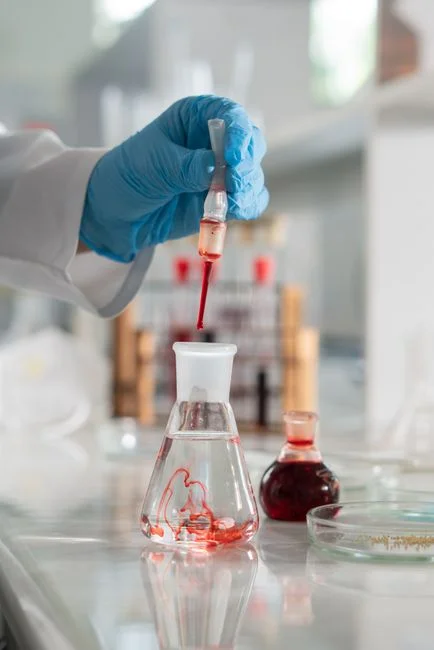
A coherent treatment train follows the contaminant pathway from inlet to residual disposal. Equalization and protection come first; primary removal addresses floating, emulsified and settleable material; biological or physico-chemical treatment addresses the remaining load; solids separation follows; polishing is added when required by the endpoint; and sludge, concentrate or spent-media management remains part of the plant scope. Disinfection should be included where the reuse destination or operating risk requires it, rather than added by default.
Use a DAF system for industrial oil, FOG and solids removal as a primary-removal option where the wastewater contains suspended solids, FOG, oil and grease or colloidal material. The supplied product information identifies food processing, pulp and paper, textile, metalworking, petrochemical and municipal pretreatment applications, with a range of 4–300 m³/h across 13 standard models. Those specifications establish an equipment envelope, not proof that DAF alone will meet a project endpoint.
Use an integrated MBR membrane bioreactor where biological treatment and fine solids separation are required in one package. The supplied data gives a capacity range of 10–2,000 m³/day and states that the membranes provide filtration below 1 μm. The unit also combines activated sludge with submerged PVDF membrane filtration and is described as producing near-reuse-quality effluent. The proposed wastewater characterization must demonstrate that biological loading and pretreatment are compatible with that configuration.
Use an ultrafiltration stage where bacteria, colloids and suspended solids must be removed without chemical cleaning agents. The supplied system data specifies 2,000–40,000 L/h capacity, 0.03-micron hollow-fiber PVDF membranes, automatic backwash and air scour. UF is a separation and polishing barrier; it does not remove dissolved contaminants that the membrane cannot retain, so upstream removal remains essential where salts, residual organics or other dissolved constituents matter.
Constructed wetlands should be treated as a research-supported polishing concept for micropollutants, not an automatic industrial fit. Wageningen University and Research’s doctoral thesis, published 23 September 2022, examined removal of micropollutants from wastewater-treatment-plant effluent by constructed wetlands. It does not establish a universal plant specification for Querétaro, and it does not replace project-specific hydraulic, contaminant and land-area evaluation.
| Treatment route | Primary role | Source-bounded equipment data | Key qualification |
|---|---|---|---|
| DAF | Suspended solids, FOG, oil and grease and colloidal material | 4–300 m³/h; 13 standard models | Requires appropriate oil, solids and colloid characterization |
| Integrated MBR | Biological treatment plus fine solids separation | 10–2,000 m³/day; filtration below 1 μm | Biodegradable load and upstream pretreatment must be established |
| Ultrafiltration | Bacteria, colloids and suspended solids without chemical cleaning agents | 2,000–40,000 L/h; 0.03-micron PVDF; automatic backwash and air scour | Does not replace dissolved-contaminant removal |
| Constructed wetlands | Research-supported polishing concept for micropollutants | Wageningen thesis published 23 September 2022 | No universal flow, footprint or performance specification established for this project |
| Nanofiltration | Polishing WWTP effluent and assessing reclamation potential | University of Twente doctoral research | Upstream effluent quality and reuse verification basis must be defined |
Treatment stages should be combined when the objective requires both bulk-contaminant removal and polished reuse. For example, DAF may precede biological treatment where oil, FOG and solids would compromise the biological stage; an MBR or UF unit may follow when fine solids separation is required; and additional membrane treatment may be justified for a defined reclamation endpoint. No supplied source supports one universal configuration for an effluent treatment plant in Querétaro.
Compare Effluent Treatment Routes by Decision Criteria
The most defensible comparison links each route to a contaminant group, a required outlet and evidence the bidder must provide. DAF is a primary-removal option; biological treatment addresses biodegradable load; MBR combines biological treatment with membrane solids separation; UF provides fine physical separation; and membrane reclamation adds another barrier where the reuse objective requires it. Footprint and operating complexity cannot be ranked honestly from the supplied data because comparable full-plant figures are absent.
The DAF specification is bounded at 4–300 m³/h across 13 standard models, with the supplied data identifying high-efficiency removal of suspended solids, FOG, oil and grease and colloidal matter. The MBR specification is bounded at 10–2,000 m³/day, combining activated sludge and submerged PVDF membrane filtration, near-reuse-quality effluent and filtration below 1 μm. The UF specification is bounded at 2,000–40,000 L/h, using 0.03-micron hollow-fiber PVDF membranes, with removal of bacteria, colloids and suspended solids without chemicals and automatic backwash plus air scour.
Deployment evidence should be treated as a reference, not a performance guarantee. John Cockerill’s project references document a compact biological plant for a pharmaceutical factory installed within two 40-foot containers and another compact treatment plant installed within a standard 20-foot container. Those examples show that containerized configurations have been deployed; they do not establish the footprint, output or suitability of a comparable installation in Querétaro.
| Criterion | DAF | Integrated MBR | UF polishing | Membrane reclamation |
|---|---|---|---|---|
| Target role | Remove suspended solids, FOG, oil and grease and colloidal material | Remove biodegradable organics and separate fine solids | Remove bacteria, colloids and suspended solids | Polish WWTP effluent for a defined reclamation application |
| Source-bounded capacity | 4–300 m³/h | 10–2,000 m³/day | 2,000–40,000 L/h | No universal project flow established in supplied research |
| Chemical involvement | Confirm coagulant or pH-control demand from wastewater tests | Confirm biological nutrient and pH-control requirements | Supplied data states removal without chemical cleaning agents | Confirm pretreatment, cleaning and scaling-control requirements |
| Operating complexity | Requires solids handling and verification of flotation performance | Combines biological operation with membrane maintenance | Requires backwash, air scour and membrane-condition monitoring | Requires concentrate and membrane-fouling management |
| Reuse potential | Usually upstream of biological or polishing stages | Near-reuse-quality effluent stated in supplied data | Polished physical separation; dissolved load remains | Potential for agricultural or indirect potable usage assessed by University of Twente |
| Evidence to request | Contaminant-specific performance and sludge characterization | Organic-loading basis, membrane design and operating scenarios | Feed-water basis, flux and cleaning assumptions | End-use specification, recovery, concentrate route and verification plan |
Do not rank these routes with a generic efficiency percentage. The supplied research does not provide comparable performance, cost, footprint or lifecycle data across all alternatives, and wastewater-specific testing can change the ranking. Require each bidder to demonstrate suitability against the same characterization, flow, outlet and residual-handling criteria.
For industrial streams with substantial oil or solids, compare DAF against the selected clarification approach using the actual wastewater. The project guide on DAF versus clarifier for industrial wastewater provides a useful technical frame for that comparison, but the process decision still depends on the facility’s wastewater and required outlet.
Plan Reuse Polishing and Residual Handling
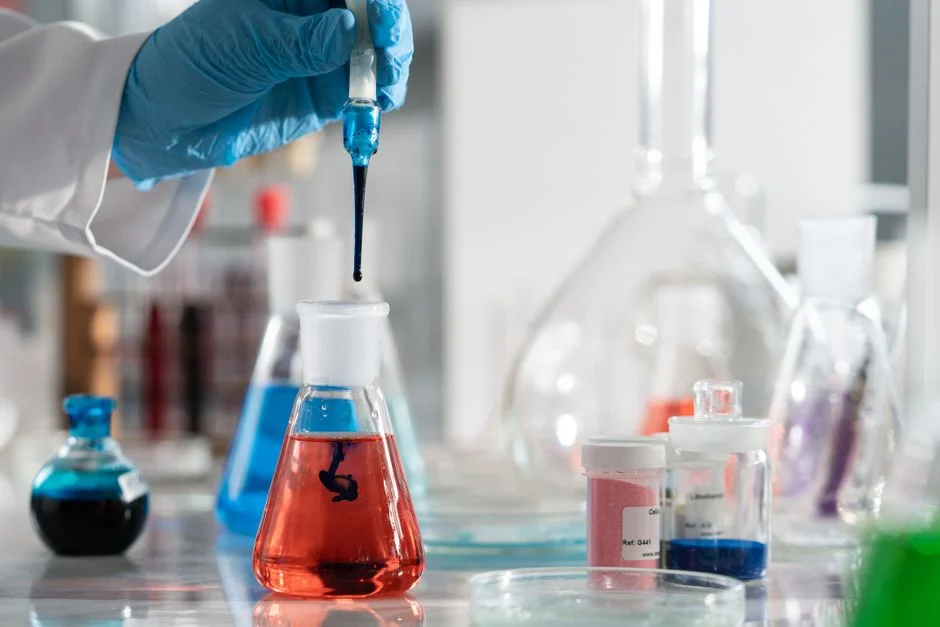
Reuse requirements must be defined before polishing equipment is selected. Agricultural use, indirect or direct potable use, industrial process water and equipment cooling each require a different verification basis. The University of Twente identifies nanofiltration as a method for polishing wastewater-treatment-plant effluent to produce effluent suitable for agricultural or indirect or direct potable usage, but it does not provide a universal flow, cost or outcome for a Querétaro project.
Specify the destination, required water quality, recovery target, operating variability and treatment of the concentrate. If the recovered water enters a process, evaluate compatibility with process chemistry, temperature and materials. If it enters a cooling system, define concentration and scaling controls. These requirements determine whether UF, MBR, nanofiltration or another polishing barrier is justified.
Include residuals in the economic comparison. A membrane proposal that presents only the polished-water outlet omits concentrate disposal or reuse, while a biological or DAF proposal must include the resulting sludge pathway. Ask bidders to identify whether residuals return to process, receive further treatment, require dewatering or move to a defined disposal route.
Use automatic chemical dosing only where the treatment train requires controlled addition of coagulants, flocculants, pH adjusters or specialty chemicals. The supplied automatic chemical dosing data confirms PLC-controlled, skid-mounted and factory-tested equipment, but it does not establish the required dose or chemical consumption for an unspecified wastewater.
Use plate and frame filter presses for sludge dewatering when sludge dewatering belongs in the project scope. The supplied range is 1–500 m² filtration area, with manual, hydraulic or fully automatic PLC-controlled operation. Select the operating configuration and filtration area from the sludge characteristics, batch cycle and disposal route rather than from the maximum catalog range.
Request a mass balance for water, chemicals and residuals. This should connect the incoming wastewater, recovered water, sludge or concentrate, chemicals used and final destination. A membrane supplier should not be accepted on polished-water quality alone unless the concentrate treatment and disposal responsibility are explicit.
Qualify Suppliers and Build a Comparable Proposal
RevenueBase’s September 16, 2026 snapshot identified 123 Mexican company matches for effluent treatment plant construction, including 7 records associated with Querétaro. This is a company-list count, not a service-quality rating. RevenueBase states that its “Exact” badge identifies search membership rather than individual similarity or quality, and it recommends checking each company’s website for current services and locations.
Use the directory as a lead-generation source, then verify the supplier directly. Confirm that the company still provides wastewater process design, installation, commissioning, operation or maintenance; identify its actual Querétaro service capability; and request evidence relevant to the proposed industrial wastewater rather than relying on a municipal or drinking-water reference.
| Proposal component | Information every bidder must state |
|---|---|
| Basis of design | Treatment objective, design flow, wastewater characterization, operating scenarios and applicable discharge or reuse requirements |
| Process train | Stage sequence, contaminant-removal rationale, bypass provisions and pretreatment requirements |
| Equipment scope | Equipment, membranes, screening, pumping, dosing, solids separation, sludge handling, piping, valves and instrumentation |
| Civil and installation boundary | Foundations, buildings, utilities connections, electrical work, access, drainage, lifting and excluded works |
| Controls and guarantees | PLC or control architecture, monitoring, alarm strategy, test method, guarantee conditions and remedial responsibility |
| Lifecycle commitments | Commissioning, operator training, spare parts, membrane or media replacement assumptions, maintenance and consumables |
| Residuals | Sludge and concentrate quantities, characteristics, handling method and final disposal or reuse route |
Require evidence that is comparable across bidders. Identify whether wastewater treatment, civil works, installation, commissioning, operation and maintenance are supplied by the same party or by subcontractors. Request operating references with similar wastewater, flow, treatment objective and container or site conditions, and state which performance data are historical, guaranteed or projected.
The proposal should separate equipment, membranes, chemical dosing, sludge handling, civil works, electrical controls, instrumentation, commissioning and lifecycle consumables. A PLC-controlled, skid-mounted automatic chemical dosing system can serve as a configurable equipment example, but the selected configuration must follow the verified treatment chemistry.
Before awarding a contract, reconcile the supplier list against the design basis. Confirm current local support, commissioning responsibility, response arrangements, reference contacts and responsibility for failures. The seven Querétaro records indicate market presence; they do not replace technical qualification or current verification.
Frequently Asked Questions
What wastewater profile is needed to price an effluent treatment plant in Querétaro?
Request representative flow, operating schedule and laboratory data for pH, oil and grease, suspended solids, colloids, biodegradable organics, nutrients, dissolved salts, temperature and process-specific contaminants. Also provide batch-dump information, peak-flow behavior and the intended discharge or reuse endpoint. No supported quotation or universal price range is available from the supplied research, so a defensible price requires these project-specific inputs.
When is DAF more suitable than biological treatment or membrane polishing?
DAF is the primary-removal option when characterization shows suspended solids, FOG, oil and grease or colloidal material that should be removed before biological treatment. Biological treatment is appropriate where the relevant organic load is biodegradable. Membrane polishing is used after upstream treatment when the endpoint requires further solids, colloid or dissolved-contaminant separation.
How should an industrial ETP supplier be screened for capacity, guarantees and local support?
Require each bidder to state the design flow, wastewater basis, treatment train, equipment capacity, outlet guarantees, test method, commissioning boundary and exclusions. Ask for comparable operating references and verify current Querétaro support directly. RevenueBase’s September 16, 2026 list identified 7 Querétaro records among 123 Mexican matches, but that count is not a capacity, guarantee or quality score.
What is the difference between an industrial ETP and a packaged sewage treatment plant?
An industrial ETP is designed around the facility’s process streams, contaminants, load variation and discharge or reuse objective. A packaged sewage treatment plant is intended for a wastewater profile typical of domestic sewage. Municipal or domestic package references should not be used as sole proof of suitability for industrial effluent containing oils, sanitizers, process chemicals or unusual loads.
Related Equipment
- DAF system for industrial oil, FOG and solids removal — specifications, capacity range, and technical data