Where RO Fits in a Foundry Wastewater Treatment Train
An RO system for foundry wastewater is normally the final desalination and polishing stage, not the first treatment step. PRAB states that a properly designed and operated system can remove up to 99.5% of incoming dissolved salts and impurities, but places RO after ultrafiltration or chemical treatment. The practical train is: segregate and equalize streams; remove free oil, suspended solids and colloids; condition pH and other scaling variables; filter or apply UF; then use RO before optional polishing, reuse or discharge management. The proposed reuse specification and concentrate route must be settled before equipment sizing.
RO uses pressure greater than osmotic pressure to drive water through a semipermeable membrane. PRAB defines permeate as the water passing through the membrane and concentrate as the dissolved-salt stream rejected by it. That distinction matters because the same feed-water flow separates into two different destinations: permeate quality determines whether water can be reused, while concentrate composition and volume determine whether discharge, further treatment or another management route is feasible.
Foundry wastewater treatment train: segregation and equalization → oil and solids removal → pH or chemical conditioning → filtration or UF → RO → optional polishing → reuse or managed discharge.
For a foundry with oily or particulate streams, a dissolved air flotation system may form the solids-removal stage. An ultrafiltration pretreatment system can provide a further physical barrier before RO. Neither stage should be selected from flow alone: the proposed pretreatment must remove the contaminants identified in representative wastewater and protect the membrane system.
Pretreatment is not optional for spiral-wound RO. PRAB explains that its membrane surface cannot be effectively back-pulsed or scoured to remove accumulated solids. Without upstream removal, fouling can cause loss of production capacity and reduce membrane life. RO performance, recovery, reuse suitability and concentrate handling therefore have to be evaluated as one train rather than as independent equipment decisions.
Characterize the Wastewater Before Selecting RO
PRAB requires project-specific data collection and a complete laboratory wastewater analysis before recommending an RO arrangement. The foundry should provide data covering pH, TDS, COD, BOD, operating temperature, chloride, ammonia, oil and grease, TSS, sulfates, calcium, magnesium and emulsified oil and grease, as listed by PRAB’s RO data-collection form. The analysis should also identify the source and variability of the wastewater rather than presenting one blended, startup-only sample.
Foundry streams are not interchangeable. Core-making binders and additives can contribute organics and solids; cooling and wash streams can introduce dissolved salts; and metal-handling operations can introduce metals that may require removal before RO. These are source-to-contaminant relationships, not assumed concentrations. The actual values must come from representative sampling.
| Parameter | Why it matters to RO | Evidence or test requested |
|---|---|---|
| pH | Influences membrane compatibility, chemical conditioning and scale risk. | Laboratory pH under normal and upset conditions. |
| TDS and chloride | Indicate dissolved load, concentration effects and reject-stream composition. | Complete analysis of the proposed RO feed after pretreatment. |
| Calcium, magnesium and sulfates | Relevant inputs to precipitation and scale assessment. | Feed analysis with project-specific scaling calculation. |
| COD and BOD | Indicate biodegradable and chemical oxygen demand entering the membrane train. | Representative source and post-pretreatment samples. |
| Oil and grease; emulsified oil and grease | Free and emulsified oil can foul membranes and complicate separation. | Separate measurements before and after oil-removal treatment. |
| TSS and turbidity | Suspended material can accumulate on spiral-wound membrane surfaces. | TSS; turbidity where filtration is proposed. |
| Metals | Some metals may require upstream removal or specific membrane and materials considerations. | Identify metal-bearing streams and obtain laboratory results. |
| Ammonia and operating temperature | Part of the required feed characterization and operating envelope. | Measured ammonia and temperature across representative operation. |
| Flow and reuse target | Defines hydraulic basis and required permeate quality. | Segment flow data, operating profile and written end-use specification. |
Sampling should cover normal production and known upset events. For example, a foundry should test streams with and without binder-rich or oily contributions rather than assume that one composite sample represents every hour. Flow, temperature and the selected reuse target are additional sizing inputs. If discharge is intended, request the applicable permit or POTW limits; if reuse is intended, obtain the receiving process’s water-quality requirements.
Chemical treatment can be included through an automatic chemical dosing system, while a multi-media filtration system may address particulates. The equipment decision should follow the characterization, not precede it.
Match Pretreatment to Fouling and Scaling Risks

Pretreatment should be matched to the contaminant being controlled, and its performance must be demonstrated on the actual wastewater. PRAB identifies spiral-wound membrane fouling as a production-capacity risk because accumulated material cannot be effectively removed by back-pulsing. For scaling, PRAB’s required feed parameters include chloride, calcium, magnesium, sulfates, pH and TDS; these results need to be connected to membrane selection, operating conditions and antiscalant chemistry rather than treated as a reason to dose chemicals indiscriminately.
The dissolved air flotation system offered by HydropureWater covers 4–300 m³/h and is designed to remove suspended solids, FOG, oil and grease, and colloidal matter from industrial wastewater. The company’s ultrafiltration pretreatment system uses 0.03 micron PVDF membranes, accepts feed turbidity up to 300 ppm, and includes automatic backwash and air scour for RO pretreatment duty. These specifications describe product capability; they do not establish foundry suitability without feed data.
| Pretreatment option | Primary removal target | Role in the RO train | Operating implication | Information still needed |
|---|---|---|---|---|
| DAF | Suspended solids, FOG, oil and grease, colloids | Removes material before filtration or UF. | Requires performance on representative oily and particulate foundry wastewater. | Oil form, solids characteristics, flow variability and required removal results. |
| UF | Bacteria, colloids and suspended solids | Provides a final physical separation barrier before RO. | Automatic backwash and air scour are specified for this product. | Feed turbidity, flux expectation, cleaning method and backwash utility needs. |
| Multi-media filtration | Suspended solids, turbidity and colloids | Particulate filtration stage before RO. | Media selection and backwashing depend on feed and outlet targets. | Particle characteristics, turbidity, flow and required filtrate quality. |
| Chemical dosing | pH and residual feed conditioning | Controls RO feed condition and supports the selected antiscalant strategy. | Chemical demand must be established from actual feed chemistry. | pH range, scale calculation, target residual and dosing-control requirements. |
No single unit guarantees RO protection. A foundry may need DAF for oil and solids, followed by UF or filtration; another may require chemical conditioning before final particulate separation. The decision gate is measured feed quality entering the RO membrane, not the presence of a pretreatment device on the flow diagram.
Design RO Recovery, Polishing and Reuse Around the End Use
HydropureWater’s catalog lists an industrial reverse osmosis system with recovery rates up to 95%. Treat that as an upper equipment capability, not a guaranteed site recovery. Actual recovery depends on the selected feed chemistry, pretreatment, membrane arrangement, operating envelope and concentrate constraints. A credible proposal should calculate feed flow, permeate production and concentrate generation for the foundry’s operating profile.
For process-water or cooling-water reuse, define the controlling constituents before selecting membrane or polishing equipment. Dissolved salts, hardness, silica or another identified constituent may govern whether RO permeate is suitable. Generic permeate quality does not establish compatibility with a casting, cooling or wash process. If the foundry requires ultrapure water after RO, the catalog presents an EDI polishing system for polishing RO permeate without acid or caustic regeneration; that option applies only when the specified purity requires it.
| End use | Polishing need | Required pretreatment | Concentrate consideration | Information required |
|---|---|---|---|---|
| Process or cooling-water reuse | Defined by the receiving process; may not require EDI. | Removal of oil, solids, colloids and controlled scaling constituents. | Recovery target must be tested against the complete feed profile. | Reuse specification, operating hours, temperature and sensitivity to water chemistry. |
| Tighter controlled discharge | Defined by the applicable permit or POTW acceptance criteria. | Whatever analysis shows is necessary to meet those limits reliably. | Confirm permitted route, discharge composition and responsibility for final disposal. | Written limits, sampling requirements, surcharge rules and discharge route. |
| Higher-purity water after RO | Consider EDI where the required quality justifies it. | RO pretreatment plus controls required to protect the polishing stage. | RO concentrate remains and requires a separate route. | Resistivity or constituent specification and downstream process requirements. |
Concentrate management must therefore be a design workstream. Before accepting a recovery target, identify the permitted discharge route, treatment objective and responsible party for final disposal. If no route exists, recovery cannot be justified merely because the equipment can produce permeate. Membrane and replacement-part details should also be coordinated through the selected RO and UF membrane elements.
Pilot-Test Before Committing to a Foundry RO System
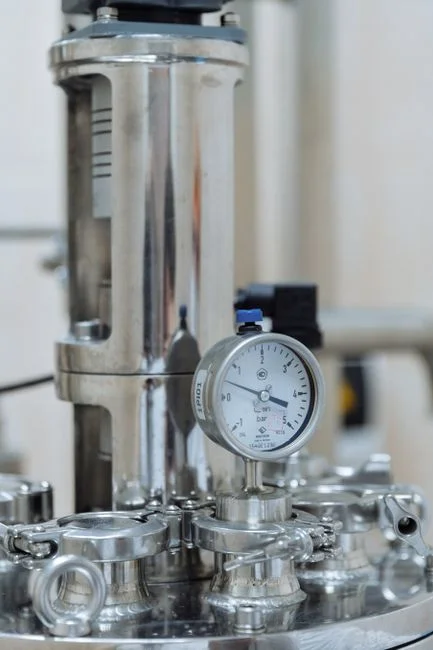
Wastewater pilot testing should validate the proposed train under representative conditions, not merely reproduce clean-water membrane data. PRAB states that it treats each application as a new study, tests prospect samples before issuing an application-specific proposal and uses pilot equipment to validate operation and performance before purchase. The pilot is therefore an engineering gate: results should determine pretreatment, chemical assumptions, membrane selection and full-scale scale-up.
PRAB’s available RO pilot range is 2 gpm (2,880 gpd) to 10 gpm (14,400 gpd). That range is a reference for defining an available test program, not a universal recommendation for a foundry. The appropriate test rate and duration must reflect the proposed wastewater variability, concentration conditions and recovery target.
- Prepare a representative wastewater dataset covering normal production and relevant upset conditions.
- Operate the proposed pretreatment sequence and RO arrangement together.
- Measure recovered flow, permeate quality, concentrate quality, pressure and flux behavior, chemical use, cleaning requirements and signs of fouling or scaling.
- Record analytical methods, test duration, operating envelope and assumptions.
- Use the findings to revise the pretreatment and chemical-conditioning design before freezing equipment scope.
The supplier should state the basis for every guarantee: feed-water dataset, analytical methods, test duration, operating limits, recovery definition and the remedy if agreed performance is not achieved. A proposal based only on membrane rejection claims leaves the foundry exposed to feed variability and pretreatment mismatch. Membrane replacement planning and compatible support parts should be reviewed with the water-treatment valves, media and parts scope.
Specify Equipment, Controls and Supplier Commitments
A project guarantee must be tied to the actual wastewater and operating envelope; it is not the same as a published product claim. PRAB states that a properly designed and operated RO system can remove up to 99.5% of incoming dissolved salts and impurities. A buyer should ask how that statement applies to the foundry feed, how rejection is measured and which conditions remain outside the guarantee.
The supplier’s scope should identify feed, permeate and concentrate monitoring; high-pressure pumping; membrane vessels; controls; pretreatment interfaces; cleaning provisions; and the route taken by concentrate. It should also state whether PLC controls, automated chemical dosing, membrane cleaning, spare parts and technical support are included. A treatment train that leaves integration, controls or service support to separate vendors transfers risk to the foundry.
| Procurement item | Information the supplier must provide | Buyer acceptance check |
|---|---|---|
| Design basis | Representative wastewater dataset, analytical methods, assumptions and operating envelope. | Results match the intended source streams and production profile. |
| Scope of supply | Pre-treatment, RO, controls, pumping, instruments, cleaning and concentrate routing. | Interfaces and responsibilities are explicit. |
| Performance commitments | Recovery, permeate quality, concentrate quality and test remedies. | Definitions, sampling methods and operating limits are stated. |
| Controls and instruments | Monitoring, alarms, PLC functions and chemical-control integration. | Fail modes and manual-operation provisions are documented. |
| Cleaning and maintenance | Cleaning method, chemicals, frequency basis and membrane-access arrangement. | Procedures address the contaminants found in the pilot. |
| Parts and support | Membrane compatibility, replacement-part list, operator training and service coverage. | Lead-time responsibility and technical support are assigned. |
| Installation | Utility, electrical, drainage, containment and commissioning boundaries. | Site assumptions are identified and accepted. |
PRAB documents project scope, costs and assumptions after sample testing and analysis. That structure is useful for evaluation because the buyer can trace each commercial claim to the evidence behind it. Pressure design should be treated similarly: ReWaterTech’s hypersaline produced-water figure of up to 1,200 psi (83 bar) is not a foundry baseline. Required pressure must be established from the selected feed, membrane arrangement and recovery design.
Frequently Asked Questions
How do I size an RO system for foundry wastewater?
Start with the intended permeate flow, then add wastewater chemistry, operating temperature, flow variability and the reuse target. The design also needs the permitted concentrate route. For each reuse scenario, identify whether dissolved salts, hardness, silica or another constituent controls the requirement. Require the supplier to show how pretreatment and the selected recovery affect the feed entering the RO membranes.
What does an RO system for foundry wastewater cost?
Request a scoped quotation rather than a unit price. The main cost-driving scopes include pretreatment, RO capacity, pumping and controls, optional polishing, pilot work, membrane cleaning provisions and concentrate management. Ask the supplier to separate equipment, installation, commissioning, chemicals, replaceable parts and disposal assumptions. No supported quotation was supplied for this article, so a defensible budget cannot be stated without the influent analysis, flow, reuse specification and concentrate route.
Which supplier should I select for a foundry RO project?
Require project-specific evidence: representative feed analysis, pilot results, a defined scope, stated warranty assumptions and membrane technical support. Check that the proposed recovery and permeate guarantees are tied to analytical methods and an operating envelope. Also confirm replacement-part compatibility, operator training, installation boundaries and service responsibility before award.
What pilot-test evidence should I request before buying?
Require a test of the proposed pretreatment and RO train using representative wastewater. Request measured feed and permeate flow, permeate and concentrate quality, pressure and flux behavior, chemical consumption, cleaning frequency and observations of fouling or scaling. PRAB’s 2 gpm (2,880 gpd) to 10 gpm (14,400 gpd) pilot range is one available reference, not a universal foundry scale recommendation.
How does the discharge requirement affect the RO design?
The applicable permit or POTW requirement must define the target, and that requirement must be obtained before performance is guaranteed. Confirm the analytical basis, sampling method, constituent limits, permitted route and final-disposal responsibility. RO can reduce dissolved material and produce permeate, but neither the product nor a pilot result overrides the applicable discharge requirement. If reuse is the objective, document the receiving process specification instead.