What an industrial effluent treatment plant in Cancun must solve
An industrial effluent treatment plant in Cancun must be designed around the manufacturing wastewater profile, production variability and final water destination—not selected from a generic package-plant catalog. A defensible train may combine oil, grease and solids removal, biological treatment, clarification or membrane separation, disinfection and UF or nanofiltration where reuse quality requires additional polishing. A historical Wider Caribbean report states that sewage in Cancun was collected and discharged into a lagoon and describes abiotic conditions near urban centres. That is a historical regional observation, not a current environmental assessment. Current lagoon conditions, permits, discharge limits, sewer acceptance rules and infrastructure therefore need confirmation before final process or equipment selection.
An industrial ETP in Cancun differs from a municipal wastewater plant because the design follows the factory’s contaminants, discharge schedule and reuse or coastal effluent discharge route. The project boundary should include collection, equalization, industrial pretreatment, primary or biological treatment, solids handling, final polishing, disinfection, monitoring and the final reuse or discharge point.
Keep historical evidence separate from present compliance. The Wider Caribbean report, Appropriate Technology for Sewage Pollution Control in the Wider Caribbean Region, provides a regional decision framework, but its Cancun observation does not establish current lagoon classification, present discharge limits, permit status or sewer connection conditions. Those items should be verified with the responsible authorities and a qualified local environmental professional. This matters because the lagoon receiving water can constrain the permitted treatment objective, while the selected end use determines whether additional disinfection and membrane polishing are justified.
Build the design from measured wastewater characteristics
Average daily flow is insufficient to select an industrial wastewater treatment system because treatment capacity must also reflect peak discharges, pollutant loads and the reuse objective. Begin with a representative industrial wastewater characterization and a production schedule, then map the result to the intended destination.
Request flow, pH, oil and grease, suspended solids, COD and BOD analyses. Add sector-specific parameters where relevant, including color, temperature, salinity, nutrients, metals or surfactants. Cover production hours, batch discharges, cleaning events, seasonal occupancy and abnormal discharges so that equalization and pretreatment can be assessed against the actual duty. Equipment should also be checked against retained solids, hydraulic retention and reuse demand rather than a single average flow.
The reuse pathway determines the required quality. Process reuse, cooling, irrigation, toilet flushing and potable-related reuse have different objectives and should not be treated as interchangeable. The University of Twente thesis Direct nanofiltration of wastewater treatment plant effluent identifies nanofiltration as a technology capable of polishing wastewater treatment plant effluent to EU WFD standards for agricultural or indirect/direct potable applications. That research establishes technical potential, not approval for reuse in Cancun; feed quality, product quality and regulatory acceptance still require project-specific verification.
| Project input | Information required | Design consequence |
|---|---|---|
| Flow and production schedule | Average flow, peak flow, operating hours and batch-discharge profile | Equalization volume, hydraulic loading and peak treatment duty |
| Pollutant profile | pH, oil and grease, suspended solids, COD and BOD | Pretreatment, biological treatment and clarification requirements |
| Sector-specific chemistry | Color, temperature, salinity, nutrients, metals or surfactants where applicable | Additional removal, inhibition controls or specialized pretreatment |
| Reuse or discharge route | Intended end use and receiving requirements | Disinfection, UF, nanofiltration or RO selection |
| Variability and upset risk | Cleaning, batch production, seasonal occupancy and abnormal discharges | Equalization, storage, redundancy and pretreatment capacity |
Where oil, grease, FOG, colloids or suspended solids threaten biological or membrane equipment, evaluate an industrial DAF pretreatment system as part of the front end rather than treating it as an automatic package-plant inclusion.
Match each treatment stage to the contaminant and reuse target
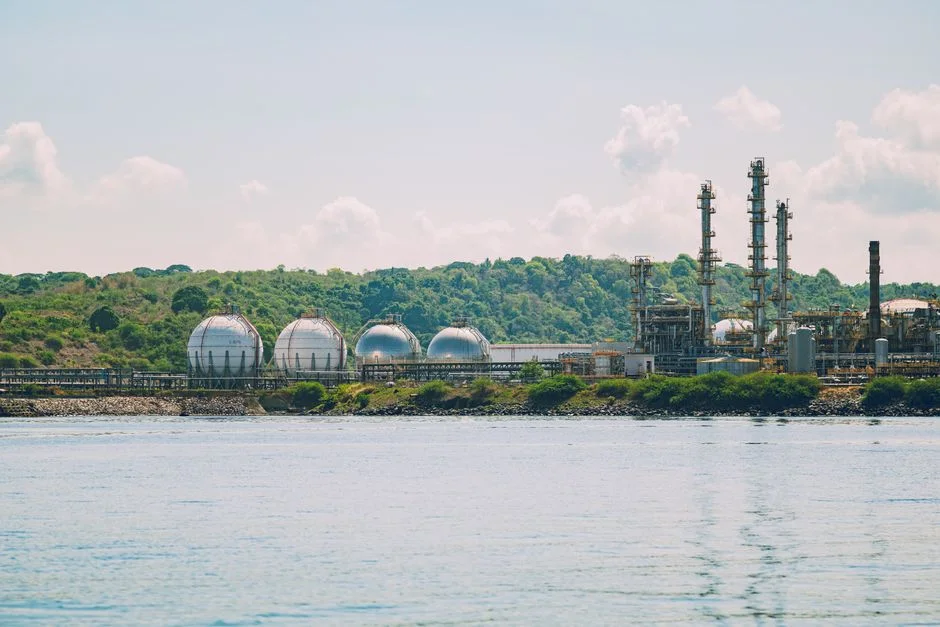
The appropriate treatment sequence follows the contaminant and the required final water quality; no single equipment category resolves every industrial wastewater problem. The Wider Caribbean report identifies oil-water separation, coagulation/precipitation, air stripping, biological treatment, suspended-solids removal, activated carbon adsorption, demineralisation and chemical oxidation as industrial fact-sheet technologies. That breadth supports a staged design rather than an all-purpose unit.
| Decision condition | Technology stage | Evidence and project boundary |
|---|---|---|
| Oil, grease, FOG, colloids or suspended solids must be removed before biology or membranes | DAF oil grease removal | HydropureWater specifies 13 standard models covering 4–300 m³/h and municipal pretreatment applications; final duty must follow measured flow and contaminant loading. |
| Biodegradable organics are present and a deployable biological train is appropriate | Anoxic/aerobic treatment, sedimentation and disinfection | The WSZ series is specified at 1–80 m³/h and combines these functions in a buried package unit. |
| Compact biological treatment and membrane clarification offer site advantages | MBR membrane bioreactor | HydropureWater lists 10–2,000 m³/day and less-than-1-μm filtration using submerged PVDF membranes. |
| A chemical-free barrier is needed before RO or as final reuse polishing | UF | HydropureWater lists 2,000–40,000 L/h, 0.03 μm PVDF membranes and turbidity acceptance up to 300 ppm. |
| High-quality reuse requires further solute removal | Nanofiltration | University of Twente research supports the potential of nanofiltration for polishing treatment-plant effluent; feed and product quality require design verification. |
| The route requires pathogen control | Disinfection | Select the process against the reuse or discharge requirement; no supplied source establishes a universal Cancun technology. |
DAF should precede biological or membrane stages when floatable material, colloids or solids could overload them. Biological treatment should be selected when the wastewater contains biodegradable organics. For smaller deployable flows, the WSZ underground integrated treatment system combines anoxic/aerobic treatment, sedimentation and disinfection. Where footprint and biological clarification must be combined, an integrated MBR wastewater treatment system is a candidate for evaluation.
UF can act as a chemical-free barrier against suspended solids, colloids and bacteria before RO or as a reuse-polishing stage. The UF water treatment system should be checked against the actual feed condition and membrane configuration rather than selected from permeate flow alone.
Nanofiltration belongs in a higher-quality reuse branch, but its acceptance should rest on a defined product specification and pilot or design analysis. Similarly, a higher automatic chemical dosing system should be justified by the chemicals, dose-control requirements and operating envelope included in the process design.
Create an integrated treatment and reuse process flow
A typical industrial treatment branch follows a traceable sequence: collection and coarse-solids control, equalization, industrial pretreatment, biological treatment, clarification or membrane filtration, disinfection, and final reuse or discharge. The exact sequence changes with the wastewater characterization, but no stage should be omitted merely because a catalog package names a shorter train.
- Collection and equalization: route wastewater through coarse-solids control and provide capacity for production peaks and batch releases.
- Industrial pretreatment: remove grease, FOG, suspended solids, colloids and regulated compounds before they interfere with biology or membranes.
- Biological treatment: reduce biodegradable organics where the characterization shows a biological load that the process can handle.
- Clarification or membrane separation: separate biomass or solids using the route appropriate to the available footprint and reuse target.
- Disinfection and final polishing: apply the treatment required by the selected discharge or reuse pathway.
Pretreatment is a protective stage, not decoration. Grease and solids can obstruct equipment, colloids can burden membranes, and concentrated or toxic discharges can upset biological treatment. The design must therefore include operating controls that prevent an atypical batch from passing through the full plant untreated.
Show the solids branch separately. DAF or primary sludge should move through thickening or dewatering before its selected disposal or beneficial-use route. For physical solids separation, evaluate the available plate-frame filter press against sludge characteristics and operating objectives. Skimmings, DAF sludge and biological waste have different consistencies, so the solids train should be specified from actual generation and handling data.
For reuse, clarified or MBR effluent can feed UF and, where product quality justifies it, nanofiltration or RO. Each barrier should have a defined feed condition, monitorable performance parameter and cleaning or replacement strategy. Coarse-solids control can use a mechanical bar screen where the wastewater audit supports it.
Monitoring should be placed where the operator can verify flow, pH, suspended solids, organic load and reuse-specific parameters. The supplied research identifies these as core treatment-control variables; it does not provide Cancun-specific limits. Monitoring points and acceptance values must therefore follow the confirmed permit, reuse specification and design calculations.
Size the plant from operating data, not catalog capacity
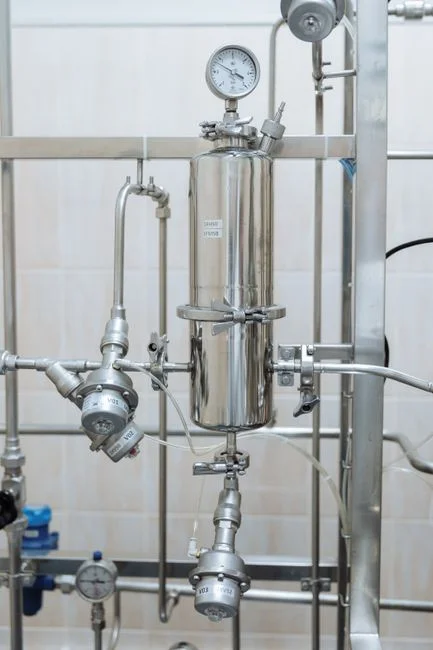
Final sizing must follow the site’s operating data, including average and peak flow, operating hours, batch-discharge profile, retained solids, required hydraulic retention and reuse demand. Manufacturer capacities are useful for initial screening, but they are not substitutes for a design basis.
| Equipment | Manufacturer-listed screening range | Information still required for final sizing |
|---|---|---|
| DAF | 4–300 m³/h across 13 standard models | Peak flow, oil and grease loading, solids capture, chemical demand and required flotation performance |
| WSZ integrated unit | 1–80 m³/h | Organic load, treatment objectives, operating schedule, installation constraints and disinfection requirements |
| MBR | 10–2,000 m³/day | Hydraulic and organic loading, membrane flux, sludge handling, peak treatment and redundancy |
| UF | 2,000–40,000 L/h | Feed turbidity and solids, required recovery, cleaning method and downstream quality target |
The historical Wider Caribbean report included design data, effluent-quality data and decision trees for treatment selection. However, the supplied excerpt does not provide transferable Cancun sizing factors, so it should not be used to assign capacity, retention time or performance guarantees to a specific plant.
Require each bidder to state its design basis and explain how peak flow is treated. The proposal should also define redundancy, expected sludge production, utility requirements, controls, installation footprint and acceptance testing. A sedimentation stage may be relevant where clarification is required; assess an high-efficiency sedimentation tank using measured solids, hydraulic behavior and downstream requirements.
Detailed design should also address corrosion protection, salt and humidity exposure, odor control, flood or stormwater separation, maintenance access and equipment-lifting routes. These are project-design questions, not claims that a particular site condition has been confirmed. Each supplier should identify how its design responds to them.
Compare suppliers using verifiable project and compliance evidence
A company list establishes market presence, not technical capability or service quality. RevenueBase reported 123 Mexican company matches for effluent treatment plant construction as of September 2026. Its own description states that these are exact-search matches based on recorded business descriptions, not individual service-quality ratings. Buyers should therefore use the list to build a supplier universe and then verify project evidence.
Require each supplier to submit the industrial wastewater characterization used for design, the proposed process flow, equipment-sizing basis, P&IDs, electrical and controls drawings, O&M manual, commissioning protocol and reference projects with comparable wastewater. “Compliant” is not an acceptable standalone claim. The proposal must identify the specific Cancun discharge or reuse route, the confirmed requirements used in the design and the evidence supporting that conclusion.
Clarify contractual responsibility. Ask who holds design responsibility, who performs installation and commissioning, where spare parts are stocked, how warranty response time will be managed and how operator training will be documented. Also require reference projects to demonstrate similar contaminants, flow variation, treatment objectives and operating conditions—not merely similar geography.
Request a transparent commercial breakdown covering equipment, civil works, piping, electricals, controls, freight, installation, commissioning, training, consumables and sludge handling. The supplied research contains no defensible Cancun price range, so a buyer should request site-specific quotations based on one common design basis and ask what is excluded. This avoids comparing package prices that omit membrane pretreatment, civil works, reagent systems or solids disposal.
Prepare the site for operation, monitoring and maintenance
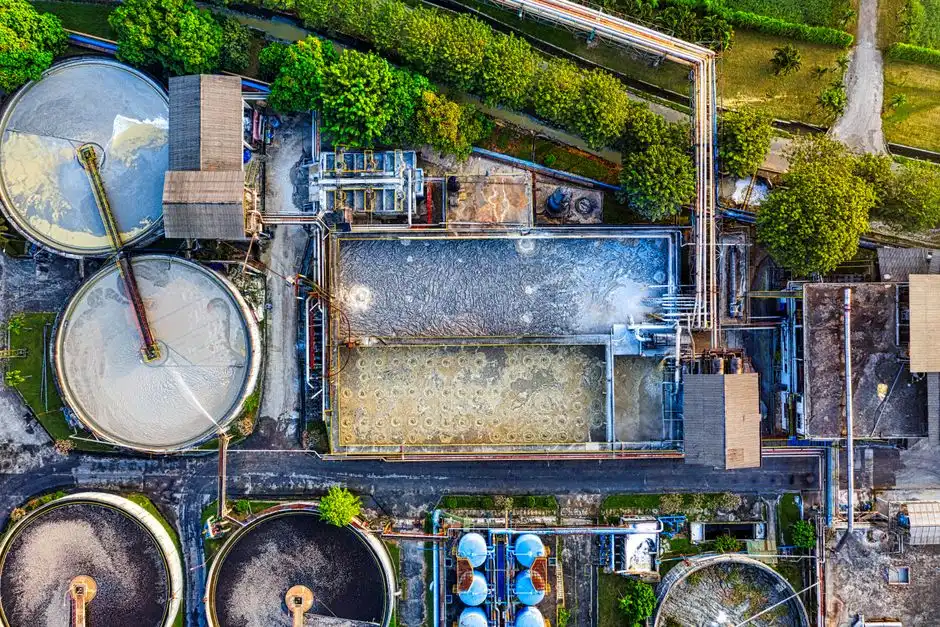
Operational readiness must be designed before equipment delivery. During detailed engineering, confirm equipment access, lifting routes, drainage, ventilation, odor control, power availability, backup strategy and safe chemical storage. Check that operators can remove membranes, media or skimming equipment without disrupting the process.
Develop the O&M plan with routine sampling, membrane or media cleaning, DAF skimming, sludge removal, disinfection checks, alarm response and calibrated instruments. Each routine should have a frequency, acceptance condition, responsible operator and escalation action. This is more useful than a generic maintenance schedule because it connects the actual process train to observable failures.
Constructed wetlands may be considered where they fit the project’s treatment objective and land availability. Wageningen University’s 2022 thesis, Removal of micropollutants from wastewater treatment plant effluent by constructed wetlands, investigates this polishing option for micropollutants. The research does not prove a Cancun installation, current local performance or a guaranteed substitute for the required process.
Disinfection system selection must remain tied to the final route and operating objective. Where chlorine dioxide is being considered, the chlorine dioxide generator should be assessed against residual requirements, feed chemistry, safety controls, storage, monitoring and operator procedures.
Set handover requirements around as-built drawings, approved operating envelopes, calibration and test records, spare-parts lists, operator training records, warranty terms and escalation contacts. Also require a clear process for membrane cleaning, chemical procurement, sludge removal, spare-parts support and instrument replacement after handover.
Frequently Asked Questions
How much does an industrial effluent treatment plant in Cancun cost?
The supplied research provides no reliable Cancun price figure, so a defensible budget cannot be derived from a generic plant rate. Ask suppliers to price the measured flow and pollutant loads, pretreatment, membrane area, civil works, disinfection, sludge handling, utilities, freight, installation, commissioning and training separately. Compare quotations against one approved design basis and identify exclusions, especially civil works, chemicals, sludge disposal and power upgrades.
What flow data is needed to size an industrial ETP in Cancun?
Average flow alone is not enough. The sizing request needs peak flow, batch-discharge timing, operating hours, measured pollutant concentrations, equalization requirements, retained solids, hydraulic retention and reuse demand. Add cleaning events, seasonal occupancy and abnormal discharges so suppliers can explain how the train handles the actual operating profile.
Which treatment sequence should a supplier propose?
The sequence should follow the contaminant and final-water target. Generally, source control and equalization precede industrial pretreatment; DAF may be needed for oil, grease, FOG, colloids or solids; biological treatment addresses biodegradable organics; clarification or MBR provides solids separation; and disinfection plus UF, nanofiltration or RO is selected according to the reuse or discharge requirement. The bidder must justify every stage using measured wastewater data.
How should a buyer verify supplier capability and Cancun compliance?
Require a process proposal tied to the confirmed Cancun permit or reuse pathway, not a generic compliance statement. Ask for P&IDs, equipment-sizing calculations, electrical and controls drawings, O&M documentation, commissioning evidence and comparable reference projects. Confirm that historical lagoon information is not being used as current evidence: a qualified local environmental professional should verify present receiving-water conditions, discharge requirements and the responsible authority’s current position.