How to Choose an Effluent Treatment Plant in Puebla
An effluent treatment plant in Puebla is an industrial treatment train designed to remove contaminants before sewer entry, lawful discharge or reuse. Selection depends on the wastewater profile: DAF targets suspended solids, oil and grease and colloidal matter; MBR combines biological treatment with membrane filtration below 1 μm; UF removes fine solids and bacteria without chemicals; and chemical dosing supports coagulation, pH control and flocculation. Academic research also identifies nanofiltration for polishing reclaimed effluent and constructed wetlands as a micropollutant-removal research route.
Begin with the destination and acceptance criteria, not with a preferred machine. Sewer pretreatment, controlled discharge, process-water recovery, agricultural reuse and potable-related reuse impose different requirements on the treated water. The same applies to the industrial effluent characterization: flow, production shifts, pH, suspended solids, oil and grease, COD, BOD and sector-specific contaminants must be known before comparing technologies.
Use a staged decision sequence. Characterize the influent; remove bulk material that could overload downstream equipment; apply biological or membrane treatment where the contaminants and reuse target justify it; polish the water to the required standard; and define the residual-sludge route before equipment is ordered. Academic evidence supports individual technologies, but it does not establish a universal configuration for Puebla. A 2026 pharmaceutical wastewater treatment in Mexico reference also reinforces the need to match the process to the industrial waste rather than apply a generic train.
For procurement, require every supplier to work from the same design brief. That brief should identify the treatment objective, influent envelope, hydraulic peaks, batch discharges, future production changes, reuse route, receiving sewer or water requirements, utilities, civil-work boundaries and sludge-disposal assumptions. Without those inputs, an equipment capacity is not a defensible ETP capacity.
Wastewater Characterization and Treatment Objectives
Industrial effluent characterization must distinguish average flow from the conditions that determine equipment size and operating risk. Record normal production flow, peak flow, batch-discharge behavior, production shifts and cleaning-cycle flows. A batch dump may control equalization, pumping, chemical demand or membrane loading even when it contributes little to the daily mass balance.
The physical form of each contaminant also matters. Suspended solids require solids removal; emulsified oil can interfere with biological and membrane systems; free oil may need separation before flotation; acidic or alkaline streams require controlled pH adjustment; and soluble biodegradable material points toward biological treatment when the reuse objective and operating envelope support it.
For textile discharges, a 2022 review in Lumieres – Repositorio institucional Universidad de América examined nanotechnology applications and identified the variables that should be assessed when selecting a water-treatment method. This supports the broader engineering point: process selection should follow the variables that actually control treatment performance, not a list of fashionable technologies.
Set the end use before selecting membranes. Discharge, agricultural reuse and potable-related applications require different acceptance criteria, monitoring and evidence. The University of Twente’s doctoral research, Direct nanofiltration of wastewater treatment plant effluent, investigated nanofiltration for polishing WWTP effluent to EU Water Framework Directive standards and considered agricultural or indirect/direct potable uses. That is polishing research, not evidence that nanofiltration can replace upstream industrial pretreatment.
| Design-basis item | Evidence a buyer should obtain | Decision affected |
|---|---|---|
| Hydraulic profile | Average and peak flow, batch dumps, operating shifts and cleaning flows | Equalization, pretreatment capacity, pumping and membrane loading |
| Wastewater properties | pH, suspended solids, oil and grease, COD, BOD and sector-specific contaminants | DAF, biological treatment, MBR, UF or advanced polishing |
| Sampling program | Sampling locations, test methods, frequency and representation of operating cycles | Reliability of contaminant and loading data |
| Destination | Sewer pretreatment, discharge, process reuse or agricultural reuse criteria | Final treatment, disinfection and monitoring |
| Future conditions | Planned production changes and consequences of influent exceedance | Reserve capacity, pretreatment and operating controls |
Require the design basis to state where and when samples were taken, how the data represent production and cleaning cycles, what operating modes are included, and what happens when the wastewater falls outside the agreed envelope. This is the minimum information needed to compare technically equivalent proposals.
Treatment Technologies Compared by Wastewater Role
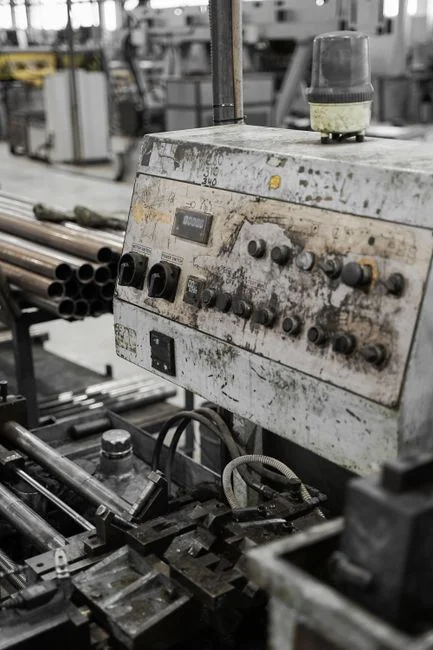
DAF, MBR, UF and chemical dosing perform different functions within an industrial wastewater process train and should not be treated as interchangeable products. The correct combination follows contaminant form, loading, hydraulic variability and the required quality of the final water.
| Technology | Role in the train | Supplied specification or evidence | Selection caution |
|---|---|---|---|
| DAF | Front-end removal of suspended solids, FOG, oil and grease and colloidal matter | HydropureWater systems cover 4–300 m³/h | Confirm the applicable hydraulic and contaminant envelope |
| MBR | Combined biological treatment and submerged membrane filtration | HydropureWater systems provide filtration below 1 μm, use a footprint 60% smaller than conventional systems and are offered from 10 to 2,000 m³/day | Assess biological loading, membrane pretreatment and the actual site footprint |
| UF | Polishing of fine solids, bacteria and colloids without chemicals | HydropureWater hollow-fiber systems cover 2,000–40,000 L/h, use 0.03 μm PVDF membranes, accept up to 300 ppm turbidity and include automatic backwash and air scour | Catalog removal claims do not replace project-specific effluent verification |
| Chemical dosing | Coagulation, flocculation, pH adjustment and specialty-chemical addition | HydropureWater PLC-controlled systems are skid-mounted, pre-wired and factory-tested | Define chemical type, dose, storage, containment and control interlocks |
| Nanofiltration | Advanced polishing and effluent reclamation | University of Twente research investigated direct nanofiltration for polishing WWTP effluent to EU WFD standards | Research establishes a polishing pathway, not a universal industrial ETP design |
| Constructed wetlands | Research pathway for micropollutant removal from WWTP effluent | Wageningen University and Research doctoral research was published in 2022 | Do not treat it as a universal substitute for industrial pretreatment |
For a stream containing oil or a high particulate load, evaluate DAF before biological or membrane stages. The relevant industrial DAF system is designed around the removal of suspended solids, FOG, oil and grease and colloidal matter. That upstream role can protect downstream biological and membrane equipment, but only if the proposal demonstrates compatibility with the characterized waste.
An integrated MBR wastewater treatment system combines activated sludge with submerged membrane filtration. UF is different: the supplied ultrafiltration polishing system is specified for fine solids, bacteria and colloid removal without chemicals. It may polish a biologically treated stream or support reuse, but it does not by itself establish that upstream wastewater is biologically treatable.
Use a PLC-controlled chemical dosing system where coagulation, flocculation or pH adjustment is required. Its skid-mounted, pre-wired and factory-tested configuration affects installation and commissioning, but the supplier must still define chemical compatibility, storage, containment, interlocks and the operating strategy.
Build an Effluent Treatment Process Flow for Puebla
A complete industrial effluent treatment process train must connect pretreatment, treatment, polishing and sludge handling; selecting attractive equipment without checking those interfaces creates hydraulic and operating risks.
- Characterize the influent. Establish flow, batch behavior, contaminant form, loading and the operating envelope.
- Protect the train. Provide screening and equalization where required. Evaluate a rotary mechanical bar screen for suitable screenings and a high-efficiency sedimentation tank where solids separation supports the downstream process.
- Adjust chemistry and remove bulk contaminants. Apply controlled dosing and DAF where the waste contains material that would impair biological treatment or membranes.
- Complete biological or membrane treatment. Match the stage to the contaminant load and reuse target rather than selecting it by footprint alone.
- Polish for the destination. Evaluate UF or MBR output as pretreatment to advanced polishing. The University of Twente nanofiltration study addresses polishing WWTP effluent; it does not replace upstream industrial treatment.
- Disinfect if required. Include the requirement in the design basis rather than adding it after equipment selection.
- Route and dewater residuals. Define sludge generation, storage, conditioning, dewatering and final disposition within the same process flow.
Size every stage against peak flow, batch dumps, equalization and cleaning conditions. Average flow cannot establish membrane loading, chemical demand or equalization volume. The DAF, MBR and UF specifications supplied for comparison should therefore be treated as candidate ranges, not automatic selections.
Sludge handling belongs in the original budget and operating plan. A plate and frame sludge filter press can be evaluated for residual solids, but its selection must reflect sludge characteristics, operating schedule, cake handling and the available staffing model.
Sizing, Equipment Selection and Supplier Evaluation
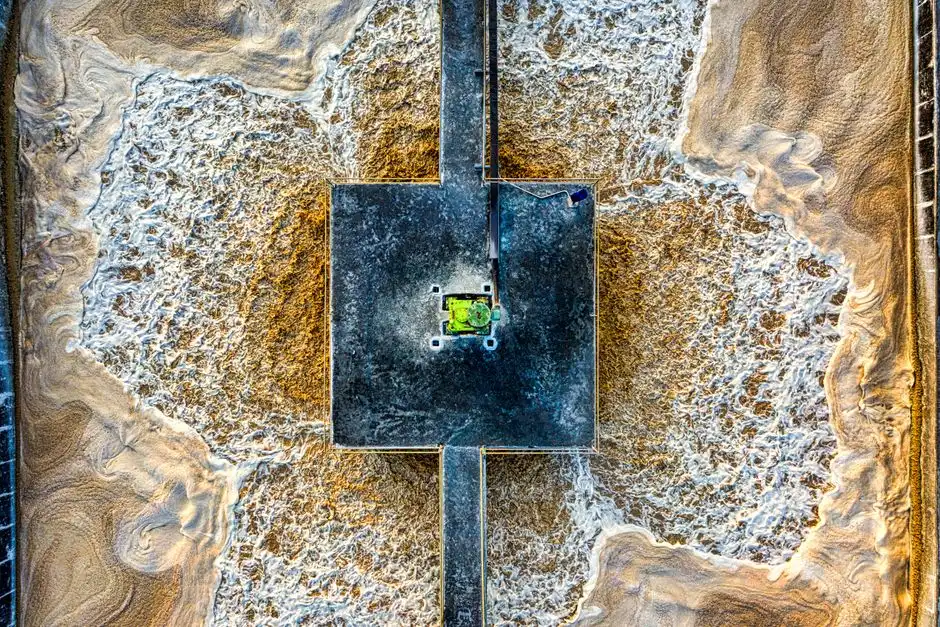
ETP sizing must use characterized flow, hydraulic peak, contaminant loading, operating hours, recovery target and future expansion—not a generic capacity stated in cubic metres per day. Two proposals with the same nominal flow may require different pretreatment, membrane areas, equalization or redundancy because their influent envelopes differ.
Issue one common design brief and require each supplier to respond against the same documents: incoming wastewater analysis, proposed process flow, equipment datasheets, materials, controls, utilities, installation boundaries, commissioning tests, operator training, spare parts and O&M support. This exposes omissions that become expensive after award.
| Evaluation area | Document or commitment to request | Why it matters |
|---|---|---|
| Design basis | Flow envelope, batch behavior, wastewater analysis, operating hours and future expansion | Establishes whether the proposal is technically comparable |
| Process performance | Duty tables, removal basis, operating limits, pretreatment requirements and guarantees | Connects equipment selection to the treatment objective |
| Installation | Civil interfaces, utilities, drainage, access, foundations, controls and delivery boundaries | Clarifies responsibility and reduces site surprises |
| Controls and commissioning | Control narratives, factory tests, site tests, acceptance samples and operator demonstrations | Converts equipment operation into a verified plant function |
| O&M | Consumables, maintenance, spare parts, training, remote support and sludge route | Defines lifecycle operation rather than handover alone |
| Commercial cost | Itemized equipment, installation, civil works, commissioning, chemicals, energy, maintenance, spares and sludge disposal | Allows like-for-like comparison without inventing a local price |
The factory-tested, pre-wired and skid-mounted construction of an automatic chemical dosing system can be included in a supplier scorecard because it affects installation and commissioning effort. Likewise, HydropureWater plate and frame filter presses span filtration areas from 1 m² to 500 m² and offer manual, hydraulic or fully automatic PLC-controlled operation. Those options can be matched to plant scale and staffing requirements during technical review.
Do not accept a generic cost claim. The supplied research contains no Puebla equipment or installation prices. A defensible quotation therefore needs the characterized flow, wastewater analysis, target water quality, reuse route, site installation scope, utilities, civil works, commissioning requirements and sludge-handling assumptions. Buyers can also compare decentralized wastewater treatment options and the engineering scope of a containerized wastewater treatment process, but neither source substitutes for a site-specific quotation.
Require each bidder to state performance boundaries, required pretreatment, the operating envelope, guarantee conditions and the consequences of nonconforming influent. A supplier that cannot identify these boundaries has not completed the engineering basis.
Implementation, Commissioning and O&M Checklist
Commissioning should verify that the installed industrial ETP performs as a process train, not merely that individual machines start. Before manufacturing or delivery, confirm equipment dimensions, utility requirements, drainage, access, foundations, lifting provisions and controls interfaces.
- Verify installation. Check mechanical completion, electrical connections, instrument calibration, safety provisions and containment.
- Verify process readiness. Confirm pretreatment, chemical supply, membrane or UF startup sequences, sludge routing and downstream connections.
- Test controls. Exercise alarms, interlocks, automatic sequences, manual fallback and responses to abnormal conditions.
- Sample influent and effluent. Use documented checkpoints and analysis methods tied to the treatment objective.
- Demonstrate operation. Train operators in startup, shutdown, cleaning, membrane upset, chemical handling and sludge dewatering.
Define monitoring frequency from the treatment objective and operating risk. At minimum, the operating plan should identify flow, pH and suspended solids, together with the COD, BOD, oil and grease, sector-specific contaminants and reuse-quality parameters established during characterization.
Prepare written contingencies for high-strength batches, excessive solids, chemical shortages, membrane upset, power loss and downstream permit exceedance. Each action needs an operator trigger, an immediate response, an escalation route and a safe operating state.
Review the first operating period against the agreed design envelope. Update the limits when production shifts, cleaning routines, wastewater chemistry or reuse requirements change. The 2026 industrial wastewater guide for a plant acquisition reinforces the need to examine the actual facility operating context rather than treating a treatment package as independent of the site.
Frequently Asked Questions
What will an effluent treatment plant in Puebla cost?
The supplied research contains no Puebla price range. A credible quotation requires characterized flow, wastewater analysis, target water quality, reuse route, installation scope, utilities, civil works, commissioning requirements and sludge-handling assumptions. Ask for itemized equipment, installation, civil works, commissioning, chemicals, energy, maintenance, spares and sludge-disposal costs so alternatives can be compared on the same scope.
How should a wastewater treatment equipment supplier be selected?
Request the design basis, process flow, equipment datasheets, performance boundaries, installation scope, commissioning plan, operator training, spare parts and O&M support. Also ask for the operating envelope, required pretreatment, guarantee conditions and stated consequences of nonconforming influent. A proposal that omits these items cannot be evaluated consistently against competing bids.
Why is average flow insufficient for ETP sizing?
Average flow does not capture peak production, batch dumps, cleaning cycles, contaminant-loading peaks or equalization demand. The sizing brief must include peak flow, discharge timing, operating hours, contaminant loading, recovery target, future production changes and the reuse or discharge criteria that determine downstream capacity.
What should be checked to reduce Puebla compliance risk?
This guide does not establish a Puebla discharge permit or numerical discharge limit. Before ordering, verify the current site authorization, receiving sewer or water requirements, applicable treatment objectives and monitoring duties with the relevant authority. Include those documented requirements in the supplier specification and acceptance plan; do not assume that a generic “industrial reuse” claim establishes compliance.
When should DAF, MBR, UF and advanced polishing be used?
Use DAF upstream when suspended solids, oil and grease, FOG or colloidal matter must be removed before biological or membrane treatment. Use MBR when biological treatment and membrane separation are needed in the primary treatment stage. Use UF as a polishing step for fine solids, bacteria and colloids, where its specified conditions are met. Use advanced polishing, including investigated nanofiltration applications, after suitable upstream treatment and against a defined reuse or discharge objective.