What Changes When Unilever Takes Ownership of an Indian Plant
When Unilever acquires a plant in India, the buyer must secure continuity or transfer of the plant’s wastewater consents under the Water Act, 1974 and applicable hazardous-waste rules, then verify the ETP against current and planned operations. A change of ownership does not remove historic non-compliance, sludge liability, unauthorized discharge or capacity deficits. The acquirer should complete a three-phase review covering 36 months of records, 12 months of laboratory data, independent diurnal sampling and a 100-day stabilization plan. Any production, cooling, chemical or reuse change must also be screened against consent conditions, sewer limits and treatment capacity.
The transaction date and the operating change are separate events. First determine whether production, cooling demand, chemical use, wastewater flow, pollutant loads, treatment, reuse or discharge routing will change after closing. Under the Water Act, 1974 and the Hazardous Waste Management Rules, identify the legal holder of each consent and obtain the State Pollution Control Board’s requirements for transfer or re-application. A filing receipt is not proof of approval.
Reconcile four roles: plant owner, wastewater operator, consent holder and person responsible for day-to-day compliance. They may be different legal or operational parties. The current permits and the proposed post-close operating plan are the controlling evidence, not the acquisition agreement alone. The Indian plant-acquisition wastewater requirements provide a useful structure for separating administrative continuity from substantive operating change.
Map Every Wastewater Pathway Before Reviewing the Consents
The permit review must begin with a physical drainage and discharge map, not the acquisition agreement. Identify every process drain, cooling loop, sanitary outlet, stormwater outfall, treatment unit, final discharge point and reuse destination. A direct surface-water discharge, sewer or CETP discharge, and internal reuse each require a different approval and compliance record.
Request the complete Consent to Establish or Consent to Operate file under the Water Act, 1974, CETP membership or sewer documentation where applicable, environmental clearance under the EIA Notification, 2006 where applicable, and State PCB correspondence. The file should include consent conditions, discharge limits, approved flow and capacity, monitoring requirements, compliance schedules, show-cause notices, closure directions and pending applications.
Trace hazardous waste from ETP sludge, spent oil and chemical waste through manifests, contractor agreements and authorized disposal records. A site that produces sludge without a complete disposal chain presents a different liability from a plant with adequate manifests but no treatment-capacity margin.
| Pathway or record | What the buyer must establish |
|---|---|
| Process, cooling, sanitary and stormwater drains | Origin, segregation, flow route, metering and destination |
| ETP inlet, inter-stage and outlet points | Treatment duty, sample points and possible bypass routes |
| Direct surface-water discharge | Consent holder, approved outlet, limits, monitoring and transfer status |
| Sewer or CETP discharge | Membership, pretreatment requirements, local limits and surcharge exposure |
| Water reuse | Quality objective, treatment stage, end use and approval basis |
| Hazardous-waste chain | Manifests, authorised contractor, destination and disposal evidence |
Screen the incoming flow with an industrial mechanical screening system only after the drainage map establishes where gross solids and rags can enter the ETP.
Run a Three-Phase ETP Due Diligence Audit
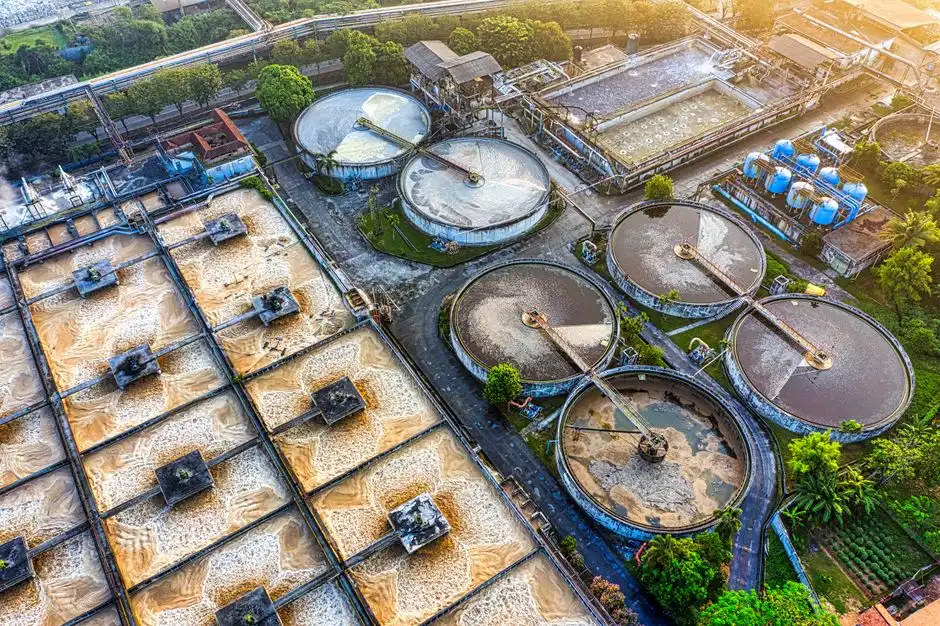
Phase I is a document screen that determines whether the transaction can proceed into technical verification without accepting an unresolved operating prohibition. Phase II establishes independent engineering evidence. Phase III converts the evidence into transaction remedies and capital scope rather than leaving the deal team with a generic compliance list.
| Phase | Core work | Escalation or output |
|---|---|---|
| Phase I: document screen | Review 36 months of ETP inlet and outlet monitoring records; the last 12 months of inlet and outlet analytical reports; consents; environmental clearance; sludge manifests; equipment; meters; process flow diagram; commissioning analysis and regulator submissions | Expired, suspended or renewal-more-than-90-days consent; actual flow above 110% of consented KLD; missing or non-NABL laboratory reports; non-listed expansion after clearance |
| Phase II: engineering audit | Compare design flow and organic loading with actual flow and COD; reconcile water bills and source data with inlet and outlet records; audit O&M, dosing, calibration, staffing, training, spares, emergency plans and drills; conduct independent sampling | Deviation above 20% in design loading; water-balance discrepancy above 10%; COD, BOD or TSS deviation above 15% during independent sampling |
| Phase III: commercial review | Classify findings by probability, severity and detectability; estimate corrective scope; assign each material finding to a deal-breaker, price adjustment, indemnity, escrow or post-close CapEx | Decision memo, costed remediation plan, draft protections and implementation schedule |
S2, published in 2026, estimates 5–7 working days for Phase I, 4–6 weeks for Phase II and 2–3 weeks for Phase III, with 8–10 weeks of typical elapsed time. The Phase II field audit should be performed by a Qualified Professional with a NABL-accredited laboratory. Sampling must cover the inlet, outlet and key inter-stage points across at least one full diurnal production cycle, with documented methods and chain of custody.
Operation above 85% of design capacity is the high-risk threshold identified in S1’s 2026 acquisition analysis. A discrepancy greater than 10% between water intake and discharged volume is S2’s escalation threshold for a possible undocumented release path. These are diligence triggers, not automatic legal conclusions.
Use the findings to test the inherited treatment train rather than treating a compliant sample as proof of adequate capacity. The broader industrial ETP selection methodology and the available plate-and-frame filter press should be assessed against verified sludge characteristics and disposal requirements.
Test Whether the Existing Treatment Can Handle the Post-Close Plan
A current consent does not establish that the ETP can treat Unilever’s planned production or achieve the intended water-reuse profile. Build a post-close water balance covering freshwater make-up, process usage, cooling-tower evaporation and blowdown, wastewater generation, reuse and final discharge. Compare the consented effluent volume with actual production and planned growth: historical permission does not authorise expansion.
Audit equalisation, clarification, biological performance, sludge dewatering, controls, redundancy and monitoring. Test startup, shutdown, upset and maintenance flows because concentration events can exceed equalisation capacity even when average flow is acceptable. Check chemical compatibility where cleaning agents, cooling chemicals or new process streams could inhibit biological treatment, damage membranes or alter sludge handling.
| Post-close issue | Required evidence | Deal consequence if unresolved |
|---|---|---|
| Hydraulic growth | Peak and average flow reconciled to production, water balance and consent | Price adjustment, escrow or staged capacity CapEx |
| Organic or toxic shock | Diurnal COD, BOD, TSS and process-specific constituent testing | Indemnity for historic operation plus funded corrective action |
| Equalisation weakness | Startup, shutdown, upset and maintenance-flow assessment | Post-close CapEx, subject to validated design |
| Water-reuse shortfall | Verified reuse quality against the buyer’s operational requirement | Strategic liability requiring quantified investment |
| Sludge-handling weakness | Residual characteristics, dewatering performance and authorised disposal route | Separate indemnity or seller-funded obligation |
S2’s 2026 Tatapuram reference describes a flow envelope of 132 m³/day with COD of 1,992 mg/L, BOD of 1,219 mg/L and TSS of 75 mg/L. Use this only as a source-specific benchmark, not as a permit limit or universal design basis.
If the ETP is legally compliant but cannot meet Unilever’s internal reuse objectives, treat the gap as a strategic liability to be priced. Candidate reuse systems include MBR wastewater treatment for industrial reuse and ultrafiltration for pretreatment or polishing, subject to site chemistry and validated performance.
Select Treatment Equipment from the Discharge and Reuse Duty
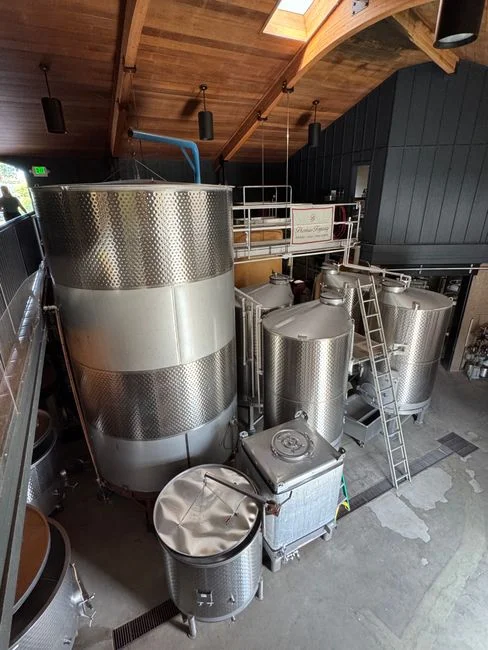
Select treatment technology only after the discharge route, post-close water balance and required effluent or reuse quality are known. The technology must match the contaminant load and operating condition; an equipment catalogue cannot establish the required duty.
| Technology | Relevant duty | Published equipment scope | Diligence checks before procurement |
|---|---|---|---|
| DAF | Suspended solids, FOG, oil and grease, and colloidal material before biological treatment | HydropureWater systems cover 4–300 m³/h across 13 standard models | Inlet characteristics, transfer pumps, chemical recovery, sludge route and redundancy |
| MBR | Biological treatment and solids separation in a compact installation | 10–2,000 m³/day; filtration below 1 μm | Organic loading, membrane compatibility, recovery, cleaning, spares and residual handling |
| UF | Pretreatment or polishing for reuse and RO | 2,000–40,000 L/h; 0.03-micron PVDF membranes; turbidity acceptance up to 300 ppm | Feed chemistry, flux, cleaning, operator skill and concentrate disposal |
| Plate-and-frame filter press | ETP sludge dewatering before authorised disposal | S2 reports 75–80% sludge-volume reduction versus drying beds as a general comparison | Sludge rheology, feed pressure, polymer demand, cake handling and disposal contract |
The published figures above come from HydropureWater’s 2026 acquisition and ETP due-diligence articles; the sludge-volume comparison is not a guaranteed project outcome. Review local reuse and sewer requirements, reagent compatibility, redundancy, footprint, operator competence, maintenance access and concentrate or residual-disposal arrangements before procurement. The industrial DAF wastewater treatment system and MBR wastewater treatment for industrial reuse illustrate why one treatment train cannot be prescribed before sampling and water-balance review.
Convert Wastewater Findings into Transaction Protection
Environmental findings become enforceable transaction terms only when responsibility and objective evidence are stated. Missing consents, expired permissions and other administrative defects that prevent the planned operation should generally be signing or closing conditions. Verified treatment-capacity gaps may justify a price adjustment, seller-funded capital obligation, escrow or performance covenant.
| Finding | Preferred protection | Required release evidence |
|---|---|---|
| Missing or unresolved consent | Signing or closing condition | Written State PCB or other authority acknowledgement |
| Treatment-capacity gap | Price adjustment, escrow or seller-funded obligation | Approved design, accepted consent, baseline sampling and verified operating results |
| Pre-closing exceedances | Specific indemnity | Historical samples, notices, monitoring records and remediation scope |
| Contaminated sludge or legacy disposal | Separate indemnity and, where justified, escrow | Manifests, contractor records, site investigation and costed remedy |
| Third-party sewer or CETP claim | Indemnity for pre-closing conduct; covenant for post-close compliance | Contribution records, correspondence and accepted claim terms |
| Post-close reuse or production shortfall | Staged CapEx obligation or performance covenant | Acceptance tests tied to the agreed water balance and quality basis |
Allocate consent transfer or modification, corrective action, pre-closing violations, contamination, third-party sewer claims, equipment replacement and post-close performance separately. Do not leave these risks under one vague environmental-compliance warranty.
S1, published in 2026, cites the ABA M&A Study 2023 for environmental-indemnity caps of 15–25% of purchase price and five-to-seven-year survival periods. It also cites screening estimates of $1.2 million to $3.8 million for groundwater remediation on a two-acre site and a 25% CAPEX contingency for subsurface conditions. These are negotiation context and investigation prompts, not legal advice, reserves or quotations. The structure is discussed further in wastewater diligence for a food-industry plant acquisition.
Implement the First 100 Days After Closing
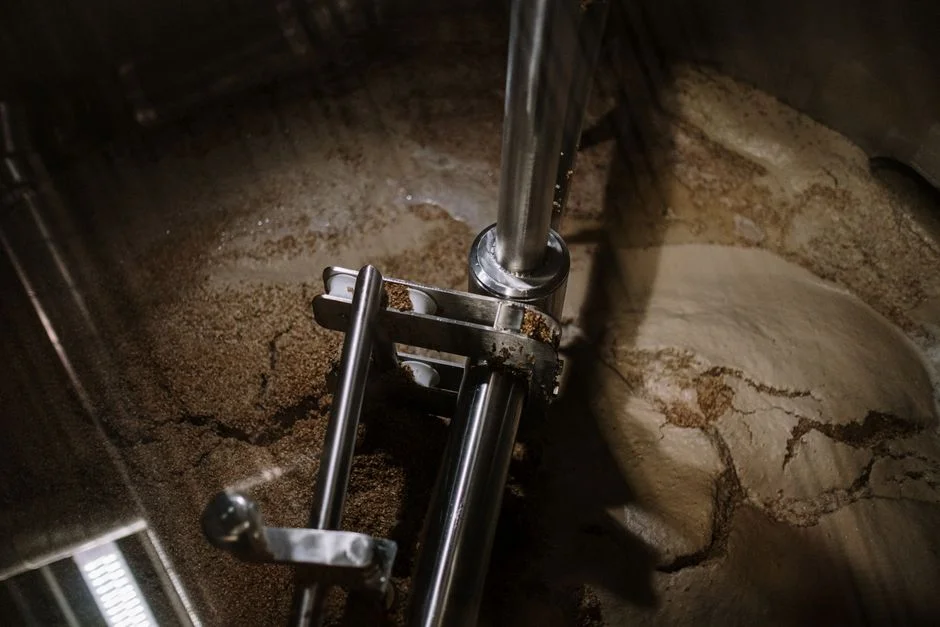
Closing does not establish operating readiness. The first 100 days should convert diligence findings into controlled consent continuity, a defensible performance baseline and a funded improvement sequence.
| Period | Required action | Exit evidence |
|---|---|---|
| Days 0–30 | Lock wastewater and hazardous-waste consents into the buyer’s name where required; address pending show-cause matters; reconcile permit and operating responsibilities; secure authorised sludge-handling contracts | Written approvals or acknowledgements, named compliance owners, current contracts and an interim compliance plan |
| Days 31–60 | Calibrate instruments; confirm laboratory and monitoring contracts; install or verify online outlet monitoring; begin the 30-day side-by-side third-party sampling campaign recommended by S2 | Calibration records, validated data, laboratory reports, chain of custody and trend baseline |
| Days 61–100 | Commission a capacity audit against Unilever’s planned production growth; prepare a phased CapEx roadmap for pretreatment, biological capacity and tertiary or ZLD requirements where needed | Approved capacity audit, costed roadmap, funding decisions and operating-control plan |
Assign one owner to every consent condition and unresolved technical finding. Do not change production, cooling chemicals, treatment operation or discharge routing until that owner documents the compliance decision. Track discharge samples, laboratory results and operating trends as the acceptance-test baseline for operator training and corrective-action management.
Where the acquisition includes more intensive internal reuse objectives, the industrial water-reuse strategy for acquired plants provides a broader planning context, but it does not replace site-specific consent review or treatment validation.
Frequently Asked Questions
Does filing a consent-transfer application prove that the buyer can continue operating?
No. Require the controlling State PCB or other authority’s written acknowledgement. The complete permit file must establish whether the existing consent continues, requires transfer, needs modification or must be replaced. A submission receipt is administrative evidence only.
How should the buyer determine whether the ETP requires expansion?
Do not size from consented flow alone. Reconcile the current water balance, diurnal inlet and outlet sampling, organic loading, production plan, equalisation performance, sludge handling and the required reuse quality. S2 identifies a design-loading deviation above 20% and an operating level above 85% of design capacity as material review triggers.
What should the buyer request before setting a wastewater remediation allowance or equipment budget?
Request the site investigation, verified permit and enforcement record, capacity-gap analysis, corrective-action scope, implementation schedule and costed design. S1’s $1.2 million–$3.8 million groundwater screening estimate and 25% subsurface CAPEX contingency are not reserves or quotations and cannot price this plant without site-specific evidence.
What should be checked when selecting a supplier for wastewater treatment equipment?
Check the supplier’s proposed duty against the verified discharge route, peak flow, contaminant profile, reuse target, available footprint, reagent compatibility, redundancy, operator competence, maintenance access, spares, delivery programme and residual-disposal arrangements. Obtain a binding scope and site-specific performance basis; an equipment range alone is not a compliant design. For reuse polishing, confirm the technical fit of industrial reverse osmosis for wastewater purification before purchase.