Which rules control a Belding-area sewer discharge?
Three rule sets must be reconciled before equipment is selected: 40 CFR Part 403 provides the general pretreatment framework, Part 414 covers plastics, resins and synthetic resins, and Part 463 covers rubber manufacturing. The enforceable requirements also depend on the plant’s current individual permit, the applicable categorical subcategory and any more stringent local conditions. EPA states that categorical standards can apply even when the POTW lacks an approved pretreatment program and even when the nondomestic discharger has not received a permit or another control mechanism. Equipment sizing therefore cannot be based on federal tables alone.
The Control Authority—generally the receiving POTW or another authorized pretreatment authority—issues the industrial user pretreatment permit, establishes enforceable site-specific conditions and conducts compliance monitoring. Obtain the current permit directly from that authority and confirm whether it expressly adopts categorical limits, local limits or both. Under the regulatory hierarchy, a categorical standard does not automatically displace a stricter enforceable permit condition.
Next, map the actual manufacturing operation to the correct subcategory. Part 414 distinguishes operations including contact cooling and process-water and emulsion-process wastewater; Part 463 distinguishes tire production, latex-based processes and general rubber products. A plant operating several processes may need to determine which operations generate regulated wastewater and whether discharge is subject to more than one subcategory. This is a regulatory determination, not a process-design assumption.
EPA also explains that a Control Authority may grant a variance from an individual pretreatment standard under certain circumstances. A variance must be documented; it is not a default basis for equipment selection. The EPA categorical pretreatment standards overview is a starting point, while the current permit and applicable subcategory provisions establish the enforceable requirements.
| Document or rule | Engineering relevance | Decision required before procurement |
|---|---|---|
| 40 CFR Part 403 | General pretreatment requirements, including categorical-user status and pass-through/interference controls | Confirm which requirements apply to the plant and receiving POTW |
| 40 CFR Part 414 | Subcategory-specific standards for plastics, resins and synthetic resins | Map production and wastewater streams to the applicable subcategory |
| 40 CFR Part 463 | Subcategory-specific standards for rubber manufacturing | Distinguish tire, latex and general rubber operations |
| Individual industrial user pretreatment permit | Enforceable local limits, monitoring, reporting, sampling point and operating conditions | Obtain the current permit from the Control Authority |
Map each Belding-area waste stream before choosing equipment
A plastics or rubber plant should not design one treatment system around an undifferentiated “plant average.” Build a process-by-process inventory, then assign each unit process a defined removal duty. Request records covering contact cooling, polymerization, extrusion, molding, tire or latex operations, kettle cleaning, floor washing and any stormwater authorized to enter the sewer. For each stream, document flow, pH, TSS, oil and grease, BOD and COD. Add process-associated constituents such as styrene, acrylonitrile, vinyl chloride, benzene, ethylbenzylene and relevant metals; assess fluorinated compounds where fluoropolymers, fluoroelastomers or PFAS-treated feedstocks are present.
Segregate relatively clean cooling and rinse water from concentrated process, wash and batch-cleaning wastewater. Concentrated streams then determine equalization, emulsion-removal and biological loading. Latex, polymer-coagulant emulsion, mold-release and machining-residue streams should be identified as separate oily or emulsified sources, rather than assuming that one gravity separator can treat every hydrocarbon-bearing stream.
The 2026 plastics and rubber pretreatment guide explains that stabilized oil droplets may remain below 100 μm and remain dispersed by surfactants. In that condition, gravity separation may not recover the oil reliably. An industrial DAF system for oily polymer wastewater may therefore be relevant, but only after stream characterization establishes the oil form, solids loading and required hydraulic treatment.
| Waste stream | Characteristics to verify | Potential treatment duty |
|---|---|---|
| Contact cooling or clean rinse | Flow variability, heat, pH and residual process chemicals | Segregation, heat recovery where applicable and controlled routing |
| Polymer or latex production | pH, TSS, oil and grease, BOD, COD and process-specific organics | Equalization, emulsion removal, biological treatment and polishing as characterized |
| Rubber molding and machining | Intermittent flow, mold-release residues, oil and grease, TSS and pH | Batch equalization, DAF and downstream polishing |
| Kettle and batch cleaning | Concentration, batch volume, chemistry and discharge frequency | Controlled collection, equalization and treatment before sewer discharge |
| Floor washing | Oil and grease, suspended solids and wash-water constituents | Segregated oil and solids removal |
Final equipment sizing should use measured flow, contaminant loads, batch variability and the enforceable permit. Generic values or figures presented for other locations must not be relabeled as Belding requirements.
Build the treatment train from equalization through final polishing
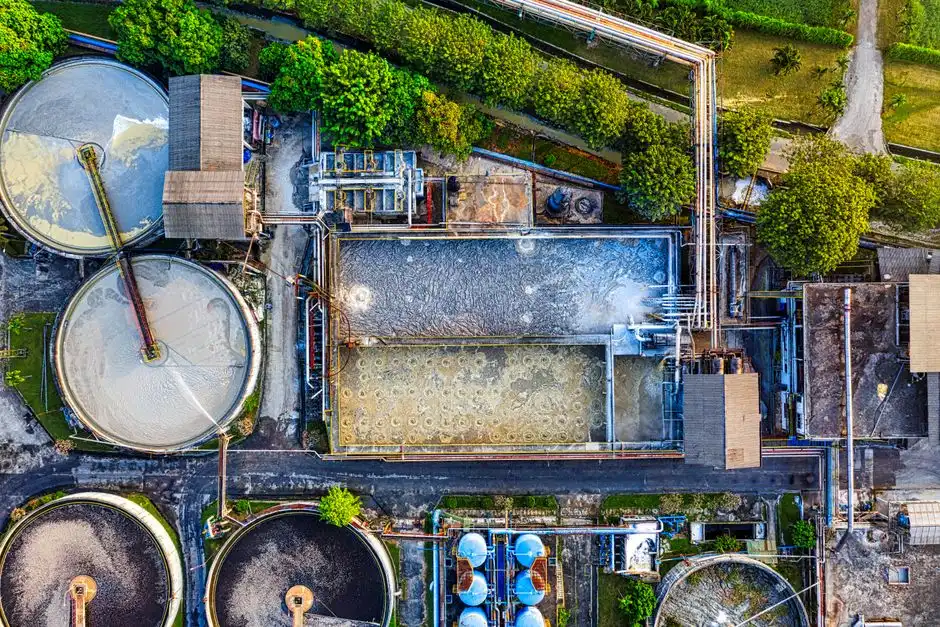
The treatment train should remove contaminants in the order in which they interfere with downstream processes: equalize and protect the plant; remove free or emulsified oil and floatable solids; reduce soluble biodegradable organics; polish solids; and finally address pH, metals or priority organics where required. Each stage needs a measurable design duty rather than a generic equipment label.
Equalization is the first hydraulic control for variable discharges from rubber molding, polymer kettle cleaning and other batch operations. The 2026 plastics and rubber pretreatment guide identifies load spikes and equalization-basin bypass or undersizing as common contributors to notices of violation. The basin should therefore receive controlled routing, have adequate working volume and contain an alarm and managed bypass response.
For emulsified oil, grease, floatable solids, colloids and polymer-associated suspended matter, DAF is the dedicated upstream step. The same guide reports single-pass removal of 60–90% for oil and grease and 50–80% for TSS on polymer-bearing streams. Those are source-qualified design figures, not guaranteed performance or local limits. Coagulant selection, recycle saturation, flotation contact, sludge withdrawal and hydraulic loading must be verified against the characterized stream.
After oil and grease removal, activated sludge addresses soluble biodegradable organics. An MBR membrane bioreactor for plastics and rubber wastewater combines biological treatment with membrane solids separation when tighter solids control or a smaller biological clarification footprint is warranted. The supplied guide reports MBR removal of 95–98% for BOD and 98% for TSS, compared with activated-sludge removal of 85–95% for BOD and 95–98% for TSS.
UF is a final solids-polishing or reuse step, not the primary biological process. When the design basis requires suspended-solids removal below 1 mg/L, the supplied product information describes 0.03 μm PVDF membranes, capacities from 2,000 to 40,000 L/h, automatic backwash and air scour. That low solids target is a design condition—not evidence that Part 414 or Part 463 establishes a Belding limit.
Chemical treatment must match the contaminant. The supplied industrial guide identifies hydroxide precipitation followed by DAF or ion exchange for applicable metals, and stripping or granular activated carbon for relevant priority organics. An automatic chemical dosing system may provide controlled pH adjustment or coagulant feed, but the chemical, dose range and control logic require actual wastewater testing.
For hydraulic and load variability, the guide gives a 1.2–1.5× safety factor. Confirm that margin through a site-specific mass balance; it is not a regulatory requirement. The same guide states that no federal categorical PFAS limit existed under Part 414 or Part 463 as of 2026. Michigan requirements, permit conditions and any emerging screening requests must still be checked, particularly where fluorinated materials are processed.
| Process step | Defined duty | Design evidence |
|---|---|---|
| Equalization | Absorb batch flow and load variation | Measured flow series, batch volumes and operating envelope |
| DAF | Remove emulsified oil, grease, floatable solids and colloids | Oil form, emulsion stability, oil-and-grease load and TSS |
| Activated sludge or MBR | Reduce soluble biodegradable organics | BOD/COD loading, biodegradability and required effluent quality |
| UF or another solids-polishing step | Meet the design-basis suspended-solids target | Required TSS, reuse criteria and membrane-fouling data |
| Chemical and specialized treatment | Control pH, metals or relevant priority organics | Stream-specific characterization and enforceable permit |
Compare DAF, biological treatment and MBR against the actual permit risk
DAF, activated sludge, MBR and UF are not interchangeable products because each controls a different physical or biological condition. DAF targets oil, grease and floatable solids; activated sludge targets soluble biodegradable organics; MBR combines biological treatment with membrane separation; UF provides final solids polishing. The equipment sequence should therefore reflect the pollutants present at each point, not a preference for one technology.
The supplied industrial guide reports DAF removal of 60–90% for oil and grease and 50–80% for TSS on polymer-bearing streams. It reports activated-sludge removal of 85–95% for BOD and 95–98% for TSS, and MBR removal of 95–98% for BOD and 98% for TSS. These are indicative design figures from the source, not guarantees for a Belding plant. A supplier should tie any guarantee to the characterized wastewater and a defined flow and loading envelope.
Cost also depends on the architecture. The source says MBR plus UF typically costs 20–40% more in initial capital than activated sludge plus multi-media filtration, while operating expenditure is typically 15–25% lower. The source’s 50–80% reuse figure and two-to-four-year membrane-upgrade payback at 50 m³/h depend on utility acceptance, fresh-water cost and site reuse economics. They are not guaranteed outcomes for a Belding operation.
Selection should compare footprint, process complexity, sludge route, utilities, operator requirements, reuse goals, measured influent variability and life-cycle cost. For solids-removal selection details, use the suspended-solids removal process guide. For oil-removal architecture, the 2026 DAF-versus-clarifier engineering comparison provides a useful framework, although food and beverage examples cannot replace plastics or rubber wastewater testing.
| Option | Primary function | Source-reported removal | Key procurement question |
|---|---|---|---|
| DAF | Oil, grease, floatable solids and colloids | 60–90% oil and grease; 50–80% TSS on polymer-bearing streams | Will the guarantee use the actual emulsion and solids loading? |
| Activated sludge | Soluble biodegradable organics | 85–95% BOD; 95–98% TSS | Can the biological system handle the measured load and variability? |
| MBR | Biological treatment plus membrane solids separation | 95–98% BOD; 98% TSS | Are membrane cleaning, replacement and solids handling included? |
| UF | Final solids polishing or reuse preparation | Product information describes membranes rated at 0.03 μm | Does the feed meet the manufacturer’s fouling and solids conditions? |
Prove compliance at the designated sampling point
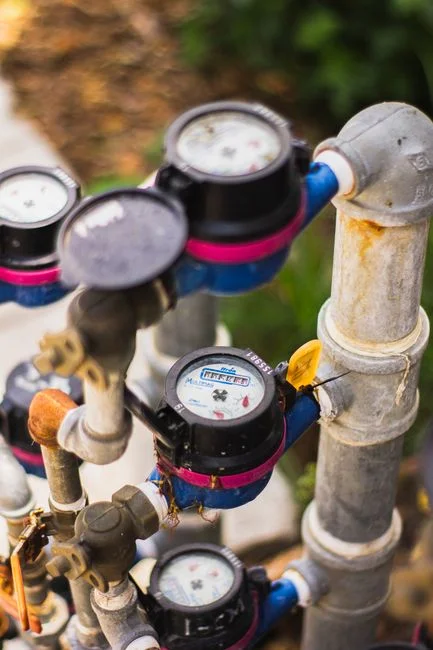
Compliance is demonstrated at the permit’s designated sampling point, downstream of in-plant treatment and before any recycle flow that would alter the sample. The 2026 pretreatment guide identifies this as the representative point where the Control Authority determines permit compliance. The plant’s P&ID, flow path and sampling program must agree; otherwise treatment performance cannot be tied reliably to the discharge.
The same guide says categorical industrial users typically submit 24-hour flow-proportional composite samples. Routine frequencies commonly range from twice per year to quarterly, monthly sampling may occur during renewal-monitoring windows, and priority-pollutant scans are usually annual. The current permit controls the actual requirement. These frequencies should be entered into a compliance calendar with sample containers, analytical methods, notification requirements, reporting deadlines and responsible personnel.
Online TSS, pH and conductivity instruments can reveal adverse trends before a scheduled sample, but they do not replace laboratory confirmation. Retain chain-of-custody records, calibration records, operating logs and laboratory reports so each result can be linked to the represented discharge period.
Pass-through and interference are treatment-design criteria as well as regulatory prohibitions. A discharge must not impair POTW operation or sludge quality. Relevant suspended-solids removal process guidance can support that review, but the final assessment remains site-specific.
Enforcement can progress from warning letters and administrative orders to civil penalties and permit suspension or termination. That risk makes operating records, calibration, bypass response and timely reporting central to the treatment system rather than administrative additions.
| Compliance element | Required engineering or documentation action |
|---|---|
| Representative sampling | Install or verify access at the permit-designated sampling point, downstream of treatment and before altered recycle flow |
| Composite sampling | Use the permit-required sampling method and frequency; confirm laboratory containers and holding times |
| Trend monitoring | Use online TSS, pH and conductivity for operational warning, with laboratory confirmation |
| Traceable records | Retain chain of custody, calibration, maintenance, bypass, operating and discharge-monitoring records |
| Enforcement readiness | Maintain corrective-action procedures and permit-renewal documentation |
Use this procurement and compliance checklist
- Obtain the current industrial user pretreatment permit, identify the Control Authority and confirm the categorical subcategory and enforceable local conditions.
- Obtain representative wastewater characterization for each major stream, including flow, pH, TSS, oil and grease, BOD, COD and applicable priority pollutants.
- Prepare a stream-by-stream P&ID and mass balance showing equalization, DAF, biological treatment, polishing, chemical control, bypass routes, sludge handling and the designated sampling point.
- Require each equipment supplier to state design flow, contaminant loading, removal mechanism, control strategy, footprint, utilities, sludge route and included instrumentation.
- Require performance claims to reference the plant’s measured wastewater, not generic food-processing or unrelated industrial examples.
- Include startup, operator training, control narrative, preventive maintenance, spare parts, monitoring support and permit-renewal documentation in the proposal.
The industrial plant wastewater due-diligence guide provides a broader acquisition-transition checklist, but Arizona site assumptions do not establish Michigan or Belding requirements. For this purchase, the current permit and site data should control. Cost optimization can then be evaluated through the 2026 wastewater chemical-cost optimization guide, using actual reagent consumption and operating data.
Frequently Asked Questions
What inputs are needed to size DAF, MBR or UF for a plastics or rubber plant?
Size the equipment from wastewater flow, contaminant loads, batch variability and permit limits—not from a general flow rule. Provide representative samples for oil-and-grease, TSS, BOD and COD characterization, along with the selected categorical subcategory and current permit. The supplier should then state the design flow and loading envelope, removal mechanism, controls and treatment-scope boundary.
How much more does MBR plus UF cost than activated sludge plus multi-media filtration?
The supplied industrial article reports that MBR plus UF typically carries a 20–40% higher capital cost than activated sludge plus multi-media filtration, with annual operating expenditure typically 15–25% lower. Those figures are comparative guidance, not a quotation. Obtain a site-specific bid covering equipment, membranes, membranes replacement, chemical use, energy, sludge handling and maintenance.
What should a wastewater-equipment supplier guarantee in a proposal?
Require guarantees tied to the measured wastewater and an agreed flow and loading envelope. The proposal should include the P&ID, equipment duty, controls, footprint, utilities, sludge route, instrumentation, startup support, operator training and maintenance documentation. Ask how each guarantee will be verified and what remedy applies if performance is not achieved.
Which requirements control compliance risk near Belding?
Reconcile the categorical standard, the individual pretreatment permit, local conditions and pass-through/interference controls. The permit’s designated sampling point determines where compliance is demonstrated. Any discrepancy should be resolved with the Control Authority before equipment selection, because the more stringent enforceable requirement controls the treatment design.
Do Part 414 or Part 463 impose a federal PFAS limit?
The supplied industrial article reports no federal categorical PFAS limit under Part 414 or Part 463 as of 2026. That does not remove the need to review current Michigan requirements, permit conditions and any monitoring requested during renewal. Plants using fluoropolymers, fluoroelastomers or PFAS-treated feedstocks should obtain a specific, current applicability determination.