Samarkand Sewage Context: System Deficits and 2026 Regulatory Drivers
Samarkand’s wastewater system currently lacks widespread use of modern GIS and computer‑based monitoring, limiting reliable operation (S2, 2025). Aging pipelines and pump stations cause frequent overflows during summer peak demand, prompting a municipal modernization strategy that includes digitized asset management. October 2026 Uzbekistan reservoir tourism wastewater regulations now oblige hotels and resorts to treat all effluent before discharge to natural reservoirs. The World Bank Bukhara and Samarkand Sewerage Project provides a regional investment framework that ties financing to compliance with national SanPiN discharge limits (S3). Because Samarkand lies in a semi‑arid climate, water‑scarcity pressures favor reuse technologies that meet SDG 13 objectives highlighted in vermifiltration research (S5).
This lack of modern GIS leads to reactive rather than predictive maintenance, hindering proactive network management and increasing operational costs due to emergency repairs. Aging pipelines contribute to infiltration and inflow (I&I), diluting wastewater and increasing treatment volumes unnecessarily. The emphasis on water reuse in semi-arid regions allows treated effluent to serve as a reliable source for non-potable uses such as agricultural irrigation, industrial cooling, or landscape watering, reducing reliance on freshwater reserves and promoting a circular economy.
Technology Selection Framework: A/O Package vs MBR vs Decentralised Options
The WSZ series underground integrated plant is rated for 1–80 m³/h, covering residential populations from roughly 1,200 to 96,000 PE at average flow (S6). MBR systems deliver <1 μm effluent in a footprint up to 60% smaller than conventional activated‑sludge plants, making them suitable for land‑constrained sites (product catalog). Vermifiltration is an efficient, low‑expertise, decentralised option that can polish septic‑tank effluent in small rural settlements (S5). The table below aligns each technology with the key project drivers typical of Samarkand.
The WSZ series, being an underground unit, offers minimal visual impact, which is advantageous for aesthetically sensitive urban or resort developments, while its automated operation reduces the need for constant on-site personnel. MBR systems, beyond their compact footprint, excel in removing pathogens and micropollutants, producing effluent suitable for direct non-potable reuse or discharge into sensitive water bodies, a key consideration given the new tourism regulations. Their superior filtration capability also minimizes downstream disinfection requirements. Vermifiltration's low energy consumption and simple design make it resilient in areas with unreliable power grids or limited technical resources, offering an ecologically sound solution for remote or smaller settlements.
| Technology | Typical Flow Range | Footprint | Operator Requirement | Effluent Quality (BOD/TSS) | Capital Intensity |
|---|---|---|---|---|---|
| WSZ series underground A/O package | 1–80 m³/h | Moderate (buried unit) | Fully automated, no on‑site operator | Meets SanPiN BOD₅ ≤ 30 mg/L, TSS ≤ 20 mg/L (design target) | Medium |
| MBR integrated system | 10–2,000 m³/day | ~40 % of conventional plant | Requires trained operator for membrane cleaning | Re‑use quality, BOD₅ < 5 mg/L, TSS < 1 mg/L | High |
| Vermifiltration (decentralised) | 0.5–5 m³/h (septic‑tank polish) | Small, modular beds | Minimal, local caretaker | Reduces BOD₅ by 60–80 %, TSS by 50 % | Low |
Sizing and Configuration for Samarkand Applications
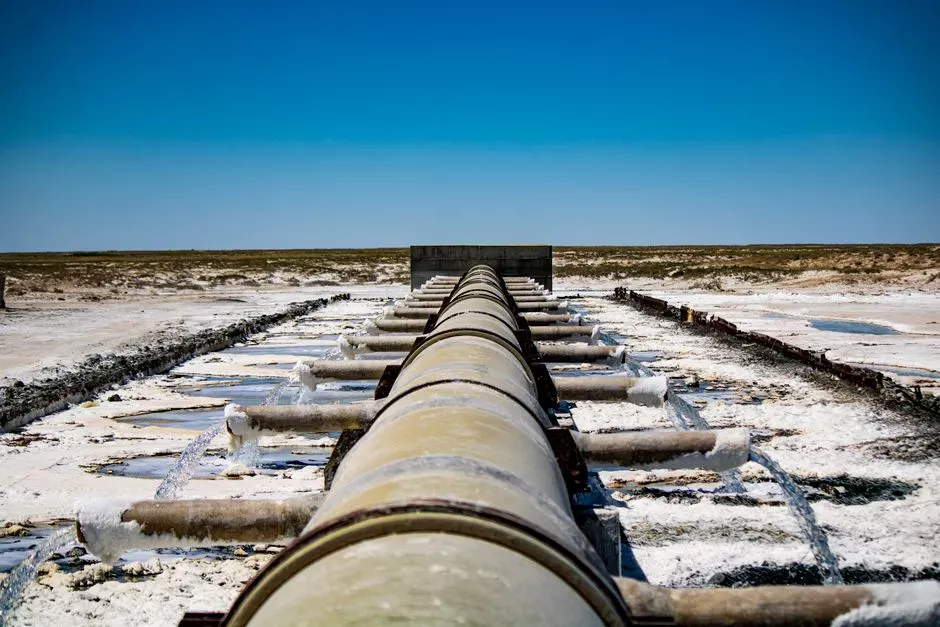
World Bank sewerage design guidelines for Central Asia prescribe a peak factor of 2.5 for new residential package plants (S3). Using the local per‑capita demand of 150–200 L person⁻¹ day⁻¹, a 5,000‑person community requires a design flow of 750–1,000 m³/day (average) multiplied by the peak factor, yielding 1,875–3,000 m³/day (≈0.8–1.3 m³/h). This falls within the WSZ 1–80 m³/h envelope, so a single WSZ unit can serve the entire settlement. Hotels and hospitals typically consume 200–400 L bed⁻¹ day⁻¹; a 200‑bed hotel thus needs 40–80 m³/day (average) and, with a peak factor of 3.0, a peak of 120–240 m³/day (≈0.05–0.10 m³/h), also handled by the WSZ series.
For reuse‑oriented projects, the MBR DF series flat‑sheet modules provide 32–135 m³/day per membrane bank (product catalog). A 5,000 m³/day reuse plant can be built with four to six DF modules, allowing staged expansion as demand grows. The table summarizes typical configurations.
Modular systems allow for phased expansion in rapidly developing areas, optimizing initial capital expenditure while accommodating increasing demand. For facilities with highly variable flows, such as hotels during peak tourist seasons, incorporating equalization tanks upstream of the treatment plant enhances process stability and treatment efficiency, preventing shock loads that could compromise effluent quality. The configuration choice depends on influent characteristics; high-strength industrial wastewater mixed with domestic sewage may necessitate pre-treatment steps not typically required for purely domestic flows.
| Application | Design Flow (m³/day) | Recommended WSZ Model | MBR DF Modules Required |
|---|---|---|---|
| Residential community (5,000 PE) | 1,875–3,000 (peak) | WSZ‑80 (max 80 m³/h) | — |
| Hotel / Hospital (200 beds) | 120–240 (peak) | WSZ‑20 (20 m³/h) or WSZ‑40 | — |
| Reuse‑focused district (5,000 m³/day) | 5,000 (steady) | — | 4 × DF‑135 (≈540 m³/day) + 2 × DF‑80 (≈64 m³/day) = 604 m³/day; scale up to meet 5,000 m³/day |
Procurement Checklist: Compliance, Logistics, and Vendor Evaluation
Equipment must meet Uzbekistan SanPiN effluent limits for BOD₅ (≤ 30 mg/L) and TSS (≤ 20 mg/L) with documented performance guarantees at the design influent BOD₅ of 300 mg/L (World Bank safeguard requirements, S3). For WSZ buried installations, verify site‑specific crane access, groundwater table depth, and backfill compaction specifications before finalising civil works. Evaluate vendors on three criteria: (1) availability of local commissioning engineers familiar with PLC/SCADA integration, (2) spare‑parts stocking points within Central Asia, and (3) proven references from previous Uzbekistan or Kazakhstan projects (S6 product data). Request a factory acceptance test (FAT) protocol that includes start‑up at the design flow and temperature conditions typical of Samarkand’s summer (≈35 °C). Obtain a detailed O&M training plan that covers membrane cleaning for MBR and automatic dosing system operation.
For PLC/SCADA integration, ensure the system is compatible with common industrial protocols (e.g., Modbus TCP/IP, Profinet) to facilitate seamless data exchange with existing municipal monitoring platforms, enabling centralized control and remote diagnostics. The availability of critical spare parts, such as membranes, blowers, and pumps, within proximity minimizes plant downtime, particularly for remote installations. A comprehensive spares list should be part of the procurement documentation. When evaluating vendor references, inquire about long-term operational costs and the responsiveness of after-sales support. The O&M training plan should include practical, hands-on sessions for local technicians, covering routine maintenance, troubleshooting, and emergency response procedures.
Frequently Asked Questions
What package sewage plant capacity do I need for a 5,000‑person residential development in Samarkand?
Using the local demand of 150–200 L person⁻¹ day⁻¹ and a peak factor of 2.5 (World Bank design guideline, S3), the peak flow is 1.9–3.0 m³/h. The WSZ‑80 model, rated up to 80 m³/h, comfortably covers this load, so a single WSZ‑80 unit is sufficient. Calculating both average and peak flows is necessary to prevent system overload during high demand periods, which could lead to non-compliance or operational failures.
Does the WSZ series meet Uzbekistan's October 2026 reservoir tourism wastewater discharge limits?
The WSZ package delivers biological contact oxidation, sedimentation, and disinfection that achieve effluent BOD₅ ≤ 30 mg/L and TSS ≤ 20 mg/L, aligning with the SanPiN limits incorporated in the October 2026 tourism regulation (regulation link above). Verify the specific discharge limits in the official decree before final acceptance. Regular effluent monitoring and process adjustments are essential to consistently meet these limits under varying influent conditions or seasonal temperature fluctuations.
What is the typical lead time and delivery route for MBR equipment to Samarkand from the manufacturer?
Manufacturers usually quote a 12–14‑week lead time for the DF‑series membrane modules, with freight routed via rail to Tashkent followed by road haulage to Samarkand. Buyers should request a detailed logistics schedule and customs clearance plan to confirm the timeline for their project. Accounting for potential customs delays and local transport logistics is necessary to stay on schedule.
How do A/O and MBR operating costs compare for a 200 m³/day hotel project in Samarkand?
Operating cost for the WSZ A/O package is dominated by electricity for aeration (≈0.12 USD kWh⁻¹) and periodic sludge removal; typical annual OPEX ranges from 0.35–0.45 USD m⁻³. MBR systems incur higher membrane cleaning chemical costs and periodic membrane replacement, raising OPEX to 0.55–0.70 USD m⁻³. Request the supplier’s detailed OPEX breakdown for the specific climate and electricity tariff in Samarkand to refine the comparison. Energy efficiency of specific components, such as high-efficiency blowers or pumps, influences the overall OPEX and should be scrutinized during technical evaluation.
Related Equipment
- DF series PVDF flat sheet modules for phased MBR expansion — specifications, capacity range, and technical data