
DAF or Full ETP: Make the Decision from the Wastewater
A factory in Port Harcourt generally needs a complete ETP when its wastewater contains soluble or biodegradable organic load; a DAF system alone is usually a pretreatment option for suspended solids, oil, grease and colloidal material. Spans reports NESREA-aligned targets of BOD below 30 mg/L, COD below 90 mg/L and TSS below 30 mg/L. For food-processing wastewater, a representative train is screening → equalisation → DAF → MBBR biological treatment → clarification → tertiary filtration. The correct choice must follow wastewater characterization, peak flow, discharge route, reuse objectives, power reliability and sludge-handling requirements.
Dissolved air flotation is a clarification process: compressed air is dissolved in water, released as microbubbles in a flotation tank and attached to suspended solids, oils and greases so they float for removal, according to Clear-Ion’s DAF system description. This makes an industrial DAF system for solids and FOG pretreatment relevant where the immediate problem is solid-liquid separation, not removal of the full soluble pollutant load.
The practical decision is therefore:
- Oily or solids-heavy wastewater: evaluate DAF for suspended-solids removal and oil and grease treatment.
- Soluble biodegradable wastewater: evaluate biological wastewater treatment such as MBBR, activated sludge or SBR.
- Permit or reuse quality required: evaluate the complete factory wastewater process train, including clarification and any necessary tertiary treatment.
DAF and ETP are not mutually exclusive product categories. A factory may purchase DAF as pretreatment within a larger industrial effluent treatment plant. Spans’ food-processing reference architecture follows exactly that logic: screening → equalisation → DAF → MBBR biological treatment → clarification → tertiary filtration.
| Decision condition | Primary treatment to evaluate | Reason |
|---|---|---|
| Suspended solids, oil, grease or colloidal material dominate | DAF clarification | Clear-Ion identifies suspended solids, oils and greases as contaminants removed by microbubble flotation. |
| High soluble or biodegradable organic load | Biological treatment, such as MBBR, activated sludge or SBR | DAF clarification alone does not constitute biological treatment of soluble organics. |
| Final discharge or reuse specification must be demonstrated | Complete ETP process train | DAF may be one stage, while biological, clarification and tertiary stages address other treatment objectives. |
This distinction should be established before equipment quotations are requested. It prevents a pretreatment skid from being evaluated as though it can deliver complete effluent compliance.
Match the Treatment Train to the Factory
Spans identifies food processing, flour milling, sugar refining, tomato processing, poultry and fish plants as sectors that may require physico-chemical treatment followed by biological treatment and sludge dewatering. The sequence and emphasis still depend on the factory’s actual effluent rather than its product label.
For breweries, the distinction between flotation duty and biological load is particularly important. Spans reports typical brewery wastewater at BOD 1,000–3,500 mg/L and COD 1,800–7,000 mg/L. For larger installations, its reference architecture is UASB anaerobic pretreatment followed by aerobic MBBR polishing, with biogas recovery where applicable. Such wastewater is not adequately addressed by treating suspended material alone.
For oily or FOG-heavy effluent, DAF merits direct evaluation because Clear-Ion identifies suspended solids, oils and greases as principal DAF targets. It also reports DAF applications across food processing, pharmaceuticals, chemicals, textiles and oil refineries. The working principle of dissolved air flotation should therefore be matched to the contaminants actually present, rather than used as a generic substitute for an ETP.
Pharmaceutical wastewater adds a further treatment requirement. Spans states that biological treatment may require advanced oxidation or activated-carbon polishing where pharmaceutical compounds must be removed. That condition must be established from the product, production campaign and representative sampling.
| Factory sector or effluent characteristic | Treatment stages to evaluate | Critical qualification |
|---|---|---|
| Food processing, flour milling, sugar refining, tomato, poultry or fish | Physico-chemical pretreatment, biological treatment and sludge dewatering | Spans describes screening, DAF or lamella clarification followed by MBBR, activated sludge or SBR as sector-specific combinations. |
| Brewery | UASB anaerobic pretreatment followed by aerobic MBBR polishing for larger installations | Spans reports BOD 1,000–3,500 mg/L and COD 1,800–7,000 mg/L for brewery wastewater. |
| Oily or FOG-heavy industrial effluent | DAF clarification followed by treatment required for remaining pollutants | DAF directly addresses suspended solids, oils and greases; it does not remove every soluble pollutant. |
| Pharmaceutical effluent | Biological treatment with advanced oxidation or activated-carbon polishing where required | Spans links pharmaceutical-compound removal to advanced polishing rather than to biological treatment alone. |
The final recommendation remains conditional on representative wastewater tests, the applicable permit, reuse targets and the available receiving system. Use this sector map as a shortlist for process workshops, not as a substitute for characterization.
Build the System around Flow, Loads and Reliability
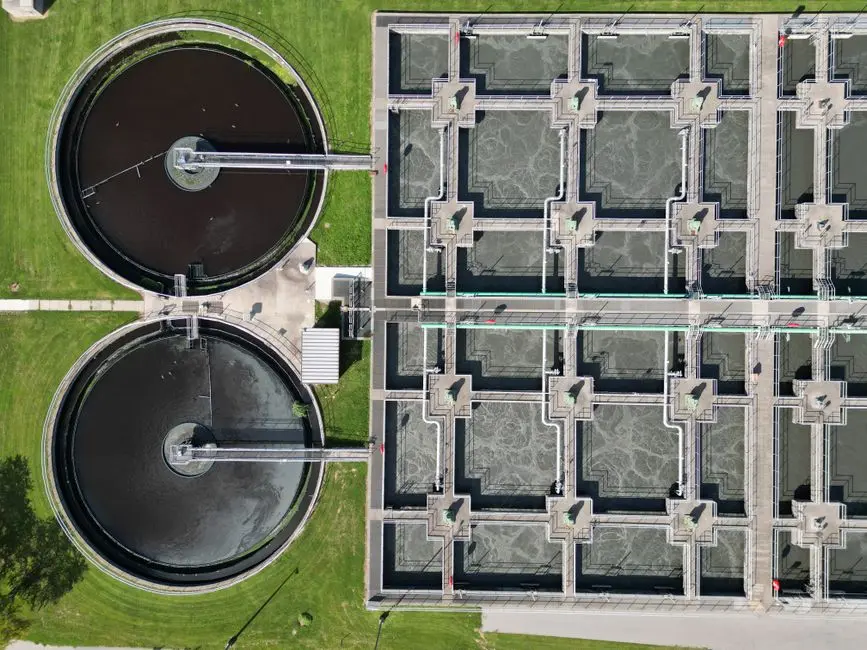
Request representative samples and tests for flow, peak discharge, suspended solids, oil and grease, BOD and COD before sizing equipment. Spans uses wastewater characteristics as the basis for sector-specific process design, so average daily water consumption alone is not an adequate design basis. The 2026 DAF selection and decision framework should receive the same sampling data and operating profile as a full-ETP proposal.
For preliminary equipment screening, HydropureWater’s DAF catalogue lists 4–300 m³/h across 13 standard models. The catalogue describes micro-bubble flotation and automatic skimming for suspended solids, FOG, oil and grease and colloidal matter. This range is a preliminary catalogue screen, not final selection; the selected unit still has to pass the wastewater test results and peak-flow review.
Reliability must be designed into the train. Spans states that Nigerian ETPs need UPS protection for control systems, generator compatibility and process designs that tolerate interruptions without irreversible biological-process damage. Those requirements should appear in the electrical and control specification rather than as general vendor assurances.
Site conditions also affect hydraulic design. Spans reports Nigerian operating temperatures of 26–38°C, which accelerate biological decomposition, odour generation and sludge production. It also gives annual rainfall in southern Nigeria as 1,500–3,000 mm and says storm-water controls are needed to prevent hydraulic overload. The factory should therefore audit drainage, storm-water separation and flood exposure as part of preliminary sizing.
| Design input | Information required before selection | Decision consequence |
|---|---|---|
| Wastewater quality | Representative suspended solids, oil and grease, BOD and COD results | Determines whether DAF alone is appropriate or biological and tertiary stages are required. |
| Hydraulic duty | Average flow, peak discharge and operating schedule | Sets the required treatment capacity and equalisation duty. |
| Power reliability | Available supply, generator arrangement and critical control loads | Determines UPS, generator compatibility and interruption-tolerant process design. |
| Climate and drainage | Site temperature exposure, rainfall and storm-water conditions | Affects biological operation, odour control and hydraulic overload prevention. |
| Residuals | Sludge generation, dewatering method and disposal route | Confirms that the selected treatment train includes a viable residual-handling route. |
Confirm sludge handling before freezing the train. DAF and biological stages create sludge that must be dewatered and removed. Spans includes sludge dewatering in its Nigerian food-processing ETP designs; a proposed sludge dewatering equipment for the selected ETP can then be assessed against that duty.
Design for Compliance and Water Reuse
Spans cites BOD below 30 mg/L, COD below 90 mg/L and TSS below 30 mg/L as Nigerian discharge targets for its industrial ETP designs. Treat these as comparison values reported by Spans, then verify the factory’s current permit and the requirements of the receiving authority before design freeze. A discharge route, reuse specification and applicable regulatory schedule must be identified separately.
A DAF skid should not be presented as guaranteeing final effluent compliance. It removes contaminants addressed by flotation within the flotation stage; dissolved organic load and other permit parameters may still require biological and tertiary treatment. The appropriate procurement question is therefore not “Does this DAF meet the permit?” but “Which part of the permit does this DAF support, and what downstream stages complete the treatment train?”
Water reuse should also be treated as a separate design basis. Spans identifies treated process-water reuse for cooling, boiler makeup and utility applications as a way to reduce dependence on municipal and borehole supply. If reuse is required, specify the receiving equipment, required water quality, variability of demand and consequences of contamination before selecting the final treatment stage.
Commissioning, operator training and operating support belong in the supply scope. Spans describes a two-week on-site commissioning and training programme in its standard Nigeria supply package and notes that skilled operators are scarce in Nigerian industry. Require the supplier to define commissioning acceptance tests, handover documents, operator competency checks and ongoing support.
Compare Supplier Proposals on Risk, Not Just Price
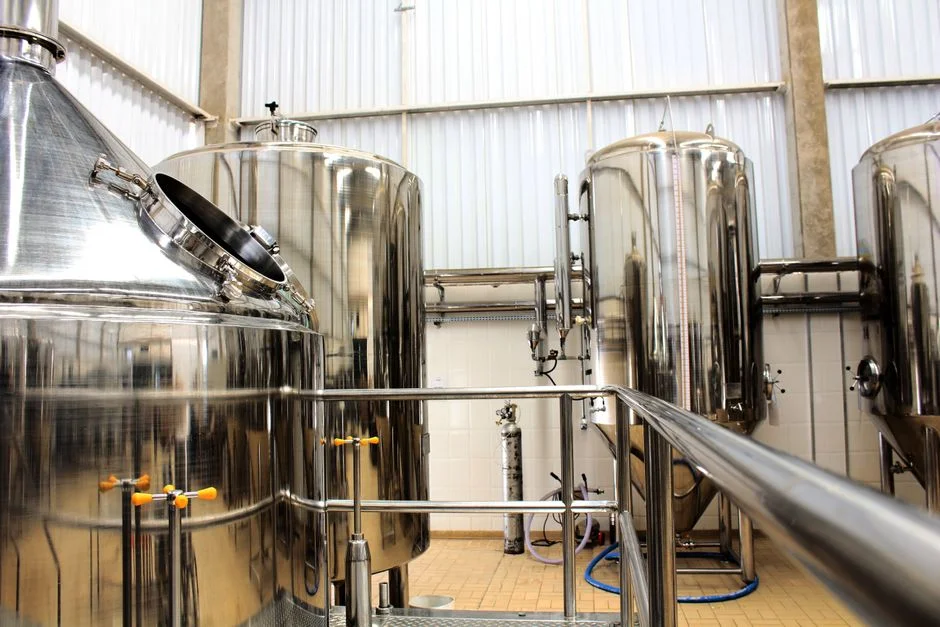
Require every supplier to map its proposal against the same design duty: flow range, wastewater characterization, treatment objective, discharge or reuse route, civil interfaces, utilities and sludge destination. This common basis prevents a DAF quotation and a complete-ETP quotation from appearing comparable when they cover different process scope.
Check the physical arrangement against site conditions. Clear-Ion states that its DAF units are available as skid-mounted or containerized-kiosk systems depending on site conditions and treatment capacity. The proposal should show equipment access, sludge removal, maintenance clearances, drainage and the method of connecting the package to factory services.
Electrical scope must be explicit. Spans describes its standard Nigeria package as including electrical panels designed for 415V/50Hz supply, instruments, controls and civil drawings for local contractor execution. Buyers should still verify the actual site supply, generator interface, protection requirements and control-panel scope rather than assuming a catalogue package covers them.
Clarify logistics and commissioning responsibility. Spans reports sea transit from India to Lagos Apapa at 35–45 days and includes a two-week on-site commissioning and operator-training programme in its standard supply contract. The supplier should state whether its delivery estimate excludes engineering, fabrication, shipping, site preparation and commissioning.
| Procurement check | Evidence to request from each supplier | Risk exposed |
|---|---|---|
| Comparable process scope | Process-flow diagram, capacity basis, included stages and exclusions | Avoids comparing pretreatment and complete-treatment quotations as equivalent. |
| Performance basis | Influent basis, treatment guarantees and proposed acceptance tests | Prevents an untested equipment guarantee. |
| Installation | Civil interfaces, electrical scope, utilities and site-work responsibility | Exposes site costs and coordination gaps. |
| Operations | Controls, training, spares, manuals and after-sales support | Tests whether the plant can be operated and maintained. |
| Delivery | Engineering, fabrication, shipping, site preparation and commissioning schedule | Prevents a shipping estimate being mistaken for project completion. |
| Residuals | Sludge destination, dewatering scope and disposal responsibility | Identifies a treatment process with no practical residual route. |
Do not use an unsupported generic Port Harcourt price range. Compare quotations on included stages, guarantees, installation, training, controls, spares, sludge handling, delivery and after-sales support. Price becomes meaningful only after those scope differences are normalised.
Make a Pre-Project Decision Checklist
Before purchasing equipment, complete four actions:
- Characterise the wastewater. Collect representative samples and determine flow, peak load, BOD, COD, TSS, oil and grease, pH and any sector-specific contaminants.
- Define the compliance and reuse basis. Confirm the receiving route, applicable permit, discharge point, required effluent targets and any intended reuse.
- Audit the site. Check available power, generator support, drainage, storm-water separation, civil space, operator skills and sludge-disposal routes.
- Issue one common brief. Send DAF and full-ETP suppliers the same data pack, then compare guarantees, exclusions, commissioning responsibilities and operating support.
The resulting selection should show why DAF is needed, what it will remove, which downstream stages address the remaining objectives and how the completed train will be tested against the applicable discharge or reuse specification.
Frequently Asked Questions
Does a factory in Port Harcourt need DAF or a complete ETP?
Choose DAF when the primary treatment objective is suspended-solids removal, oil and grease treatment or separation of colloidal material. Choose a complete ETP when the final discharge or reuse objective also requires biological or tertiary treatment. These are not mutually exclusive choices: DAF can be the pretreatment stage inside a full ETP.
What information does a supplier need to size the treatment system?
Provide representative wastewater tests, average and peak flow, operating schedule, discharge limits, reuse requirements and available site utilities. Also include the sludge-disposal route. Sector identity alone is not enough because seasonal production and batch discharges can alter the design duty.
How should the factory compare DAF and full-ETP quotations?
Put both proposals on the same scope basis: treatment stages, performance guarantees, electrical and civil work, controls, commissioning, training, delivery, spares, sludge handling and after-sales support. Request a process-flow diagram and exclusions list with each quotation. Do not select from an unsupported generic price range or compare a pretreatment-only price with a full-ETP price.
Are BOD below 30 mg/L, COD below 90 mg/L and TSS below 30 mg/L sufficient for design in Nigeria?
These are comparison targets reported by Spans for its Nigerian industrial ETP designs. The factory must check its current permit and receiving authority before design freeze because the applicable discharge route and conditions may impose additional or project-specific requirements.
What should the supplier’s delivery and commissioning commitment include?
Require separate dates or durations for engineering, fabrication, shipping, site preparation and commissioning. Spans reports 35–45 days by sea from India to Lagos Apapa port and a two-week on-site commissioning and operator-training programme. Port Harcourt delivery, site access and the supplier’s commissioning responsibility still need written confirmation.